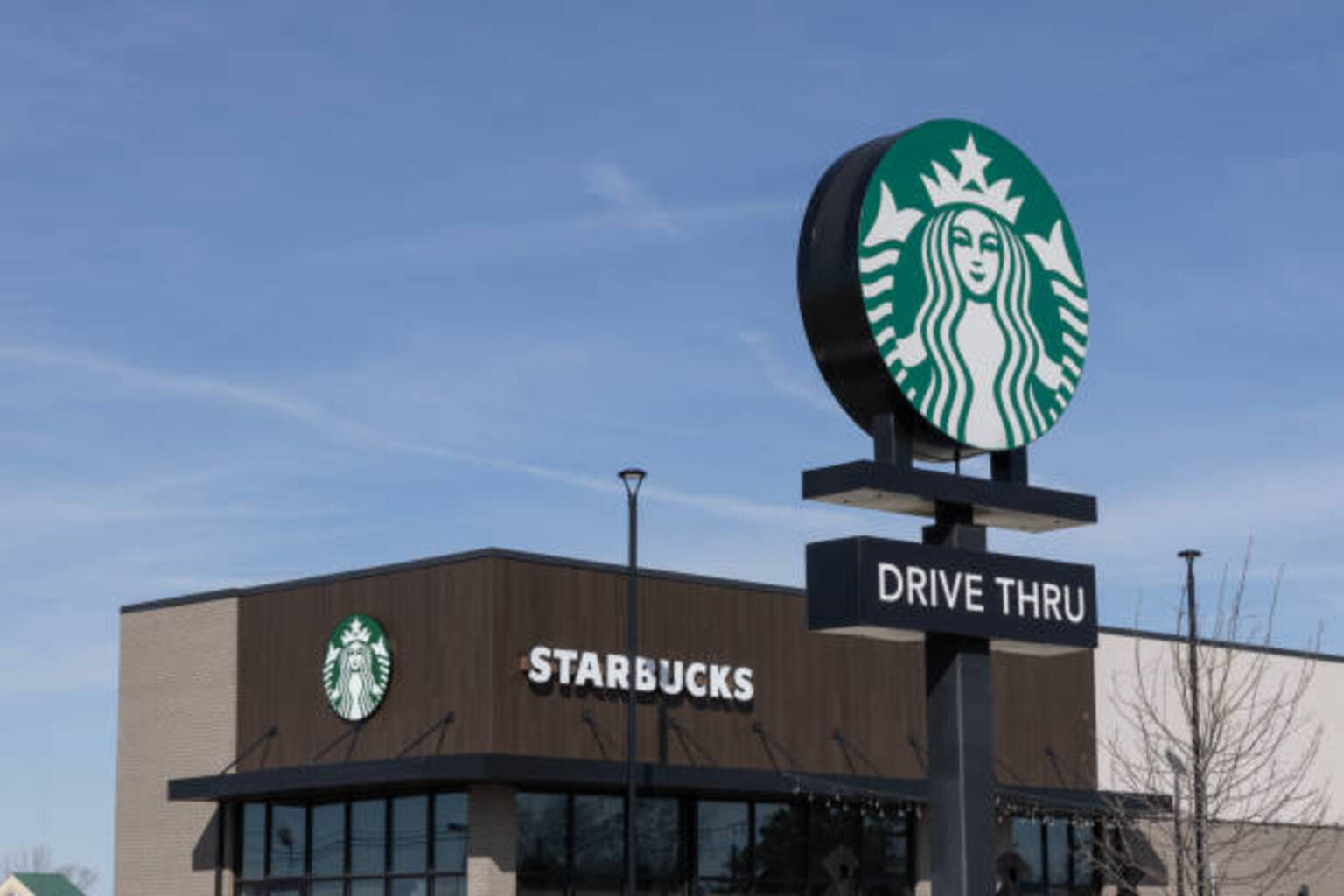
Lithia Motors CEO Cautions Against Selling Chinese Brands in U.S.
Lithia Motors Inc. saw its stock price decline as it hit a 20-day low amid broader market weakness, with the Nasdaq-100 down 1.58% and the S&P 500 down 1.06%.
The CEO of Lithia Motors, Bryan DeBoer, expressed caution regarding the company's plans to sell Chinese brands in the U.S., citing significant market entry barriers due to strict franchise rules and the need for substantial investments in new retail and service operations. This cautious stance reflects the complexities of the U.S. market and the potential impact on profitability, especially as the company relies heavily on service and parts revenue.
This news highlights the challenges Lithia Motors faces in adapting to global market dynamics, particularly with the increasing market share of Chinese automotive brands. The company is currently focusing on building relationships with these brands while remaining cautious about immediate market entry.
Trade with 70% Backtested Accuracy
Analyst Views on LAD

About LAD
About the author


Auto Dealer Economics Stabilize; UBS Initiates Buy Ratings

- Market Recovery: The auto dealer sector's per-unit economics have retreated from their 2023 peak but have stabilized above pre-COVID levels, indicating signs of industry recovery and boosting investor confidence.
- UBS Rating Upgrade: UBS analyst Joseph Spak initiates Buy ratings for Lithia Motors (LAD), Sonic Automotive (SAH), and AutoNation (AN), highlighting their significant advantages in cost savings and capital allocation that position them favorably against competitors.
- High-Margin Business Advantage: Spak emphasizes that franchise dealer networks are protected by strong state laws, with their relationships with automakers creating a parts and service (P&S) business with a gross margin of 54%, significantly higher than the 6% margin on new vehicle sales, showcasing their profitability potential.
- Cash Flow and Buyback Strategy: The analyst notes that the free cash flow for auto dealers is solid, with some cash available for consolidation or partnerships with Chinese OEMs, while AutoNation's share repurchase potential is seen as a crucial part of its investment thesis.
Wall Street's Latest Rating Changes Overview

- Openlane Upgrade: JPMorgan upgraded Openlane from neutral to overweight and raised its December 2026 price target to $38, indicating that the online used car marketplace is experiencing robust growth and has potential for sustainable expansion over the coming years.
- Dollar General Downgrade: Deutsche Bank downgraded Dollar General from buy to hold, citing challenges in its customer base and the widening gap in the K-shaped economy, which may limit same-store sales upside, reflecting a cautious outlook on the company.
- Ecolab Upgrade: UBS upgraded Ecolab from neutral to buy and raised its price target to $325, demonstrating strong demand and positive performance expectations for the chemicals company amid a favorable market environment.
- FedEx Upgrade: JPMorgan upgraded FedEx from neutral to overweight, expressing optimism ahead of its upcoming earnings report, particularly regarding the separation of its freight business, which is seen as an attractive risk-reward opportunity.
Lithia & Driveway Increases Share Repurchase Authorization to $500 Million
- Increased Repurchase Authorization: Lithia & Driveway announced an increase in its share repurchase authorization to $500 million, bringing the current remaining authorization to $726 million, reflecting the company's confidence in its stock value and expected to enhance shareholder returns further.
- Significant Repurchase Progress: Year to date, LAD has invested nearly $396 million to repurchase 1.45 million shares, representing 6.2% of outstanding shares at a weighted average price of $274 per share, indicating proactive capital management amid market fluctuations.
- Clear Strategic Goals: Lithia aims to achieve over 20% DFC penetration while planning the rollout of Pinewood AI through 2028, a strategy that will not only enhance operational efficiency but also strengthen market competitiveness and drive long-term growth.
- Strong Financial Performance: Lithia & Driveway reported record revenue, beating street expectations, reflecting the company's resilience and growth potential in the current economic environment, further solidifying its leading position in the automotive retail industry.

Lithia & Driveway Boosts Share Repurchase Authorization by $500 Million
- Increased Repurchase Authorization: Lithia & Driveway announced a $500 million increase in its share repurchase authorization, bringing the total remaining authorization to $726 million, reflecting confidence in its cash flow and strategic direction.
- Significant Buyback Progress: Since March 31, the company has repurchased approximately 505,000 shares for over $137 million at an average price of $272 per share, representing about 2.2% of its outstanding shares, indicating robust capital management.
- Year-to-Date Buyback Data: Year-to-date, Lithia & Driveway has repurchased around 1.45 million shares for nearly $396 million at an average price of $274 per share, accounting for 6.2% of outstanding shares, showcasing strong shareholder return initiatives.
- Positive Market Reaction: In pre-market trading on the New York Stock Exchange, Lithia & Driveway's stock rose by 0.10% to $276.86, reflecting investor optimism regarding the company's buyback strategy.
Lithia & Driveway Increases Share Repurchase Authorization to $726 Million
- Increased Repurchase Authorization: Lithia & Driveway announced a $500 million increase in its share repurchase authorization, bringing the total remaining authorization to $726 million, reflecting the company's confidence in its strategy and cash flows, which is expected to enhance shareholder returns further.
- Significant Repurchase Progress: Since March 31, 2026, the company has repurchased approximately 505,000 shares, investing over $137 million, representing 2.2% of outstanding shares at an average price of $272 per share, indicating proactive measures to enhance shareholder value during market fluctuations.
- Year-to-Date Repurchase Data: Year to date, Lithia & Driveway has invested nearly $396 million to repurchase 1.45 million shares, representing 6.2% of outstanding shares at an average price of $274 per share, showcasing the company's aggressive capital management strategy.
- Strategic Implications: CEO Bryan DeBoer emphasized that the repurchase is not only a recognition of the current stock price but also a testament to the company's confidence in its future growth potential, aiming to accelerate growth strategies and maximize shareholder returns through these buybacks.
Lithia Motors Reports Record Q1 2026 Revenue and EPS
- Record Revenue: Lithia Motors achieved record revenues of $9.3 billion in Q1 2026 with adjusted diluted EPS of $7.34, indicating strong market performance despite a 1.7% decline in same-store sales, showcasing resilience and operational strength.
- Driveway Finance Growth: Driveway Finance Corporation reported financing income of $21 million for the quarter, up 71% year-over-year, with a growing portfolio now at $5 billion, reflecting the company's successful expansion in financial services and profitability enhancement.
- Share Repurchase Execution: The company repurchased $259 million worth of shares, accounting for 4% of outstanding shares, to address the significant discount to intrinsic value, demonstrating management's confidence in the company's long-term prospects and commitment to shareholder returns.
- Cost Structure Optimization: Management aims to reduce SG&A as a percentage of gross profit from 71.5% to the mid- to high 50 percentile range, and despite macroeconomic uncertainties, they are focused on achieving higher operational efficiency through organizational redesign and technology simplification.
Auto Dealer Economics Stabilize; UBS Initiates Buy Ratings
- Market Recovery: The auto dealer sector's per-unit economics have retreated from their 2023 peak but have stabilized above pre-COVID levels, indicating signs of industry recovery and boosting investor confidence.
- UBS Rating Upgrade: UBS analyst Joseph Spak initiates Buy ratings for Lithia Motors (LAD), Sonic Automotive (SAH), and AutoNation (AN), highlighting their significant advantages in cost savings and capital allocation that position them favorably against competitors.
- High-Margin Business Advantage: Spak emphasizes that franchise dealer networks are protected by strong state laws, with their relationships with automakers creating a parts and service (P&S) business with a gross margin of 54%, significantly higher than the 6% margin on new vehicle sales, showcasing their profitability potential.
- Cash Flow and Buyback Strategy: The analyst notes that the free cash flow for auto dealers is solid, with some cash available for consolidation or partnerships with Chinese OEMs, while AutoNation's share repurchase potential is seen as a crucial part of its investment thesis.
Wall Street's Latest Rating Changes Overview
- Openlane Upgrade: JPMorgan upgraded Openlane from neutral to overweight and raised its December 2026 price target to $38, indicating that the online used car marketplace is experiencing robust growth and has potential for sustainable expansion over the coming years.
- Dollar General Downgrade: Deutsche Bank downgraded Dollar General from buy to hold, citing challenges in its customer base and the widening gap in the K-shaped economy, which may limit same-store sales upside, reflecting a cautious outlook on the company.
- Ecolab Upgrade: UBS upgraded Ecolab from neutral to buy and raised its price target to $325, demonstrating strong demand and positive performance expectations for the chemicals company amid a favorable market environment.
- FedEx Upgrade: JPMorgan upgraded FedEx from neutral to overweight, expressing optimism ahead of its upcoming earnings report, particularly regarding the separation of its freight business, which is seen as an attractive risk-reward opportunity.
Lithia & Driveway Increases Share Repurchase Authorization to $500 Million
- Increased Repurchase Authorization: Lithia & Driveway announced an increase in its share repurchase authorization to $500 million, bringing the current remaining authorization to $726 million, reflecting the company's confidence in its stock value and expected to enhance shareholder returns further.
- Significant Repurchase Progress: Year to date, LAD has invested nearly $396 million to repurchase 1.45 million shares, representing 6.2% of outstanding shares at a weighted average price of $274 per share, indicating proactive capital management amid market fluctuations.
- Clear Strategic Goals: Lithia aims to achieve over 20% DFC penetration while planning the rollout of Pinewood AI through 2028, a strategy that will not only enhance operational efficiency but also strengthen market competitiveness and drive long-term growth.
- Strong Financial Performance: Lithia & Driveway reported record revenue, beating street expectations, reflecting the company's resilience and growth potential in the current economic environment, further solidifying its leading position in the automotive retail industry.
Lithia & Driveway Boosts Share Repurchase Authorization by $500 Million
- Increased Repurchase Authorization: Lithia & Driveway announced a $500 million increase in its share repurchase authorization, bringing the total remaining authorization to $726 million, reflecting confidence in its cash flow and strategic direction.
- Significant Buyback Progress: Since March 31, the company has repurchased approximately 505,000 shares for over $137 million at an average price of $272 per share, representing about 2.2% of its outstanding shares, indicating robust capital management.
- Year-to-Date Buyback Data: Year-to-date, Lithia & Driveway has repurchased around 1.45 million shares for nearly $396 million at an average price of $274 per share, accounting for 6.2% of outstanding shares, showcasing strong shareholder return initiatives.
- Positive Market Reaction: In pre-market trading on the New York Stock Exchange, Lithia & Driveway's stock rose by 0.10% to $276.86, reflecting investor optimism regarding the company's buyback strategy.
Lithia & Driveway Increases Share Repurchase Authorization to $726 Million
- Increased Repurchase Authorization: Lithia & Driveway announced a $500 million increase in its share repurchase authorization, bringing the total remaining authorization to $726 million, reflecting the company's confidence in its strategy and cash flows, which is expected to enhance shareholder returns further.
- Significant Repurchase Progress: Since March 31, 2026, the company has repurchased approximately 505,000 shares, investing over $137 million, representing 2.2% of outstanding shares at an average price of $272 per share, indicating proactive measures to enhance shareholder value during market fluctuations.
- Year-to-Date Repurchase Data: Year to date, Lithia & Driveway has invested nearly $396 million to repurchase 1.45 million shares, representing 6.2% of outstanding shares at an average price of $274 per share, showcasing the company's aggressive capital management strategy.
- Strategic Implications: CEO Bryan DeBoer emphasized that the repurchase is not only a recognition of the current stock price but also a testament to the company's confidence in its future growth potential, aiming to accelerate growth strategies and maximize shareholder returns through these buybacks.
Lithia Motors Reports Record Q1 2026 Revenue and EPS
- Record Revenue: Lithia Motors achieved record revenues of $9.3 billion in Q1 2026 with adjusted diluted EPS of $7.34, indicating strong market performance despite a 1.7% decline in same-store sales, showcasing resilience and operational strength.
- Driveway Finance Growth: Driveway Finance Corporation reported financing income of $21 million for the quarter, up 71% year-over-year, with a growing portfolio now at $5 billion, reflecting the company's successful expansion in financial services and profitability enhancement.
- Share Repurchase Execution: The company repurchased $259 million worth of shares, accounting for 4% of outstanding shares, to address the significant discount to intrinsic value, demonstrating management's confidence in the company's long-term prospects and commitment to shareholder returns.
- Cost Structure Optimization: Management aims to reduce SG&A as a percentage of gross profit from 71.5% to the mid- to high 50 percentile range, and despite macroeconomic uncertainties, they are focused on achieving higher operational efficiency through organizational redesign and technology simplification.