Kratos Defense Faces Challenges Amid Market Weakness
Kratos Defense and Security Solutions Inc's stock fell by 5.03% as it crossed below the 5-day SMA, reflecting broader market trends with the Nasdaq-100 down 1.34% and the S&P 500 down 1.08%.
The company is facing an uncertain outlook as recent news highlights a significant shortfall in hypersonic weapons testing infrastructure, despite a proposed budget increase for the U.S. Space Force. Kratos has selected Odon, Indiana, for a new facility aimed at enhancing hypersonic materials testing, which is expected to address critical gaps in the sector. However, the stock's decline is compounded by concerns over its financial performance, including negative free cash flow and mixed analyst ratings, indicating a lack of confidence in its profitability.
The implications of these developments suggest that while Kratos is positioned to benefit from increased defense spending, its current financial struggles and market conditions may hinder its stock performance in the near term.
Trade with 70% Backtested Accuracy
Analyst Views on KTOS

About KTOS
About the author


VisionWave Partners with Solar Drone to Advance AI Surveillance


- Strategic Partnership: On May 6, 2026, VisionWave announced a roadmap to integrate xCalibre™ AI video intelligence into Solar Drone's long-endurance autonomous flight platforms, aiming to enhance defense surveillance capabilities and strengthen the company's competitive position in the rapidly growing drone market.
- IP Acquisition: VisionWave acquired the xCalibre™ AI video intelligence technology through an Asset Purchase Agreement on April 10, 2026, valued at approximately $60 million, using 7 million shares of VWAV common stock and a $6 million promissory note, reflecting the company's commitment to technological innovation.
- Patent Application Progress: A provisional patent application for the xCalibre™ Camera-as-Sensor AI Intelligence Platform was filed on April 28, 2026, to protect its technological assets, although the provisional application does not guarantee eventual patent approval.
- Optimistic Market Outlook: The C-UAS market is projected to grow from $6.64 billion in 2025 to $20.31 billion by 2030, with a CAGR of approximately 25.1%, providing VisionWave with significant market opportunities for its technology applications.
Pentagon Accelerates Hypersonic Weapons Testing Infrastructure Development

- Infrastructure Shortage: The U.S. Department of Defense faces a critical shortage in hypersonic weapons testing infrastructure, with NASA completing its first new wind tunnel in over 40 years, highlighting the urgent need for testing capabilities and expected to drive market opportunities for related companies.
- Significant Budget Increase: The proposed FY 2027 U.S. Space Force budget is projected to reach $71.2 billion, marking the largest single-year increase in history, while the overall Pentagon budget totals $1.5 trillion, with $17.5 billion earmarked for space-based missile defense, indicating a substantial rise in defense spending.
- Expanded Technical Collaboration: Starfighters Space announced the availability of its F-104 fleet as an airborne aerodynamic test platform, capable of simulating complex aerodynamic conditions of rocket launches, enhancing testing accuracy and efficiency, thereby supporting innovation in the U.S. defense and aerospace sectors.
- Industry Developments: Kratos Defense has selected Indiana for its new facility to support hypersonic materials testing, AeroVironment secured a $14.6 million U.S. Army contract, and BWX Technologies acquired Precision Components Group, further solidifying its position in the defense manufacturing sector.

Pentagon Accelerates Hypersonic Weapons Testing Infrastructure Development
- Surging Demand for Hypersonic Weapons: The U.S. Department of Defense faces a critical shortfall in hypersonic weapons testing infrastructure, with the proposed 2027 Space Force budget reaching $71.2 billion, marking the largest single-year increase in history, underscoring the urgent need for hypersonic technology.
- Investment in Wind Tunnel Construction: The Air Force, Navy, and Army each have budget allocations for wind tunnel construction and modernization in FY 2026, reflecting a commitment to enhancing hypersonic testing capabilities aimed at alleviating current bottlenecks in testing capacity.
- Starfighters Space Innovative Platform: Starfighters Space announced its F-104 fleet as an airborne aerodynamic test platform, capable of simulating the first 30 seconds of a rocket launch, thereby improving testing accuracy and efficiency, which supports the defense and aerospace sectors.
- Kratos New Facility Location: Kratos Defense has selected Odon, Indiana, as the future site for its new mid-tier coupled arc jet and laser facility, designed to address critical gaps in U.S. hypersonic materials testing infrastructure, which is expected to significantly enhance access to vital material evaluation resources.

Investment Opportunities in Small-Cap Stocks

- Oceaneering's Performance Struggles: Oceaneering International (OII), with a market cap of $3.64 billion, has seen flat sales over the past decade, indicating a need for new growth strategies during this cycle, while its gross margin of 17.4% is below competitors, limiting investment in exploration and production.
- Cash Flow Constraints: OII's weak free cash flow margin of 4.7% restricts its ability to fund share buybacks or increase dividends, with a current stock price of $36.85 implying a valuation ratio of 1.3x forward price-to-sales, reflecting insufficient investment appeal.
- CarGurus' Growth Potential: CarGurus (CARG), valued at $3.31 billion, boasts a best-in-class gross margin of 87.7% and an impressive annual EPS growth of 32.5%, showcasing its strong performance in the digital marketplace and effectively attracting investors.
- Cash Flow Strength: CARG's robust free cash flow profitability enables it to support new investments or reward shareholders, trading at $34.75 per share with a forward EV/EBITDA of 10.9x, indicating its investment value.
Kratos Defense Stock Faces Uncertain Outlook

- Financial Performance Analysis: Kratos achieved a 23% year-over-year sales growth in Q1, yet its GAAP income was less than half of its pro forma earnings, indicating weak profitability despite Jefferies labeling the report as 'solid'.
- Cash Flow Situation: Despite sales growth, Kratos reported a negative free cash flow of $47.3 million, raising investor concerns about its cash-burning status, which contributed to a 3.2% drop in stock price during early trading.
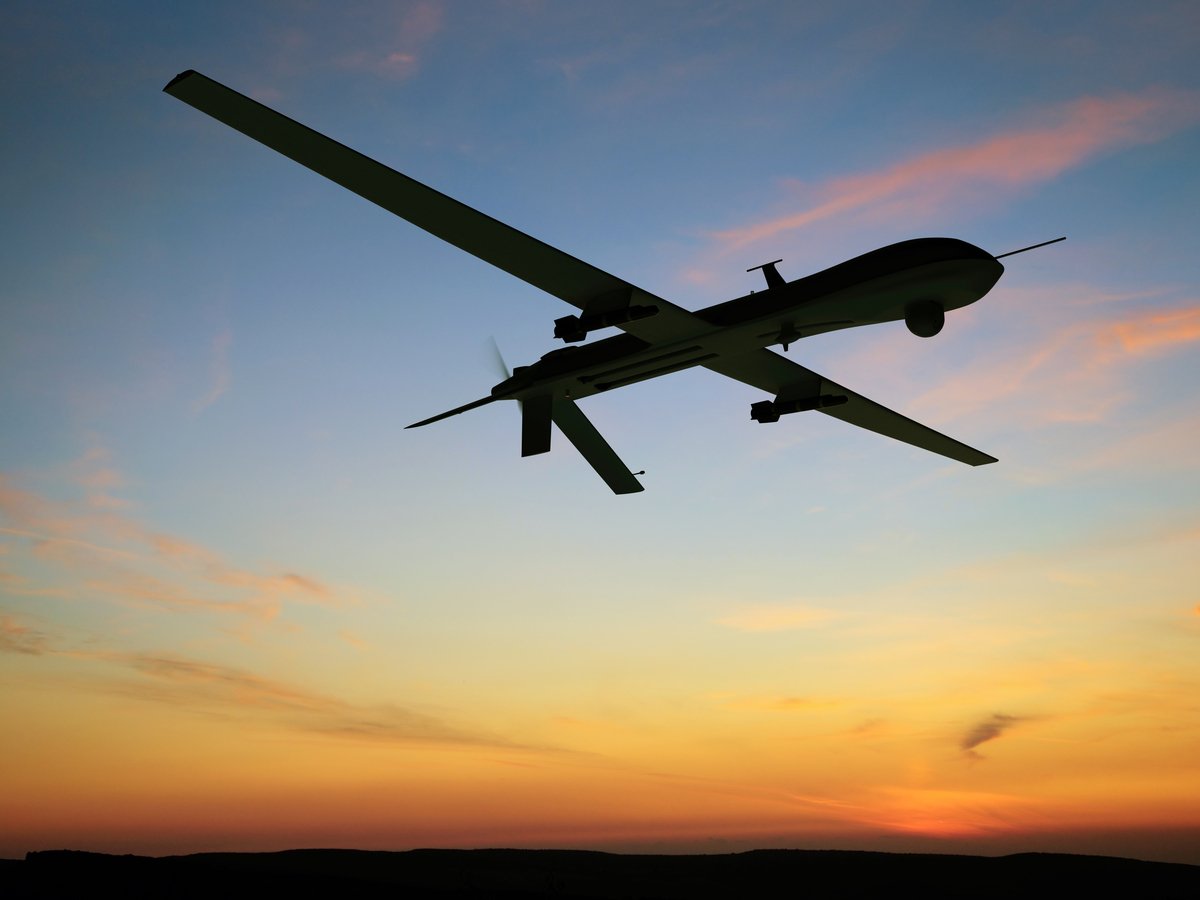
- Order Growth Trend: With the rising prominence of drones in conflicts in Ukraine and Iran, Kratos's order book is booming, achieving a book-to-bill ratio of 1.6 in Q1, foreshadowing potential sales growth ahead.
- Analyst Rating Changes: Among six analysts who adjusted their price targets for Kratos, only one raised their target while five lowered theirs, reflecting a diminishing market confidence in the stock, even as its price-to-earnings ratio has decreased to 340 times.
Kratos Q1 Earnings Beat Expectations but Stock Falls
- Earnings Beat: Kratos reported Q1 earnings of $0.16 per share, exceeding analysts' expectations of $0.13, with sales reaching $371 million, a 23% year-over-year increase driven by a 31% growth in its unmanned systems unit, although government solutions only grew by 12%.
- Cash Flow Issues: Despite GAAP earnings more than doubling to $0.07 per share, the company reported negative free cash flow of $47.3 million for the quarter, indicating ongoing cash burn pressures, although this was an improvement compared to Q1 2025.
- Strong Order Book: Kratos achieved a book-to-bill ratio of 1.6 in Q1, indicating robust new order growth, and is raising its sales guidance to $1.7 billion or better by the end of 2026, reflecting confidence in future growth prospects.
- Stock Performance Decline: Despite the earnings beat, Kratos's stock fell 5.3%, with a valuation exceeding 360 times earnings, and ongoing cash flow challenges diminishing the stock's appeal, prompting investors to reassess their holdings cautiously.
VisionWave Partners with Solar Drone to Advance AI Surveillance
- Strategic Partnership: On May 6, 2026, VisionWave announced a roadmap to integrate xCalibre™ AI video intelligence into Solar Drone's long-endurance autonomous flight platforms, aiming to enhance defense surveillance capabilities and strengthen the company's competitive position in the rapidly growing drone market.
- IP Acquisition: VisionWave acquired the xCalibre™ AI video intelligence technology through an Asset Purchase Agreement on April 10, 2026, valued at approximately $60 million, using 7 million shares of VWAV common stock and a $6 million promissory note, reflecting the company's commitment to technological innovation.
- Patent Application Progress: A provisional patent application for the xCalibre™ Camera-as-Sensor AI Intelligence Platform was filed on April 28, 2026, to protect its technological assets, although the provisional application does not guarantee eventual patent approval.
- Optimistic Market Outlook: The C-UAS market is projected to grow from $6.64 billion in 2025 to $20.31 billion by 2030, with a CAGR of approximately 25.1%, providing VisionWave with significant market opportunities for its technology applications.
Pentagon Accelerates Hypersonic Weapons Testing Infrastructure Development
- Infrastructure Shortage: The U.S. Department of Defense faces a critical shortage in hypersonic weapons testing infrastructure, with NASA completing its first new wind tunnel in over 40 years, highlighting the urgent need for testing capabilities and expected to drive market opportunities for related companies.
- Significant Budget Increase: The proposed FY 2027 U.S. Space Force budget is projected to reach $71.2 billion, marking the largest single-year increase in history, while the overall Pentagon budget totals $1.5 trillion, with $17.5 billion earmarked for space-based missile defense, indicating a substantial rise in defense spending.
- Expanded Technical Collaboration: Starfighters Space announced the availability of its F-104 fleet as an airborne aerodynamic test platform, capable of simulating complex aerodynamic conditions of rocket launches, enhancing testing accuracy and efficiency, thereby supporting innovation in the U.S. defense and aerospace sectors.
- Industry Developments: Kratos Defense has selected Indiana for its new facility to support hypersonic materials testing, AeroVironment secured a $14.6 million U.S. Army contract, and BWX Technologies acquired Precision Components Group, further solidifying its position in the defense manufacturing sector.
Pentagon Accelerates Hypersonic Weapons Testing Infrastructure Development
- Surging Demand for Hypersonic Weapons: The U.S. Department of Defense faces a critical shortfall in hypersonic weapons testing infrastructure, with the proposed 2027 Space Force budget reaching $71.2 billion, marking the largest single-year increase in history, underscoring the urgent need for hypersonic technology.
- Investment in Wind Tunnel Construction: The Air Force, Navy, and Army each have budget allocations for wind tunnel construction and modernization in FY 2026, reflecting a commitment to enhancing hypersonic testing capabilities aimed at alleviating current bottlenecks in testing capacity.
- Starfighters Space Innovative Platform: Starfighters Space announced its F-104 fleet as an airborne aerodynamic test platform, capable of simulating the first 30 seconds of a rocket launch, thereby improving testing accuracy and efficiency, which supports the defense and aerospace sectors.
- Kratos New Facility Location: Kratos Defense has selected Odon, Indiana, as the future site for its new mid-tier coupled arc jet and laser facility, designed to address critical gaps in U.S. hypersonic materials testing infrastructure, which is expected to significantly enhance access to vital material evaluation resources.
Investment Opportunities in Small-Cap Stocks
- Oceaneering's Performance Struggles: Oceaneering International (OII), with a market cap of $3.64 billion, has seen flat sales over the past decade, indicating a need for new growth strategies during this cycle, while its gross margin of 17.4% is below competitors, limiting investment in exploration and production.
- Cash Flow Constraints: OII's weak free cash flow margin of 4.7% restricts its ability to fund share buybacks or increase dividends, with a current stock price of $36.85 implying a valuation ratio of 1.3x forward price-to-sales, reflecting insufficient investment appeal.
- CarGurus' Growth Potential: CarGurus (CARG), valued at $3.31 billion, boasts a best-in-class gross margin of 87.7% and an impressive annual EPS growth of 32.5%, showcasing its strong performance in the digital marketplace and effectively attracting investors.
- Cash Flow Strength: CARG's robust free cash flow profitability enables it to support new investments or reward shareholders, trading at $34.75 per share with a forward EV/EBITDA of 10.9x, indicating its investment value.
Kratos Defense Stock Faces Uncertain Outlook
- Financial Performance Analysis: Kratos achieved a 23% year-over-year sales growth in Q1, yet its GAAP income was less than half of its pro forma earnings, indicating weak profitability despite Jefferies labeling the report as 'solid'.
- Cash Flow Situation: Despite sales growth, Kratos reported a negative free cash flow of $47.3 million, raising investor concerns about its cash-burning status, which contributed to a 3.2% drop in stock price during early trading.
- Order Growth Trend: With the rising prominence of drones in conflicts in Ukraine and Iran, Kratos's order book is booming, achieving a book-to-bill ratio of 1.6 in Q1, foreshadowing potential sales growth ahead.
- Analyst Rating Changes: Among six analysts who adjusted their price targets for Kratos, only one raised their target while five lowered theirs, reflecting a diminishing market confidence in the stock, even as its price-to-earnings ratio has decreased to 340 times.
Kratos Q1 Earnings Beat Expectations but Stock Falls
- Earnings Beat: Kratos reported Q1 earnings of $0.16 per share, exceeding analysts' expectations of $0.13, with sales reaching $371 million, a 23% year-over-year increase driven by a 31% growth in its unmanned systems unit, although government solutions only grew by 12%.
- Cash Flow Issues: Despite GAAP earnings more than doubling to $0.07 per share, the company reported negative free cash flow of $47.3 million for the quarter, indicating ongoing cash burn pressures, although this was an improvement compared to Q1 2025.
- Strong Order Book: Kratos achieved a book-to-bill ratio of 1.6 in Q1, indicating robust new order growth, and is raising its sales guidance to $1.7 billion or better by the end of 2026, reflecting confidence in future growth prospects.
- Stock Performance Decline: Despite the earnings beat, Kratos's stock fell 5.3%, with a valuation exceeding 360 times earnings, and ongoing cash flow challenges diminishing the stock's appeal, prompting investors to reassess their holdings cautiously.