

Kraft Heinz CEO's Strategic Shift Gains Buffett's Support
Kraft Heinz Co's stock fell 5.00% and hit a 5-day low amid broader market weakness, with the Nasdaq-100 down 0.76% and the S&P 500 down 0.36%.
The company's new CEO, Steve Cahillane, announced a pause on the planned separation, indicating manageable challenges and exceeding opportunities, a decision backed by Warren Buffett and Berkshire Hathaway. This strategic shift aims to enhance competitiveness and protect shareholder interests, as Berkshire holds a significant stake in Kraft Heinz. Despite the initial drop in stock price following the announcement, the market quickly recognized the potential benefits of this strategy, leading to a rebound.
This strategic pause may stabilize Kraft Heinz's stock and allow management to focus on improving market performance, reflecting confidence from major stakeholders like Berkshire Hathaway.
Trade with 70% Backtested Accuracy
Analyst Views on KHC

About KHC
About the author

Market Turbulence and Corporate Developments to Watch


- Market Sell-off: Dow futures are down 400 points, with S&P and Nasdaq futures also sharply lower, reflecting investor anxiety over escalating tensions in Iran, which could impact short-term trading strategies and overall market sentiment.
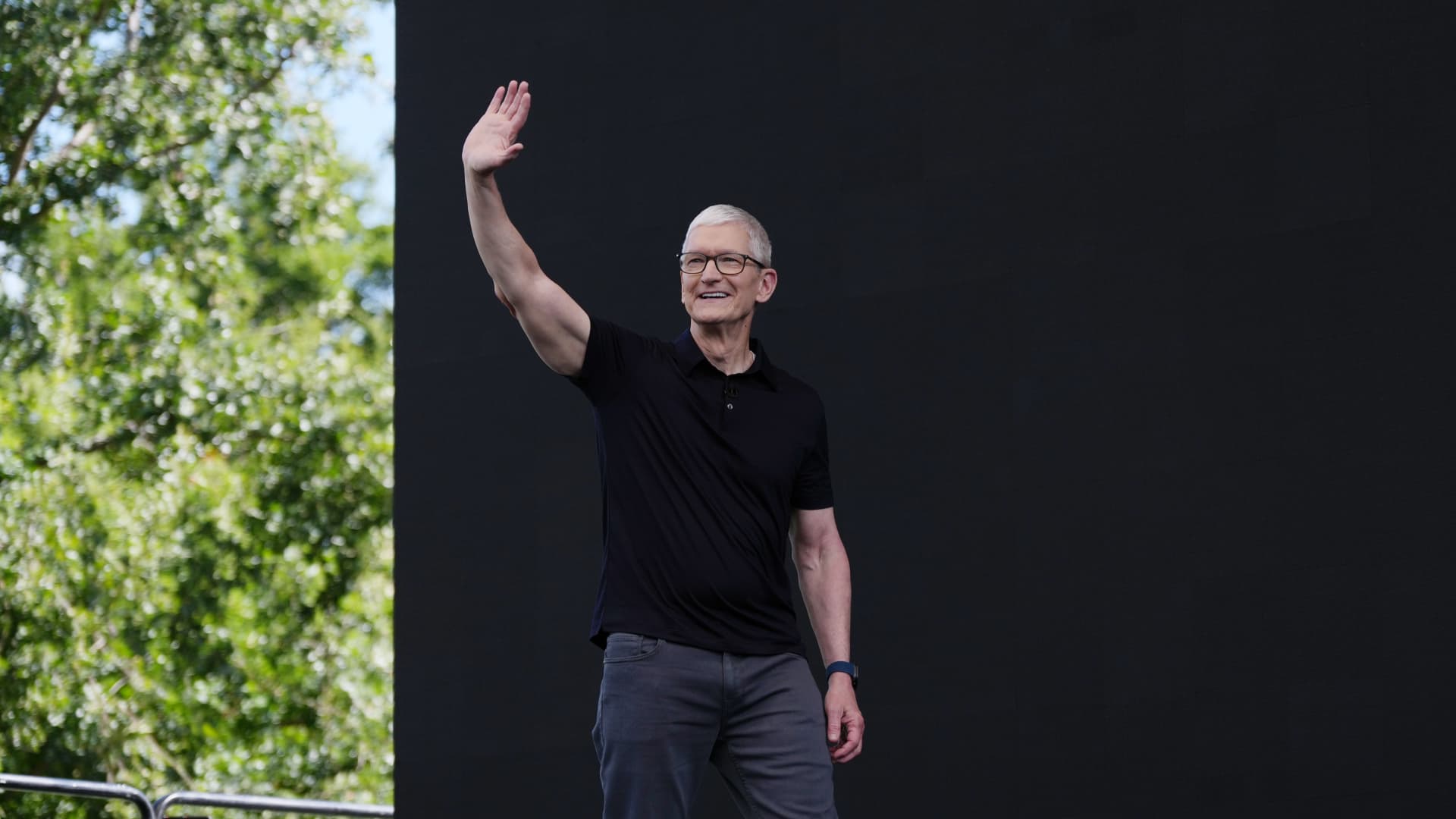
- Apple's Chip Investment: Apple has announced a chip supply deal with Broadcom worth over $30 billion, expected to produce 15 million American-made chips, marking its largest U.S. manufacturing commitment to date, which will enhance supply chain stability and technological independence.
- Analyst Rating Changes: Old Dominion Freight Line was upgraded to buy from hold by Wells Fargo, as analysts see a rebound in the freight cycle; despite concerns that much of this optimism is already priced in, they recommend maintaining a positive outlook on the stock.
- AT&T's Outlook Concerns: Wells Fargo initiated coverage of AT&T with a sell rating and a price target of $18, indicating nearly 15% downside, as analysts worry about competition from SpaceX's Starlink in broadband internet, which may lead to further stock declines and reflects market skepticism about its growth prospects.

High Dividend Stock Analysis: Verizon Leads


- High Dividend Overview: Among the S&P 500, Verizon, General Mills, Pfizer, and Kraft Heinz all boast dividend yields exceeding 6%, with Pfizer leading at 7.20%, highlighting its attractiveness and potential investment value.
- Payout Ratio Analysis: Pfizer's payout ratio of 56.2% is the lowest, indicating its ability to maintain high dividends while retaining sufficient funds for growth investments, making it more sustainable compared to Verizon's 57.6% and General Mills' 68.7%.
- Dividend Growth History: Verizon has raised its dividend for 21 consecutive years, demonstrating strong financial strength and long-term commitment, while Pfizer has maintained growth for 15 years, providing investor confidence in their dividend stability.
- Investment Return Performance: Despite General Mills' 20% decline year-to-date, Verizon has achieved a 4% annualized return over the past three years, and analysts generally favor its future prospects, with 41% rating it a buy and a target price of $50.50, indicating a 22% upside.

Corporate Sponsorship Behind Trump's Freedom 250 Celebrations

- Corporate Sponsorship Phenomenon: A CNBC analysis reveals that 14 companies, including Boeing, Deloitte, and United Airlines, are backing both America250 and Freedom 250, indicating a complex intersection of corporate interests and politics that may influence their dealings with the government.
- Funding Transparency Issues: The sponsorship structure of Freedom 250 has been criticized for its opacity, allowing donors to gain access to Trump through contributions as high as $10 million, raising concerns about corporations seeking political influence.
- Celebration Participation Status: Despite Congress allocating $150 million for the 250th anniversary, America250 has only received $25 million, while Freedom 250 has secured nearly $80 million in funding, highlighting the financial advantage of Trump-aligned events.
- Event Organization Challenges: The Great American State Fair has faced poor participation, with at least eight states declining to join due to exhibit costs and partisan concerns, resulting in sparse crowds and equipment failures during the event.
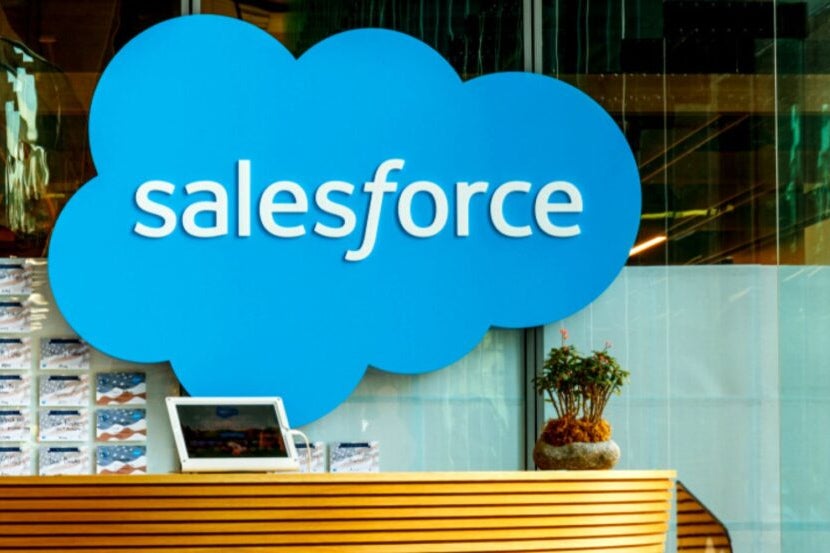
Salesforce Acquires AI Platform Fin for $3.6 Billion to Enhance AI Capabilities

- Acquisition Strategy: Salesforce's $3.6 billion acquisition of AI customer service platform Fin aims to bolster its AI capabilities, yet the market remains skeptical about the company's prospects in AI, highlighting challenges during its transformation.
- Product Integration: Fin's AI agent system will complement Salesforce's Agentforce suite, focusing on rapid technology deployment for small-to-medium businesses, which is expected to enhance customer service efficiency and strengthen market competitiveness.
- Market Reaction: Despite Salesforce's stock price dropping approximately 40% over the past year, analysts believe that acquisitions can help the company gain market share in the AI era, especially against fast-moving AI-native companies.
- Future Outlook: Salesforce projects around $46 billion in revenue by fiscal 2027, and despite the potential disruption of AI to its traditional software business model, it must prioritize innovation and integration within its core business.

Kraft Heinz Launches New KD Ramen Line in Canada
- Product Launch: Kraft Heinz's Canadian Kraft Dinner brand is set to introduce a new KD Ramen line in July, merging its signature boxed macaroni and cheese flavor with the instant noodle market, which is expected to attract a broad consumer base.
- Flavor Innovation: The new range features Cheesy Ramen, Extra Cheesy, and Extra Spicy, each catering to different consumer preferences, highlighting the brand's flexibility and innovative capacity in meeting diverse taste demands.
- Marketing Promotion: To generate social buzz, the KD brand is partnering with 7-Eleven Canada for a three-day free tasting event in major cities like Toronto, Vancouver, Calgary, and Winnipeg, aiming to enhance brand visibility and attract younger consumers.
- Brand Continuity: The new products will utilize the same real Canadian cheddar cheese as the original KD, ensuring that while innovating, the brand maintains its core values, further solidifying KD's cultural significance in the Canadian market.

KD Launches New Ramen Lineup Featuring Iconic Cheesy Flavors
- Product Launch: KD introduces three new ramen varieties, including Cheesy Ramen, Extra Cheesy, and Extra Spicy, aiming to extend its iconic cheesy flavor into the ramen market, which is expected to attract more consumer interest.
- Market Trend: As ramen continues to grow in popularity in Canada, particularly cheesy ramen as a fast-growing food trend, KD's new offerings align perfectly with consumer demand for bold and spicy flavors, further solidifying the brand's market position.
- Promotional Collaboration: KD is partnering with 7-Eleven® Canada to offer a limited-time free tasting event from June 25 to 27 at select locations in Toronto, Vancouver, Calgary, and Winnipeg, aimed at enhancing brand visibility and consumer engagement.
- Brand Heritage: Kraft Heinz Canada boasts over a century of history and is now the second-largest food and beverage company in Canada, with the launch of KD Ramen representing the brand's ongoing innovation and development in meeting consumer needs.
Market Turbulence and Corporate Developments to Watch
- Market Sell-off: Dow futures are down 400 points, with S&P and Nasdaq futures also sharply lower, reflecting investor anxiety over escalating tensions in Iran, which could impact short-term trading strategies and overall market sentiment.
- Apple's Chip Investment: Apple has announced a chip supply deal with Broadcom worth over $30 billion, expected to produce 15 million American-made chips, marking its largest U.S. manufacturing commitment to date, which will enhance supply chain stability and technological independence.
- Analyst Rating Changes: Old Dominion Freight Line was upgraded to buy from hold by Wells Fargo, as analysts see a rebound in the freight cycle; despite concerns that much of this optimism is already priced in, they recommend maintaining a positive outlook on the stock.
- AT&T's Outlook Concerns: Wells Fargo initiated coverage of AT&T with a sell rating and a price target of $18, indicating nearly 15% downside, as analysts worry about competition from SpaceX's Starlink in broadband internet, which may lead to further stock declines and reflects market skepticism about its growth prospects.
High Dividend Stock Analysis: Verizon Leads
- High Dividend Overview: Among the S&P 500, Verizon, General Mills, Pfizer, and Kraft Heinz all boast dividend yields exceeding 6%, with Pfizer leading at 7.20%, highlighting its attractiveness and potential investment value.
- Payout Ratio Analysis: Pfizer's payout ratio of 56.2% is the lowest, indicating its ability to maintain high dividends while retaining sufficient funds for growth investments, making it more sustainable compared to Verizon's 57.6% and General Mills' 68.7%.
- Dividend Growth History: Verizon has raised its dividend for 21 consecutive years, demonstrating strong financial strength and long-term commitment, while Pfizer has maintained growth for 15 years, providing investor confidence in their dividend stability.
- Investment Return Performance: Despite General Mills' 20% decline year-to-date, Verizon has achieved a 4% annualized return over the past three years, and analysts generally favor its future prospects, with 41% rating it a buy and a target price of $50.50, indicating a 22% upside.
Corporate Sponsorship Behind Trump's Freedom 250 Celebrations
- Corporate Sponsorship Phenomenon: A CNBC analysis reveals that 14 companies, including Boeing, Deloitte, and United Airlines, are backing both America250 and Freedom 250, indicating a complex intersection of corporate interests and politics that may influence their dealings with the government.
- Funding Transparency Issues: The sponsorship structure of Freedom 250 has been criticized for its opacity, allowing donors to gain access to Trump through contributions as high as $10 million, raising concerns about corporations seeking political influence.
- Celebration Participation Status: Despite Congress allocating $150 million for the 250th anniversary, America250 has only received $25 million, while Freedom 250 has secured nearly $80 million in funding, highlighting the financial advantage of Trump-aligned events.
- Event Organization Challenges: The Great American State Fair has faced poor participation, with at least eight states declining to join due to exhibit costs and partisan concerns, resulting in sparse crowds and equipment failures during the event.
Salesforce Acquires AI Platform Fin for $3.6 Billion to Enhance AI Capabilities
- Acquisition Strategy: Salesforce's $3.6 billion acquisition of AI customer service platform Fin aims to bolster its AI capabilities, yet the market remains skeptical about the company's prospects in AI, highlighting challenges during its transformation.
- Product Integration: Fin's AI agent system will complement Salesforce's Agentforce suite, focusing on rapid technology deployment for small-to-medium businesses, which is expected to enhance customer service efficiency and strengthen market competitiveness.
- Market Reaction: Despite Salesforce's stock price dropping approximately 40% over the past year, analysts believe that acquisitions can help the company gain market share in the AI era, especially against fast-moving AI-native companies.
- Future Outlook: Salesforce projects around $46 billion in revenue by fiscal 2027, and despite the potential disruption of AI to its traditional software business model, it must prioritize innovation and integration within its core business.
Kraft Heinz Launches New KD Ramen Line in Canada
- Product Launch: Kraft Heinz's Canadian Kraft Dinner brand is set to introduce a new KD Ramen line in July, merging its signature boxed macaroni and cheese flavor with the instant noodle market, which is expected to attract a broad consumer base.
- Flavor Innovation: The new range features Cheesy Ramen, Extra Cheesy, and Extra Spicy, each catering to different consumer preferences, highlighting the brand's flexibility and innovative capacity in meeting diverse taste demands.
- Marketing Promotion: To generate social buzz, the KD brand is partnering with 7-Eleven Canada for a three-day free tasting event in major cities like Toronto, Vancouver, Calgary, and Winnipeg, aiming to enhance brand visibility and attract younger consumers.
- Brand Continuity: The new products will utilize the same real Canadian cheddar cheese as the original KD, ensuring that while innovating, the brand maintains its core values, further solidifying KD's cultural significance in the Canadian market.
KD Launches New Ramen Lineup Featuring Iconic Cheesy Flavors
- Product Launch: KD introduces three new ramen varieties, including Cheesy Ramen, Extra Cheesy, and Extra Spicy, aiming to extend its iconic cheesy flavor into the ramen market, which is expected to attract more consumer interest.
- Market Trend: As ramen continues to grow in popularity in Canada, particularly cheesy ramen as a fast-growing food trend, KD's new offerings align perfectly with consumer demand for bold and spicy flavors, further solidifying the brand's market position.
- Promotional Collaboration: KD is partnering with 7-Eleven® Canada to offer a limited-time free tasting event from June 25 to 27 at select locations in Toronto, Vancouver, Calgary, and Winnipeg, aimed at enhancing brand visibility and consumer engagement.
- Brand Heritage: Kraft Heinz Canada boasts over a century of history and is now the second-largest food and beverage company in Canada, with the launch of KD Ramen representing the brand's ongoing innovation and development in meeting consumer needs.




