HSBC's Stock Declines Amid Broader Market Weakness
HSBC Holdings PLC's stock has fallen significantly, hitting a 20-day low as it dropped by 4.22% during regular trading hours.
The decline comes amid broader market weakness, with the Nasdaq-100 down 0.55% and the S&P 500 down 0.40%. This sector rotation reflects investor concerns about geopolitical tensions affecting the banking sector, particularly in light of HSBC's recent stock performance, which has been impacted by the ongoing Iran conflict and its implications for the Gulf Cooperation Council's economic outlook.
As HSBC navigates these challenges, the bank's leadership remains confident in the long-term potential of the Gulf region, suggesting that while short-term volatility may persist, there are opportunities for growth in the future.
Trade with 70% Backtested Accuracy
Analyst Views on HSBC
About HSBC
About the author


U.S.-Iran Peace Agreement Close Yet Obstacles Remain


- U.S.-Iran Peace Progress: The peace agreement between the U.S. and Iran appears tantalizingly close, yet mixed messages from Washington and Tehran, along with ongoing missile strikes, present significant obstacles, as President Trump has yet to give final approval for a 60-day memorandum of understanding.
- Oil Price Volatility: Brent crude prices have fallen over 17% in May, while WTI has dropped more than 15%, significantly impacting the energy market, with forecasts indicating that oil inventories could reach record lows in the coming weeks.
- Strong Corporate Earnings: Dell's shares surged nearly 40% in after-hours trading after exceeding Wall Street's earnings forecasts and raising guidance, with analysts attributing this solid performance to Michael Dell's early efforts to foster good relations with the Trump Administration.
- Ferrari EV Launch Crisis: The launch of Ferrari's first full-electric car, the Luce, turned into a PR crisis due to overly strict security measures that disappointed investors, leading to an 8% drop in stock price the following day, although this move signifies a crucial step for the company in the electric vehicle market.
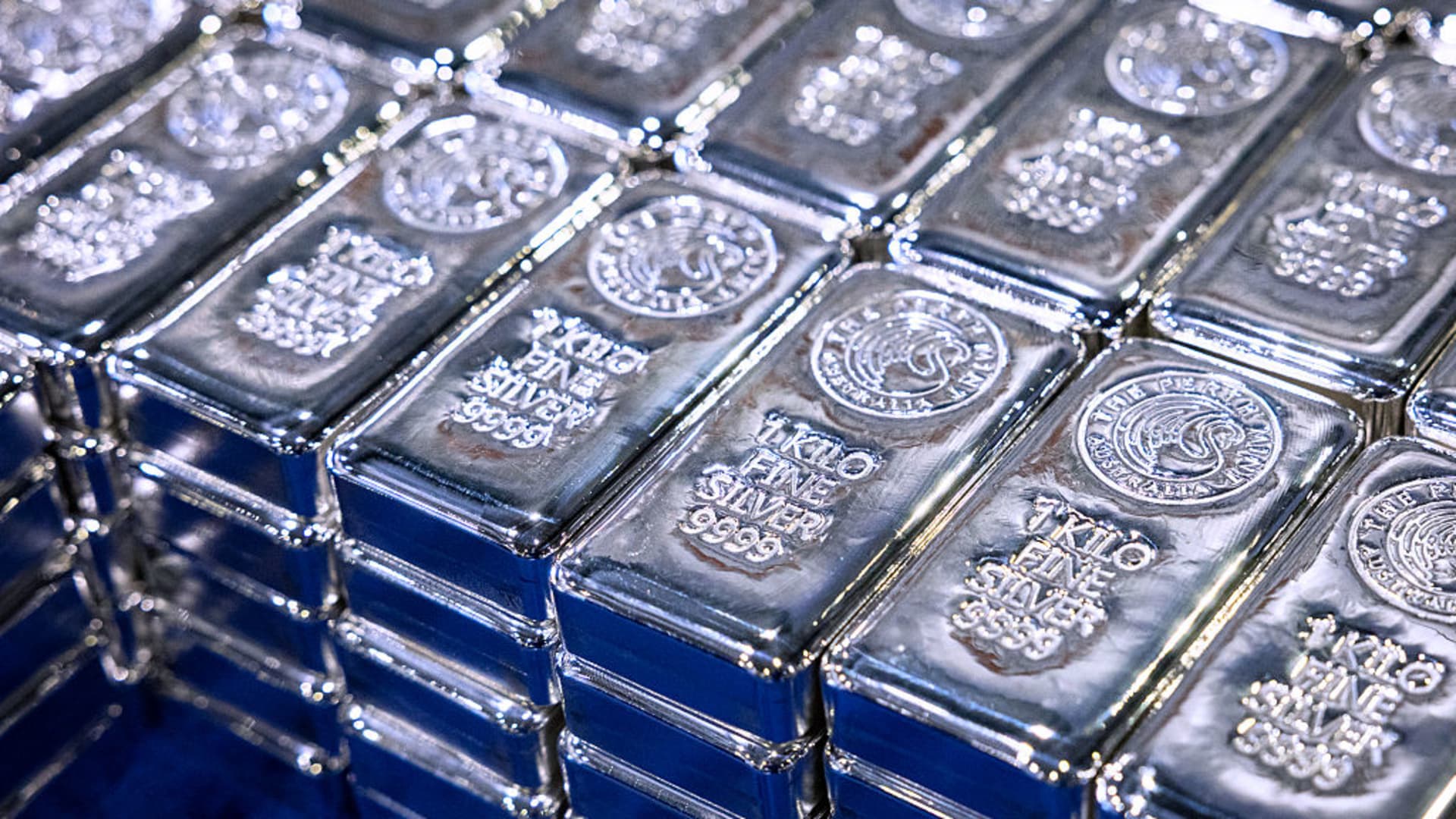
Silver Price Plunge Triggers Demand Decline


- Demand Decline Trend: Analysts indicate that after a 140% surge in silver prices in 2025, demand from various industries is beginning to wane, particularly as silver's extensive industrial applications make it more susceptible to economic cycles, potentially leading to further declines.
- Price Volatility Risk: UBS notes that silver lacks the strategic demand support from central banks, resulting in diminished investment appeal due to volatility that does not sufficiently reward investors, which may drive them towards other assets.
- Market Price Dynamics: Although silver prices have rebounded from a low of $67.60 in March 2026, current spot silver trading around $72.13 reflects a lack of confidence in the market regarding silver's future prospects.
- Uncertain Future Outlook: Analysts expect further downward pressure on silver prices as the Federal Reserve may raise interest rates in the first half of 2027, and ongoing uncertainties in the Middle East will continue to impact market volatility.

Escalating Middle East Conflict Impacts Markets
- Market Volatility: The escalation of U.S. military strikes against Iran has led to significant volatility in Asian stocks and oil prices, reflecting the market's heightened sensitivity to Middle Eastern tensions, which could destabilize investor sentiment and impact global economic recovery.
- Rising Oil Prices: U.S. military actions have driven oil prices higher, raising concerns over the safety of commercial shipping through the Strait of Hormuz, which may further increase global energy costs and affect national economies.
- Fed Officials' Insights: Federal Reserve officials have indicated that while the labor market remains strong, the energy inflation stemming from the Middle East conflict could create a

Analyst Blog Highlights: Market Themes and Corporate Insights


- U.S. PCE Data Release: The April Core Personal Consumption Expenditures (PCE) data is set to be released on Thursday, with market participants closely watching this Fed-favored inflation gauge, which is expected to influence investor expectations regarding future interest rate policies amid rising energy prices.
- AI's Impact on Finance: Standard Chartered announced plans to cut nearly 8,000 jobs, with CEO Bill Winters stating that technology will replace 'lower-value human capital', indicating a rapid acceleration of AI applications in finance that could lead to broader employment shifts across the sector.
- Bank of Japan Rate Hike Expectations: Market expectations for a rate hike by the Bank of Japan next month are growing, with economists forecasting a 1.5% rise in Tokyo's core consumer price index, despite being the slowest pace in four years, which could drive normalization of monetary policy.
- Political Turmoil in Turkey: A Turkish court's decision to oust the main opposition leader has led to significant market reactions, with stocks plunging and the lira hitting a record low, highlighting the potential economic threats posed by political instability, particularly in an energy-import-sensitive context.
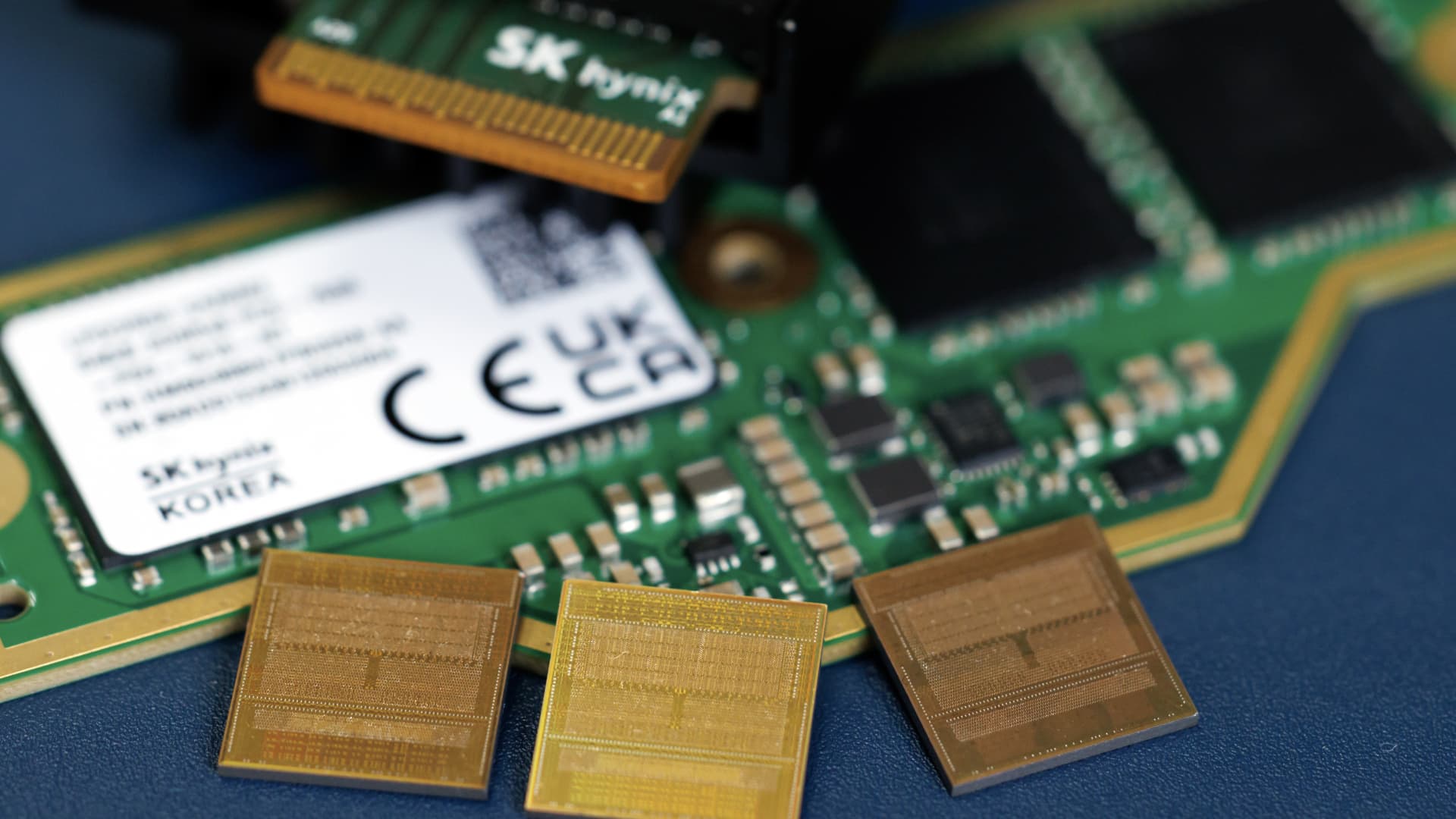
SK Hynix Market Cap Surpasses $1 Trillion for First Time
- Market Cap Milestone: SK Hynix's market capitalization surpassed $1 trillion for the first time on Wednesday, marking a significant achievement as the stock has skyrocketed approximately 250% since the beginning of the year, which not only enhances the company's market position but also reflects the robust performance of global tech stocks.
- Surging AI Chip Demand: The substantial increase in demand for AI chips has driven SK Hynix's stock price higher, propelling the South Korean KOPSI index to record highs, indicating the company's critical role and competitiveness in the rapidly evolving semiconductor market.
- Industrial Profit Surge: China's industrial profits surged by 24.7% in April, marking the fastest growth since November 2023, with computing and electronics equipment manufacturing nearly doubling in earnings, highlighting the sector's recovery and growth potential.
- Positive Market Reaction: SK Hynix's success has captured investor attention in global markets, further driving record highs in Japanese and South Korean stock markets, demonstrating market optimism towards the tech sector and expectations for future growth.
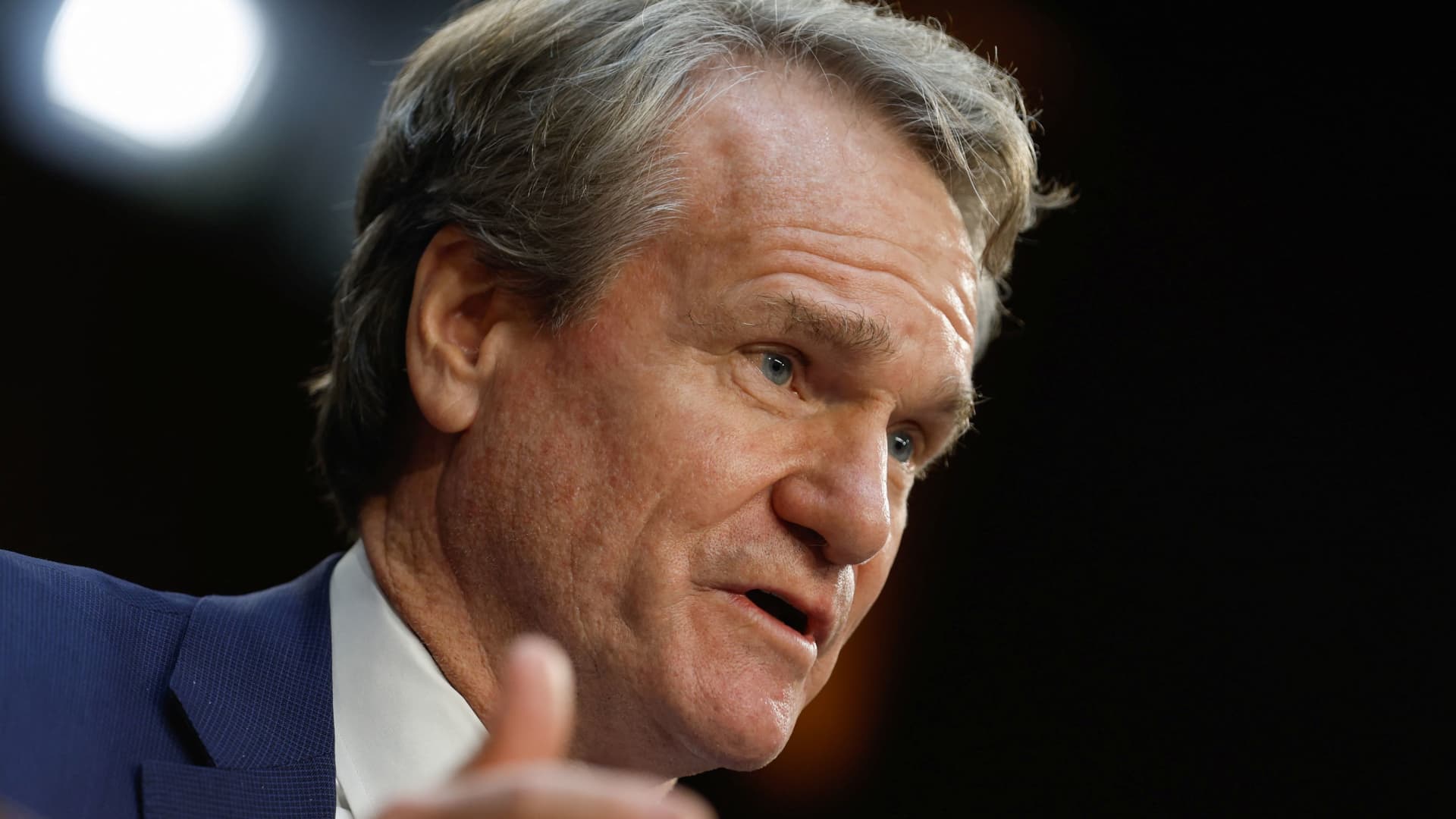
Quant Ratings Snapshot of Small-Cap Financial Stocks Post Earnings

- Top-Rated Stocks: Following the latest quant ratings, Bank of America (BAC) received a score of 4.92, classified as a Strong Buy, indicating robust performance across valuation, growth, and profitability metrics, which is likely to attract increased investor interest.
- Strong Performers: HSBC Holdings (HSBC) and Galaxy Digital (GLXY) achieved ratings of 4.86 and 4.83 respectively, reflecting their competitive positioning and earnings potential in the market, which may drive stock price appreciation and bolster market confidence.
- Low-Rated Stocks: In contrast, Erie Indemnity (ERIE) received a low score of 1.26, categorized as a Strong Sell, highlighting significant deficiencies in profitability and growth expectations, which could lead to investor withdrawals and negatively impact its market performance.
- Market Dynamics: The 'living wills' of JP Morgan, Bank of America, and Citi have been cleared by the Fed and FDIC, indicating that an improved regulatory environment may provide support for the future performance of financial stocks.
U.S.-Iran Peace Agreement Close Yet Obstacles Remain
- U.S.-Iran Peace Progress: The peace agreement between the U.S. and Iran appears tantalizingly close, yet mixed messages from Washington and Tehran, along with ongoing missile strikes, present significant obstacles, as President Trump has yet to give final approval for a 60-day memorandum of understanding.
- Oil Price Volatility: Brent crude prices have fallen over 17% in May, while WTI has dropped more than 15%, significantly impacting the energy market, with forecasts indicating that oil inventories could reach record lows in the coming weeks.
- Strong Corporate Earnings: Dell's shares surged nearly 40% in after-hours trading after exceeding Wall Street's earnings forecasts and raising guidance, with analysts attributing this solid performance to Michael Dell's early efforts to foster good relations with the Trump Administration.
- Ferrari EV Launch Crisis: The launch of Ferrari's first full-electric car, the Luce, turned into a PR crisis due to overly strict security measures that disappointed investors, leading to an 8% drop in stock price the following day, although this move signifies a crucial step for the company in the electric vehicle market.
Silver Price Plunge Triggers Demand Decline
- Demand Decline Trend: Analysts indicate that after a 140% surge in silver prices in 2025, demand from various industries is beginning to wane, particularly as silver's extensive industrial applications make it more susceptible to economic cycles, potentially leading to further declines.
- Price Volatility Risk: UBS notes that silver lacks the strategic demand support from central banks, resulting in diminished investment appeal due to volatility that does not sufficiently reward investors, which may drive them towards other assets.
- Market Price Dynamics: Although silver prices have rebounded from a low of $67.60 in March 2026, current spot silver trading around $72.13 reflects a lack of confidence in the market regarding silver's future prospects.
- Uncertain Future Outlook: Analysts expect further downward pressure on silver prices as the Federal Reserve may raise interest rates in the first half of 2027, and ongoing uncertainties in the Middle East will continue to impact market volatility.
Escalating Middle East Conflict Impacts Markets
- Market Volatility: The escalation of U.S. military strikes against Iran has led to significant volatility in Asian stocks and oil prices, reflecting the market's heightened sensitivity to Middle Eastern tensions, which could destabilize investor sentiment and impact global economic recovery.
- Rising Oil Prices: U.S. military actions have driven oil prices higher, raising concerns over the safety of commercial shipping through the Strait of Hormuz, which may further increase global energy costs and affect national economies.
- Fed Officials' Insights: Federal Reserve officials have indicated that while the labor market remains strong, the energy inflation stemming from the Middle East conflict could create a
Analyst Blog Highlights: Market Themes and Corporate Insights
- U.S. PCE Data Release: The April Core Personal Consumption Expenditures (PCE) data is set to be released on Thursday, with market participants closely watching this Fed-favored inflation gauge, which is expected to influence investor expectations regarding future interest rate policies amid rising energy prices.
- AI's Impact on Finance: Standard Chartered announced plans to cut nearly 8,000 jobs, with CEO Bill Winters stating that technology will replace 'lower-value human capital', indicating a rapid acceleration of AI applications in finance that could lead to broader employment shifts across the sector.
- Bank of Japan Rate Hike Expectations: Market expectations for a rate hike by the Bank of Japan next month are growing, with economists forecasting a 1.5% rise in Tokyo's core consumer price index, despite being the slowest pace in four years, which could drive normalization of monetary policy.
- Political Turmoil in Turkey: A Turkish court's decision to oust the main opposition leader has led to significant market reactions, with stocks plunging and the lira hitting a record low, highlighting the potential economic threats posed by political instability, particularly in an energy-import-sensitive context.
SK Hynix Market Cap Surpasses $1 Trillion for First Time
- Market Cap Milestone: SK Hynix's market capitalization surpassed $1 trillion for the first time on Wednesday, marking a significant achievement as the stock has skyrocketed approximately 250% since the beginning of the year, which not only enhances the company's market position but also reflects the robust performance of global tech stocks.
- Surging AI Chip Demand: The substantial increase in demand for AI chips has driven SK Hynix's stock price higher, propelling the South Korean KOPSI index to record highs, indicating the company's critical role and competitiveness in the rapidly evolving semiconductor market.
- Industrial Profit Surge: China's industrial profits surged by 24.7% in April, marking the fastest growth since November 2023, with computing and electronics equipment manufacturing nearly doubling in earnings, highlighting the sector's recovery and growth potential.
- Positive Market Reaction: SK Hynix's success has captured investor attention in global markets, further driving record highs in Japanese and South Korean stock markets, demonstrating market optimism towards the tech sector and expectations for future growth.
Quant Ratings Snapshot of Small-Cap Financial Stocks Post Earnings
- Top-Rated Stocks: Following the latest quant ratings, Bank of America (BAC) received a score of 4.92, classified as a Strong Buy, indicating robust performance across valuation, growth, and profitability metrics, which is likely to attract increased investor interest.
- Strong Performers: HSBC Holdings (HSBC) and Galaxy Digital (GLXY) achieved ratings of 4.86 and 4.83 respectively, reflecting their competitive positioning and earnings potential in the market, which may drive stock price appreciation and bolster market confidence.
- Low-Rated Stocks: In contrast, Erie Indemnity (ERIE) received a low score of 1.26, categorized as a Strong Sell, highlighting significant deficiencies in profitability and growth expectations, which could lead to investor withdrawals and negatively impact its market performance.
- Market Dynamics: The 'living wills' of JP Morgan, Bank of America, and Citi have been cleared by the Fed and FDIC, indicating that an improved regulatory environment may provide support for the future performance of financial stocks.