HII Invests Over $1 Billion to Enhance Shipbuilding Capacity

Huntington Ingalls Industries Inc (HII) shares rose 3.20% as the company reached a 52-week high amid positive developments in its shipbuilding capacity.
HII has invested over $1 billion at Ingalls Shipbuilding to enhance infrastructure and advanced toolsets, ensuring readiness to meet the demands for future battleships and small surface combatants. This strategic investment strengthens U.S. Navy combat capabilities and reflects HII's commitment to addressing the Navy's urgent need for ships through improved hiring retention and shipbuilder proficiency. The company's focus on technological innovation and strategic collaboration with Navy leadership further solidifies its position in the defense sector.
This investment not only enhances HII's production efficiency but also positions the company favorably in a growing defense market, especially as military spending is expected to increase significantly in the coming years.
Trade with 70% Backtested Accuracy
Analyst Views on HII

About HII
About the author


Potential Benefits for These Defense Stocks from Iran's Mine Threat in the Strait of Hormuz

- Strait of Hormuz Closure: The Strait of Hormuz is effectively closed due to heightened risk aversion among shipping companies.
- Iranian Threats: Ongoing threats from Iran contribute to the closure and increased tensions in the region.
- Dangerous Sea Mines: The presence of sea mines in the area poses additional dangers for maritime navigation.
- Impact on Shipping: The combination of these factors has led to significant disruptions in shipping routes through this critical waterway.
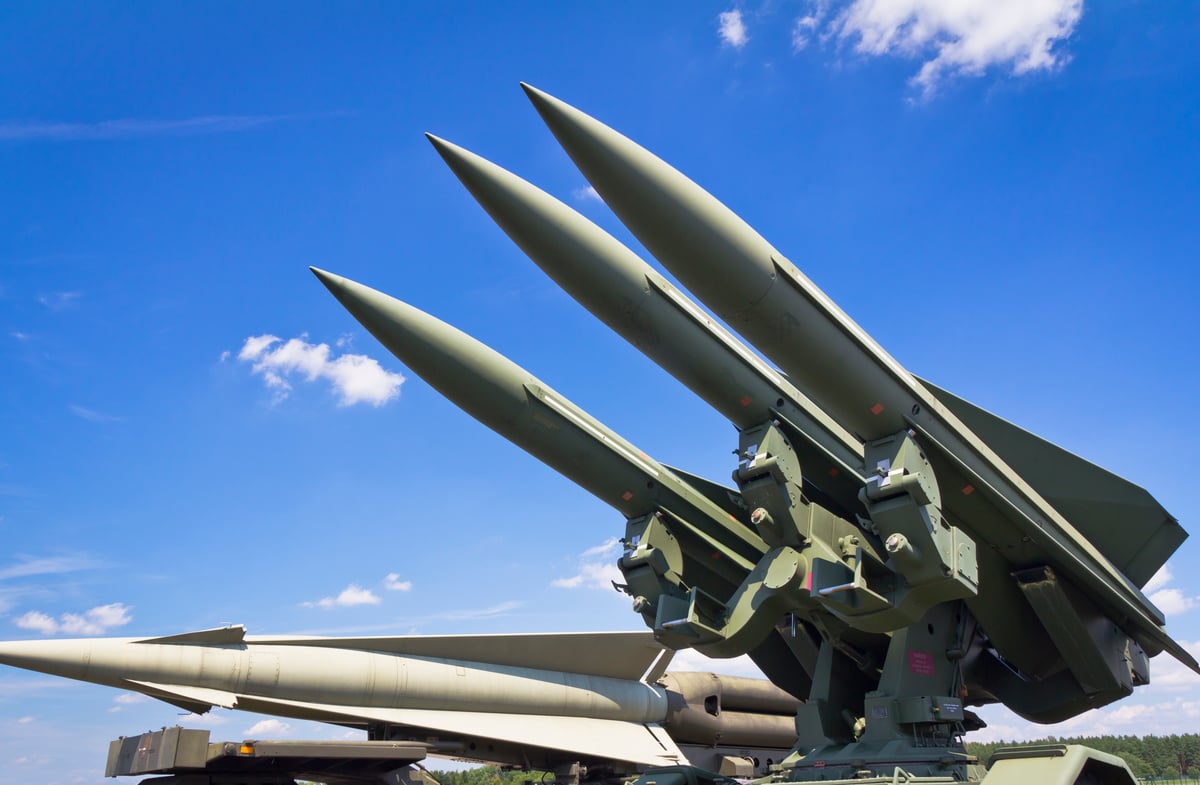
Defense ETF XAR Poised for Growth Amid Rising Military Spending

- Surge in Defense Spending: The XAR ETF has risen approximately 3.7% since February, driven by geopolitical uncertainty and increased demand for military technologies, indicating strong market expectations for defense spending growth.
- Significant Budget Increase: Trump is advocating for a 66% increase in the defense budget over the recently passed 2026 budget, raising defense spending to about $1.5 trillion, which is expected to directly boost the performance of defense contractors within XAR.
- Global Defense Market Expansion: Global defense spending is projected to reach $2.6 trillion in 2026, an 8.1% increase year-over-year, with forecasts suggesting it could hit $2.9 trillion by the end of the decade, highlighting long-term investment potential in the defense sector.
- Diversified Portfolio: The XAR ETF has an expense ratio of 0.35% and no single stock accounts for more than 5% of its holdings, allowing investors to achieve stable returns in the defense industry while mitigating individual stock risks.

Trump Plans Significant Increase in Defense Spending
- Defense Budget Surge: President Trump is advocating for a 66% increase in the defense budget over the 2026 plan, potentially raising spending to around $1.5 trillion, which will directly benefit major defense contractors like Lockheed Martin and Northrop Grumman.
- Global Defense Spending Rise: Global defense expenditures are projected to reach $2.6 trillion in 2026, marking an 8.1% increase from 2025, with forecasts suggesting it could hit $2.9 trillion by the end of the decade, creating more investment opportunities for related ETFs like XAR.
- Strong ETF Performance: Since the recommendation in February, the SPDR S&P Aerospace & Defense ETF (XAR) has risen approximately 3.7%, and by early 2026, it was up 11% due to geopolitical uncertainties and increased defense spending, indicating robust performance in the current market.
- Massive Replenishment Needs: Analysts estimate that U.S. weapons and defense replenishment costs will reach hundreds of billions of dollars, highlighting ongoing military demand and investments in defense technologies, which will further drive growth for related companies.

Trump and Putin Discuss Intelligence Sharing with Iran
- Denial of Intelligence Sharing: U.S. Special Envoy Steve Witkoff stated in an interview that Russian leaders denied allegations of sharing intelligence with Iran during a call with Trump, suggesting that this could alleviate concerns regarding the safety of U.S. military assets in the region.
- Reiteration of Call Content: Witkoff mentioned that he and Trump's son-in-law Jared Kushner had a separate call with Putin's foreign policy advisor Yuri Ushakov, who reiterated that Russia is not sharing intelligence with Iran, indicating a firm stance from Russia on this issue.
- Contrasting Intelligence Reports: While Witkoff's statement suggests that Russia is not sharing intelligence, a report from MS Now citing two U.S. officials claims that Russia is indeed providing Iran with information that could assist in attacking U.S. ships and bases, which may impact U.S. foreign policy decisions.
- Trump's Reaction: During a press conference in Florida, Trump expressed that Putin was impressed with the U.S. progress in the war, although he reacted angrily to media inquiries about Russia's alleged assistance to Iran in targeting U.S. forces, reflecting his sensitivity to external criticisms.

US Stocks Decline Amid Surge in Oil Prices


- Oil Price Surge Impacts Markets: The WTI crude oil price surged over 9% due to escalating tensions in the Middle East, temporarily exceeding $100 per barrel, leading to a 0.7% drop in the S&P 500 and a 1.0% decline in the Dow Jones, reflecting market concerns over inflation and economic slowdown.
- Weak Economic Data: The US economy reported a loss of 92,000 jobs in February, with the unemployment rate unexpectedly rising by 0.1% to 4.4%, alongside a 0.2% month-over-month decline in January retail sales, intensifying market fears of an economic slowdown and further pressuring stock performance.
- Positive Earnings Outlook: Despite the overall market decline, over 95% of S&P 500 companies have reported earnings, with 74% exceeding expectations, and Q4 earnings growth is projected at 8.4%, indicating strong corporate fundamentals that may provide support for future market performance.
- Airline Stocks Hit Hard: With soaring oil prices, airline stocks such as United Airlines, American Airlines, and Alaska Air fell over 4%, highlighting the direct impact of high oil prices on airline profitability, which could lead to a decline in overall industry earnings.

U.S. Stocks Decline Amid Rising Oil Prices

- Oil Price Surge Impacts Markets: Crude oil prices rose over 9% due to escalating tensions in the Middle East, briefly surpassing $100 per barrel, leading to a 0.9% drop in the S&P 500 and a 1.2% decline in the Dow Jones, reflecting market concerns over inflation and economic slowdown.
- Weak Economic Data: The U.S. economy saw a loss of 92,000 jobs in February, with the unemployment rate unexpectedly rising by 0.1% to 4.4%, and January retail sales falling by 0.2% month-over-month, intensifying investor worries about the economic outlook and further pressuring stock performance.
- Strong Earnings Reports: Despite the overall market decline, over 74% of S&P 500 companies reported earnings that exceeded expectations, with Q4 earnings growth projected at 8.4%, indicating robust corporate fundamentals that may support future market rebounds.
- Airline Stocks Hit Hard: The surge in oil prices has pressured airline profits, with United Airlines Holdings down over 6%, and American Airlines Group and Alaska Air Group both falling more than 5%, highlighting the negative impact of high oil prices on the airline industry.
Potential Benefits for These Defense Stocks from Iran's Mine Threat in the Strait of Hormuz
- Strait of Hormuz Closure: The Strait of Hormuz is effectively closed due to heightened risk aversion among shipping companies.
- Iranian Threats: Ongoing threats from Iran contribute to the closure and increased tensions in the region.
- Dangerous Sea Mines: The presence of sea mines in the area poses additional dangers for maritime navigation.
- Impact on Shipping: The combination of these factors has led to significant disruptions in shipping routes through this critical waterway.
Defense ETF XAR Poised for Growth Amid Rising Military Spending
- Surge in Defense Spending: The XAR ETF has risen approximately 3.7% since February, driven by geopolitical uncertainty and increased demand for military technologies, indicating strong market expectations for defense spending growth.
- Significant Budget Increase: Trump is advocating for a 66% increase in the defense budget over the recently passed 2026 budget, raising defense spending to about $1.5 trillion, which is expected to directly boost the performance of defense contractors within XAR.
- Global Defense Market Expansion: Global defense spending is projected to reach $2.6 trillion in 2026, an 8.1% increase year-over-year, with forecasts suggesting it could hit $2.9 trillion by the end of the decade, highlighting long-term investment potential in the defense sector.
- Diversified Portfolio: The XAR ETF has an expense ratio of 0.35% and no single stock accounts for more than 5% of its holdings, allowing investors to achieve stable returns in the defense industry while mitigating individual stock risks.
Trump Plans Significant Increase in Defense Spending
- Defense Budget Surge: President Trump is advocating for a 66% increase in the defense budget over the 2026 plan, potentially raising spending to around $1.5 trillion, which will directly benefit major defense contractors like Lockheed Martin and Northrop Grumman.
- Global Defense Spending Rise: Global defense expenditures are projected to reach $2.6 trillion in 2026, marking an 8.1% increase from 2025, with forecasts suggesting it could hit $2.9 trillion by the end of the decade, creating more investment opportunities for related ETFs like XAR.
- Strong ETF Performance: Since the recommendation in February, the SPDR S&P Aerospace & Defense ETF (XAR) has risen approximately 3.7%, and by early 2026, it was up 11% due to geopolitical uncertainties and increased defense spending, indicating robust performance in the current market.
- Massive Replenishment Needs: Analysts estimate that U.S. weapons and defense replenishment costs will reach hundreds of billions of dollars, highlighting ongoing military demand and investments in defense technologies, which will further drive growth for related companies.
Trump and Putin Discuss Intelligence Sharing with Iran
- Denial of Intelligence Sharing: U.S. Special Envoy Steve Witkoff stated in an interview that Russian leaders denied allegations of sharing intelligence with Iran during a call with Trump, suggesting that this could alleviate concerns regarding the safety of U.S. military assets in the region.
- Reiteration of Call Content: Witkoff mentioned that he and Trump's son-in-law Jared Kushner had a separate call with Putin's foreign policy advisor Yuri Ushakov, who reiterated that Russia is not sharing intelligence with Iran, indicating a firm stance from Russia on this issue.
- Contrasting Intelligence Reports: While Witkoff's statement suggests that Russia is not sharing intelligence, a report from MS Now citing two U.S. officials claims that Russia is indeed providing Iran with information that could assist in attacking U.S. ships and bases, which may impact U.S. foreign policy decisions.
- Trump's Reaction: During a press conference in Florida, Trump expressed that Putin was impressed with the U.S. progress in the war, although he reacted angrily to media inquiries about Russia's alleged assistance to Iran in targeting U.S. forces, reflecting his sensitivity to external criticisms.
US Stocks Decline Amid Surge in Oil Prices
- Oil Price Surge Impacts Markets: The WTI crude oil price surged over 9% due to escalating tensions in the Middle East, temporarily exceeding $100 per barrel, leading to a 0.7% drop in the S&P 500 and a 1.0% decline in the Dow Jones, reflecting market concerns over inflation and economic slowdown.
- Weak Economic Data: The US economy reported a loss of 92,000 jobs in February, with the unemployment rate unexpectedly rising by 0.1% to 4.4%, alongside a 0.2% month-over-month decline in January retail sales, intensifying market fears of an economic slowdown and further pressuring stock performance.
- Positive Earnings Outlook: Despite the overall market decline, over 95% of S&P 500 companies have reported earnings, with 74% exceeding expectations, and Q4 earnings growth is projected at 8.4%, indicating strong corporate fundamentals that may provide support for future market performance.
- Airline Stocks Hit Hard: With soaring oil prices, airline stocks such as United Airlines, American Airlines, and Alaska Air fell over 4%, highlighting the direct impact of high oil prices on airline profitability, which could lead to a decline in overall industry earnings.
U.S. Stocks Decline Amid Rising Oil Prices
- Oil Price Surge Impacts Markets: Crude oil prices rose over 9% due to escalating tensions in the Middle East, briefly surpassing $100 per barrel, leading to a 0.9% drop in the S&P 500 and a 1.2% decline in the Dow Jones, reflecting market concerns over inflation and economic slowdown.
- Weak Economic Data: The U.S. economy saw a loss of 92,000 jobs in February, with the unemployment rate unexpectedly rising by 0.1% to 4.4%, and January retail sales falling by 0.2% month-over-month, intensifying investor worries about the economic outlook and further pressuring stock performance.
- Strong Earnings Reports: Despite the overall market decline, over 74% of S&P 500 companies reported earnings that exceeded expectations, with Q4 earnings growth projected at 8.4%, indicating robust corporate fundamentals that may support future market rebounds.
- Airline Stocks Hit Hard: The surge in oil prices has pressured airline profits, with United Airlines Holdings down over 6%, and American Airlines Group and Alaska Air Group both falling more than 5%, highlighting the negative impact of high oil prices on the airline industry.