Goldman Sachs Asset Management Shows Stability Amid Market Downturn
Goldman Sachs Group Inc is experiencing a decline, hitting a 20-day low as the stock is down 3.21% in pre-market trading.
The decline comes amid broader market weakness, with the Nasdaq-100 down 1.41% and the S&P 500 down 1.04%. Despite this, Goldman Sachs Asset Management reported a redemption rate of 3.5% for GS Credit, significantly lower than the over 5% average of its peers, indicating relative stability in the private credit market. This suggests that investor confidence remains intact, potentially supporting future growth for the firm.
The implications of this situation highlight the resilience of Goldman Sachs Asset Management in a challenging market environment. The firm’s cautious investment strategy, particularly regarding its exposure to enterprise software credit, reflects a commitment to minimizing risk amid technological disruptions.
Trade with 70% Backtested Accuracy
Analyst Views on GS

About GS
About the author

Saudi AI Firm Humain Secures $5.33B Financing with Goldman Sachs
- Financing Plan: Saudi AI company Humain has engaged Goldman Sachs to advise on a financing package of at least 20 billion riyals (approximately $5.33 billion), indicating a strong commitment to investing in AI infrastructure.
- Data Center Development: Humain aims to establish data centers in Riyadh with a target capacity of 2 gigawatts, addressing the growing demand for AI capabilities and enhancing Saudi Arabia's competitiveness in the global AI landscape.
- Strategic Partnership: Last year, Humain announced a strategic partnership with Amazon Web Services to build the Kingdom's first AI Zone, further solidifying its pivotal role in the AI ecosystem and laying the groundwork for future technological innovations.
- Sovereign Fund Backing: Owned by the Saudi sovereign fund PIF, Humain is at the forefront of the country's AI transformation, reflecting the government's emphasis on the AI sector and its strategic importance in economic diversification.
Trump Faces Multiple Challenges and Opportunities Ahead of Midterms

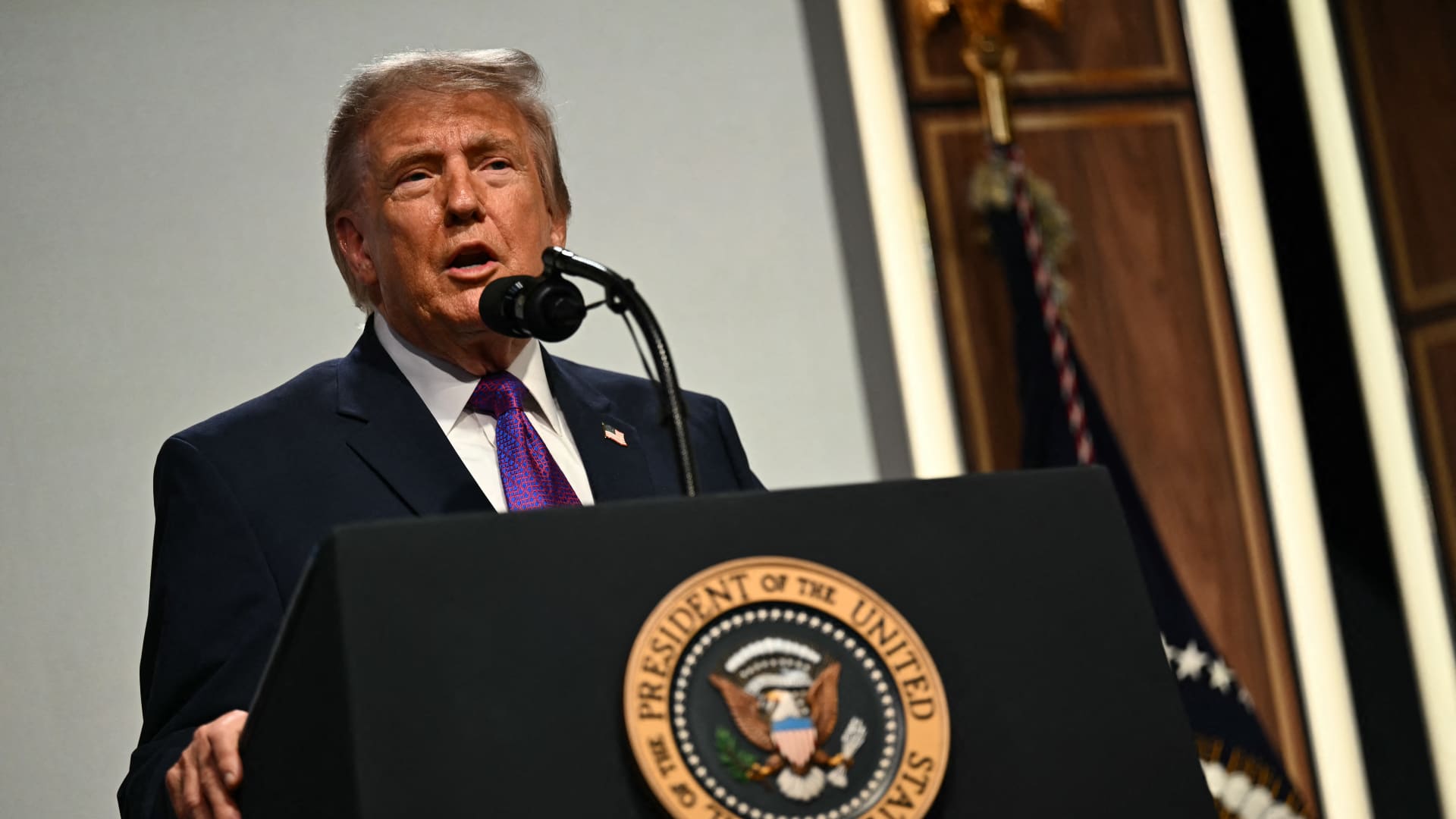
- Iran War Pressure: Trump has delayed military action against Iran at the request of Gulf nations, yet the Senate's advancing resolution against the war highlights increasing domestic opposition, particularly as soaring gas prices loom ahead of the summer driving season and midterm elections.
- Rising Treasury Yields: The yield on U.S. 30-year Treasuries has surged to its highest level since July 2007 at 5.197%, reflecting market concerns over rising inflation, which has pressured stocks, leading the S&P 500 to notch its third consecutive losing session.
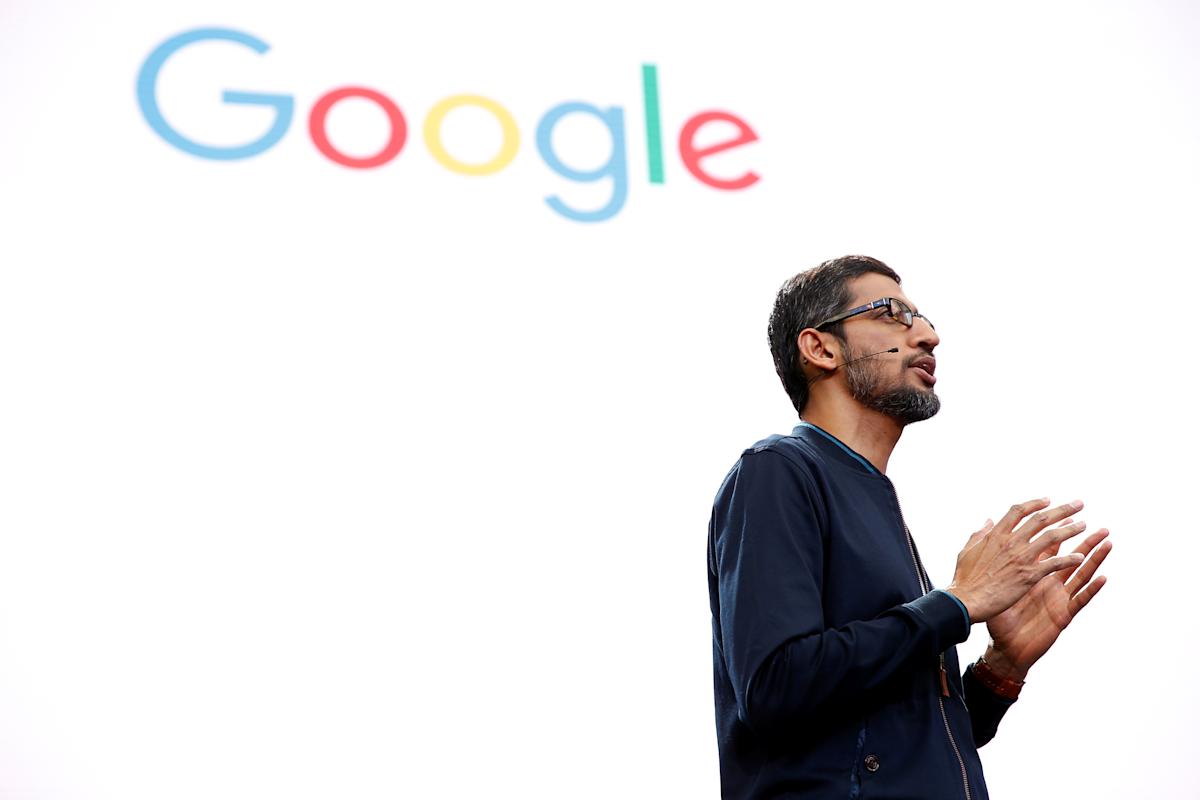
- Tech Sector Developments: Google unveiled Gemini 3.5 Flash, which CEO Sundar Pichai described as a lightweight addition to its AI suite that offers cutting-edge capabilities at half or even one-third the price of comparable models, indicating intensified competition in the AI sector.
- SpaceX IPO Plans: SpaceX has selected Goldman Sachs to lead what is expected to be a record IPO, with Elon Musk's reusable rocket company recently valued at $1.25 trillion, and the prospectus could be made public as soon as Wednesday, marking a significant advancement in its fundraising efforts.
North Asian Markets Outperform South Asia Amid Energy Resilience
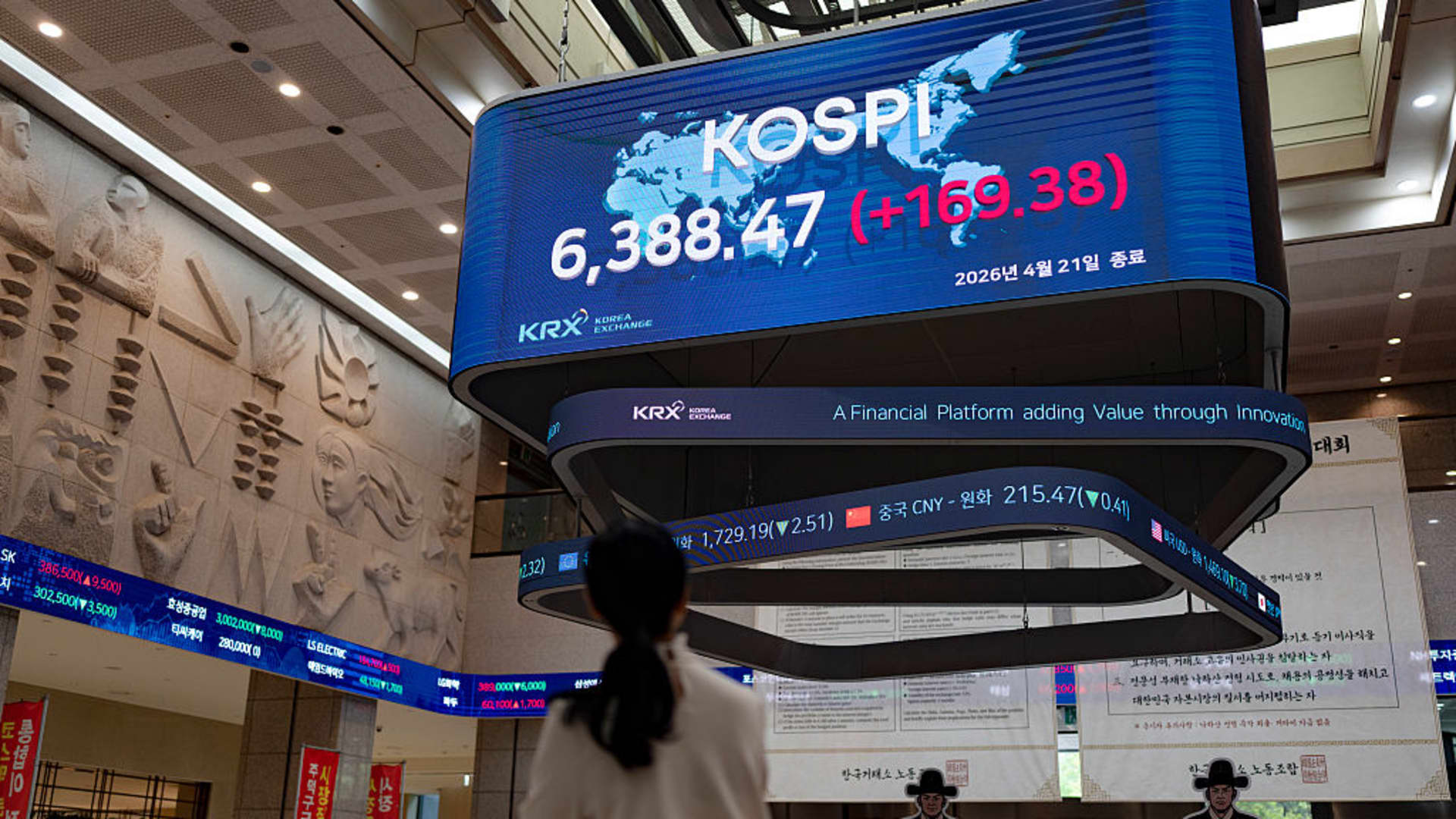
- Market Performance Divergence: Goldman Sachs strategist Tim Moe highlighted that North Asian markets, particularly South Korea and Taiwan, are outperforming due to stronger fiscal capabilities and resilience against energy shocks, with year-to-date gains exceeding 80% and 10%, respectively.
- Tech Stock Dominance: The North Asian markets are heavily weighted towards technology stocks, with Taiwan, South Korea, and Japan having tech stocks comprising 80%, 60%, and 30% of their indices, respectively, indicating a strong focus on AI developments and investment potential.
- Chinese Market Dynamics: Moe noted that A-shares in China have risen 10% year-to-date, significantly outperforming H-shares, reflecting policy support and economic recovery, particularly as the PPI has turned positive for two consecutive months, with the latest reading at 2.8%.
- Future Risk Warning: Moe cautioned that an energy supply shock could lead to market corrections in the summer months, and while the recent meeting between U.S. and Chinese leaders did not result in negative outcomes, the ongoing geopolitical tensions remain a concern.

SpaceX Selects Goldman Sachs to Lead IPO

- Lead Underwriter Chosen: SpaceX has selected Goldman Sachs to lead its initial public offering, followed by Morgan Stanley, Bank of America, Citigroup, and JPMorgan Chase, which will provide robust financial backing for the IPO.
- Record-Breaking Fundraising Expected: Following its merger with xAI, SpaceX's latest valuation stands at $1.25 trillion, indicating that the IPO is likely to attract record amounts of capital, further solidifying its market position.
- Prospectus to be Released Soon: SpaceX plans to publicly disclose its prospectus as early as Wednesday, which will provide investors with crucial insights into the company's financial health and future strategies, potentially generating significant market interest.
- Favorable Market Conditions: Amid a surge in AI-related IPOs, SpaceX's listing could mark it as the third tech company to exceed a $100 billion market cap on its first day of trading in the U.S., following Facebook and Alibaba, highlighting strong demand for tech stocks.
SpaceX Selects Goldman Sachs for Record IPO

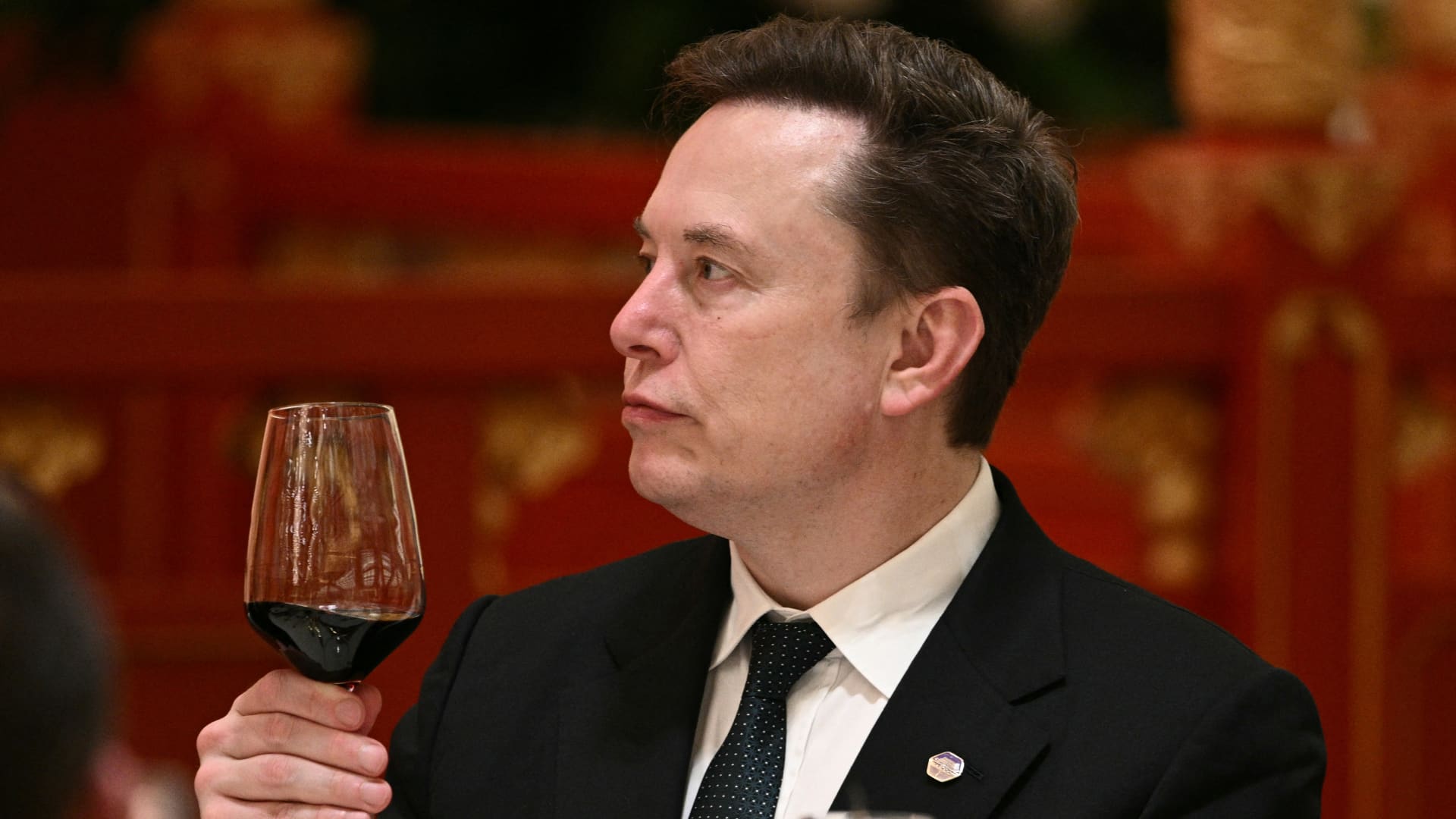
- IPO Outlook: SpaceX is set to publicly disclose its IPO prospectus, expected to be a record offering with a valuation of $1.25 trillion, reflecting strong market confidence in its future growth potential.
- Underwriting Team: Goldman Sachs has been chosen as the lead underwriter, followed by Morgan Stanley, Bank of America, Citigroup, and JPMorgan Chase, indicating robust market interest and trust in SpaceX.
- Market Competition: SpaceX aims to go public ahead of AI leaders OpenAI and Anthropic, each valued close to $1 trillion, demonstrating its desire to capitalize on the AI boom.
- Legal Challenges: Just before the IPO, Musk faced a legal defeat against OpenAI, yet he remains optimistic about SpaceX's IPO prospects and plans to appeal to protect his interests.

Market Volatility: Nasdaq Takes a Hit
- Rising Bond Yields: The 30-year Treasury bond yield surged to 5.19%, the highest since the 2008 financial crisis, increasing borrowing costs for corporations and negatively impacting growth-oriented tech stocks, particularly the Nasdaq index.
- Major Tech Stocks Decline: Alphabet and Amazon fell approximately 2% and 3% respectively, becoming significant drags on both the Nasdaq and S&P 500, illustrating that even trillion-dollar companies are vulnerable to market pressures.
- Slow Market Reaction: Despite Alphabet's announcement of a $5 billion joint venture with Blackstone to build AI cloud infrastructure, investor sentiment remained low due to high yields, failing to lift the stock price.
- Escalating Geopolitical Risks: Iran's warning of potentially opening new fronts against the U.S. and the reduction of U.S. Treasury holdings by countries like Japan and China, alongside a 2% rise in oil prices, further exacerbated market uncertainties.
Saudi AI Firm Humain Secures $5.33B Financing with Goldman Sachs
- Financing Plan: Saudi AI company Humain has engaged Goldman Sachs to advise on a financing package of at least 20 billion riyals (approximately $5.33 billion), indicating a strong commitment to investing in AI infrastructure.
- Data Center Development: Humain aims to establish data centers in Riyadh with a target capacity of 2 gigawatts, addressing the growing demand for AI capabilities and enhancing Saudi Arabia's competitiveness in the global AI landscape.
- Strategic Partnership: Last year, Humain announced a strategic partnership with Amazon Web Services to build the Kingdom's first AI Zone, further solidifying its pivotal role in the AI ecosystem and laying the groundwork for future technological innovations.
- Sovereign Fund Backing: Owned by the Saudi sovereign fund PIF, Humain is at the forefront of the country's AI transformation, reflecting the government's emphasis on the AI sector and its strategic importance in economic diversification.
Trump Faces Multiple Challenges and Opportunities Ahead of Midterms
- Iran War Pressure: Trump has delayed military action against Iran at the request of Gulf nations, yet the Senate's advancing resolution against the war highlights increasing domestic opposition, particularly as soaring gas prices loom ahead of the summer driving season and midterm elections.
- Rising Treasury Yields: The yield on U.S. 30-year Treasuries has surged to its highest level since July 2007 at 5.197%, reflecting market concerns over rising inflation, which has pressured stocks, leading the S&P 500 to notch its third consecutive losing session.
- Tech Sector Developments: Google unveiled Gemini 3.5 Flash, which CEO Sundar Pichai described as a lightweight addition to its AI suite that offers cutting-edge capabilities at half or even one-third the price of comparable models, indicating intensified competition in the AI sector.
- SpaceX IPO Plans: SpaceX has selected Goldman Sachs to lead what is expected to be a record IPO, with Elon Musk's reusable rocket company recently valued at $1.25 trillion, and the prospectus could be made public as soon as Wednesday, marking a significant advancement in its fundraising efforts.
North Asian Markets Outperform South Asia Amid Energy Resilience
- Market Performance Divergence: Goldman Sachs strategist Tim Moe highlighted that North Asian markets, particularly South Korea and Taiwan, are outperforming due to stronger fiscal capabilities and resilience against energy shocks, with year-to-date gains exceeding 80% and 10%, respectively.
- Tech Stock Dominance: The North Asian markets are heavily weighted towards technology stocks, with Taiwan, South Korea, and Japan having tech stocks comprising 80%, 60%, and 30% of their indices, respectively, indicating a strong focus on AI developments and investment potential.
- Chinese Market Dynamics: Moe noted that A-shares in China have risen 10% year-to-date, significantly outperforming H-shares, reflecting policy support and economic recovery, particularly as the PPI has turned positive for two consecutive months, with the latest reading at 2.8%.
- Future Risk Warning: Moe cautioned that an energy supply shock could lead to market corrections in the summer months, and while the recent meeting between U.S. and Chinese leaders did not result in negative outcomes, the ongoing geopolitical tensions remain a concern.
SpaceX Selects Goldman Sachs to Lead IPO
- Lead Underwriter Chosen: SpaceX has selected Goldman Sachs to lead its initial public offering, followed by Morgan Stanley, Bank of America, Citigroup, and JPMorgan Chase, which will provide robust financial backing for the IPO.
- Record-Breaking Fundraising Expected: Following its merger with xAI, SpaceX's latest valuation stands at $1.25 trillion, indicating that the IPO is likely to attract record amounts of capital, further solidifying its market position.
- Prospectus to be Released Soon: SpaceX plans to publicly disclose its prospectus as early as Wednesday, which will provide investors with crucial insights into the company's financial health and future strategies, potentially generating significant market interest.
- Favorable Market Conditions: Amid a surge in AI-related IPOs, SpaceX's listing could mark it as the third tech company to exceed a $100 billion market cap on its first day of trading in the U.S., following Facebook and Alibaba, highlighting strong demand for tech stocks.
SpaceX Selects Goldman Sachs for Record IPO
- IPO Outlook: SpaceX is set to publicly disclose its IPO prospectus, expected to be a record offering with a valuation of $1.25 trillion, reflecting strong market confidence in its future growth potential.
- Underwriting Team: Goldman Sachs has been chosen as the lead underwriter, followed by Morgan Stanley, Bank of America, Citigroup, and JPMorgan Chase, indicating robust market interest and trust in SpaceX.
- Market Competition: SpaceX aims to go public ahead of AI leaders OpenAI and Anthropic, each valued close to $1 trillion, demonstrating its desire to capitalize on the AI boom.
- Legal Challenges: Just before the IPO, Musk faced a legal defeat against OpenAI, yet he remains optimistic about SpaceX's IPO prospects and plans to appeal to protect his interests.
Market Volatility: Nasdaq Takes a Hit
- Rising Bond Yields: The 30-year Treasury bond yield surged to 5.19%, the highest since the 2008 financial crisis, increasing borrowing costs for corporations and negatively impacting growth-oriented tech stocks, particularly the Nasdaq index.
- Major Tech Stocks Decline: Alphabet and Amazon fell approximately 2% and 3% respectively, becoming significant drags on both the Nasdaq and S&P 500, illustrating that even trillion-dollar companies are vulnerable to market pressures.
- Slow Market Reaction: Despite Alphabet's announcement of a $5 billion joint venture with Blackstone to build AI cloud infrastructure, investor sentiment remained low due to high yields, failing to lift the stock price.
- Escalating Geopolitical Risks: Iran's warning of potentially opening new fronts against the U.S. and the reduction of U.S. Treasury holdings by countries like Japan and China, alongside a 2% rise in oil prices, further exacerbated market uncertainties.