GM Korea Reports February Sales Decline Amid Market Weakness
Written by Emily J. Thompson, Senior Investment Analyst
Updated: Mar 03 2026
0mins
Should l Buy GM?
Source: moomoo
General Motors Co's stock fell 3.52% as it hit a 20-day low amid broader market declines, with the Nasdaq-100 down 1.84% and the S&P 500 down 1.85%.
The decline in GM's stock is influenced by the recent report from GM Korea, which indicated a 7.6% year-over-year drop in vehicle sales for February, totaling 36,630 units. This disappointing sales figure reflects ongoing challenges in the automotive market, contributing to the stock's downward movement.
The implications of this sales decline may affect investor sentiment and raise concerns about GM's market position, especially in a competitive landscape where sales performance is critical for maintaining investor confidence.
Trade with 70% Backtested Accuracy
Stop guessing "Should I Buy GM?" and start using high-conviction signals backed by rigorous historical data.
Sign up today to access powerful investing tools and make smarter, data-driven decisions.
Analyst Views on GM
Wall Street analysts forecast GM stock price to rise
19 Analyst Rating
14 Buy
4 Hold
1 Sell
Moderate Buy
Current: 78.410

Low
57.00
Averages
95.06
High
122.00
Current: 78.410
Low
57.00
Averages
95.06
High
122.00
About GM
General Motors Company designs, builds and sells trucks, crossovers, cars and automobile parts and provides software-enabled services and subscriptions worldwide. The Company's segments include GMNA, GMI and GM Financial. Its GM North America (GMNA) and GM International (GMI) segment develop, manufacture and/or markets vehicles under the Buick, Cadillac, Chevrolet and GMC brands. The Company's GM Financial segment provides automotive financing and related services. The Company is also focused on investing in electric vehicles (EVs) and autonomous vehicles (Avs), software-enabled services and subscriptions and new business opportunities. The Company's portfolio includes OnStar, GM Energy, GM Insurance, GM Genuine Parts, and the GM Company Store. Its OnStar portfolio offers safety, connectivity and hands-free driver assistance technologies. Its GM Energy provides Home EV Charging, Public EV Charging, Vehicle-To-Home and Energy Storage services.
About the author

Emily J. Thompson
Emily J. Thompson, a Chartered Financial Analyst (CFA) with 12 years in investment research, graduated with honors from the Wharton School. Specializing in industrial and technology stocks, she provides in-depth analysis for Intellectia’s earnings and market brief reports.
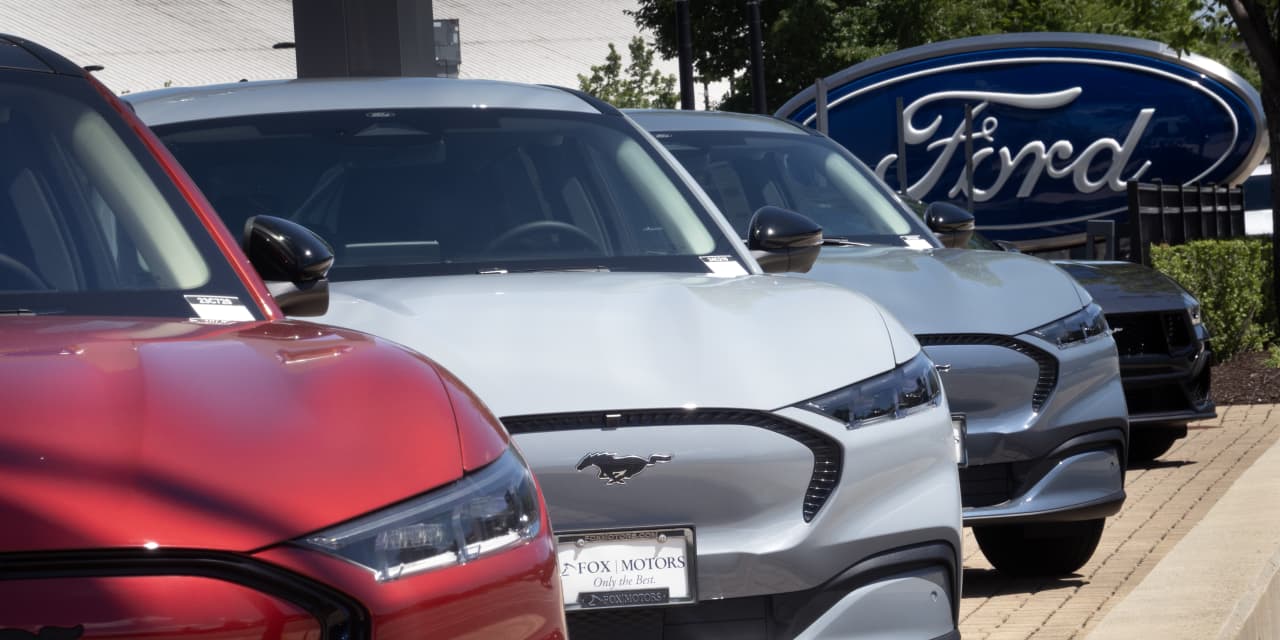
GM Agrees to Pay $12.75 Million to Settle California Investigation
- Settlement Amount: GM has agreed to pay $12.75 million to resolve a California investigation into allegations of illegally selling hundreds of thousands of Californians' location and driving data, which not only addresses consumer privacy concerns but may also impact the company's future data usage strategies.
- Legal Restrictions: The settlement includes restrictions on GM's use of consumer driving data and a ban on selling such data to data brokers, compelling the company to adopt a more cautious approach to data management, potentially affecting its competitive position in the market.
- Investigation Background: California Attorney General Rob Bonta stated that GM's actions represented a serious violation of consumer privacy rights, and this settlement serves not only as a punishment for illegal behavior but also reflects the increasing scrutiny by regulators on data privacy issues.
- Future Implications: The settlement agreement is subject to court approval, and if approved, it could have a profound impact on GM's brand image and consumer trust, while also prompting other automakers to reassess their data handling policies.
See More

U.S. Hybrid Vehicle Sales Surge 37% Amid Rising Gas Prices
- Hybrid Sales Surge: U.S. hybrid vehicle sales increased by 37% in the two months following the onset of the Iran war, significantly outpacing the overall car market's 15% growth, indicating a strong consumer shift towards fuel-efficient vehicles amid rising gas prices.
- Weak EV Demand: Despite gasoline prices topping $4 per gallon in late April, electric vehicle sales only rose by 11%, reflecting a lack of consumer interest and a significant drop compared to last year, largely due to the expiration of a $7,500 federal tax credit.
- Shifting Consumer Preferences: Data shows that hybrid vehicle searches on CarGurus rose from 12% to 14% in April, while EV searches increased from 3.4% to 5%, highlighting a growing consumer focus on economical hybrid options in a high fuel price environment.
- Toyota's Hybrid Advantage: Toyota's electrified sales in the U.S. grew by 34% in the two months since the conflict began, primarily driven by the popularity of hybrids, which reflects the company's strong market performance, with overall sales increasing by 23%.
See More

Labour Party Faces Heavy Losses in Local Elections


- Election Setbacks: The Labour Party is experiencing significant losses in local elections, losing key seats and facing pressure from right-wing parties like Reform UK, indicating a decline in voter confidence that could lead to leadership challenges.
- Rising Borrowing Costs: U.K. borrowing costs have reached their highest level since 1998 ahead of the elections, intensifying market pressures on political challenges and potentially impacting future economic policies and investment confidence.
- Calls for Leadership Change: There are growing calls within the Labour Party for a leadership change, with former Shadow Chancellor John McDonnell stating that leadership transition must be on the agenda, reflecting internal dissatisfaction and concerns about the party's future direction.
- International Tensions: The U.S. and Iran have exchanged fire in the Strait of Hormuz, with both sides blaming each other, which could complicate the upcoming meeting between Trump and Xi, further exacerbating global market uncertainties.
See More
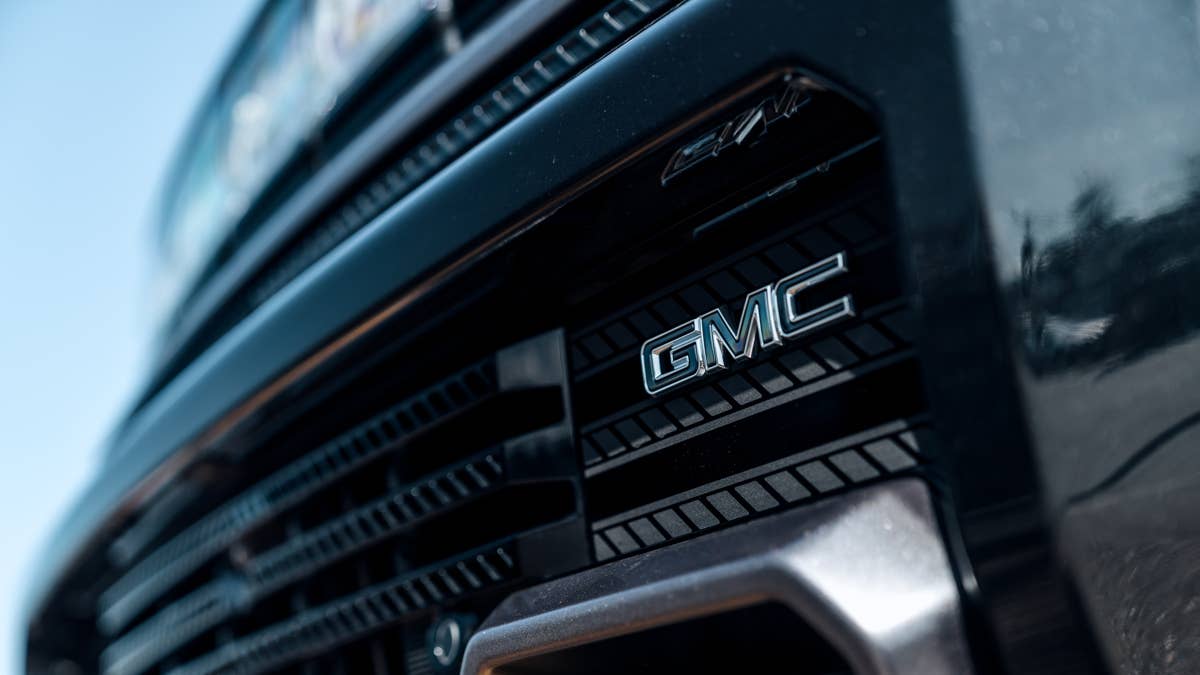
General Motors Recalls Over 40,000 Brake Fluid Containers
- Recall Scale: General Motors is recalling over 40,440 containers of ACDelco brake and clutch fluid due to visible sediment issues, which were produced between October 19 and December 28, 2022, indicating a defect that may compromise vehicle brake performance under Federal Motor Vehicle Safety Standards.
- Safety Risks: The NHTSA has highlighted that the sediment in this batch could lead to decreased brake performance, and while no customer advisory has been issued, consumers are reminded to regularly replace brake fluid to avoid potential systemic failures.
- Compensation Measures: This recall is reimbursement-only, with GM set to compensate dealers and direct purchasers, a response deemed appropriate for a single-lot equipment recall, despite being uncommon in NHTSA recalls.
- Historical Context: This marks the second recall related to brake fluid issues for GM in recent years, following a 2024 recall of over 449,000 trucks and SUVs due to a malfunctioning brake fluid warning light, underscoring ongoing concerns regarding the company's brake systems.
See More
General Motors Recalls Over 40,000 Vehicles
- Recall Scale: General Motors is recalling 40,440 vehicles in the U.S. due to sediment presence in brake fluid, which increases the risk of brake failure and potential crashes, thereby impacting consumer safety.
- Regulatory Oversight: The U.S. National Highway Traffic Safety Administration (NHTSA) announced the recall, highlighting the potential defect in the braking system, indicating the regulatory body's strong focus on automotive safety issues.
- Market Impact: This recall may negatively affect General Motors' brand image, as consumer concerns over safety could lead to a decline in sales, subsequently impacting the company's financial performance.
- Follow-up Actions: General Motors will need to implement measures to address the brake fluid issue and provide repair services to affected owners to restore consumer trust and ensure future safety.
See More

Iran and US Peace Talks Spark Market Optimism
- Peace Proposal Review: A spokesperson for Iran's foreign ministry announced that Iran is reviewing a U.S. peace proposal, indicating that both nations are nearing an agreement to end the war and address key issues, which could positively impact market sentiment.
- Oil Price Fluctuations: Reports of a potential agreement between the U.S. and Iran led to a sharp decline in crude oil prices on Wednesday, although prices have stabilized since, as traders continue to monitor developments in the Middle East closely.
- Global Stock Market Rally: Global stocks are experiencing a relief rally, with Japan's Nikkei 225 index reopening after a holiday and surpassing 62,000 for the first time, driven by a 16% surge in Softbank shares, reflecting strong investor confidence in tech stocks.
- Corporate Growth Challenges: Anthropic's CEO stated that the company faced an 80-fold increase in revenue and usage in Q1, which has made it difficult to keep up with demand, highlighting the intense market appetite for AI technology despite challenges in computing capacity.
See More
GM Agrees to Pay $12.75 Million to Settle California Investigation
- Settlement Amount: GM has agreed to pay $12.75 million to resolve a California investigation into allegations of illegally selling hundreds of thousands of Californians' location and driving data, which not only addresses consumer privacy concerns but may also impact the company's future data usage strategies.
- Legal Restrictions: The settlement includes restrictions on GM's use of consumer driving data and a ban on selling such data to data brokers, compelling the company to adopt a more cautious approach to data management, potentially affecting its competitive position in the market.
- Investigation Background: California Attorney General Rob Bonta stated that GM's actions represented a serious violation of consumer privacy rights, and this settlement serves not only as a punishment for illegal behavior but also reflects the increasing scrutiny by regulators on data privacy issues.
- Future Implications: The settlement agreement is subject to court approval, and if approved, it could have a profound impact on GM's brand image and consumer trust, while also prompting other automakers to reassess their data handling policies.
See More
U.S. Hybrid Vehicle Sales Surge 37% Amid Rising Gas Prices
- Hybrid Sales Surge: U.S. hybrid vehicle sales increased by 37% in the two months following the onset of the Iran war, significantly outpacing the overall car market's 15% growth, indicating a strong consumer shift towards fuel-efficient vehicles amid rising gas prices.
- Weak EV Demand: Despite gasoline prices topping $4 per gallon in late April, electric vehicle sales only rose by 11%, reflecting a lack of consumer interest and a significant drop compared to last year, largely due to the expiration of a $7,500 federal tax credit.
- Shifting Consumer Preferences: Data shows that hybrid vehicle searches on CarGurus rose from 12% to 14% in April, while EV searches increased from 3.4% to 5%, highlighting a growing consumer focus on economical hybrid options in a high fuel price environment.
- Toyota's Hybrid Advantage: Toyota's electrified sales in the U.S. grew by 34% in the two months since the conflict began, primarily driven by the popularity of hybrids, which reflects the company's strong market performance, with overall sales increasing by 23%.
See More
Labour Party Faces Heavy Losses in Local Elections
- Election Setbacks: The Labour Party is experiencing significant losses in local elections, losing key seats and facing pressure from right-wing parties like Reform UK, indicating a decline in voter confidence that could lead to leadership challenges.
- Rising Borrowing Costs: U.K. borrowing costs have reached their highest level since 1998 ahead of the elections, intensifying market pressures on political challenges and potentially impacting future economic policies and investment confidence.
- Calls for Leadership Change: There are growing calls within the Labour Party for a leadership change, with former Shadow Chancellor John McDonnell stating that leadership transition must be on the agenda, reflecting internal dissatisfaction and concerns about the party's future direction.
- International Tensions: The U.S. and Iran have exchanged fire in the Strait of Hormuz, with both sides blaming each other, which could complicate the upcoming meeting between Trump and Xi, further exacerbating global market uncertainties.
See More
General Motors Recalls Over 40,000 Brake Fluid Containers
- Recall Scale: General Motors is recalling over 40,440 containers of ACDelco brake and clutch fluid due to visible sediment issues, which were produced between October 19 and December 28, 2022, indicating a defect that may compromise vehicle brake performance under Federal Motor Vehicle Safety Standards.
- Safety Risks: The NHTSA has highlighted that the sediment in this batch could lead to decreased brake performance, and while no customer advisory has been issued, consumers are reminded to regularly replace brake fluid to avoid potential systemic failures.
- Compensation Measures: This recall is reimbursement-only, with GM set to compensate dealers and direct purchasers, a response deemed appropriate for a single-lot equipment recall, despite being uncommon in NHTSA recalls.
- Historical Context: This marks the second recall related to brake fluid issues for GM in recent years, following a 2024 recall of over 449,000 trucks and SUVs due to a malfunctioning brake fluid warning light, underscoring ongoing concerns regarding the company's brake systems.
See More
General Motors Recalls Over 40,000 Vehicles
- Recall Scale: General Motors is recalling 40,440 vehicles in the U.S. due to sediment presence in brake fluid, which increases the risk of brake failure and potential crashes, thereby impacting consumer safety.
- Regulatory Oversight: The U.S. National Highway Traffic Safety Administration (NHTSA) announced the recall, highlighting the potential defect in the braking system, indicating the regulatory body's strong focus on automotive safety issues.
- Market Impact: This recall may negatively affect General Motors' brand image, as consumer concerns over safety could lead to a decline in sales, subsequently impacting the company's financial performance.
- Follow-up Actions: General Motors will need to implement measures to address the brake fluid issue and provide repair services to affected owners to restore consumer trust and ensure future safety.
See More
Iran and US Peace Talks Spark Market Optimism
- Peace Proposal Review: A spokesperson for Iran's foreign ministry announced that Iran is reviewing a U.S. peace proposal, indicating that both nations are nearing an agreement to end the war and address key issues, which could positively impact market sentiment.
- Oil Price Fluctuations: Reports of a potential agreement between the U.S. and Iran led to a sharp decline in crude oil prices on Wednesday, although prices have stabilized since, as traders continue to monitor developments in the Middle East closely.
- Global Stock Market Rally: Global stocks are experiencing a relief rally, with Japan's Nikkei 225 index reopening after a holiday and surpassing 62,000 for the first time, driven by a 16% surge in Softbank shares, reflecting strong investor confidence in tech stocks.
- Corporate Growth Challenges: Anthropic's CEO stated that the company faced an 80-fold increase in revenue and usage in Q1, which has made it difficult to keep up with demand, highlighting the intense market appetite for AI technology despite challenges in computing capacity.
See More