GitLab Inc hits a 52-week low amid market context
Written by Emily J. Thompson, Senior Investment Analyst
Updated: Apr 07 2025
0mins
Source: Coinmarketcap
GitLab Inc's stock price fell by 3.06% today, hitting a 52-week low. This decline occurs in a mixed market environment, with the Nasdaq-100 down 0.57% and the S&P 500 slightly up by 0.02%.
The drop in GitLab's stock price is attributed to broad market weakness, as indicated by the Nasdaq-100's decline. This suggests a sector rotation, where investors are reallocating their investments away from GitLab and similar stocks, despite the overall mixed performance of the market.
Investors may need to consider the implications of this decline, particularly in light of GitLab's recent performance and the shifting market dynamics. The current low could present a buying opportunity if the company can demonstrate resilience in future earnings reports.
Trade with 70% Backtested Accuracy
Stop guessing "Should I Buy GTLB?" and start using high-conviction signals backed by rigorous historical data.
Sign up today to access powerful investing tools and make smarter, data-driven decisions.
Analyst Views on GTLB
Wall Street analysts forecast GTLB stock price to rise
24 Analyst Rating
13 Buy
10 Hold
1 Sell
Moderate Buy
Current: 26.730

Low
34.00
Averages
50.86
High
72.00
Current: 26.730
Low
34.00
Averages
50.86
High
72.00
About GTLB
GitLab Inc. provides DevSecOps Platform, is built on a single codebase, unified data model, and user interface. The Company offers customers flexible deployment options, including a self-managed offering, as well as multi-tenant and single-tenant (GitLab Dedicated) software-as-a-service (SaaS) solutions. It offers the DevSecOps Platform in three different subscription tiers, namely Free, Premium and Ultimate. The DevSecOps Platform enables its customers to move their DevOps workflow across any hybrid or multi-cloud environment. Its subscription plans are available as a self-managed offering that customers download to run in their own on-premises environment or hybrid cloud environments, and also a SaaS offering, which is offered as either multi-tenant or single-tenant (called GitLab Dedicated). The Company also provides related training and professional services. Its SaaS products provide access to hosted software as well as support.
About the author

Emily J. Thompson
Emily J. Thompson, a Chartered Financial Analyst (CFA) with 12 years in investment research, graduated with honors from the Wharton School. Specializing in industrial and technology stocks, she provides in-depth analysis for Intellectia’s earnings and market brief reports.
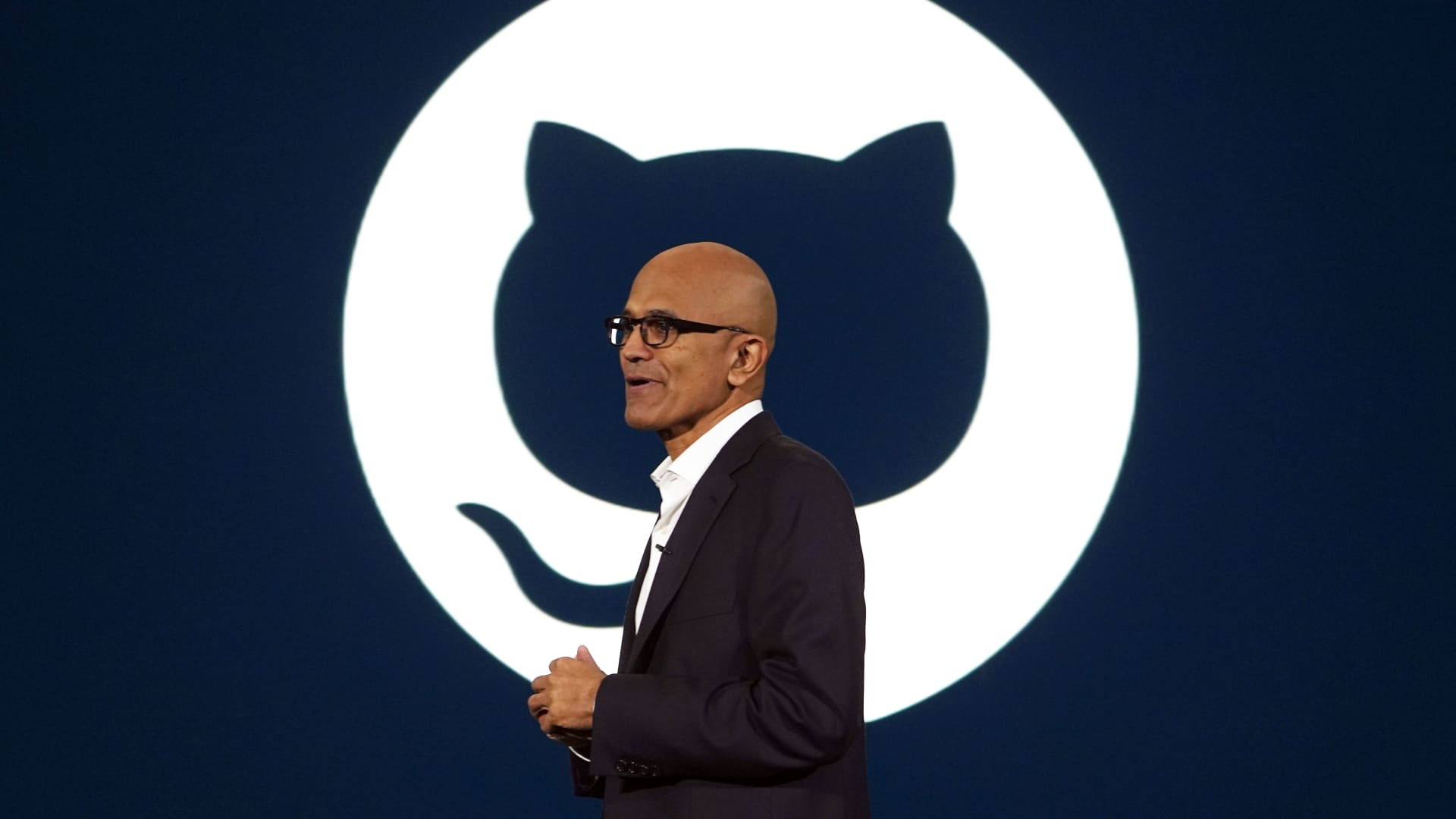
GitHub Faces Challenges as Microsoft's AI Strategy Struggles


- Reliability Issues: GitHub has faced over a dozen outages recently, affecting major companies like Cisco, which raises concerns about its reliability and could lead to customer attrition, negatively impacting Microsoft's market share.
- Frequent Executive Turnover: GitHub's former CEO Thomas Dohmke resigned in August last year, and the lack of a successor has created instability in leadership, potentially affecting the company's strategic direction and execution, increasing market concerns about its future.
- Rising Competition: With the popularity of new tools like Cursor and Claude Code, GitHub's market share is threatened, particularly in the AI-assisted coding space, where GitHub Copilot's user growth has been surpassed by competitors, challenging Microsoft's leadership in this critical market.
- Customer Attrition Risk: Due to declining service quality and rising prices, more enterprise customers are considering alternatives like GitLab and Atlassian, which could further shrink GitHub's revenue and user base, adversely affecting Microsoft's overall financial performance.
See More

GitHub Faces Multiple Challenges and Competition

- Infrastructure Failures: GitHub has faced multiple outages this year due to the soaring popularity of vibe coding, impacting large enterprises like Cisco and raising concerns about its reliability, which could negatively affect its market share.
- Migration Delays: The slow migration to Microsoft's Azure has limited GitHub's computing capacity; although there were plans to shift 50% of traffic to Azure by July, internal negotiations have delayed the enhancement of service capabilities.
- Intensifying Competition: With the rise of new tools like Cursor and Claude Code, GitHub Copilot's competitiveness in the AI coding market has diminished, and despite Nadella's claims of unprecedented growth, market share is being gradually eroded by competitors.
- Leadership Turmoil: Frequent changes in GitHub's executive team have led to strategic ambiguity, as the departure of former CEO Dohmke and the absence of new leadership hinder the company's ability to maintain a competitive edge in a rapidly evolving market.
See More

GitLab 19.0 Released with Enhanced Features for Developers

- Secrets Management Expansion: GitLab 19.0 introduces the Secrets Manager in public beta, which scopes credentials to individual jobs and governs access through the same controls used for code, significantly enhancing security and compliance.
- Merge Request Workflow Optimization: Developer Flow now manages the full lifecycle of merge requests, from reviewer feedback to conflict resolution and one-click rebase-and-merge, improving development efficiency and reducing handoffs between teams.
- CI Pipeline Visibility Enhancement: The new version enhances CI pipeline visibility, allowing development teams to monitor and manage the build process more clearly, thereby increasing project transparency and responsiveness.
- Support for Self-Hosted Open Source Model: GitLab 19.0 strengthens support for self-hosted open-source models, enabling enterprises to maintain full control over their development environments while ensuring flexibility, further driving adoption among enterprise users.
See More
GitLab 19.0 Launches with Enhanced Security and Visibility Features
- Secrets Management Beta: GitLab Secrets Manager has entered public beta, allowing credentials to be scoped to specific jobs while utilizing existing access controls and audit logging, thereby enhancing security and traceability for teams managing sensitive information within code and pipelines.
- Comprehensive Developer Flow: GitLab 19.0 extends the developer flow across the entire merge request lifecycle, introducing features like the 'Resolve with Duo' button and one-click rebase-and-merge, aimed at improving team efficiency in handling code reviews and conflict resolution, ultimately accelerating product delivery.
- Components Analytics Visibility: The new Components Analytics feature provides platform engineering teams with visibility into which CI/CD catalog components and versions are in use, ensuring teams can quickly access and act on data within a unified platform, thereby enhancing cross-team collaboration efficiency.
- Enhanced Supply Chain Security: With dependency scanning through a software bill of materials and security configuration profiles, GitLab 19.0 offers teams auditable control over third-party components, allowing Ultimate users to obtain security evidence for each build without additional tools, significantly improving software supply chain transparency.
See More

Slate Path Capital Fully Exits GitLab Holdings, Sells 5.97M Shares
- Complete Exit: Slate Path Capital LP reported to the SEC on May 15, 2026, that it sold its entire holding of 5,973,800 shares of GitLab, valued at approximately $174.48 million, indicating a complete exit from the company as its stake dropped from 3.0% of AUM to zero, reflecting a significant loss of investor confidence.
- Net Position Decline: The transaction resulted in a net position value decline of $224.20 million, highlighting the substantial impact of both share sales and price movements on the asset management scale, which may influence future investment decisions.
- GitLab Financial Performance: As of May 14, 2026, GitLab shares were priced at $22.60, down 57.7% over the past year, significantly underperforming the S&P 500 by 85 percentage points, indicating challenges in the company's competitive positioning in the market.
- Growth Opportunities: Despite achieving a 26% revenue increase to $955.22 million in fiscal 2026, GitLab's dollar-based net retention rate fell to 118%, suggesting pressure in driving deeper platform adoption, necessitating additional spending stimulation through the Duo Agent platform and usage-based GitLab Credits to enhance large account revenues.
See More

Slate Path Capital Fully Exits GitLab Holdings
- Complete Exit: Slate Path Capital LP sold all 5,973,800 shares of GitLab, with an estimated trade value of $174.48 million, indicating a significant loss of confidence in GitLab, reducing its stake from 3.0% to 0% of fund AUM.
- Asset Value Decline: The fund's quarter-end position value decreased by $224.20 million, reflecting not only trading activity but also price movements that negatively impacted its asset management, raising investor concerns about GitLab's future performance.
- Poor Market Performance: As of May 14, 2026, GitLab's share price was $22.60, down 57.7% over the past year, significantly underperforming the S&P 500 by 85 percentage points, indicating a lack of competitiveness that may hinder future fundraising efforts.
- Growth Potential Challenges: Although GitLab achieved a 26% revenue increase to $955.2 million in fiscal 2026, the dollar-based net retention rate fell to 118%, suggesting a slowdown in existing customer expansion, with future growth reliant on deeper platform adoption.
See More
GitHub Faces Challenges as Microsoft's AI Strategy Struggles
- Reliability Issues: GitHub has faced over a dozen outages recently, affecting major companies like Cisco, which raises concerns about its reliability and could lead to customer attrition, negatively impacting Microsoft's market share.
- Frequent Executive Turnover: GitHub's former CEO Thomas Dohmke resigned in August last year, and the lack of a successor has created instability in leadership, potentially affecting the company's strategic direction and execution, increasing market concerns about its future.
- Rising Competition: With the popularity of new tools like Cursor and Claude Code, GitHub's market share is threatened, particularly in the AI-assisted coding space, where GitHub Copilot's user growth has been surpassed by competitors, challenging Microsoft's leadership in this critical market.
- Customer Attrition Risk: Due to declining service quality and rising prices, more enterprise customers are considering alternatives like GitLab and Atlassian, which could further shrink GitHub's revenue and user base, adversely affecting Microsoft's overall financial performance.
See More
GitHub Faces Multiple Challenges and Competition
- Infrastructure Failures: GitHub has faced multiple outages this year due to the soaring popularity of vibe coding, impacting large enterprises like Cisco and raising concerns about its reliability, which could negatively affect its market share.
- Migration Delays: The slow migration to Microsoft's Azure has limited GitHub's computing capacity; although there were plans to shift 50% of traffic to Azure by July, internal negotiations have delayed the enhancement of service capabilities.
- Intensifying Competition: With the rise of new tools like Cursor and Claude Code, GitHub Copilot's competitiveness in the AI coding market has diminished, and despite Nadella's claims of unprecedented growth, market share is being gradually eroded by competitors.
- Leadership Turmoil: Frequent changes in GitHub's executive team have led to strategic ambiguity, as the departure of former CEO Dohmke and the absence of new leadership hinder the company's ability to maintain a competitive edge in a rapidly evolving market.
See More
GitLab 19.0 Released with Enhanced Features for Developers
- Secrets Management Expansion: GitLab 19.0 introduces the Secrets Manager in public beta, which scopes credentials to individual jobs and governs access through the same controls used for code, significantly enhancing security and compliance.
- Merge Request Workflow Optimization: Developer Flow now manages the full lifecycle of merge requests, from reviewer feedback to conflict resolution and one-click rebase-and-merge, improving development efficiency and reducing handoffs between teams.
- CI Pipeline Visibility Enhancement: The new version enhances CI pipeline visibility, allowing development teams to monitor and manage the build process more clearly, thereby increasing project transparency and responsiveness.
- Support for Self-Hosted Open Source Model: GitLab 19.0 strengthens support for self-hosted open-source models, enabling enterprises to maintain full control over their development environments while ensuring flexibility, further driving adoption among enterprise users.
See More
GitLab 19.0 Launches with Enhanced Security and Visibility Features
- Secrets Management Beta: GitLab Secrets Manager has entered public beta, allowing credentials to be scoped to specific jobs while utilizing existing access controls and audit logging, thereby enhancing security and traceability for teams managing sensitive information within code and pipelines.
- Comprehensive Developer Flow: GitLab 19.0 extends the developer flow across the entire merge request lifecycle, introducing features like the 'Resolve with Duo' button and one-click rebase-and-merge, aimed at improving team efficiency in handling code reviews and conflict resolution, ultimately accelerating product delivery.
- Components Analytics Visibility: The new Components Analytics feature provides platform engineering teams with visibility into which CI/CD catalog components and versions are in use, ensuring teams can quickly access and act on data within a unified platform, thereby enhancing cross-team collaboration efficiency.
- Enhanced Supply Chain Security: With dependency scanning through a software bill of materials and security configuration profiles, GitLab 19.0 offers teams auditable control over third-party components, allowing Ultimate users to obtain security evidence for each build without additional tools, significantly improving software supply chain transparency.
See More
Slate Path Capital Fully Exits GitLab Holdings, Sells 5.97M Shares
- Complete Exit: Slate Path Capital LP reported to the SEC on May 15, 2026, that it sold its entire holding of 5,973,800 shares of GitLab, valued at approximately $174.48 million, indicating a complete exit from the company as its stake dropped from 3.0% of AUM to zero, reflecting a significant loss of investor confidence.
- Net Position Decline: The transaction resulted in a net position value decline of $224.20 million, highlighting the substantial impact of both share sales and price movements on the asset management scale, which may influence future investment decisions.
- GitLab Financial Performance: As of May 14, 2026, GitLab shares were priced at $22.60, down 57.7% over the past year, significantly underperforming the S&P 500 by 85 percentage points, indicating challenges in the company's competitive positioning in the market.
- Growth Opportunities: Despite achieving a 26% revenue increase to $955.22 million in fiscal 2026, GitLab's dollar-based net retention rate fell to 118%, suggesting pressure in driving deeper platform adoption, necessitating additional spending stimulation through the Duo Agent platform and usage-based GitLab Credits to enhance large account revenues.
See More
Slate Path Capital Fully Exits GitLab Holdings
- Complete Exit: Slate Path Capital LP sold all 5,973,800 shares of GitLab, with an estimated trade value of $174.48 million, indicating a significant loss of confidence in GitLab, reducing its stake from 3.0% to 0% of fund AUM.
- Asset Value Decline: The fund's quarter-end position value decreased by $224.20 million, reflecting not only trading activity but also price movements that negatively impacted its asset management, raising investor concerns about GitLab's future performance.
- Poor Market Performance: As of May 14, 2026, GitLab's share price was $22.60, down 57.7% over the past year, significantly underperforming the S&P 500 by 85 percentage points, indicating a lack of competitiveness that may hinder future fundraising efforts.
- Growth Potential Challenges: Although GitLab achieved a 26% revenue increase to $955.2 million in fiscal 2026, the dollar-based net retention rate fell to 118%, suggesting a slowdown in existing customer expansion, with future growth reliant on deeper platform adoption.
See More