Ford's Stock Rises Amid Increased EV Demand Expectations
Written by Emily J. Thompson, Senior Investment Analyst
Updated: Jan 24 2025
0mins

Should l Buy F?
Source: Benzinga
Ford Motor Co's stock rose by 5.03% as it reached a 5-day high, reflecting positive market conditions.
The increase in inquiries for electric vehicles (EVs) amid the ongoing Iran war is expected to gradually boost demand for EVs, with analysts noting a significant rise in consumer interest. This shift towards EVs, driven by rising oil prices and energy security concerns, is likely to support Ford's market position in the mid-term, despite challenges such as regulatory disputes and supply chain issues.
The implications of this trend suggest that Ford may benefit from a growing consumer focus on electric vehicles, potentially offsetting some of the pressures from regulatory hurdles and supply constraints.
Trade with 70% Backtested Accuracy
Stop guessing "Should I Buy F?" and start using high-conviction signals backed by rigorous historical data.
Sign up today to access powerful investing tools and make smarter, data-driven decisions.
Analyst Views on F
Wall Street analysts forecast F stock price to rise
14 Analyst Rating
3 Buy
10 Hold
1 Sell
Hold
Current: 12.180

Low
11.00
Averages
13.65
High
16.00
Current: 12.180
Low
11.00
Averages
13.65
High
16.00
About F
Ford Motor Company is an automobile company. The Company develops and delivers Ford trucks, sport utility vehicles, commercial vans and cars, and Lincoln luxury vehicles, along with connected services. The Company’s segments include Ford Blue, Ford Model e, Ford Pro, and Ford Credit. The Ford Blue segment primarily includes the sale of Ford and Lincoln internal combustion engine (ICE) and hybrid vehicles, service parts, accessories, and digital services for retail customers. The Ford Model e segment primarily includes the sale of its electric vehicles, service parts, accessories, and digital services for retail customers. The Ford Pro segment primarily includes the sale of Ford and Lincoln vehicles, service parts, accessories, and services for commercial, government, and rental customers. The Ford Credit segment consists of the Ford Credit business on a consolidated basis, which is primarily vehicle-related financing and leasing activities. Its vehicle brands are Ford and Lincoln.
About the author

Emily J. Thompson
Emily J. Thompson, a Chartered Financial Analyst (CFA) with 12 years in investment research, graduated with honors from the Wharton School. Specializing in industrial and technology stocks, she provides in-depth analysis for Intellectia’s earnings and market brief reports.

Chinese Automakers Gain Ground in European Market
- Market Share Growth: Chinese automakers have doubled their European passenger car market share from 6% last year to 9.4%, indicating a significant foothold in a competitive market that could pressure traditional manufacturers like Ford.
- Electric Van Advantage: Chinese electric vans entering the European market will not face additional tariffs, providing a strategic opportunity for these manufacturers to penetrate a new segment and potentially accelerate the adoption of electric vehicles, challenging Ford's commercial vehicle business.
- Ford's Counter Strategy: Ford is set to launch the China-built Transit City compact van in Europe to directly counter the new Chinese entrants, priced at £29,000, making it more competitive compared to Ford's E-Transit Custom, which retails at £45,510.
- Future Competitive Pressure: While Chinese manufacturers face challenges in establishing charging infrastructure in Europe, the tightening emissions regulations and rising demand for electric vehicles could impact Ford's commercial vehicle division in the medium term, necessitating close monitoring of market developments.
See More

Ford CEO Warns Blue-Collar Worker Shortage Could Impact Household Budgets
- Labor Shortage Warning: Ford CEO Jim Farley warns that the shortage of blue-collar workers, including electricians and factory workers, is putting the economy in a precarious position, which could severely impact household budgets.
- Industry Impact Intensifies: A joint study by Deloitte and The Manufacturing Institute indicates that the industry may need to fill 3.8 million jobs by 2033, but with current labor shortages, nearly 2 million of those positions may remain unfilled, exacerbating cost increases and project delays across sectors.
- Rising Daily Living Costs: Homeowners are facing higher renovation and repair costs due to contractor labor shortages, with industry groups noting that the lack of skilled workers is contributing to rising construction costs and extended project timelines.
- Underinvestment in Vocational Training: Farley emphasizes that Ford is working to attract younger workers into skilled trades, partnering with Carhartt to provide free gear and investing in workforce development to address the long-standing issue of underinvestment in vocational careers.
See More
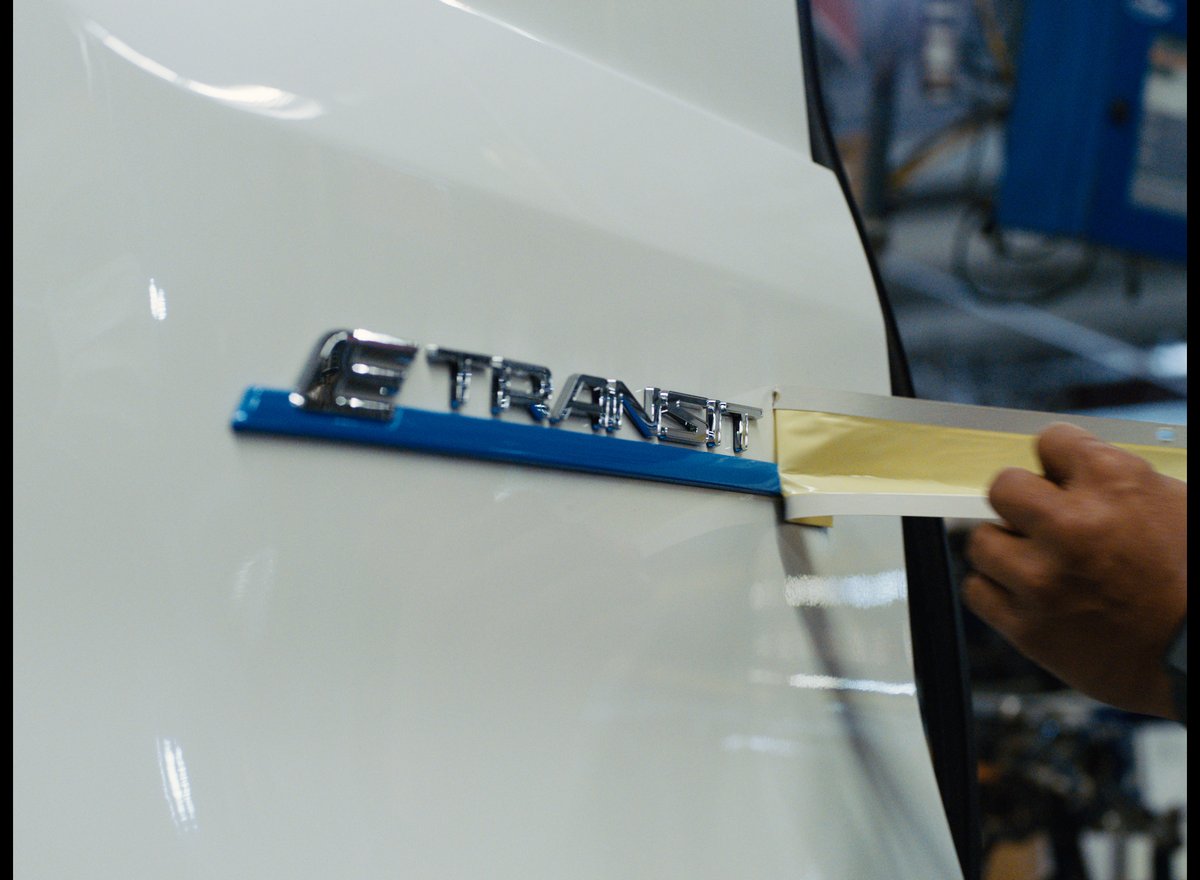
Chinese Automotive Surge Poses Challenges for Ford
- Market Share Growth: Chinese automakers have doubled their European passenger car market share from 6% last year to 9.4%, indicating rapid penetration that could pressure Ford's sales.
- Ford's Commercial Vehicle Success: Ford Pro is projected to generate $6.5 billion to $7.5 billion in EBIT by 2026, significantly outperforming Ford Blue's $4.5 billion to $5 billion, highlighting its strength in the commercial vehicle sector.
- Electric Van Competition: Ford is launching the China-built Transit City compact van in Europe to counter new Chinese electric vans, priced at £29,000 compared to £45,510 for the E-Transit Custom, making it a more attractive option.
- Regulatory Environment Impact: With tightening emissions regulations in Europe, the tariff-free advantage of Chinese electric vans is likely to accelerate the shift towards electrification, although Ford Pro is not expected to face immediate threats, competition will intensify.
See More
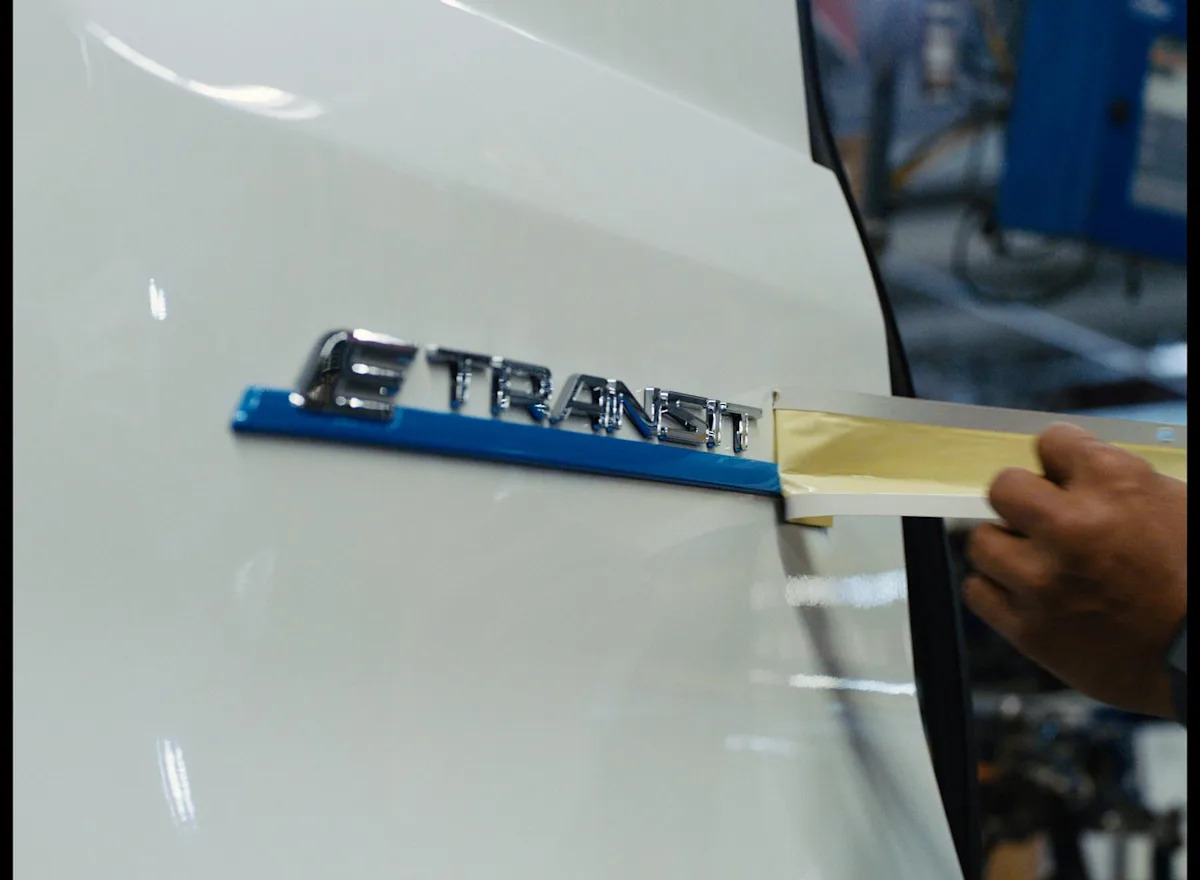
Chinese Automakers Target Ford's Commercial Vehicle Market
- Market Share Growth: Chinese automakers have doubled their European passenger car market share from 6% last year to 9.4%, indicating strong growth that could threaten Ford's market position.
- Ford Pro Performance: Ford Pro is projected to generate $6.5 billion to $7.5 billion in EBIT for 2026, significantly outperforming Ford Blue's $4.5 billion to $5 billion, highlighting its robust performance in the commercial vehicle sector.
- New Model Launch: Ford is set to launch the China-built Transit City compact van in Europe to directly counter new Chinese entrants, priced at £29,000, making it more competitive compared to the £45,510 E-Transit Custom.
- EV Market Pressure: The introduction of Chinese electric vans in Europe, driven by tightening emissions regulations and increasing demand for electric vehicles, will intensify competition, although the immediate impact on Ford Pro's profitability is expected to be limited, necessitating close monitoring of market developments.
See More
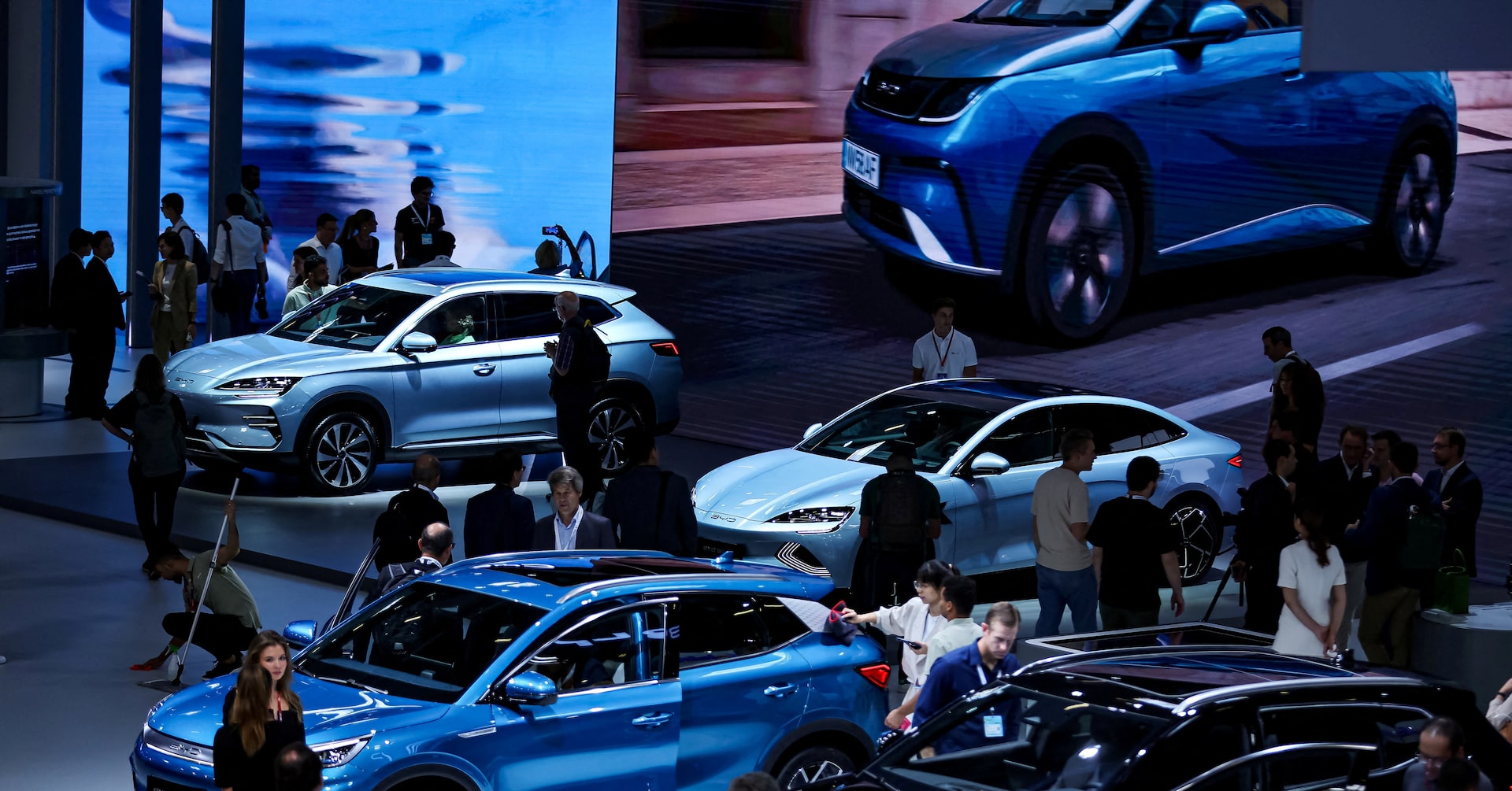
U.S. Hybrid Vehicle Sales Surge 37% Amid Rising Gas Prices

- Hybrid Sales Surge: U.S. hybrid vehicle sales increased by 37% in the two months following the onset of the Iran war, significantly outpacing the overall car market's 15% growth, indicating a strong consumer shift towards fuel-efficient vehicles amid rising gas prices.
- Weak EV Demand: Despite gasoline prices topping $4 per gallon in late April, electric vehicle sales only rose by 11%, reflecting a lack of consumer interest and a significant drop compared to last year, largely due to the expiration of a $7,500 federal tax credit.
- Shifting Consumer Preferences: Data shows that hybrid vehicle searches on CarGurus rose from 12% to 14% in April, while EV searches increased from 3.4% to 5%, highlighting a growing consumer focus on economical hybrid options in a high fuel price environment.
- Toyota's Hybrid Advantage: Toyota's electrified sales in the U.S. grew by 34% in the two months since the conflict began, primarily driven by the popularity of hybrids, which reflects the company's strong market performance, with overall sales increasing by 23%.
See More
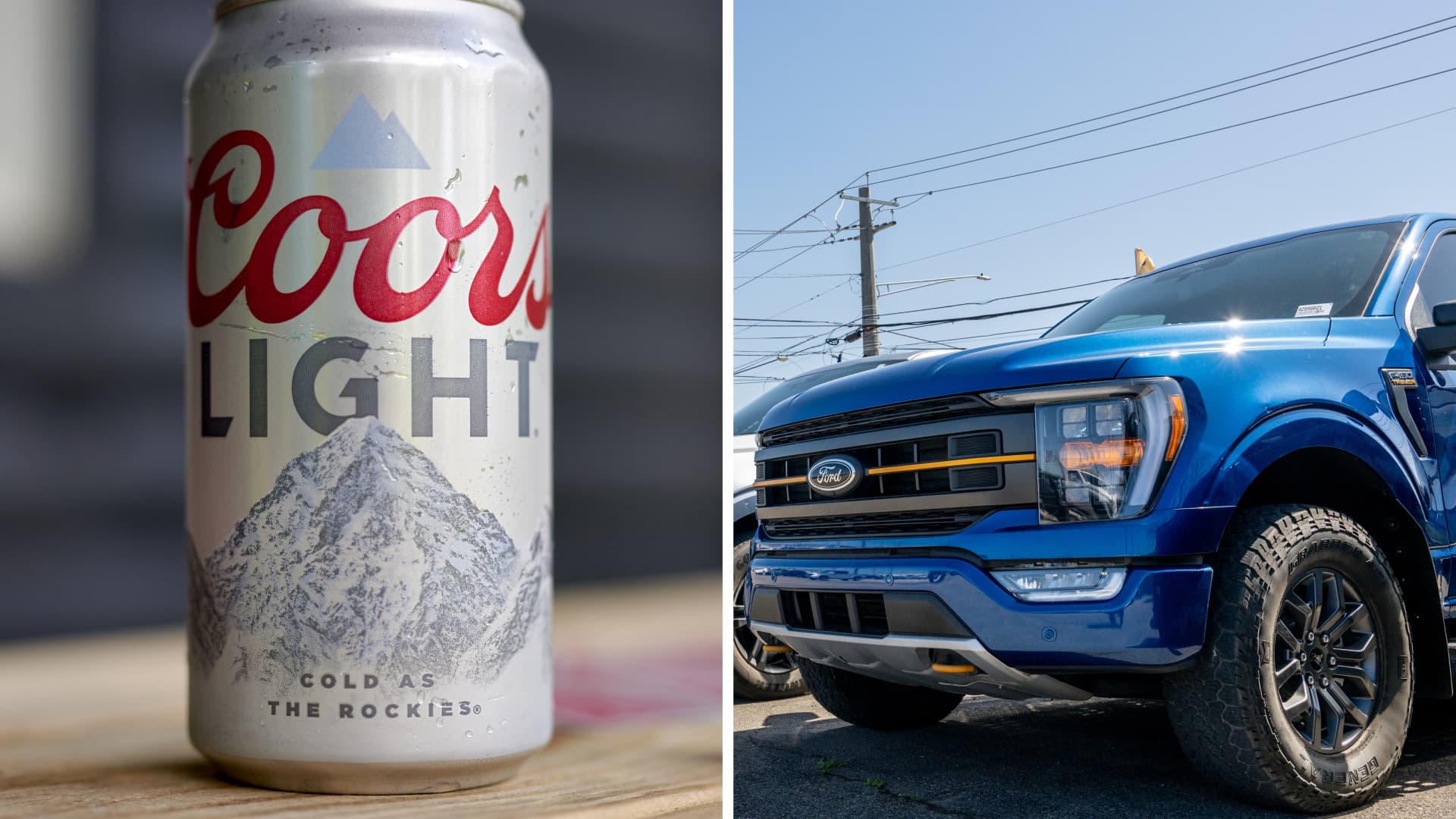
Surge in Aluminum Prices Significantly Impacts Business Costs

- Aluminum Price Surge: Since the U.S.-Israeli strikes on Iran on February 28, aluminum prices on the London Metal Exchange have surged over 13%, with a year-to-date increase of approximately 19% in 2026, creating cost pressures for manufacturers of cars and beer cans.
- Ford's Uncertain Outlook: Ford's CFO indicated that the surge in aluminum prices is leading the company to expect commodity cost pressures to exceed $2 billion, nearly double previous estimates, highlighting the impact of the Middle East situation on automotive manufacturing.
- Molson Coors Cost Increase: Molson Coors' CFO disclosed that rising aluminum prices added around $30 million to the cost of goods sold in the first quarter, with expectations of continued inflationary pressures in the current quarter.
- Bleak Market Outlook: UBS forecasts aluminum supply growth of only 0.3% in 2026, significantly down from a prior estimate of 2.4%, indicating ongoing impacts from the Middle East situation on the aluminum supply chain, with prices also driven by rising natural gas and coal costs.
See More
Chinese Automakers Gain Ground in European Market
- Market Share Growth: Chinese automakers have doubled their European passenger car market share from 6% last year to 9.4%, indicating a significant foothold in a competitive market that could pressure traditional manufacturers like Ford.
- Electric Van Advantage: Chinese electric vans entering the European market will not face additional tariffs, providing a strategic opportunity for these manufacturers to penetrate a new segment and potentially accelerate the adoption of electric vehicles, challenging Ford's commercial vehicle business.
- Ford's Counter Strategy: Ford is set to launch the China-built Transit City compact van in Europe to directly counter the new Chinese entrants, priced at £29,000, making it more competitive compared to Ford's E-Transit Custom, which retails at £45,510.
- Future Competitive Pressure: While Chinese manufacturers face challenges in establishing charging infrastructure in Europe, the tightening emissions regulations and rising demand for electric vehicles could impact Ford's commercial vehicle division in the medium term, necessitating close monitoring of market developments.
See More
Ford CEO Warns Blue-Collar Worker Shortage Could Impact Household Budgets
- Labor Shortage Warning: Ford CEO Jim Farley warns that the shortage of blue-collar workers, including electricians and factory workers, is putting the economy in a precarious position, which could severely impact household budgets.
- Industry Impact Intensifies: A joint study by Deloitte and The Manufacturing Institute indicates that the industry may need to fill 3.8 million jobs by 2033, but with current labor shortages, nearly 2 million of those positions may remain unfilled, exacerbating cost increases and project delays across sectors.
- Rising Daily Living Costs: Homeowners are facing higher renovation and repair costs due to contractor labor shortages, with industry groups noting that the lack of skilled workers is contributing to rising construction costs and extended project timelines.
- Underinvestment in Vocational Training: Farley emphasizes that Ford is working to attract younger workers into skilled trades, partnering with Carhartt to provide free gear and investing in workforce development to address the long-standing issue of underinvestment in vocational careers.
See More
Chinese Automotive Surge Poses Challenges for Ford
- Market Share Growth: Chinese automakers have doubled their European passenger car market share from 6% last year to 9.4%, indicating rapid penetration that could pressure Ford's sales.
- Ford's Commercial Vehicle Success: Ford Pro is projected to generate $6.5 billion to $7.5 billion in EBIT by 2026, significantly outperforming Ford Blue's $4.5 billion to $5 billion, highlighting its strength in the commercial vehicle sector.
- Electric Van Competition: Ford is launching the China-built Transit City compact van in Europe to counter new Chinese electric vans, priced at £29,000 compared to £45,510 for the E-Transit Custom, making it a more attractive option.
- Regulatory Environment Impact: With tightening emissions regulations in Europe, the tariff-free advantage of Chinese electric vans is likely to accelerate the shift towards electrification, although Ford Pro is not expected to face immediate threats, competition will intensify.
See More
Chinese Automakers Target Ford's Commercial Vehicle Market
- Market Share Growth: Chinese automakers have doubled their European passenger car market share from 6% last year to 9.4%, indicating strong growth that could threaten Ford's market position.
- Ford Pro Performance: Ford Pro is projected to generate $6.5 billion to $7.5 billion in EBIT for 2026, significantly outperforming Ford Blue's $4.5 billion to $5 billion, highlighting its robust performance in the commercial vehicle sector.
- New Model Launch: Ford is set to launch the China-built Transit City compact van in Europe to directly counter new Chinese entrants, priced at £29,000, making it more competitive compared to the £45,510 E-Transit Custom.
- EV Market Pressure: The introduction of Chinese electric vans in Europe, driven by tightening emissions regulations and increasing demand for electric vehicles, will intensify competition, although the immediate impact on Ford Pro's profitability is expected to be limited, necessitating close monitoring of market developments.
See More
U.S. Hybrid Vehicle Sales Surge 37% Amid Rising Gas Prices
- Hybrid Sales Surge: U.S. hybrid vehicle sales increased by 37% in the two months following the onset of the Iran war, significantly outpacing the overall car market's 15% growth, indicating a strong consumer shift towards fuel-efficient vehicles amid rising gas prices.
- Weak EV Demand: Despite gasoline prices topping $4 per gallon in late April, electric vehicle sales only rose by 11%, reflecting a lack of consumer interest and a significant drop compared to last year, largely due to the expiration of a $7,500 federal tax credit.
- Shifting Consumer Preferences: Data shows that hybrid vehicle searches on CarGurus rose from 12% to 14% in April, while EV searches increased from 3.4% to 5%, highlighting a growing consumer focus on economical hybrid options in a high fuel price environment.
- Toyota's Hybrid Advantage: Toyota's electrified sales in the U.S. grew by 34% in the two months since the conflict began, primarily driven by the popularity of hybrids, which reflects the company's strong market performance, with overall sales increasing by 23%.
See More
Surge in Aluminum Prices Significantly Impacts Business Costs
- Aluminum Price Surge: Since the U.S.-Israeli strikes on Iran on February 28, aluminum prices on the London Metal Exchange have surged over 13%, with a year-to-date increase of approximately 19% in 2026, creating cost pressures for manufacturers of cars and beer cans.
- Ford's Uncertain Outlook: Ford's CFO indicated that the surge in aluminum prices is leading the company to expect commodity cost pressures to exceed $2 billion, nearly double previous estimates, highlighting the impact of the Middle East situation on automotive manufacturing.
- Molson Coors Cost Increase: Molson Coors' CFO disclosed that rising aluminum prices added around $30 million to the cost of goods sold in the first quarter, with expectations of continued inflationary pressures in the current quarter.
- Bleak Market Outlook: UBS forecasts aluminum supply growth of only 0.3% in 2026, significantly down from a prior estimate of 2.4%, indicating ongoing impacts from the Middle East situation on the aluminum supply chain, with prices also driven by rising natural gas and coal costs.
See More