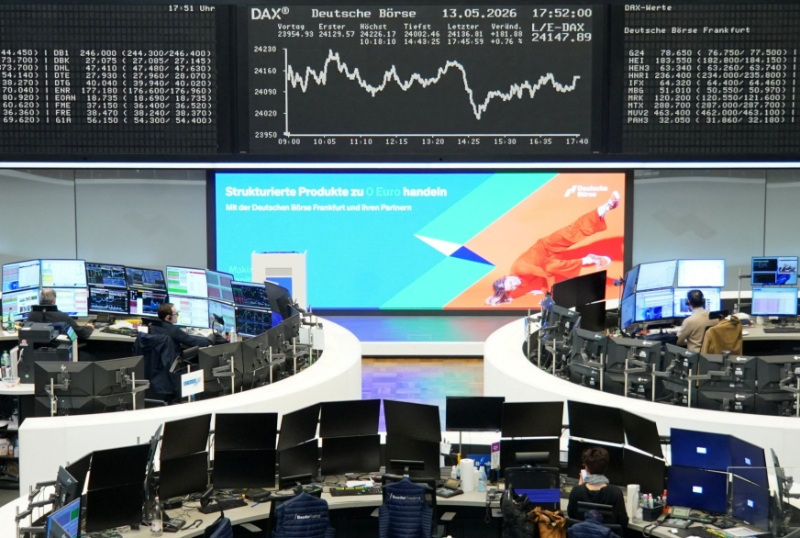
FedEx Appoints New COO, Signaling Strategic Shift
Written by Emily J. Thompson, Senior Investment Analyst
Updated: Apr 14 2026
0mins

Should l Buy FDX?
Source: Newsfilter
FedEx shares rose 3.00% and reached a 52-week high following the announcement of Scott Ray as the new Chief Operating Officer for U.S. and Canada Surface Operations, effective June 1.
The appointment of Scott Ray, who has extensive experience at FedEx, indicates a strategic shift in upper management aimed at enhancing operational efficiency and customer satisfaction. Ray's leadership will focus on executing initiatives like Network 2.0, which is expected to improve service delivery significantly.
This leadership change is likely to bolster investor confidence in FedEx's operational strategy, potentially leading to improved performance in the logistics sector.
Trade with 70% Backtested Accuracy
Stop guessing "Should I Buy FDX?" and start using high-conviction signals backed by rigorous historical data.
Sign up today to access powerful investing tools and make smarter, data-driven decisions.
Analyst Views on FDX
Wall Street analysts forecast FDX stock price to fall
20 Analyst Rating
13 Buy
6 Hold
1 Sell
Moderate Buy
Current: 379.980

Low
210.00
Averages
315.05
High
365.00
Current: 379.980
Low
210.00
Averages
315.05
High
365.00
About FDX
FedEx Corporation provides customers and businesses with a portfolio of transportation, e-commerce, and business services. The Company offers integrated business solutions utilizing its flexible and efficient global network. Its segments include Federal Express, FedEx Freight, and Corporate, other, and eliminations. Federal Express segment includes express transportation, small-package ground delivery, and freight transportation, and it also operates combined sales, marketing, administrative, and information-technology functions in shared service operations for United States customers. FedEx Freight segment includes FedEx Freight (LTL freight transportation) and FedEx Custom Critical (time-critical transportation). Corporate, other, and elimination segments include FedEx Dataworks, Inc. (FedEx Dataworks), FedEx Office and Print Services, Inc. (FedEx Office), and FedEx Logistics, Inc. (FedEx Logistics). FedEx Logistics offers customs brokerage, specialty transportation, and others.
About the author

Emily J. Thompson
Emily J. Thompson, a Chartered Financial Analyst (CFA) with 12 years in investment research, graduated with honors from the Wharton School. Specializing in industrial and technology stocks, she provides in-depth analysis for Intellectia’s earnings and market brief reports.

Cautious Hiring at Global Capability Centers in India Amid AI Rise

- Cautious Hiring: ANSR CEO Lalit Ahuja noted that companies are exhibiting caution in hiring due to geopolitical uncertainties and rapid AI advancements, with hiring numbers slashed by 30% to 50%.
- Scaled-Down Global Centers: Some firms that initially planned to establish global centers with over 5,000 employees have now reduced their targets to about 2,000 employees, indicating uncertainty about the future.
- Market Outlook in India: By the end of the fiscal year, India is expected to host nearly 2,200 global centers and a talent pool of 2.36 million, showcasing market potential despite subdued hiring activity.
- Flexible Workforce Model: Companies are building a core workforce alongside a flexible labor pool that can be adjusted based on business needs, reflecting fatigue with a
See More

U.S.-China Summit Sparks Market Optimism


- Strong Market Performance: U.S. stocks surged on the first day of the Trump-Xi summit, with the S&P 500 closing above 7,500 for the first time and the Dow Jones Industrial Average jumping 370 points back to 50,000, reflecting investor optimism about improved bilateral relations.
- Strategic Stability Agreement: Trump and Xi agreed to foster a 'constructive China-U.S. relationship of strategic stability', laying the groundwork for future trade and tech cooperation, which could enhance economic integration between the two nations.
- Major Commercial Deal: Trump announced that China will order 200 Boeing jets, seen as a significant win for the U.S. planemaker, which is expected to positively impact Boeing's performance and potentially boost the related supply chain.
- Tech Stocks Shine: AI chipmaker Cerebras saw its shares skyrocket 68% in its Nasdaq debut, reaching a market cap of $95 billion, highlighting the strong demand for high-growth AI companies and further driving up tech stock valuations.
See More

Major U.S. Indexes Rally, Cybersecurity Stocks Hit All-Time Highs


- Market Rally: Major U.S. indexes rebounded on Thursday, with the Dow reclaiming 50,000 points, driven by a significant U.S.-China meeting and a strong earnings report from Cisco Systems, indicating renewed investor confidence in economic recovery.
- Cybersecurity Stocks Surge: Cybersecurity stocks, including Palo Alto Networks and CrowdStrike, continued their upward trajectory on Thursday, reaching all-time highs, reflecting market trust in their ability to leverage advanced AI models to enhance product security.
- Consumer Stock Pullback Opportunity: With rising gas prices and inflation pressures, consumer stocks have struggled recently; however, Jim Cramer believes the recent pullback in TJX Companies presents a potential buying opportunity, as its value-focused model is likely to benefit from price-conscious shoppers.
- Rapid Fire Review: Stocks mentioned in Thursday's rapid-fire segment included Starbucks, FedEx, Solstice, and Wells Fargo, highlighting the market's interest in a diversified portfolio, with Jim Cramer's charitable trust holding multiple stocks, further boosting investor confidence.
See More
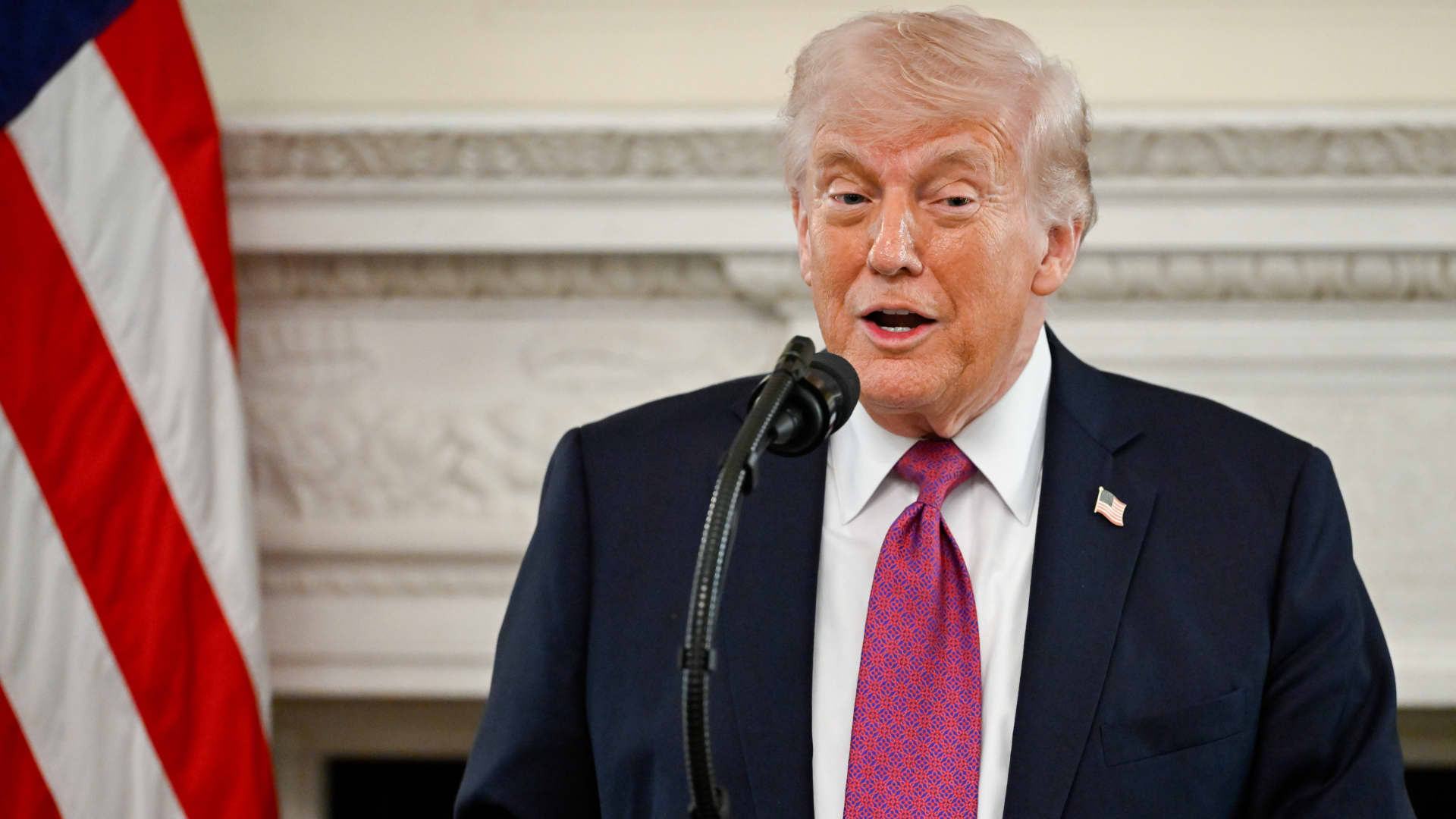
Trump's Visit to China Sparks Market Attention
- High-Level Meeting Context: President Trump arrived in Beijing on May 13, 2026, accompanied by top executives including Tesla's Elon Musk and Nvidia's Jensen Huang, aiming to engage in crucial discussions with President Xi Jinping on trade, technology, and regional security issues.
- Market Reaction: Asian markets showed mixed performance ahead of Trump's visit, while U.S. futures remained relatively unchanged; notably, the S&P 500 reached an all-time high on Wall Street, reflecting traders' enthusiasm for technology stocks despite pressures from the latest inflation report.
- Inflation Data Impact: U.S. wholesale inflation surged to 6% year-over-year in April, marking the highest increase since 2022, which intensifies pressure on Federal Reserve policy and complicates the economic backdrop for Trump's high-level diplomacy.
- Global Oil Flow Constraints: The closure of the Strait of Hormuz due to the Iran war has severely impacted global oil flows, with OPEC reporting a 30% reduction in supply since the conflict began, posing significant risks to demand growth this year.
See More
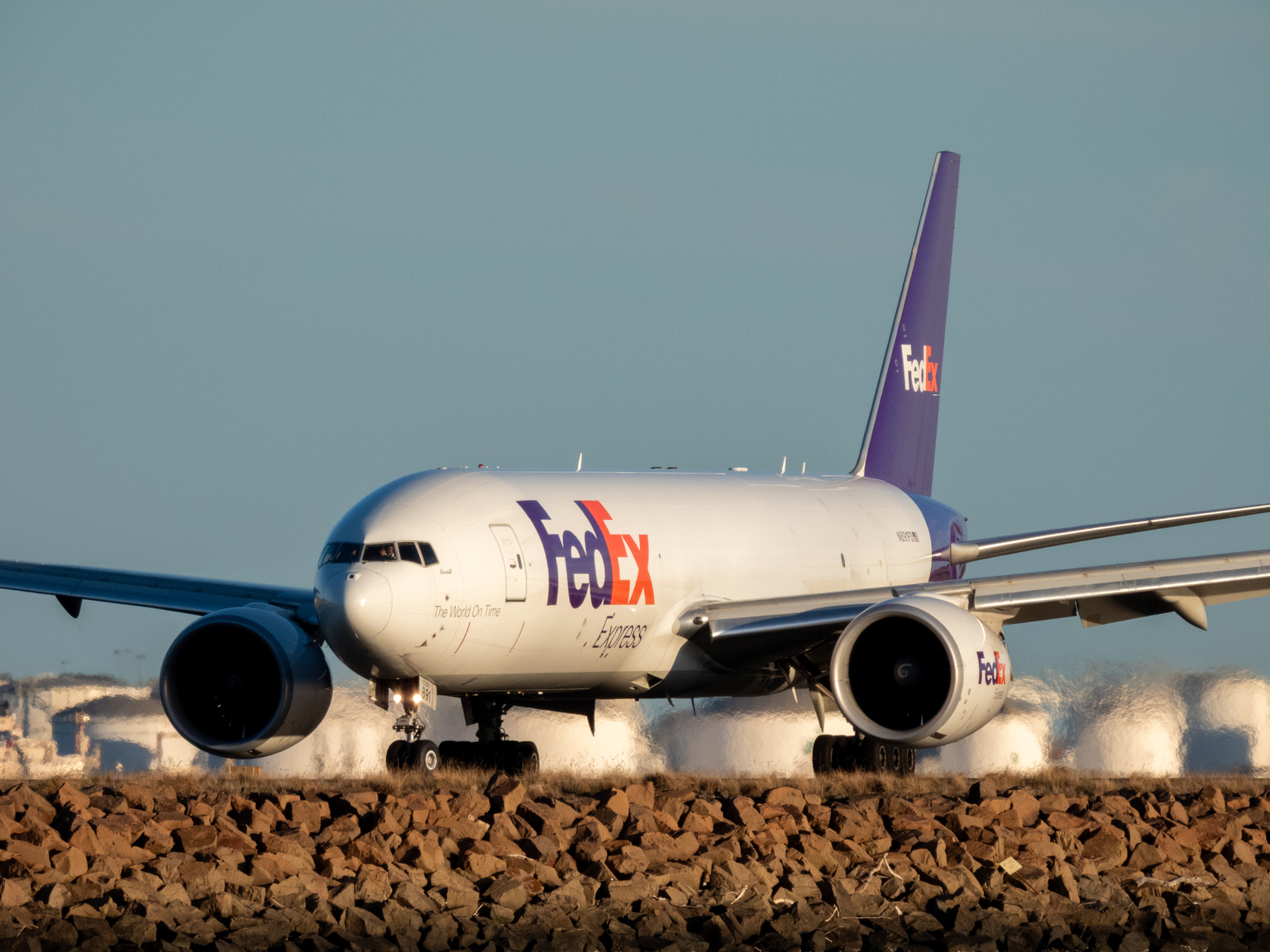
FedEx Announces Tax-Free Spin-Off of FedEx Freight
- Spin-Off Details: FedEx Corporation's board has approved a tax-free spin-off of FedEx Freight to be completed on June 1, where shareholders will receive one share of FedEx Freight (FDXF) for every two shares of FedEx (FDX) owned, aimed at enhancing shareholder value and optimizing business structure.
- Market Positioning and Scale: FedEx Freight will emerge as the largest less-than-truckload carrier in North America, operating approximately 355 service centers with around 30,000 vehicles and nearly 39,000 employees across the U.S., Canada, Mexico, Puerto Rico, and the U.S. Virgin Islands, which is expected to strengthen its competitive edge in the market.
- Mid-Term Financial Targets: The management has set mid-term targets for FedEx Freight, including a revenue CAGR of 4% to 6% and an adjusted operating income CAGR of 10% to 12%, with an anticipated free cash flow exceeding $1 billion, indicating robust growth potential.
- Analyst Perspectives: Analysts generally view FedEx Freight's long-term value generation potential positively, anticipating optimization of pricing and margin expansion over the next 12 months, particularly supported by contract renewals, reflecting an optimistic market outlook for its future.
See More

FedEx to Spin Off Freight Unit to Shareholders
- Spin-Off Announcement: FedEx has announced its plan to spin off its freight unit, intending to allocate one share of the new company for every two shares held by shareholders, aiming to enhance shareholder value and optimize corporate structure.
- Shareholder Return Mechanism: This spin-off will provide shareholders with additional shares, which is expected to boost confidence in the company while also providing financial support for future growth, further driving the company's market performance.
- Strategic Restructuring Intent: The spin-off is not only aimed at focusing on core parcel delivery operations but may also provide FedEx with more flexible capital allocation, helping it maintain a competitive edge in a fiercely competitive market.
- Market Reaction Expectations: Analysts generally believe that this spin-off will help improve FedEx's stock performance, with expectations of attracting more investor attention and further enhancing the company's market competitiveness.
See More
Cautious Hiring at Global Capability Centers in India Amid AI Rise
- Cautious Hiring: ANSR CEO Lalit Ahuja noted that companies are exhibiting caution in hiring due to geopolitical uncertainties and rapid AI advancements, with hiring numbers slashed by 30% to 50%.
- Scaled-Down Global Centers: Some firms that initially planned to establish global centers with over 5,000 employees have now reduced their targets to about 2,000 employees, indicating uncertainty about the future.
- Market Outlook in India: By the end of the fiscal year, India is expected to host nearly 2,200 global centers and a talent pool of 2.36 million, showcasing market potential despite subdued hiring activity.
- Flexible Workforce Model: Companies are building a core workforce alongside a flexible labor pool that can be adjusted based on business needs, reflecting fatigue with a
See More
U.S.-China Summit Sparks Market Optimism
- Strong Market Performance: U.S. stocks surged on the first day of the Trump-Xi summit, with the S&P 500 closing above 7,500 for the first time and the Dow Jones Industrial Average jumping 370 points back to 50,000, reflecting investor optimism about improved bilateral relations.
- Strategic Stability Agreement: Trump and Xi agreed to foster a 'constructive China-U.S. relationship of strategic stability', laying the groundwork for future trade and tech cooperation, which could enhance economic integration between the two nations.
- Major Commercial Deal: Trump announced that China will order 200 Boeing jets, seen as a significant win for the U.S. planemaker, which is expected to positively impact Boeing's performance and potentially boost the related supply chain.
- Tech Stocks Shine: AI chipmaker Cerebras saw its shares skyrocket 68% in its Nasdaq debut, reaching a market cap of $95 billion, highlighting the strong demand for high-growth AI companies and further driving up tech stock valuations.
See More
Major U.S. Indexes Rally, Cybersecurity Stocks Hit All-Time Highs
- Market Rally: Major U.S. indexes rebounded on Thursday, with the Dow reclaiming 50,000 points, driven by a significant U.S.-China meeting and a strong earnings report from Cisco Systems, indicating renewed investor confidence in economic recovery.
- Cybersecurity Stocks Surge: Cybersecurity stocks, including Palo Alto Networks and CrowdStrike, continued their upward trajectory on Thursday, reaching all-time highs, reflecting market trust in their ability to leverage advanced AI models to enhance product security.
- Consumer Stock Pullback Opportunity: With rising gas prices and inflation pressures, consumer stocks have struggled recently; however, Jim Cramer believes the recent pullback in TJX Companies presents a potential buying opportunity, as its value-focused model is likely to benefit from price-conscious shoppers.
- Rapid Fire Review: Stocks mentioned in Thursday's rapid-fire segment included Starbucks, FedEx, Solstice, and Wells Fargo, highlighting the market's interest in a diversified portfolio, with Jim Cramer's charitable trust holding multiple stocks, further boosting investor confidence.
See More
Trump's Visit to China Sparks Market Attention
- High-Level Meeting Context: President Trump arrived in Beijing on May 13, 2026, accompanied by top executives including Tesla's Elon Musk and Nvidia's Jensen Huang, aiming to engage in crucial discussions with President Xi Jinping on trade, technology, and regional security issues.
- Market Reaction: Asian markets showed mixed performance ahead of Trump's visit, while U.S. futures remained relatively unchanged; notably, the S&P 500 reached an all-time high on Wall Street, reflecting traders' enthusiasm for technology stocks despite pressures from the latest inflation report.
- Inflation Data Impact: U.S. wholesale inflation surged to 6% year-over-year in April, marking the highest increase since 2022, which intensifies pressure on Federal Reserve policy and complicates the economic backdrop for Trump's high-level diplomacy.
- Global Oil Flow Constraints: The closure of the Strait of Hormuz due to the Iran war has severely impacted global oil flows, with OPEC reporting a 30% reduction in supply since the conflict began, posing significant risks to demand growth this year.
See More
FedEx Announces Tax-Free Spin-Off of FedEx Freight
- Spin-Off Details: FedEx Corporation's board has approved a tax-free spin-off of FedEx Freight to be completed on June 1, where shareholders will receive one share of FedEx Freight (FDXF) for every two shares of FedEx (FDX) owned, aimed at enhancing shareholder value and optimizing business structure.
- Market Positioning and Scale: FedEx Freight will emerge as the largest less-than-truckload carrier in North America, operating approximately 355 service centers with around 30,000 vehicles and nearly 39,000 employees across the U.S., Canada, Mexico, Puerto Rico, and the U.S. Virgin Islands, which is expected to strengthen its competitive edge in the market.
- Mid-Term Financial Targets: The management has set mid-term targets for FedEx Freight, including a revenue CAGR of 4% to 6% and an adjusted operating income CAGR of 10% to 12%, with an anticipated free cash flow exceeding $1 billion, indicating robust growth potential.
- Analyst Perspectives: Analysts generally view FedEx Freight's long-term value generation potential positively, anticipating optimization of pricing and margin expansion over the next 12 months, particularly supported by contract renewals, reflecting an optimistic market outlook for its future.
See More
FedEx to Spin Off Freight Unit to Shareholders
- Spin-Off Announcement: FedEx has announced its plan to spin off its freight unit, intending to allocate one share of the new company for every two shares held by shareholders, aiming to enhance shareholder value and optimize corporate structure.
- Shareholder Return Mechanism: This spin-off will provide shareholders with additional shares, which is expected to boost confidence in the company while also providing financial support for future growth, further driving the company's market performance.
- Strategic Restructuring Intent: The spin-off is not only aimed at focusing on core parcel delivery operations but may also provide FedEx with more flexible capital allocation, helping it maintain a competitive edge in a fiercely competitive market.
- Market Reaction Expectations: Analysts generally believe that this spin-off will help improve FedEx's stock performance, with expectations of attracting more investor attention and further enhancing the company's market competitiveness.
See More