Equinor ASA Announces New Licenses, Boosting Exploration Potential
Equinor ASA's stock rose 3.02% and reached a 20-day high amid a challenging market, with the Nasdaq-100 down 1.66% and the S&P 500 down 0.96%.
The company secured 35 new production licenses in Norway, enhancing its exploration capabilities significantly. This includes 21 licenses in the North Sea, 10 in the Norwegian Sea, and 4 in the Barents Sea. Equinor plans to drill between 20 and 30 exploration wells annually, aiming to advance six to eight subsea developments each year through 2035. This strategic move is crucial for maintaining production levels and ensuring stable energy deliveries to Europe, especially as existing production is expected to decline in the coming years.
The acquisition of these licenses positions Equinor favorably for future growth, reinforcing its role as a leading energy supplier in Europe. The company's proactive approach to securing new resources is essential for meeting its long-term production goals and mitigating anticipated declines in output.
Trade with 70% Backtested Accuracy
Analyst Views on EQNR

About EQNR
About the author

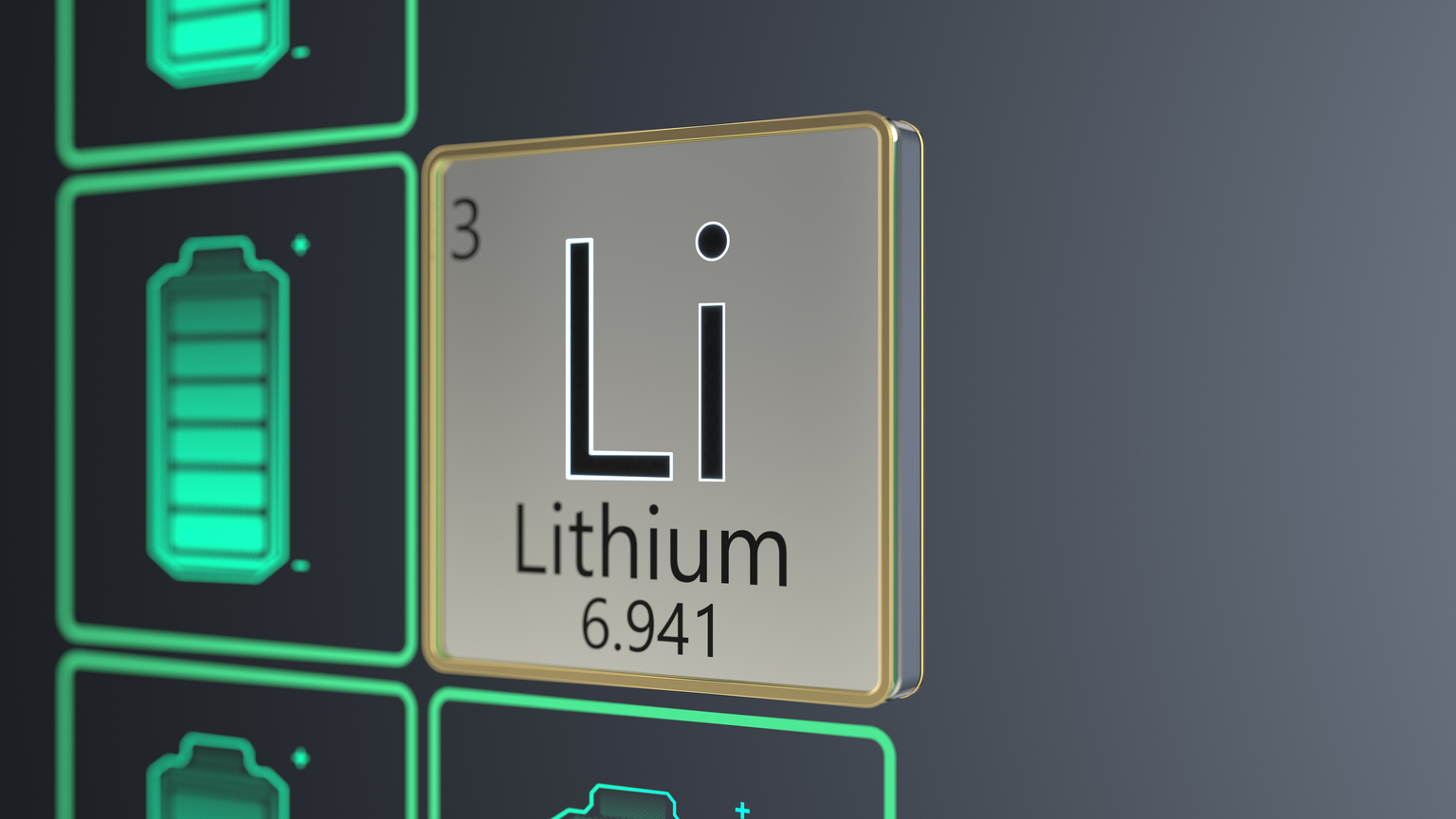
Standard Lithium and Equinor Sign First Lithium Carbonate Offtake Agreement

- First Sales Agreement: Standard Lithium's Smackover Lithium joint venture with Equinor has signed its first commercial offtake agreement with global commodities trader Trafigura, committing to supply 8,000 metric tons per year of battery-quality lithium carbonate for 10 years, marking the start of commercial production.
- Capacity Goals: The joint venture aims to finalize customer offtake agreements for approximately 80% of the 22,500 tons per year lithium carbonate capacity for the SWA project's first phase, representing over 40% of targeted offtake commitments, indicating strong market demand.
- Investment Decision Timeline: The Smackover Lithium joint venture expects to reach a final investment decision in 2026, with first production anticipated in 2028, providing a clear timeline for investors regarding project progress.
- Market Outlook: As global demand for battery-grade lithium continues to rise, the success of this joint venture will help meet market needs while establishing a solid foundation for Standard Lithium and Equinor's long-term strategic positioning in the lithium battery market.
U.S. Monitoring Russian-Iranian Military Information Exchange

- Intelligence Sharing Concerns: Defense Secretary Hegseth stated that the Trump administration is monitoring reports of Russia providing Iran with information about U.S. military positioning in the Middle East, emphasizing that the U.S. can counter such actions to ensure national security.
- Escalation Expectations: Market data indicates traders expect the conflict to persist, with a 26% probability of a ceasefire by March 15 and 46% by March 31, reflecting concerns over ongoing tensions in the region.
- U.S. Personnel Safety: Hegseth reiterated that the primary focus is on putting adversaries in danger, asserting that there are no concerns for U.S. military personnel, while suggesting that Iranians should be the ones worried about their safety.
- Strait of Hormuz Risks: A market contract indicates a 43% chance of the Strait of Hormuz closing before the end of the month, a critical waterway for approximately 20% of global oil shipments, where any closure would significantly impact the global energy market.

BARCLAYS: BRENT MAY REACH $120 PER BARREL


- Barclays Update: Barclays has indicated a potential test price of $120 for Brent crude oil.
- Market Implications: This price point could have significant implications for the oil market and related investments.

Newfoundland and Labrador Signs Oil Project Agreement with Equinor and BP
- Framework Agreement: The provincial government of Newfoundland and Labrador has signed a framework agreement with Equinor and BP to advance the construction of the C$14 billion Bay du Nord offshore oil project, marking a significant step forward for the long-delayed initiative.
- Revenue Expectations: The agreement allows the province to take up to a 10% equity stake in the project, with projections indicating that the first phase could generate up to C$6.4 billion in direct revenue for the province, significantly enhancing its fiscal capacity.
- Investment and Job Creation: The Bay du Nord project is expected to require an investment of approximately C$14 billion, creating thousands of jobs and delivering tens of billions in royalties and taxes over its lifespan, thereby driving local economic growth.
- Future Development Plans: A final investment decision is scheduled for next year, with first oil production planned for 2031, making it the province's first new standalone offshore oil and gas development since Hebron, underscoring its strategic importance.

Ocean Winds Signs Lease for Celtic Sea Wind Project
- Project Scale: Ocean Winds has signed a lease with the Crown Estate to develop a 1.5GW floating offshore wind farm in the Celtic Sea, marking a significant expansion in the UK offshore wind sector and aiming to power over four million homes.
- Economic Impact: The project is expected to create over 5,000 jobs and contribute up to £1.4 billion ($1.8 billion) to the UK economy, highlighting the importance of floating wind energy in driving local economic development.
- Development Steps: Ocean Winds will undertake project design development, conduct site surveys, and perform environmental impact assessments while engaging with the public to secure planning consents, ensuring the project aligns with sustainability goals.
- Social Responsibility: The project commits to having at least 3.5% of new workers as apprentices and at least 10% of workers aged 19-24 at project commencement not in education, employment, or training, reflecting the company's dedication to social responsibility.
Equinor Hits Two-Year High After Oil Discovery Near Snorre Field
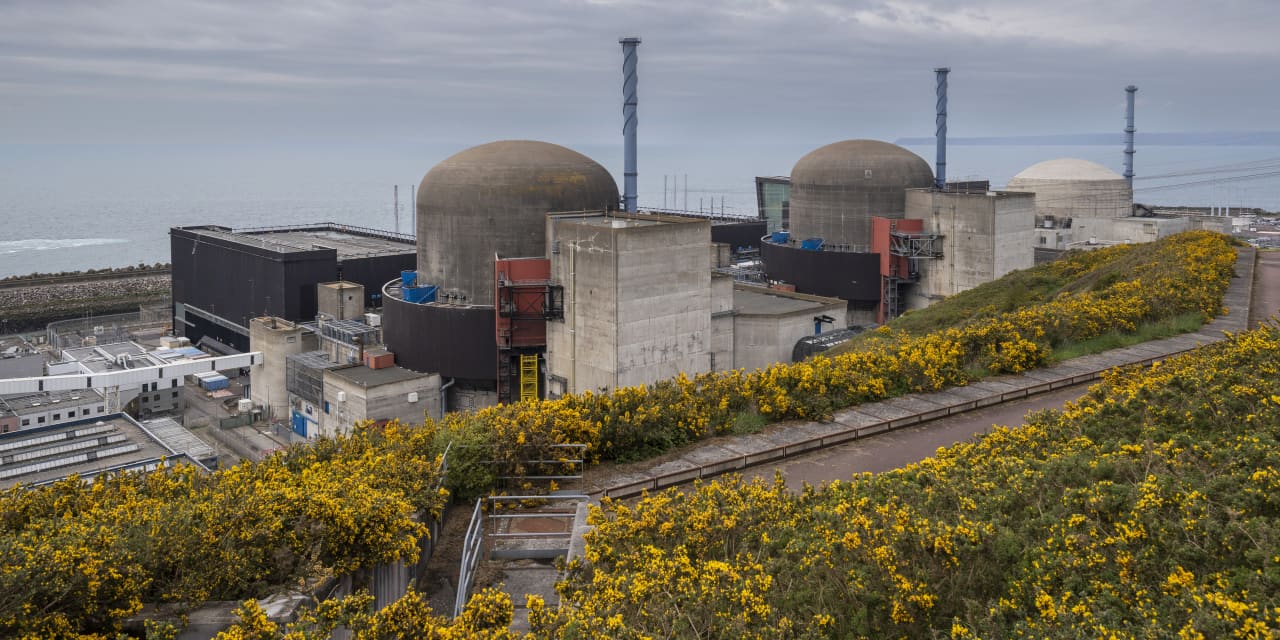
- New Oil Discovery: Equinor and its partners have discovered oil near the Snorre field in the North Sea, with preliminary estimates of recoverable oil equivalent between 25 million and 89 million barrels, which will be quickly tied to existing subsea facilities and produced through the Snorre A platform, significantly enhancing the company's future output and profitability.
- Cost-Effective Development: Senior VP Erik Gustav Kirkemo stated that the new discovery will be rapidly connected to existing facilities, leveraging already paid infrastructure costs, making the development of these fields competitive and extending the operational life of existing fields.
- Market Demand Context: Norway currently supplies 20% of Europe's oil demand and 30% of its gas demand, but production from existing fields is declining, making it crucial to increase exploration activities and accelerate the development of new discoveries to ensure stable future energy supply.
- Long-Term Production Goals: Equinor aims to maintain production levels in 2035 similar to those in 2020, targeting approximately 1.2 million barrels of oil equivalent per day, which will help the company sustain a stable revenue stream in future market competition.
Standard Lithium and Equinor Sign First Lithium Carbonate Offtake Agreement
- First Sales Agreement: Standard Lithium's Smackover Lithium joint venture with Equinor has signed its first commercial offtake agreement with global commodities trader Trafigura, committing to supply 8,000 metric tons per year of battery-quality lithium carbonate for 10 years, marking the start of commercial production.
- Capacity Goals: The joint venture aims to finalize customer offtake agreements for approximately 80% of the 22,500 tons per year lithium carbonate capacity for the SWA project's first phase, representing over 40% of targeted offtake commitments, indicating strong market demand.
- Investment Decision Timeline: The Smackover Lithium joint venture expects to reach a final investment decision in 2026, with first production anticipated in 2028, providing a clear timeline for investors regarding project progress.
- Market Outlook: As global demand for battery-grade lithium continues to rise, the success of this joint venture will help meet market needs while establishing a solid foundation for Standard Lithium and Equinor's long-term strategic positioning in the lithium battery market.
U.S. Monitoring Russian-Iranian Military Information Exchange
- Intelligence Sharing Concerns: Defense Secretary Hegseth stated that the Trump administration is monitoring reports of Russia providing Iran with information about U.S. military positioning in the Middle East, emphasizing that the U.S. can counter such actions to ensure national security.
- Escalation Expectations: Market data indicates traders expect the conflict to persist, with a 26% probability of a ceasefire by March 15 and 46% by March 31, reflecting concerns over ongoing tensions in the region.
- U.S. Personnel Safety: Hegseth reiterated that the primary focus is on putting adversaries in danger, asserting that there are no concerns for U.S. military personnel, while suggesting that Iranians should be the ones worried about their safety.
- Strait of Hormuz Risks: A market contract indicates a 43% chance of the Strait of Hormuz closing before the end of the month, a critical waterway for approximately 20% of global oil shipments, where any closure would significantly impact the global energy market.
BARCLAYS: BRENT MAY REACH $120 PER BARREL
- Barclays Update: Barclays has indicated a potential test price of $120 for Brent crude oil.
- Market Implications: This price point could have significant implications for the oil market and related investments.
Newfoundland and Labrador Signs Oil Project Agreement with Equinor and BP
- Framework Agreement: The provincial government of Newfoundland and Labrador has signed a framework agreement with Equinor and BP to advance the construction of the C$14 billion Bay du Nord offshore oil project, marking a significant step forward for the long-delayed initiative.
- Revenue Expectations: The agreement allows the province to take up to a 10% equity stake in the project, with projections indicating that the first phase could generate up to C$6.4 billion in direct revenue for the province, significantly enhancing its fiscal capacity.
- Investment and Job Creation: The Bay du Nord project is expected to require an investment of approximately C$14 billion, creating thousands of jobs and delivering tens of billions in royalties and taxes over its lifespan, thereby driving local economic growth.
- Future Development Plans: A final investment decision is scheduled for next year, with first oil production planned for 2031, making it the province's first new standalone offshore oil and gas development since Hebron, underscoring its strategic importance.
Ocean Winds Signs Lease for Celtic Sea Wind Project
- Project Scale: Ocean Winds has signed a lease with the Crown Estate to develop a 1.5GW floating offshore wind farm in the Celtic Sea, marking a significant expansion in the UK offshore wind sector and aiming to power over four million homes.
- Economic Impact: The project is expected to create over 5,000 jobs and contribute up to £1.4 billion ($1.8 billion) to the UK economy, highlighting the importance of floating wind energy in driving local economic development.
- Development Steps: Ocean Winds will undertake project design development, conduct site surveys, and perform environmental impact assessments while engaging with the public to secure planning consents, ensuring the project aligns with sustainability goals.
- Social Responsibility: The project commits to having at least 3.5% of new workers as apprentices and at least 10% of workers aged 19-24 at project commencement not in education, employment, or training, reflecting the company's dedication to social responsibility.
Equinor Hits Two-Year High After Oil Discovery Near Snorre Field
- New Oil Discovery: Equinor and its partners have discovered oil near the Snorre field in the North Sea, with preliminary estimates of recoverable oil equivalent between 25 million and 89 million barrels, which will be quickly tied to existing subsea facilities and produced through the Snorre A platform, significantly enhancing the company's future output and profitability.
- Cost-Effective Development: Senior VP Erik Gustav Kirkemo stated that the new discovery will be rapidly connected to existing facilities, leveraging already paid infrastructure costs, making the development of these fields competitive and extending the operational life of existing fields.
- Market Demand Context: Norway currently supplies 20% of Europe's oil demand and 30% of its gas demand, but production from existing fields is declining, making it crucial to increase exploration activities and accelerate the development of new discoveries to ensure stable future energy supply.
- Long-Term Production Goals: Equinor aims to maintain production levels in 2035 similar to those in 2020, targeting approximately 1.2 million barrels of oil equivalent per day, which will help the company sustain a stable revenue stream in future market competition.