China bans VMware software, impacting Broadcom's operations
Broadcom Inc's stock fell 5.01% as it crossed below the 5-day SMA, reflecting negative market sentiment. The decline is primarily influenced by China's recent ban on cybersecurity software from US and Israeli firms, including VMware, a subsidiary of Broadcom. This ban raises significant concerns about the company's operations in China, where it has a substantial presence, and could lead to a loss of business opportunities in a key market.
The ban on VMware's software due to national security concerns highlights the escalating tensions between the US and China, which could adversely affect Broadcom's revenue streams. As China seeks alternatives to Western technology, the impact on Broadcom's operations could be profound, especially given the company's reliance on the Chinese market for its software solutions. Investors are likely to remain cautious as the geopolitical landscape continues to evolve, affecting market dynamics.
In light of these developments, Broadcom may need to reassess its strategies in the Chinese market and explore new avenues for growth. The ongoing tensions could lead to further restrictions, prompting the company to diversify its operations and reduce dependence on any single market.
Trade with 70% Backtested Accuracy
Analyst Views on AVGO

About AVGO
About the author


Broadcom Announces Cash Tender Offer Pricing Terms

- Tender Offer Details: Broadcom has announced a cash tender offer to purchase various maturing bonds with a maximum price of $2.5 billion, including 4.926% and 4.900% senior notes, aimed at optimizing its capital structure and reducing financing costs.
- Acceptance Priority: The acceptance priority of the bonds in the tender offer will influence the final purchase decisions, ensuring the company can prioritize the acquisition of eligible debt instruments, thereby enhancing financial flexibility.
- Deadline Set: The deadline for the tender offer is set for June 17, 2026, at 5 PM; if conditions are not met, Broadcom reserves the right not to accept certain series of bonds, potentially impacting investor decisions.
- Market Reaction Expectations: Broadcom's tender offer may positively affect its debt market, boosting investor confidence and potentially improving the company's financing conditions in the capital markets.
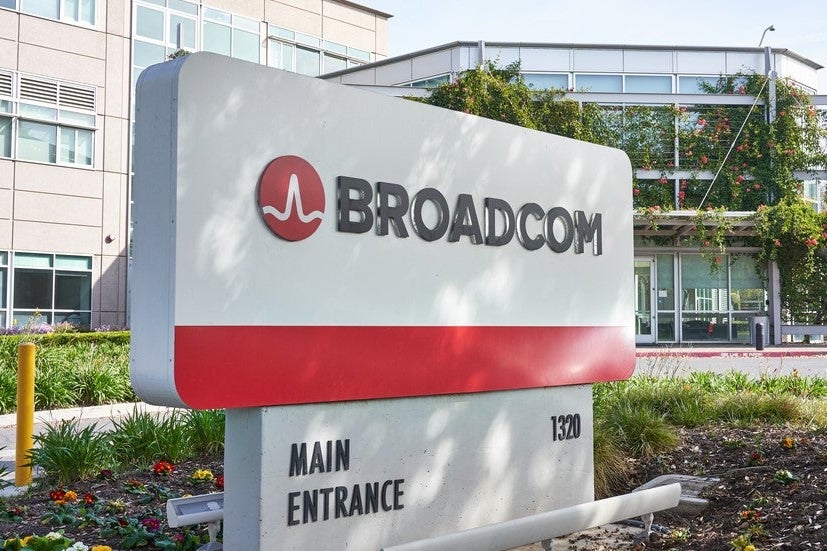
Broadcom's Rapid Growth in the AI Market

- Surge in AI Chip Sales: In fiscal 2025, Broadcom's AI chip sales soared by 65% to $20 billion, accounting for 31% of its total revenue, with projections indicating this could rise to at least $100 billion by fiscal 2027, representing over 58% of revenue, highlighting its robust growth potential in the AI sector.
- Rising Customer Demand: As the AI market expands, Broadcom's hyperscale customers are expected to ramp up chip purchases, enabling them to reduce infrastructure costs by installing more custom ASICs, thereby decreasing long-term dependence on Nvidia and enhancing competitive positioning.
- Diverse Product Portfolio: Broadcom also offers a wide range of non-AI chips across mobile, data center, and networking sectors; while these segments are not growing as rapidly, bundling products can lock in customers and widen its competitive moat across various markets.
- Attractive Investment Value: Analysts forecast Broadcom's revenue and EPS to grow at CAGRs of 53% and 66% from fiscal 2025 to 2028, yet it trades at just 25 times next year's earnings, indicating a compelling investment opportunity relative to its growth rate in the booming AI market.

Broadcom's AI Chip Sales Surge
- Significant Sales Growth: In fiscal 2025, Broadcom's AI chip sales surged 65% to $20 billion, accounting for 31% of total revenue, with projections to reach at least $100 billion by fiscal 2027, representing over 58% of revenue, indicating strong market demand and growth potential.
- Increased Customer Demand: As the AI market expands, Broadcom's hyperscale customers are expected to ramp up chip purchases, reducing infrastructure costs and long-term dependence on Nvidia by installing more custom ASICs, thereby further solidifying their market position.
- Relative Valuation Advantage: Despite the rapid growth of Broadcom's AI chip business, it trades at just 25 times next year's earnings, making it relatively cheap compared to Nvidia's 16 times, attracting long-term investors' attention.
- Diverse Product Portfolio: Broadcom also sells a wide range of non-AI chips and infrastructure software, which, although growing slower, allows the company to bundle products, lock in customers, and expand competitive advantages across multiple markets, enhancing its market moat.
Broadcom's Rise in the AI Market
- AI Chip Sales Surge: Broadcom's AI chip sales soared 65% in fiscal 2025 to $20 billion, accounting for 31% of total revenue, with projections to reach at least $100 billion by fiscal 2027, representing over 58% of revenue, indicating strong growth potential in the AI market.
- Increased Customer Demand: As the AI market expands, Broadcom's hyperscale customers are expected to ramp up chip purchases, reducing infrastructure costs by installing more custom ASICs, thereby decreasing long-term dependence on Nvidia and enhancing competitive positioning.
- Significant Investment Value: Analysts forecast Broadcom's revenue and EPS to grow at CAGRs of 53% and 66% from fiscal 2025 to 2028, respectively, while trading at just 25 times next year's earnings, highlighting its undervaluation relative to growth, making it one of the cheapest mega-cap AI stocks in the market.
- Diverse Product Portfolio: Although Broadcom's non-AI chip business is growing more slowly, its extensive product range across mobile, data center, and networking sectors allows for bundling, locking in customers and widening its competitive moat across multiple markets.

Investment Opportunities in AI Infrastructure
- Market Leadership: Nvidia anticipates total orders for its Blackwell and Vera Rubin platforms to reach $1 trillion between 2026 and 2027, propelling revenue from $253.5 billion over the past 12 months to $391.7 billion, indicating robust growth potential.
- AI Chip Surge: Broadcom's AI semiconductor revenue soared by 143% year-over-year to $10.8 billion in Q2 of fiscal 2026, with projections to exceed $100 billion by 2027, highlighting its rapid ascent in the AI market.
- Infrastructure Significance: Vertiv Holdings reported a 44% organic sales increase in the Americas to $1.8 billion, reflecting strong demand for data center construction, although it may face risks of market slowdown in the future.
- Long-Term Growth Potential: Analysts estimate annualized earnings growth rates of 45% for Nvidia, 46% for Broadcom, and over 32% for Vertiv, underscoring the long-term investment value of these companies in the AI sector.

Nvidia's Vera Rubin Platform Fuels Growth Potential
- Nvidia's Growth Potential: Nvidia anticipates total orders for its Blackwell and Vera Rubin platforms to reach $1 trillion between 2026 and 2027, propelling revenue from $253.5 billion over the past 12 months to $391.7 billion, indicating strong market demand and explosive growth potential ahead.
- Broadcom's AI Chip Surge: Broadcom's AI semiconductor revenue surged 143% year-over-year to $10.8 billion in Q2 of fiscal 2026, with projections to exceed $100 billion by 2027, showcasing its competitive edge and profitability in the AI chip market.
- Vertiv's Infrastructure Significance: Vertiv's organic sales grew 44% to $1.8 billion in the Americas, with operating profit margins rising by 5.1 percentage points, highlighting its crucial role and pricing power in data center construction, despite potential market fluctuations ahead.
- Sustained AI Investment Cycle: Major tech companies continue to ramp up investments in AI infrastructure, indicating that the largest investment cycle since the industrial revolution is still ongoing, with Nvidia, Broadcom, and Vertiv poised to benefit significantly from this trend.
Broadcom Announces Cash Tender Offer Pricing Terms
- Tender Offer Details: Broadcom has announced a cash tender offer to purchase various maturing bonds with a maximum price of $2.5 billion, including 4.926% and 4.900% senior notes, aimed at optimizing its capital structure and reducing financing costs.
- Acceptance Priority: The acceptance priority of the bonds in the tender offer will influence the final purchase decisions, ensuring the company can prioritize the acquisition of eligible debt instruments, thereby enhancing financial flexibility.
- Deadline Set: The deadline for the tender offer is set for June 17, 2026, at 5 PM; if conditions are not met, Broadcom reserves the right not to accept certain series of bonds, potentially impacting investor decisions.
- Market Reaction Expectations: Broadcom's tender offer may positively affect its debt market, boosting investor confidence and potentially improving the company's financing conditions in the capital markets.
Broadcom's Rapid Growth in the AI Market
- Surge in AI Chip Sales: In fiscal 2025, Broadcom's AI chip sales soared by 65% to $20 billion, accounting for 31% of its total revenue, with projections indicating this could rise to at least $100 billion by fiscal 2027, representing over 58% of revenue, highlighting its robust growth potential in the AI sector.
- Rising Customer Demand: As the AI market expands, Broadcom's hyperscale customers are expected to ramp up chip purchases, enabling them to reduce infrastructure costs by installing more custom ASICs, thereby decreasing long-term dependence on Nvidia and enhancing competitive positioning.
- Diverse Product Portfolio: Broadcom also offers a wide range of non-AI chips across mobile, data center, and networking sectors; while these segments are not growing as rapidly, bundling products can lock in customers and widen its competitive moat across various markets.
- Attractive Investment Value: Analysts forecast Broadcom's revenue and EPS to grow at CAGRs of 53% and 66% from fiscal 2025 to 2028, yet it trades at just 25 times next year's earnings, indicating a compelling investment opportunity relative to its growth rate in the booming AI market.
Broadcom's AI Chip Sales Surge
- Significant Sales Growth: In fiscal 2025, Broadcom's AI chip sales surged 65% to $20 billion, accounting for 31% of total revenue, with projections to reach at least $100 billion by fiscal 2027, representing over 58% of revenue, indicating strong market demand and growth potential.
- Increased Customer Demand: As the AI market expands, Broadcom's hyperscale customers are expected to ramp up chip purchases, reducing infrastructure costs and long-term dependence on Nvidia by installing more custom ASICs, thereby further solidifying their market position.
- Relative Valuation Advantage: Despite the rapid growth of Broadcom's AI chip business, it trades at just 25 times next year's earnings, making it relatively cheap compared to Nvidia's 16 times, attracting long-term investors' attention.
- Diverse Product Portfolio: Broadcom also sells a wide range of non-AI chips and infrastructure software, which, although growing slower, allows the company to bundle products, lock in customers, and expand competitive advantages across multiple markets, enhancing its market moat.
Broadcom's Rise in the AI Market
- AI Chip Sales Surge: Broadcom's AI chip sales soared 65% in fiscal 2025 to $20 billion, accounting for 31% of total revenue, with projections to reach at least $100 billion by fiscal 2027, representing over 58% of revenue, indicating strong growth potential in the AI market.
- Increased Customer Demand: As the AI market expands, Broadcom's hyperscale customers are expected to ramp up chip purchases, reducing infrastructure costs by installing more custom ASICs, thereby decreasing long-term dependence on Nvidia and enhancing competitive positioning.
- Significant Investment Value: Analysts forecast Broadcom's revenue and EPS to grow at CAGRs of 53% and 66% from fiscal 2025 to 2028, respectively, while trading at just 25 times next year's earnings, highlighting its undervaluation relative to growth, making it one of the cheapest mega-cap AI stocks in the market.
- Diverse Product Portfolio: Although Broadcom's non-AI chip business is growing more slowly, its extensive product range across mobile, data center, and networking sectors allows for bundling, locking in customers and widening its competitive moat across multiple markets.
Investment Opportunities in AI Infrastructure
- Market Leadership: Nvidia anticipates total orders for its Blackwell and Vera Rubin platforms to reach $1 trillion between 2026 and 2027, propelling revenue from $253.5 billion over the past 12 months to $391.7 billion, indicating robust growth potential.
- AI Chip Surge: Broadcom's AI semiconductor revenue soared by 143% year-over-year to $10.8 billion in Q2 of fiscal 2026, with projections to exceed $100 billion by 2027, highlighting its rapid ascent in the AI market.
- Infrastructure Significance: Vertiv Holdings reported a 44% organic sales increase in the Americas to $1.8 billion, reflecting strong demand for data center construction, although it may face risks of market slowdown in the future.
- Long-Term Growth Potential: Analysts estimate annualized earnings growth rates of 45% for Nvidia, 46% for Broadcom, and over 32% for Vertiv, underscoring the long-term investment value of these companies in the AI sector.
Nvidia's Vera Rubin Platform Fuels Growth Potential
- Nvidia's Growth Potential: Nvidia anticipates total orders for its Blackwell and Vera Rubin platforms to reach $1 trillion between 2026 and 2027, propelling revenue from $253.5 billion over the past 12 months to $391.7 billion, indicating strong market demand and explosive growth potential ahead.
- Broadcom's AI Chip Surge: Broadcom's AI semiconductor revenue surged 143% year-over-year to $10.8 billion in Q2 of fiscal 2026, with projections to exceed $100 billion by 2027, showcasing its competitive edge and profitability in the AI chip market.
- Vertiv's Infrastructure Significance: Vertiv's organic sales grew 44% to $1.8 billion in the Americas, with operating profit margins rising by 5.1 percentage points, highlighting its crucial role and pricing power in data center construction, despite potential market fluctuations ahead.
- Sustained AI Investment Cycle: Major tech companies continue to ramp up investments in AI infrastructure, indicating that the largest investment cycle since the industrial revolution is still ongoing, with Nvidia, Broadcom, and Vertiv poised to benefit significantly from this trend.