Cheniere Energy Upgraded to Outperform by Wolfe Research
Written by Emily J. Thompson, Senior Investment Analyst
Updated: Apr 30 2025
0mins
Cheniere Energy Inc. (LNG) saw a price increase of 3.70% as it reached a 20-day high during regular trading hours.
The stock's upward movement is attributed to Wolfe Research analyst Keith Stanley upgrading Cheniere Energy from Peer Perform to Outperform, with a new price target of $220, indicating a positive outlook for the company. This upgrade reflects strong market sentiment towards Cheniere's growth potential, especially as the broader market faced declines with the Nasdaq-100 down 1.30% and the S&P 500 down 0.70%.
This upgrade may enhance investor confidence in Cheniere Energy, potentially leading to further price appreciation as the market recognizes the company's strong fundamentals.
Trade with 70% Backtested Accuracy
Stop guessing "Should I Buy LNG?" and start using high-conviction signals backed by rigorous historical data.
Sign up today to access powerful investing tools and make smarter, data-driven decisions.
Analyst Views on LNG
Wall Street analysts forecast LNG stock price to rise
11 Analyst Rating
11 Buy
0 Hold
0 Sell
Strong Buy
Current: 231.410

Low
258.00
Averages
274.09
High
290.00
Current: 231.410
Low
258.00
Averages
274.09
High
290.00
About LNG
Cheniere Energy, Inc. is the producer and exporter of liquefied natural gas (LNG) in the United States. It provides clean, secure and affordable LNG to integrated energy companies, utilities and energy trading companies around the world. It operates two natural gas liquefaction and export facilities at Sabine Pass, Louisiana (Sabine Pass LNG Terminal) and near Corpus Christi, Texas (Corpus Christi LNG Terminal). It owns and operates over 30 million tons per annum (mtpa) of total production capacity in operation from natural gas liquefaction facilities located in Cameron Parish, Louisiana at Sabine Pass (the SPL Project). The Sabine Pass LNG Terminal also has five LNG storage tanks, vaporizers and three marine berths. The Corpus Christi LNG Terminal also has three LNG storage tanks and two marine berths. It also owns an approximately 21-mile natural gas supply pipeline that interconnects the Corpus Christi LNG Terminal with several large interstate and intrastate natural gas pipelines.
About the author

Emily J. Thompson
Emily J. Thompson, a Chartered Financial Analyst (CFA) with 12 years in investment research, graduated with honors from the Wharton School. Specializing in industrial and technology stocks, she provides in-depth analysis for Intellectia’s earnings and market brief reports.

Cheniere Energy Emphasizes Supply Diversification for Energy Security
- Energy Security Diversification: Cheniere Energy's CFO Zach Davis stated at a Houston conference that developing countries should not rely solely on the U.S. for energy security, highlighting the critical need for diversified liquefied natural gas supply to ensure affordability and mitigate supply risks for emerging economies.
- Qatar's Key Role: Davis noted Qatar's significant role in global LNG markets, particularly as its exports have been severely disrupted by the U.S.-Iran war, and Cheniere welcomes Qatar's full return to enhance supply diversity in the market.
- Pricing Mechanism Differences: He mentioned that Qatar's LNG is typically priced against Brent crude, while U.S. cargoes are linked to Henry Hub gas prices, providing buyers with a wider range of pricing options, which could foster greater market competition.
- Long-Term Demand Focus: Cheniere is prioritizing long-term demand growth over short-term profits amid elevated LNG prices, with Davis asserting that “creating demand is more important than capturing margins in the current price environment.”
See More

U.S. Energy Policy Overhaul and Opportunities for Three Major Companies

- Policy Overhaul Context: The Trump administration is rewriting the U.S. oil and gas strategy by shortening permit timelines, lifting moratoriums, and fast-tracking LNG exports, which is expected to significantly enhance the market performance of related companies.
- ExxonMobil's Advantage: As the largest oil and gas producer in the U.S., ExxonMobil doubled its Permian Basin production after acquiring Pioneer Natural Resources for $60 billion in 2024, projecting $25 billion in incremental earnings by 2030, showcasing its strong leverage in the policy shift.
- Cheniere Energy's Growth Potential: As the largest LNG producer in the U.S., Cheniere Energy is expanding its Corpus Christi LNG terminal by nearly 15 million tons per annum, guiding for $4.75 billion to $5.25 billion in distributable cash flow by 2026, fully benefiting from supportive policies.
- GE Vernova's Market Outlook: GE Vernova's gas turbine orders surged to 100 gigawatts, expected to exceed 110 gigawatts by the end of 2026, with the EPA easing emission standards allowing for increased production capacity, demonstrating strong pricing power and revenue visibility in the coming years.
See More

Trump Overhauls U.S. Energy Policy to Boost Fossil Fuels
- Policy Shift: The Trump administration is reshaping U.S. energy policy by shortening permit timelines and reviving drilling, which is expected to significantly boost profits for related companies.
- ExxonMobil's Advantage: As the largest oil and gas producer in the U.S., ExxonMobil is at the center of this policy shift, projecting $25 billion in incremental earnings by 2030, further solidifying its market leadership.
- Cheniere Energy's Growth Potential: As the largest LNG producer in the U.S., Cheniere Energy is expanding its Corpus Christi LNG terminal, guiding for $4.75 billion to $5.25 billion in distributable cash flow by 2026, indicating strong growth prospects.
- GE Vernova's Market Opportunity: GE Vernova's gas turbine orders surged to 100 GW, with expectations to exceed 110 GW by the end of 2026, indicating strong market demand and pricing power under the new policies.
See More

Why Are Oil Prices Persistently Low?

- Iran Conflict Impact: Despite ongoing tensions between Iran and the U.S., market optimism regarding a resolution has kept oil prices below $100, indicating complex investor expectations that could lead to increased volatility in oil prices.
- Declining Chinese Demand: JPMorgan's analyst reported a surprising 9% drop in China's oil demand, equivalent to 1.5 million barrels per day, which may reduce global demand pressure and influence oil price trends.
- Global Supply Surplus: The world is experiencing an oversupply of oil, with Saudi Arabia and the UAE ramping up production, which is expected to further depress prices, especially as the U.S. Strategic Petroleum Reserve is being drawn down at a rate of 8-9 million barrels per week.
- Market Sentiment Shift: Market expectations for oil prices have turned pessimistic, with Trump suggesting that prices will drop sharply, potentially undermining investor confidence in oil companies and affecting their stock performance.
See More

Cheniere Energy Shares Enter Oversold Territory
- Oversold Signal: Cheniere Energy (Ticker: LNG) saw its RSI drop to 29.2 during Friday's trading, indicating the stock has entered oversold territory, suggesting that the recent heavy selling may be exhausting itself and providing potential buying opportunities for investors.
- Price Fluctuation: LNG shares hit a low of $223.83, with the current trading price at $224.86, showing a significant recovery from the 52-week low of $186.20, yet still far below the 52-week high of $300.89, reflecting market uncertainty and volatility.
- Market Comparison: In contrast, the S&P 500 ETF (SPY) has an RSI of 75.8, indicating strong market performance, which further highlights LNG's relative weakness and may attract value-seeking investors' attention.
- Investor Sentiment: While the current oversold signal may entice some bullish investors, the overall market sentiment remains cautious, necessitating close monitoring of future market dynamics and changes in the company's fundamentals to make informed investment decisions.
See More
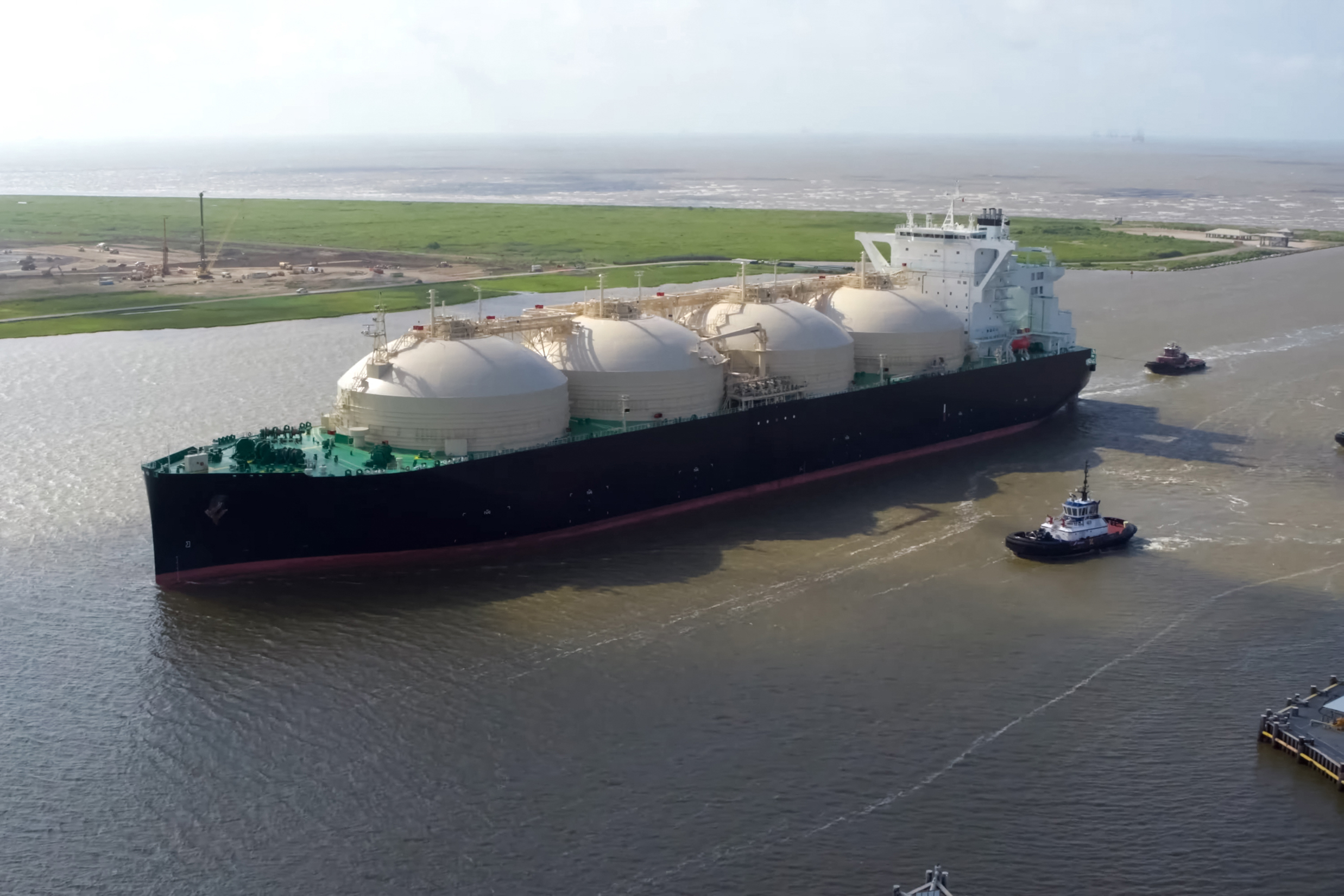
Cheniere Energy Partners Signs EPC Contract for Sabine Pass LNG Expansion
- Project Partnership: Cheniere Energy Partners has signed an engineering, procurement, and construction contract with Bechtel Energy for phase 1 of the Sabine Pass LNG expansion project, marking the official commencement of the project.
- Capacity Enhancement: The existing liquefaction facilities at the Sabine Pass LNG terminal have a total production capacity exceeding 30 million metric tons per year, while phase 1 is expected to add over 6 million tons of LNG production capacity, further solidifying its market position.
- Infrastructure Development: The contract includes a single train, Train 7, a boil-off gas re-liquefaction unit, and supporting infrastructure, ensuring effective integration with existing facilities to enhance overall operational efficiency.
- Investment Decision Timeline: Cheniere expects to reach a final investment decision on phase 1 by early 2027, demonstrating the company's confidence in future growth and strategic planning.
See More
Cheniere Energy Emphasizes Supply Diversification for Energy Security
- Energy Security Diversification: Cheniere Energy's CFO Zach Davis stated at a Houston conference that developing countries should not rely solely on the U.S. for energy security, highlighting the critical need for diversified liquefied natural gas supply to ensure affordability and mitigate supply risks for emerging economies.
- Qatar's Key Role: Davis noted Qatar's significant role in global LNG markets, particularly as its exports have been severely disrupted by the U.S.-Iran war, and Cheniere welcomes Qatar's full return to enhance supply diversity in the market.
- Pricing Mechanism Differences: He mentioned that Qatar's LNG is typically priced against Brent crude, while U.S. cargoes are linked to Henry Hub gas prices, providing buyers with a wider range of pricing options, which could foster greater market competition.
- Long-Term Demand Focus: Cheniere is prioritizing long-term demand growth over short-term profits amid elevated LNG prices, with Davis asserting that “creating demand is more important than capturing margins in the current price environment.”
See More
U.S. Energy Policy Overhaul and Opportunities for Three Major Companies
- Policy Overhaul Context: The Trump administration is rewriting the U.S. oil and gas strategy by shortening permit timelines, lifting moratoriums, and fast-tracking LNG exports, which is expected to significantly enhance the market performance of related companies.
- ExxonMobil's Advantage: As the largest oil and gas producer in the U.S., ExxonMobil doubled its Permian Basin production after acquiring Pioneer Natural Resources for $60 billion in 2024, projecting $25 billion in incremental earnings by 2030, showcasing its strong leverage in the policy shift.
- Cheniere Energy's Growth Potential: As the largest LNG producer in the U.S., Cheniere Energy is expanding its Corpus Christi LNG terminal by nearly 15 million tons per annum, guiding for $4.75 billion to $5.25 billion in distributable cash flow by 2026, fully benefiting from supportive policies.
- GE Vernova's Market Outlook: GE Vernova's gas turbine orders surged to 100 gigawatts, expected to exceed 110 gigawatts by the end of 2026, with the EPA easing emission standards allowing for increased production capacity, demonstrating strong pricing power and revenue visibility in the coming years.
See More
Trump Overhauls U.S. Energy Policy to Boost Fossil Fuels
- Policy Shift: The Trump administration is reshaping U.S. energy policy by shortening permit timelines and reviving drilling, which is expected to significantly boost profits for related companies.
- ExxonMobil's Advantage: As the largest oil and gas producer in the U.S., ExxonMobil is at the center of this policy shift, projecting $25 billion in incremental earnings by 2030, further solidifying its market leadership.
- Cheniere Energy's Growth Potential: As the largest LNG producer in the U.S., Cheniere Energy is expanding its Corpus Christi LNG terminal, guiding for $4.75 billion to $5.25 billion in distributable cash flow by 2026, indicating strong growth prospects.
- GE Vernova's Market Opportunity: GE Vernova's gas turbine orders surged to 100 GW, with expectations to exceed 110 GW by the end of 2026, indicating strong market demand and pricing power under the new policies.
See More
Why Are Oil Prices Persistently Low?
- Iran Conflict Impact: Despite ongoing tensions between Iran and the U.S., market optimism regarding a resolution has kept oil prices below $100, indicating complex investor expectations that could lead to increased volatility in oil prices.
- Declining Chinese Demand: JPMorgan's analyst reported a surprising 9% drop in China's oil demand, equivalent to 1.5 million barrels per day, which may reduce global demand pressure and influence oil price trends.
- Global Supply Surplus: The world is experiencing an oversupply of oil, with Saudi Arabia and the UAE ramping up production, which is expected to further depress prices, especially as the U.S. Strategic Petroleum Reserve is being drawn down at a rate of 8-9 million barrels per week.
- Market Sentiment Shift: Market expectations for oil prices have turned pessimistic, with Trump suggesting that prices will drop sharply, potentially undermining investor confidence in oil companies and affecting their stock performance.
See More
Cheniere Energy Shares Enter Oversold Territory
- Oversold Signal: Cheniere Energy (Ticker: LNG) saw its RSI drop to 29.2 during Friday's trading, indicating the stock has entered oversold territory, suggesting that the recent heavy selling may be exhausting itself and providing potential buying opportunities for investors.
- Price Fluctuation: LNG shares hit a low of $223.83, with the current trading price at $224.86, showing a significant recovery from the 52-week low of $186.20, yet still far below the 52-week high of $300.89, reflecting market uncertainty and volatility.
- Market Comparison: In contrast, the S&P 500 ETF (SPY) has an RSI of 75.8, indicating strong market performance, which further highlights LNG's relative weakness and may attract value-seeking investors' attention.
- Investor Sentiment: While the current oversold signal may entice some bullish investors, the overall market sentiment remains cautious, necessitating close monitoring of future market dynamics and changes in the company's fundamentals to make informed investment decisions.
See More
Cheniere Energy Partners Signs EPC Contract for Sabine Pass LNG Expansion
- Project Partnership: Cheniere Energy Partners has signed an engineering, procurement, and construction contract with Bechtel Energy for phase 1 of the Sabine Pass LNG expansion project, marking the official commencement of the project.
- Capacity Enhancement: The existing liquefaction facilities at the Sabine Pass LNG terminal have a total production capacity exceeding 30 million metric tons per year, while phase 1 is expected to add over 6 million tons of LNG production capacity, further solidifying its market position.
- Infrastructure Development: The contract includes a single train, Train 7, a boil-off gas re-liquefaction unit, and supporting infrastructure, ensuring effective integration with existing facilities to enhance overall operational efficiency.
- Investment Decision Timeline: Cheniere expects to reach a final investment decision on phase 1 by early 2027, demonstrating the company's confidence in future growth and strategic planning.
See More