Caterpillar Inc faces decline amid market weakness

Caterpillar Inc's stock price fell by 5.01% today, hitting a 5-day low. This decline comes as the broader market also experienced downturns, with the Nasdaq-100 down 1.15% and the S&P 500 down 0.53%.
The drop in Caterpillar's stock is attributed to sector rotation, as investors are reacting to the overall market weakness. Despite the company's strong history of dividend increases and solid cash flow expectations, the current market conditions have led to a negative sentiment surrounding industrial stocks.
This movement may indicate a cautious approach from investors, as they reassess their positions in light of the recent market trends. The upcoming earnings report and the overall economic outlook will be critical in determining the stock's future performance.
Trade with 70% Backtested Accuracy
Analyst Views on CAT

About CAT
About the author


U.S. Plans Ground Operations Against Iran Amid Market Turmoil


- War Plans Impact: The U.S. is reportedly planning ground operations against Iran, which could heighten market uncertainty and exacerbate investor concerns about future geopolitical stability.
- Market Decline: The U.S. stock market has fallen to six-month lows, reflecting panic among investors regarding rising geopolitical tensions, potentially leading to further capital outflows from equities.
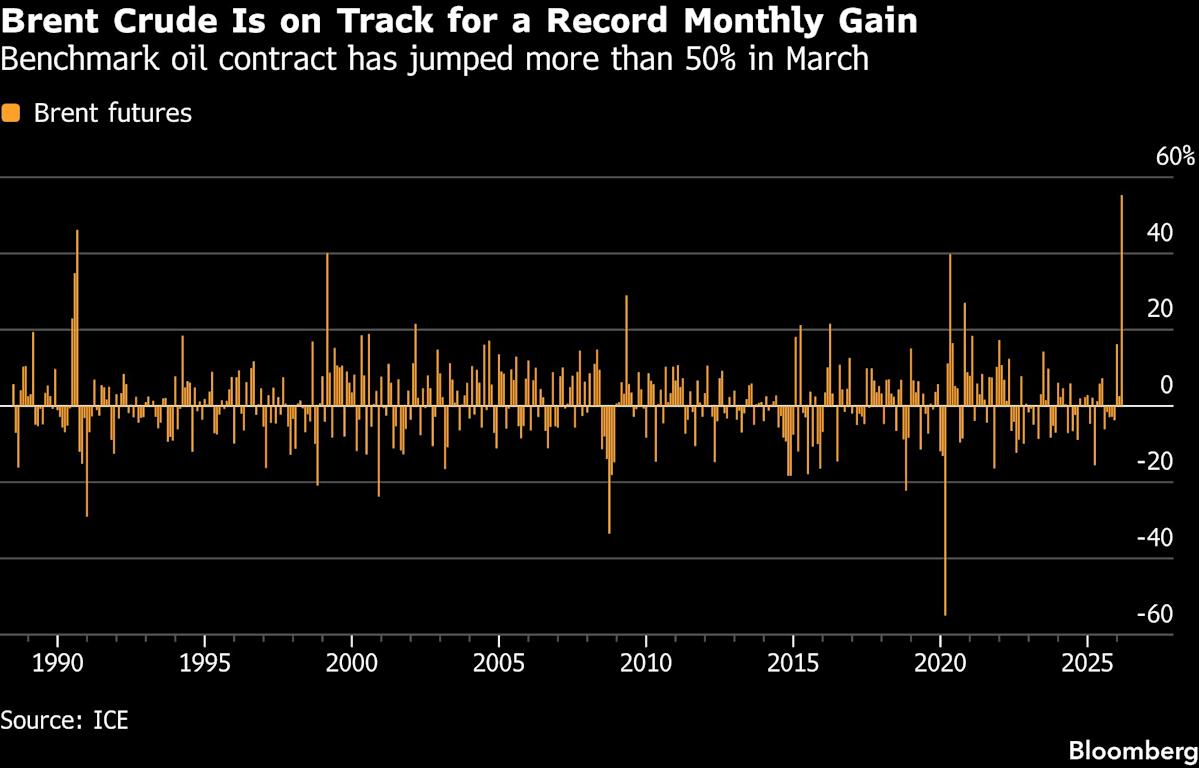
- Surging Oil Prices: With the escalation of war risks, oil prices have surged to $100 per barrel, increasing inflationary pressures on the global economy and potentially impacting consumer spending and corporate profits.
- Tesla Delivery Pressure: In this unstable market environment, Tesla faces increased delivery pressures, and investor expectations for its future performance may be adversely affected, especially as high oil prices could challenge electric vehicle demand.

U.S. Plans Ground Operations Against Iran Amid Market Turmoil
- Rising War Risks: The U.S. is reportedly planning ground operations against Iran, which has heightened market anxiety and driven stock prices to six-month lows, leaving investors concerned about future economic prospects.
- Surging Oil Prices: Geopolitical tensions have pushed oil prices to $100 per barrel, exacerbating inflationary pressures that could negatively impact consumer spending and corporate profits.
- Tesla Deliveries Loom: Amidst market turmoil, Tesla's delivery figures are set to be released soon, with investors closely monitoring performance to assess the company's resilience in an uncertain environment.
- Market Sentiment Deterioration: The stock market's decline to six-month lows reflects investor fears of economic slowdown and potential conflict, which may lead to capital outflows from risk assets and affect overall market liquidity.

U.S. Plans Ground Operations Against Iran Amid Market Turmoil
- Geopolitical Tension: The U.S. is reportedly planning ground operations against Iran, which has heightened market anxiety and driven stock prices to six-month lows, reflecting investor uncertainty about future developments.
- Surging Oil Prices: Amid rising geopolitical risks, oil prices have surged to $100 per barrel, which not only increases inflationary pressures on the global economy but could also impact consumer spending and corporate profits, further exacerbating market volatility.
- Tesla Delivery Concerns: In this context, Tesla's delivery figures are under scrutiny, as investor expectations for its future performance may be affected, particularly in a market environment characterized by low sentiment, potentially leading to stock price fluctuations.
- Market Reaction: As geopolitical tensions escalate, there is a growing risk-averse sentiment among investors, which may prompt a reassessment of investment portfolios towards safer assets, thereby impacting overall market liquidity.

U.S. Plans Ground Operations Against Iran Amid Market Turmoil
- War Planning Impact: The U.S. is reportedly planning ground operations against Iran, which has heightened market anxiety and driven stock prices to six-month lows, indicating investors' acute sensitivity to geopolitical risks.
- Surging Oil Prices: Following the announcement of war plans, oil prices have surged to $100 per barrel, exacerbating pressures on global economic recovery and potentially leading to increased inflation that could affect consumer spending.
- Tesla Delivery Pressure: Amid market turmoil and rising oil prices, Tesla's delivery figures are under scrutiny, with investors concerned about the impact on future performance, especially as electric vehicle demand may fluctuate due to higher oil prices.
- Market Sentiment Deterioration: The stock market is currently in a depressed state, with diminished investor confidence in future economic prospects, which may lead to further capital outflows from equities, intensifying market instability.

Major Indexes Decline as Oil Prices Approach $100
- Market Decline: Major indexes have fallen to six-month lows as oil prices approach $100, reflecting investor concerns about the global economic outlook, particularly in the context of the Iran war, which has severely impacted market sentiment.
- Oil Price Impact: The surge in oil prices not only exacerbates inflationary pressures but may also lead to reduced consumer spending, thereby affecting corporate earnings expectations and increasing market uncertainty.
- Tesla Deliveries Loom: Tesla's delivery figures are set to be released soon, raising market attention on its performance; despite the overall market downturn, Tesla's results could influence investor confidence in the electric vehicle sector.
- Investor Reaction: Under the dual pressures of rising oil prices and geopolitical risks, investors may adopt more cautious investment strategies, leading to increased market volatility and potentially affecting capital inflows and stock performance in the short term.
Impact of Iran War on Global Economies


- Market Focus: Investors are closely monitoring the potential impact of the Iran war on the U.S. and global economies as they head into the Easter week, reflecting market sensitivity to geopolitical risks.
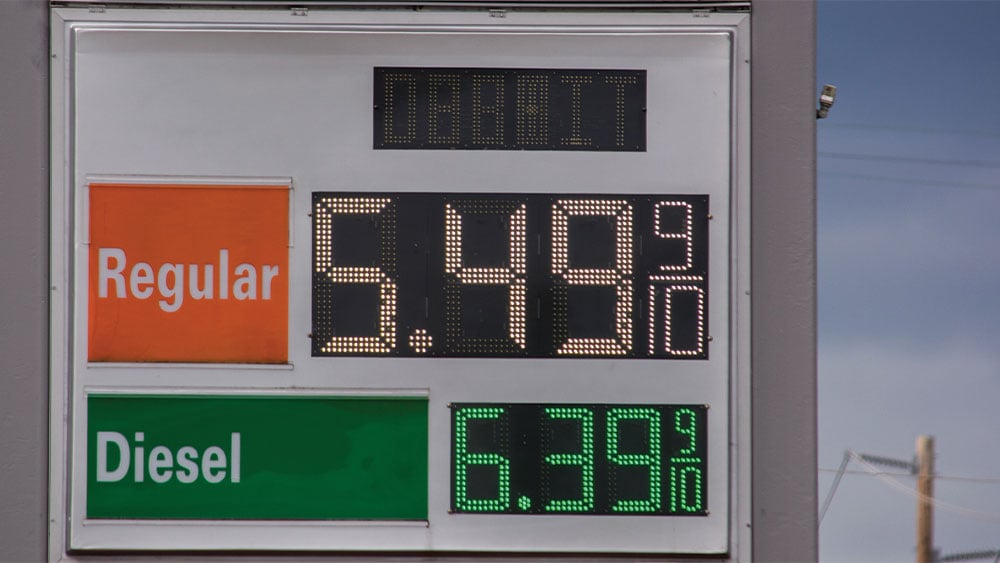
- Economic Outlook Volatility: Analysts warn that escalating conflict could lead to rising energy prices, which may affect inflation and consumer spending, thereby negatively impacting economic growth.
- Investment Strategy Adjustments: Investors may reassess their portfolios, considering allocations to safe-haven assets to mitigate potential market volatility and uncertainty, indicating a cautious market sentiment.
- Global Market Interconnection: The ongoing Iran war could trigger a ripple effect across global markets, particularly in countries heavily reliant on energy, prompting investors to stay alert to developments in related sectors.
U.S. Plans Ground Operations Against Iran Amid Market Turmoil
- War Plans Impact: The U.S. is reportedly planning ground operations against Iran, which could heighten market uncertainty and exacerbate investor concerns about future geopolitical stability.
- Market Decline: The U.S. stock market has fallen to six-month lows, reflecting panic among investors regarding rising geopolitical tensions, potentially leading to further capital outflows from equities.
- Surging Oil Prices: With the escalation of war risks, oil prices have surged to $100 per barrel, increasing inflationary pressures on the global economy and potentially impacting consumer spending and corporate profits.
- Tesla Delivery Pressure: In this unstable market environment, Tesla faces increased delivery pressures, and investor expectations for its future performance may be adversely affected, especially as high oil prices could challenge electric vehicle demand.
U.S. Plans Ground Operations Against Iran Amid Market Turmoil
- Rising War Risks: The U.S. is reportedly planning ground operations against Iran, which has heightened market anxiety and driven stock prices to six-month lows, leaving investors concerned about future economic prospects.
- Surging Oil Prices: Geopolitical tensions have pushed oil prices to $100 per barrel, exacerbating inflationary pressures that could negatively impact consumer spending and corporate profits.
- Tesla Deliveries Loom: Amidst market turmoil, Tesla's delivery figures are set to be released soon, with investors closely monitoring performance to assess the company's resilience in an uncertain environment.
- Market Sentiment Deterioration: The stock market's decline to six-month lows reflects investor fears of economic slowdown and potential conflict, which may lead to capital outflows from risk assets and affect overall market liquidity.
U.S. Plans Ground Operations Against Iran Amid Market Turmoil
- Geopolitical Tension: The U.S. is reportedly planning ground operations against Iran, which has heightened market anxiety and driven stock prices to six-month lows, reflecting investor uncertainty about future developments.
- Surging Oil Prices: Amid rising geopolitical risks, oil prices have surged to $100 per barrel, which not only increases inflationary pressures on the global economy but could also impact consumer spending and corporate profits, further exacerbating market volatility.
- Tesla Delivery Concerns: In this context, Tesla's delivery figures are under scrutiny, as investor expectations for its future performance may be affected, particularly in a market environment characterized by low sentiment, potentially leading to stock price fluctuations.
- Market Reaction: As geopolitical tensions escalate, there is a growing risk-averse sentiment among investors, which may prompt a reassessment of investment portfolios towards safer assets, thereby impacting overall market liquidity.
U.S. Plans Ground Operations Against Iran Amid Market Turmoil
- War Planning Impact: The U.S. is reportedly planning ground operations against Iran, which has heightened market anxiety and driven stock prices to six-month lows, indicating investors' acute sensitivity to geopolitical risks.
- Surging Oil Prices: Following the announcement of war plans, oil prices have surged to $100 per barrel, exacerbating pressures on global economic recovery and potentially leading to increased inflation that could affect consumer spending.
- Tesla Delivery Pressure: Amid market turmoil and rising oil prices, Tesla's delivery figures are under scrutiny, with investors concerned about the impact on future performance, especially as electric vehicle demand may fluctuate due to higher oil prices.
- Market Sentiment Deterioration: The stock market is currently in a depressed state, with diminished investor confidence in future economic prospects, which may lead to further capital outflows from equities, intensifying market instability.
Major Indexes Decline as Oil Prices Approach $100
- Market Decline: Major indexes have fallen to six-month lows as oil prices approach $100, reflecting investor concerns about the global economic outlook, particularly in the context of the Iran war, which has severely impacted market sentiment.
- Oil Price Impact: The surge in oil prices not only exacerbates inflationary pressures but may also lead to reduced consumer spending, thereby affecting corporate earnings expectations and increasing market uncertainty.
- Tesla Deliveries Loom: Tesla's delivery figures are set to be released soon, raising market attention on its performance; despite the overall market downturn, Tesla's results could influence investor confidence in the electric vehicle sector.
- Investor Reaction: Under the dual pressures of rising oil prices and geopolitical risks, investors may adopt more cautious investment strategies, leading to increased market volatility and potentially affecting capital inflows and stock performance in the short term.
Impact of Iran War on Global Economies
- Market Focus: Investors are closely monitoring the potential impact of the Iran war on the U.S. and global economies as they head into the Easter week, reflecting market sensitivity to geopolitical risks.
- Economic Outlook Volatility: Analysts warn that escalating conflict could lead to rising energy prices, which may affect inflation and consumer spending, thereby negatively impacting economic growth.
- Investment Strategy Adjustments: Investors may reassess their portfolios, considering allocations to safe-haven assets to mitigate potential market volatility and uncertainty, indicating a cautious market sentiment.
- Global Market Interconnection: The ongoing Iran war could trigger a ripple effect across global markets, particularly in countries heavily reliant on energy, prompting investors to stay alert to developments in related sectors.