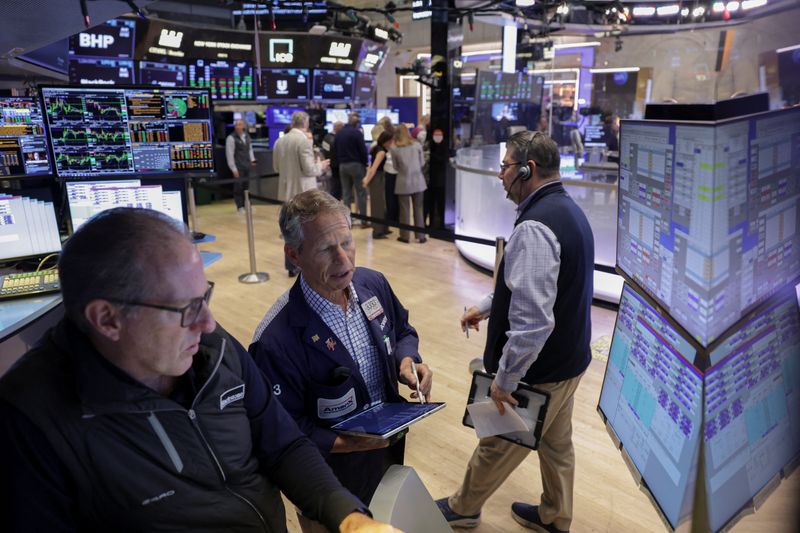
Broadcom's Price Target Raised Amid AI Revenue Optimism
Broadcom Inc (AVGO) saw its stock price drop by 5.00% as it crossed below the 5-day SMA, reflecting a challenging market environment.
The decline comes despite a recent price target upgrade from Wells Fargo, which raised Broadcom's target from $410 to $430 and upgraded its rating to Overweight. Analysts have also increased revenue forecasts for 2026 and 2027, indicating strong expectations for AI-driven revenue growth, particularly in AI Compute and Networking segments. This optimism contrasts with the broader market's downturn, where the Nasdaq-100 and S&P 500 fell by 1.47% and 1.44%, respectively, suggesting sector rotation may be influencing Broadcom's stock performance.
The implications of this news suggest that while Broadcom faces short-term price pressures, the long-term outlook remains positive due to anticipated growth in AI-related revenues, which could stabilize and eventually boost its stock price.
Trade with 70% Backtested Accuracy
Analyst Views on AVGO

About AVGO
About the author


Broadcom's AI Revenue Expected to Reach $100 Billion

- AI Revenue Growth Potential: Broadcom is projected to reach $100 billion in AI revenue by 2027, driven by partnerships with high-profile clients like Alphabet and OpenAI for its XPU chips, showcasing the company's robust growth potential in the AI market.
- Stock Performance Recovery: Despite a 15% decline in early 2026, Broadcom's stock rebounded in April, rising 23% year-to-date, reflecting market optimism regarding its AI business prospects.
- Market Share Expansion: Broadcom's XPUs are customized for clients, enhancing efficiency in inference workloads, and are expected to significantly boost AI revenue from $20 billion last year, further solidifying its market position.
- Long-Term Growth Outlook: Wall Street analysts forecast an annualized earnings growth rate of 41% for Broadcom over the next three to five years, indicating that despite a current P/E ratio exceeding 80, its growth potential remains attractive to investors.

Nvidia's Strong Earnings Report Fails to Boost Stock Price


- Earnings Beat: Nvidia's fiscal Q1 2027 earnings report showed significant beats in profit and revenue, indicating strong performance in its data center business; however, the stock fell about 1% in early trading, reflecting market skepticism.
- Buyback Announcement: The company unveiled an $80 billion stock buyback plan aimed at enhancing shareholder returns and boosting market confidence, yet the muted market reaction suggests a cautious investor sentiment.
- Data Center Growth: Nvidia reported nearly 100% year-on-year growth in data center revenue and adjusted its reporting structure to better highlight this strength, showcasing its competitive edge in the AI sector.
- Market Sentiment Weakness: Despite Nvidia's robust performance, the market's preference for memory stocks has dampened enthusiasm, with Morgan Stanley noting that investors may be growing complacent about Nvidia's consistent outperformance, potentially overlooking present risks.

Ultra-Wealthy Family Offices Double Down on Semiconductor Investments


- Increased Investment: David Tepper's family office, Appaloosa Management, raised its stake in Micron Technology by 11% in Q1 2026, making it the second-largest holding at $562.5 million, reflecting strong confidence in the semiconductor sector.
- New Investment Positions: Appaloosa also increased its stake in Taiwan Semiconductor by 18% to $448.6 million and disclosed a new $179 million position in Sandisk, indicating a diversified strategy within the semiconductor industry.
- Market Rebound: Over the past 30 days, shares of Sandisk and Micron surged approximately 50% and 60%, respectively, making the family office's investment decisions appear highly prescient amid the significant rise in semiconductor stock prices.
- Divergent Energy Strategies: Amid disruptions from the Iran war, Appaloosa increased its stake in Vistra Corp to $304 million, while BlueCrest Capital opted to exit its $103 million position, showcasing differing strategies among family offices in the energy sector.

Broadcom Stock Volatility Amid Analyst Upgrades
- Stock Volatility: Broadcom (AVGO) closed at $411.07 on May 19, down 6.5% from its record high of $439.79 on May 14, indicating market uncertainty despite several analyst upgrades suggesting potential future growth.
- Analyst Upgrades: Wells Fargo raised Broadcom's price target from $430 to $545, while TD Cowen increased its target from $405 to $500, although UBS issued warnings about semiconductor stocks, reflecting mixed sentiment regarding Broadcom's outlook.
- AI Market Potential: Evercore ISI analyst Mark Lipacis raised Broadcom's price target from $490 to $582, anticipating a shift in AI workloads from training to inference, which is expected to drive demand for Broadcom's custom ASIC chips and strengthen its market position.
- Infrastructure Software Growth: Broadcom renewed a five-year agreement with the London Stock Exchange Group to launch VMware Cloud Foundation 9.1, aimed at reducing deployment costs for enterprise AI applications, highlighting the significant growth potential in its infrastructure software segment following the 2023 VMware acquisition.

Nvidia Stock Declines Despite Strong Earnings Report
- Strong Earnings: Nvidia reported quarterly revenue of $6 billion, a 50% year-over-year increase; however, the stock still declined, indicating market concerns about future growth prospects.
- Market Reaction: Despite Nvidia's robust performance failing to boost its stock price, analysts note that investor sentiment towards tech stocks remains cautious, which could impact future investment decisions.
- SpaceX Massive IPO: Elon Musk's SpaceX has released its filing for a mammoth IPO, expected to attract significant investor interest, potentially generating positive market momentum.
- Oil Price Drop: On Wednesday, oil prices plummeted due to optimistic expectations regarding Iran, leading to a rally in stocks, highlighting the market's sensitivity to energy price fluctuations.

Nvidia's Strong Earnings Report Sparks Attention

- Strong Earnings: Nvidia's earnings report reveals nearly doubling year-over-year data center revenue, indicating relentless demand for its GPUs, although shares slipped in after-hours trading as investors scrutinized future guidance and rising competition.
- IPO Frenzy: SpaceX has filed for an IPO aiming to raise around $75 billion, surpassing Alibaba's record for the largest IPO, highlighting the intensifying competition among tech companies for public offerings, which could significantly impact market sentiment.
- Stabilizing Semiconductor Supply Chains: Samsung Electronics has reached a tentative agreement with its union to suspend a planned strike, likely providing temporary relief to global semiconductor supply chains critical for the ongoing AI boom.
- Market Rebound: Wall Street staged a strong rebound with the Dow surging over 600 points due to easing oil prices and moderating rate concerns, leading to a positive sentiment that has also lifted Asia-Pacific markets.
Broadcom's AI Revenue Expected to Reach $100 Billion
- AI Revenue Growth Potential: Broadcom is projected to reach $100 billion in AI revenue by 2027, driven by partnerships with high-profile clients like Alphabet and OpenAI for its XPU chips, showcasing the company's robust growth potential in the AI market.
- Stock Performance Recovery: Despite a 15% decline in early 2026, Broadcom's stock rebounded in April, rising 23% year-to-date, reflecting market optimism regarding its AI business prospects.
- Market Share Expansion: Broadcom's XPUs are customized for clients, enhancing efficiency in inference workloads, and are expected to significantly boost AI revenue from $20 billion last year, further solidifying its market position.
- Long-Term Growth Outlook: Wall Street analysts forecast an annualized earnings growth rate of 41% for Broadcom over the next three to five years, indicating that despite a current P/E ratio exceeding 80, its growth potential remains attractive to investors.
Nvidia's Strong Earnings Report Fails to Boost Stock Price
- Earnings Beat: Nvidia's fiscal Q1 2027 earnings report showed significant beats in profit and revenue, indicating strong performance in its data center business; however, the stock fell about 1% in early trading, reflecting market skepticism.
- Buyback Announcement: The company unveiled an $80 billion stock buyback plan aimed at enhancing shareholder returns and boosting market confidence, yet the muted market reaction suggests a cautious investor sentiment.
- Data Center Growth: Nvidia reported nearly 100% year-on-year growth in data center revenue and adjusted its reporting structure to better highlight this strength, showcasing its competitive edge in the AI sector.
- Market Sentiment Weakness: Despite Nvidia's robust performance, the market's preference for memory stocks has dampened enthusiasm, with Morgan Stanley noting that investors may be growing complacent about Nvidia's consistent outperformance, potentially overlooking present risks.
Ultra-Wealthy Family Offices Double Down on Semiconductor Investments
- Increased Investment: David Tepper's family office, Appaloosa Management, raised its stake in Micron Technology by 11% in Q1 2026, making it the second-largest holding at $562.5 million, reflecting strong confidence in the semiconductor sector.
- New Investment Positions: Appaloosa also increased its stake in Taiwan Semiconductor by 18% to $448.6 million and disclosed a new $179 million position in Sandisk, indicating a diversified strategy within the semiconductor industry.
- Market Rebound: Over the past 30 days, shares of Sandisk and Micron surged approximately 50% and 60%, respectively, making the family office's investment decisions appear highly prescient amid the significant rise in semiconductor stock prices.
- Divergent Energy Strategies: Amid disruptions from the Iran war, Appaloosa increased its stake in Vistra Corp to $304 million, while BlueCrest Capital opted to exit its $103 million position, showcasing differing strategies among family offices in the energy sector.
Broadcom Stock Volatility Amid Analyst Upgrades
- Stock Volatility: Broadcom (AVGO) closed at $411.07 on May 19, down 6.5% from its record high of $439.79 on May 14, indicating market uncertainty despite several analyst upgrades suggesting potential future growth.
- Analyst Upgrades: Wells Fargo raised Broadcom's price target from $430 to $545, while TD Cowen increased its target from $405 to $500, although UBS issued warnings about semiconductor stocks, reflecting mixed sentiment regarding Broadcom's outlook.
- AI Market Potential: Evercore ISI analyst Mark Lipacis raised Broadcom's price target from $490 to $582, anticipating a shift in AI workloads from training to inference, which is expected to drive demand for Broadcom's custom ASIC chips and strengthen its market position.
- Infrastructure Software Growth: Broadcom renewed a five-year agreement with the London Stock Exchange Group to launch VMware Cloud Foundation 9.1, aimed at reducing deployment costs for enterprise AI applications, highlighting the significant growth potential in its infrastructure software segment following the 2023 VMware acquisition.
Nvidia Stock Declines Despite Strong Earnings Report
- Strong Earnings: Nvidia reported quarterly revenue of $6 billion, a 50% year-over-year increase; however, the stock still declined, indicating market concerns about future growth prospects.
- Market Reaction: Despite Nvidia's robust performance failing to boost its stock price, analysts note that investor sentiment towards tech stocks remains cautious, which could impact future investment decisions.
- SpaceX Massive IPO: Elon Musk's SpaceX has released its filing for a mammoth IPO, expected to attract significant investor interest, potentially generating positive market momentum.
- Oil Price Drop: On Wednesday, oil prices plummeted due to optimistic expectations regarding Iran, leading to a rally in stocks, highlighting the market's sensitivity to energy price fluctuations.
Nvidia's Strong Earnings Report Sparks Attention
- Strong Earnings: Nvidia's earnings report reveals nearly doubling year-over-year data center revenue, indicating relentless demand for its GPUs, although shares slipped in after-hours trading as investors scrutinized future guidance and rising competition.
- IPO Frenzy: SpaceX has filed for an IPO aiming to raise around $75 billion, surpassing Alibaba's record for the largest IPO, highlighting the intensifying competition among tech companies for public offerings, which could significantly impact market sentiment.
- Stabilizing Semiconductor Supply Chains: Samsung Electronics has reached a tentative agreement with its union to suspend a planned strike, likely providing temporary relief to global semiconductor supply chains critical for the ongoing AI boom.
- Market Rebound: Wall Street staged a strong rebound with the Dow surging over 600 points due to easing oil prices and moderating rate concerns, leading to a positive sentiment that has also lifted Asia-Pacific markets.