Broadcom shares drop 11% despite strong earnings report

Broadcom Inc's shares fell by 3.00% today, hitting a 20-day low, as the Nasdaq-100 declined by 0.27% and the S&P 500 dropped by 0.08%.
The stock's decline follows a strong earnings report where Broadcom reported a 28% revenue growth to $18.02 billion, surpassing analyst estimates. However, shares plummeted 11% due to negative investor sentiment towards AI infrastructure-related companies, despite the company expecting AI chip sales to double this quarter to $8.2 billion.
This significant drop reflects broader market concerns regarding the profitability of tech investments, particularly in light of warnings about declining margins on future AI system sales. Investors are increasingly cautious, shifting focus from tech stocks to value sectors.
Trade with 70% Backtested Accuracy
Analyst Views on AVGO

About AVGO
About the author


Jim Cramer Increases Alphabet Holdings Amid Market Pullback


- Increased Holdings: Jim Cramer's Charitable Trust is purchasing 50 shares of Alphabet at approximately $301 each, raising its stake from 1.15% to 1.55%, reflecting confidence in Alphabet's future growth potential.
- Financial Performance: While Alphabet's recent earnings report showcased strong revenue and earnings-per-share growth, particularly in Search and Google Cloud, the ambitious capital expenditure plans are causing free cash flow to decline, projected to drop to about $33 billion in 2026.
- Capital Expenditure Plans: Alphabet intends to spend between $175 billion and $185 billion in capital expenditures by 2026, significantly exceeding Wall Street's estimate of $115 billion, which has unsettled the market and impacted the performance of major tech stocks.
- Cloud Growth: Google Cloud's backlog has grown by 55% year-over-year to $240 billion, indicating a growing market share, and while free cash flow faces pressure, the increase in AI-driven search revenue provides new growth momentum for the company.

Reassessment of AI Spending Impacts Major Tech Stocks


- Market Value Loss: In 2026, major tech companies including Microsoft, Amazon, Nvidia, Apple, and Alphabet saw a combined market value drop of over $1.3 trillion due to a reassessment of AI spending, indicating investor caution regarding elevated capital expenditure plans.
- Semiconductor Industry Outlook: Despite market volatility, the semiconductor sector remains robust, with global chip sales reaching $791.7 billion in 2025 and projected to grow by 26% in 2026, positioning the industry to approach $1 trillion in annual revenue.
- Accelerating Data Center Demand: SIA CEO John Neuffer highlighted that increasing demand for data centers is driving growth in the semiconductor industry, while also noting that cyclical fluctuations are likely to persist, reflecting the dynamic nature of the market.
- Nvidia Earnings Focus: Nvidia is set to report earnings on February 25, 2026, and despite recent stock weakness, analysts like Jim Cramer have dubbed it the “GOAT,” emphasizing its competitive position and resilience in the market.

Three Tech Stocks Poised for Growth Over Next Five Years

- AI-Driven Growth: Nvidia, Taiwan Semiconductor, and Broadcom are positioned crucially in the AI sector, expected to benefit from a surge in data center spending over the next five years, driving significant stock price increases.
- Taiwan Semiconductor Revenue Forecast: Taiwan Semiconductor anticipates its AI-related chip revenue will grow at nearly a 60% compound annual growth rate, indicating strong market demand and future profitability potential.
- Broadcom Price Target: Broadcom's average one-year price target is $460, requiring only a 47% increase to reach the $500 target, with expectations of achieving this within the next two years.
- Nvidia's Challenge: Although Nvidia needs to rise 163% to hit $500, with data center spending projected to reach $3 trillion, Nvidia has the potential to achieve this target within five years, possibly exceeding it.
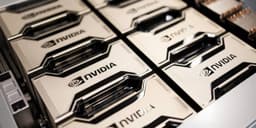
Nvidia Shares Decline: Two Reasons to Remain Optimistic About Its AI Chips.

Stock Performance: Nvidia's stock was slightly declining early Tuesday.
Analyst Outlook: A positive assessment from a Wall Street analyst is expected to reassure investors.
AI Chip Efficiency: The company reported impressive efficiency metrics for its artificial intelligence chips.
Investor Sentiment: Overall, the combination of analyst support and strong chip performance should bolster investor confidence.

2026 Data Center Construction Boom Ahead
- Surge in AI Spending: Spending on artificial intelligence is projected to reach new heights by 2026, driving significant growth for Nvidia, Broadcom, and Taiwan Semiconductor, making them top picks for investors looking to capitalize on this trend.
- Capital Expenditure Forecast: Amazon, Alphabet, and Meta are expected to collectively invest over $500 billion in 2026 for data center construction and equipment purchases, with Nvidia and Broadcom benefiting significantly as chips account for nearly half of data center construction costs.
- Significant Growth Potential: Nvidia forecasts that global data center capital expenditures will reach $3 trillion to $4 trillion annually by 2030, indicating immense future demand for infrastructure, which could drive stock prices of related companies higher.
- Market Valuation Lag: Despite Nvidia, Broadcom, and Taiwan Semiconductor being projected to achieve impressive revenue growth, the market has not assigned them significant premiums, with Nvidia expected to grow 64% in fiscal 2027, while Broadcom and Taiwan Semiconductor are projected to grow 51% and 34%, respectively.

AI Infrastructure Drives Semiconductor Industry Growth
- Surging Market Demand: Five companies are projected to spend a staggering $700 billion on AI data centers this year, driving rapid growth in the semiconductor industry, particularly benefiting firms like Nvidia and Broadcom.
- Nvidia's Market Dominance: With approximately 90% market share in graphics processing units (GPUs), Nvidia's CUDA software platform provides robust support for AI training, which is expected to further boost its revenue growth.
- Broadcom's Custom Chip Advantage: Broadcom is assisting customers in developing custom AI application-specific integrated circuits (ASICs), which, while less flexible than GPUs, offer advantages in energy efficiency and cost-effectiveness, likely leading to rapid market share growth.
- Micron's DRAM Shortage Opportunity: As demand for high-bandwidth memory (HBM) surges, Micron, as one of the major DRAM manufacturers, is set to benefit from an ongoing supercycle, significantly enhancing its revenue and gross margins.
Jim Cramer Increases Alphabet Holdings Amid Market Pullback
- Increased Holdings: Jim Cramer's Charitable Trust is purchasing 50 shares of Alphabet at approximately $301 each, raising its stake from 1.15% to 1.55%, reflecting confidence in Alphabet's future growth potential.
- Financial Performance: While Alphabet's recent earnings report showcased strong revenue and earnings-per-share growth, particularly in Search and Google Cloud, the ambitious capital expenditure plans are causing free cash flow to decline, projected to drop to about $33 billion in 2026.
- Capital Expenditure Plans: Alphabet intends to spend between $175 billion and $185 billion in capital expenditures by 2026, significantly exceeding Wall Street's estimate of $115 billion, which has unsettled the market and impacted the performance of major tech stocks.
- Cloud Growth: Google Cloud's backlog has grown by 55% year-over-year to $240 billion, indicating a growing market share, and while free cash flow faces pressure, the increase in AI-driven search revenue provides new growth momentum for the company.
Reassessment of AI Spending Impacts Major Tech Stocks
- Market Value Loss: In 2026, major tech companies including Microsoft, Amazon, Nvidia, Apple, and Alphabet saw a combined market value drop of over $1.3 trillion due to a reassessment of AI spending, indicating investor caution regarding elevated capital expenditure plans.
- Semiconductor Industry Outlook: Despite market volatility, the semiconductor sector remains robust, with global chip sales reaching $791.7 billion in 2025 and projected to grow by 26% in 2026, positioning the industry to approach $1 trillion in annual revenue.
- Accelerating Data Center Demand: SIA CEO John Neuffer highlighted that increasing demand for data centers is driving growth in the semiconductor industry, while also noting that cyclical fluctuations are likely to persist, reflecting the dynamic nature of the market.
- Nvidia Earnings Focus: Nvidia is set to report earnings on February 25, 2026, and despite recent stock weakness, analysts like Jim Cramer have dubbed it the “GOAT,” emphasizing its competitive position and resilience in the market.
Three Tech Stocks Poised for Growth Over Next Five Years
- AI-Driven Growth: Nvidia, Taiwan Semiconductor, and Broadcom are positioned crucially in the AI sector, expected to benefit from a surge in data center spending over the next five years, driving significant stock price increases.
- Taiwan Semiconductor Revenue Forecast: Taiwan Semiconductor anticipates its AI-related chip revenue will grow at nearly a 60% compound annual growth rate, indicating strong market demand and future profitability potential.
- Broadcom Price Target: Broadcom's average one-year price target is $460, requiring only a 47% increase to reach the $500 target, with expectations of achieving this within the next two years.
- Nvidia's Challenge: Although Nvidia needs to rise 163% to hit $500, with data center spending projected to reach $3 trillion, Nvidia has the potential to achieve this target within five years, possibly exceeding it.
Nvidia Shares Decline: Two Reasons to Remain Optimistic About Its AI Chips.
Stock Performance: Nvidia's stock was slightly declining early Tuesday.
Analyst Outlook: A positive assessment from a Wall Street analyst is expected to reassure investors.
AI Chip Efficiency: The company reported impressive efficiency metrics for its artificial intelligence chips.
Investor Sentiment: Overall, the combination of analyst support and strong chip performance should bolster investor confidence.
2026 Data Center Construction Boom Ahead
- Surge in AI Spending: Spending on artificial intelligence is projected to reach new heights by 2026, driving significant growth for Nvidia, Broadcom, and Taiwan Semiconductor, making them top picks for investors looking to capitalize on this trend.
- Capital Expenditure Forecast: Amazon, Alphabet, and Meta are expected to collectively invest over $500 billion in 2026 for data center construction and equipment purchases, with Nvidia and Broadcom benefiting significantly as chips account for nearly half of data center construction costs.
- Significant Growth Potential: Nvidia forecasts that global data center capital expenditures will reach $3 trillion to $4 trillion annually by 2030, indicating immense future demand for infrastructure, which could drive stock prices of related companies higher.
- Market Valuation Lag: Despite Nvidia, Broadcom, and Taiwan Semiconductor being projected to achieve impressive revenue growth, the market has not assigned them significant premiums, with Nvidia expected to grow 64% in fiscal 2027, while Broadcom and Taiwan Semiconductor are projected to grow 51% and 34%, respectively.
AI Infrastructure Drives Semiconductor Industry Growth
- Surging Market Demand: Five companies are projected to spend a staggering $700 billion on AI data centers this year, driving rapid growth in the semiconductor industry, particularly benefiting firms like Nvidia and Broadcom.
- Nvidia's Market Dominance: With approximately 90% market share in graphics processing units (GPUs), Nvidia's CUDA software platform provides robust support for AI training, which is expected to further boost its revenue growth.
- Broadcom's Custom Chip Advantage: Broadcom is assisting customers in developing custom AI application-specific integrated circuits (ASICs), which, while less flexible than GPUs, offer advantages in energy efficiency and cost-effectiveness, likely leading to rapid market share growth.
- Micron's DRAM Shortage Opportunity: As demand for high-bandwidth memory (HBM) surges, Micron, as one of the major DRAM manufacturers, is set to benefit from an ongoing supercycle, significantly enhancing its revenue and gross margins.