BP signs agreement for C$14 billion oil project with Equinor
BP PLC shares rose 3.00% as the stock reached a 52-week high.
The provincial government of Newfoundland and Labrador has signed a framework agreement with BP and Equinor to advance the C$14 billion Bay du Nord offshore oil project. This agreement is expected to significantly enhance the province's fiscal capacity, generating up to C$6.4 billion in direct revenue during the first phase and creating thousands of jobs. The project marks a strategic pivot for BP towards traditional fossil fuels amidst ongoing market pressures.
This development underscores BP's commitment to expanding its oil production capabilities, which could lead to increased revenue and job creation in the region, reflecting a broader trend in the energy sector towards investment in fossil fuels.
Trade with 70% Backtested Accuracy
Analyst Views on BP

About BP
About the author

BP Board Ousts Chairman Amid Governance Issues, Market Impact Expected
- Executive Shakeup Impact: BP's board has ousted Chairman Albert Manifold amid governance concerns, which he has strongly denied; this move signals potential governance issues that could lead to decreased market confidence and negatively impact stock performance.
- Strategic Shift: Under new CEO Meg O’Neill, BP plans to refocus on fossil fuels, reversing its diversification into lower-return renewable energy projects, aiming to enhance profitability and strengthen its competitive position in the market.
- Market Reaction Expectations: Although BP's stock has risen 20% year-to-date, outperforming Shell's 14%, it still lags behind the energy sector's overall 27% growth, indicating potential challenges ahead due to management instability.
- Production and Financial Outlook: BP is working towards a target of 100% reserves replacement by 2027, with successful exploration in Brazil and the Gulf of America providing opportunities for long-term production; effective financial performance improvements could help restore market confidence.

BP Shares Rebound After Six-Day Decline, Analysts Optimistic About Future
- Stock Rebound: BP shares rose 1% to $42.01 on Friday after six consecutive days of losses, indicating market expectations for a short-term recovery, despite a 10% decline over the past month.
- Year-to-Date Performance: Year-to-date, BP's stock has advanced approximately 20%, significantly outperforming the S&P 500's 10.5% increase, suggesting a relative strength that may attract more investor interest.
- Analyst Upgrades: RBC Capital recently upgraded BP, stating that the current windfall from higher crude prices presents a 'second chance for BP to de-leverage,' which should help solidify the company's footing for the coming years, reflecting confidence in its long-term potential.
- Market Sentiment: While Seeking Alpha's Quant Rating gives BP a Hold rating and analysts express caution regarding its growth prospects, nine Wall Street analysts have rated BP as Buy or higher, indicating a generally optimistic outlook for the company's future.

U.S.-Iran Peace Agreement Close Yet Obstacles Remain


- U.S.-Iran Peace Progress: The peace agreement between the U.S. and Iran appears tantalizingly close, yet mixed messages from Washington and Tehran, along with ongoing missile strikes, present significant obstacles, as President Trump has yet to give final approval for a 60-day memorandum of understanding.
- Oil Price Volatility: Brent crude prices have fallen over 17% in May, while WTI has dropped more than 15%, significantly impacting the energy market, with forecasts indicating that oil inventories could reach record lows in the coming weeks.
- Strong Corporate Earnings: Dell's shares surged nearly 40% in after-hours trading after exceeding Wall Street's earnings forecasts and raising guidance, with analysts attributing this solid performance to Michael Dell's early efforts to foster good relations with the Trump Administration.
- Ferrari EV Launch Crisis: The launch of Ferrari's first full-electric car, the Luce, turned into a PR crisis due to overly strict security measures that disappointed investors, leading to an 8% drop in stock price the following day, although this move signifies a crucial step for the company in the electric vehicle market.

US-Iran Conflict Escalates, Oil Prices Surge Amid Economic Uncertainty


- Escalation of US-Iran Conflict: Following weeks of paused action, the US and Iran have resumed airstrikes, complicating hopes for a permanent resolution to the conflict, which is impacting global oil supplies and market sentiment.
- Strong Stock Market Performance: Despite rising geopolitical tensions, both the S&P 500 and Nasdaq Composite closed at record highs, primarily driven by a surge in AI-related stocks, indicating strong market confidence in the technology sector.
- Oil Price Warning: ExxonMobil has warned that oil inventories are on track to reach dangerously low levels in the coming weeks, forcing prices to spike and curbing demand, reflecting market concerns over energy supply.
- Wealthy Investors Pulling Out: According to the UBS Global Family Office Report, 60% of family offices plan to adjust their investment allocations in the next year, with many reducing US holdings and increasing exposure to emerging markets, highlighting a growing trend of 'de-dollarization'.
BP to Operate Babek Natural Gas Field in Azerbaijan
- Rich Resource Reserves: The Babek gas field is estimated to hold approximately 400 billion cubic meters of gas and 80 million metric tons of condensate, significantly enhancing BP's energy assets in Azerbaijan and further solidifying its position in the global energy market.
- Shifting Market Dependence: As Europe reduces its reliance on Russian energy, Azerbaijan's energy reserves have become increasingly important, and BP's new project will help it secure a more advantageous competitive position in the European market.
- Significant Production Contribution: Azerbaijan's production currently accounts for about 20% of BP's total global hydrocarbon output, and the operation of the Babek gas field will further increase this percentage, enhancing the company's overall production and revenue potential.
- Upcoming Cooperation Announcement: The Babek agreement between BP and Azerbaijan's state energy company SOCAR is expected to be officially announced on June 1, which will bring new growth opportunities for BP and demonstrate its long-term strategic commitment to the region.
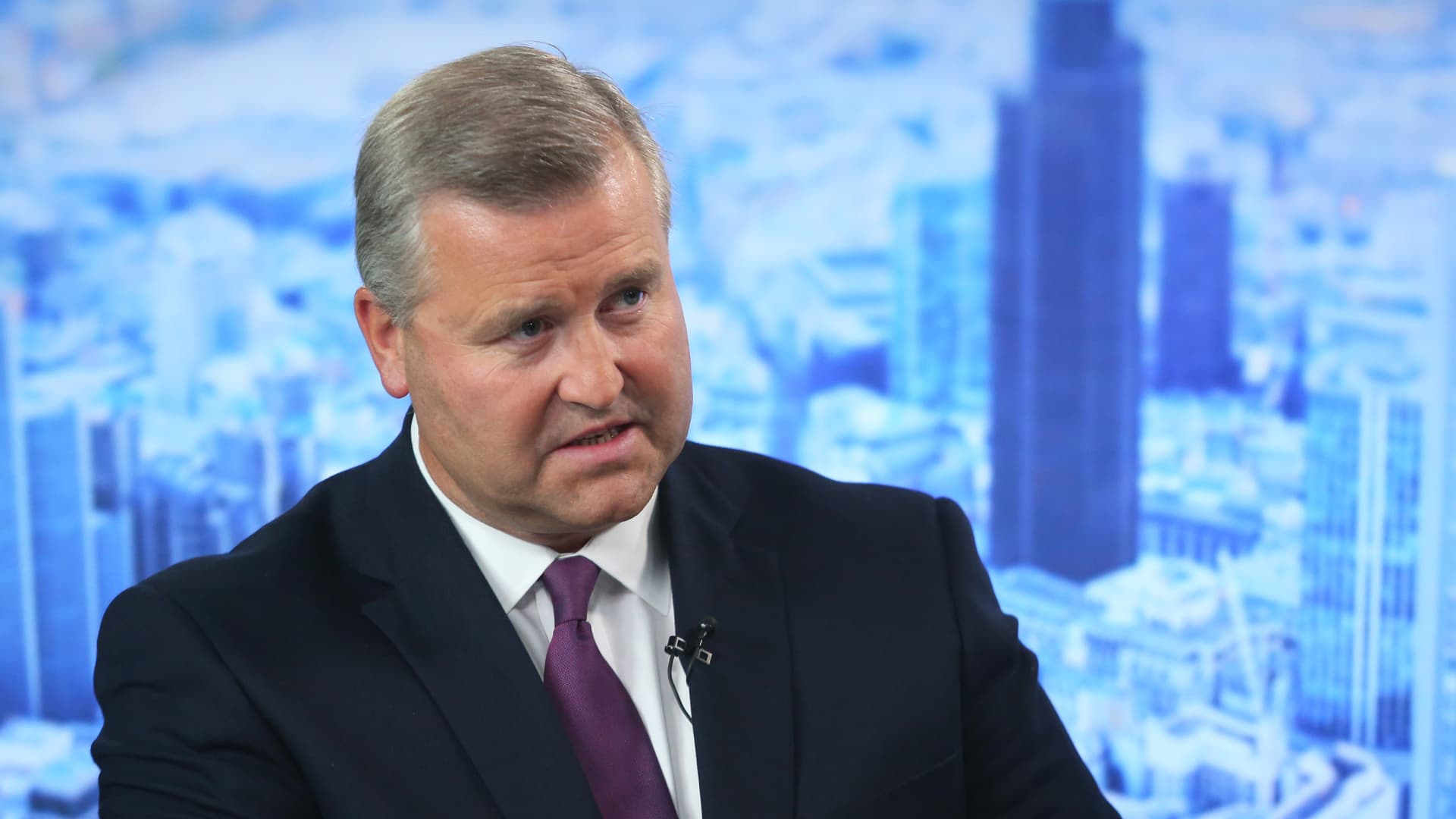
BP Board Removes Chairman Albert Manifold Amid Governance Concerns

- Board Dismissal: BP's board announced the removal of Albert Manifold due to 'serious concerns' regarding governance standards and oversight, highlighting the company's urgency in addressing internal management issues amidst a strategic reset.
- Management Turmoil: Manifold's tenure lasted only eight months, marked by aggressive interactions with colleagues, reflecting internal challenges BP faces as it pivots back to traditional oil and gas amid a broader transformation.
- Shareholder Rebellion: Prior to his dismissal, 81.8% of shareholders supported Manifold's re-election at BP's annual general meeting, indicating significant investor dissatisfaction and concerns over the company's governance and future direction.
- Interim Leadership: BP appointed Ian Tyler as interim chair and initiated a succession process for a permanent chair, demonstrating the company's urgent need to stabilize its governance structure in light of the ongoing strategic transition and shareholder trust issues.
BP Board Ousts Chairman Amid Governance Issues, Market Impact Expected
- Executive Shakeup Impact: BP's board has ousted Chairman Albert Manifold amid governance concerns, which he has strongly denied; this move signals potential governance issues that could lead to decreased market confidence and negatively impact stock performance.
- Strategic Shift: Under new CEO Meg O’Neill, BP plans to refocus on fossil fuels, reversing its diversification into lower-return renewable energy projects, aiming to enhance profitability and strengthen its competitive position in the market.
- Market Reaction Expectations: Although BP's stock has risen 20% year-to-date, outperforming Shell's 14%, it still lags behind the energy sector's overall 27% growth, indicating potential challenges ahead due to management instability.
- Production and Financial Outlook: BP is working towards a target of 100% reserves replacement by 2027, with successful exploration in Brazil and the Gulf of America providing opportunities for long-term production; effective financial performance improvements could help restore market confidence.
BP Shares Rebound After Six-Day Decline, Analysts Optimistic About Future
- Stock Rebound: BP shares rose 1% to $42.01 on Friday after six consecutive days of losses, indicating market expectations for a short-term recovery, despite a 10% decline over the past month.
- Year-to-Date Performance: Year-to-date, BP's stock has advanced approximately 20%, significantly outperforming the S&P 500's 10.5% increase, suggesting a relative strength that may attract more investor interest.
- Analyst Upgrades: RBC Capital recently upgraded BP, stating that the current windfall from higher crude prices presents a 'second chance for BP to de-leverage,' which should help solidify the company's footing for the coming years, reflecting confidence in its long-term potential.
- Market Sentiment: While Seeking Alpha's Quant Rating gives BP a Hold rating and analysts express caution regarding its growth prospects, nine Wall Street analysts have rated BP as Buy or higher, indicating a generally optimistic outlook for the company's future.
U.S.-Iran Peace Agreement Close Yet Obstacles Remain
- U.S.-Iran Peace Progress: The peace agreement between the U.S. and Iran appears tantalizingly close, yet mixed messages from Washington and Tehran, along with ongoing missile strikes, present significant obstacles, as President Trump has yet to give final approval for a 60-day memorandum of understanding.
- Oil Price Volatility: Brent crude prices have fallen over 17% in May, while WTI has dropped more than 15%, significantly impacting the energy market, with forecasts indicating that oil inventories could reach record lows in the coming weeks.
- Strong Corporate Earnings: Dell's shares surged nearly 40% in after-hours trading after exceeding Wall Street's earnings forecasts and raising guidance, with analysts attributing this solid performance to Michael Dell's early efforts to foster good relations with the Trump Administration.
- Ferrari EV Launch Crisis: The launch of Ferrari's first full-electric car, the Luce, turned into a PR crisis due to overly strict security measures that disappointed investors, leading to an 8% drop in stock price the following day, although this move signifies a crucial step for the company in the electric vehicle market.
US-Iran Conflict Escalates, Oil Prices Surge Amid Economic Uncertainty
- Escalation of US-Iran Conflict: Following weeks of paused action, the US and Iran have resumed airstrikes, complicating hopes for a permanent resolution to the conflict, which is impacting global oil supplies and market sentiment.
- Strong Stock Market Performance: Despite rising geopolitical tensions, both the S&P 500 and Nasdaq Composite closed at record highs, primarily driven by a surge in AI-related stocks, indicating strong market confidence in the technology sector.
- Oil Price Warning: ExxonMobil has warned that oil inventories are on track to reach dangerously low levels in the coming weeks, forcing prices to spike and curbing demand, reflecting market concerns over energy supply.
- Wealthy Investors Pulling Out: According to the UBS Global Family Office Report, 60% of family offices plan to adjust their investment allocations in the next year, with many reducing US holdings and increasing exposure to emerging markets, highlighting a growing trend of 'de-dollarization'.
BP to Operate Babek Natural Gas Field in Azerbaijan
- Rich Resource Reserves: The Babek gas field is estimated to hold approximately 400 billion cubic meters of gas and 80 million metric tons of condensate, significantly enhancing BP's energy assets in Azerbaijan and further solidifying its position in the global energy market.
- Shifting Market Dependence: As Europe reduces its reliance on Russian energy, Azerbaijan's energy reserves have become increasingly important, and BP's new project will help it secure a more advantageous competitive position in the European market.
- Significant Production Contribution: Azerbaijan's production currently accounts for about 20% of BP's total global hydrocarbon output, and the operation of the Babek gas field will further increase this percentage, enhancing the company's overall production and revenue potential.
- Upcoming Cooperation Announcement: The Babek agreement between BP and Azerbaijan's state energy company SOCAR is expected to be officially announced on June 1, which will bring new growth opportunities for BP and demonstrate its long-term strategic commitment to the region.
BP Board Removes Chairman Albert Manifold Amid Governance Concerns
- Board Dismissal: BP's board announced the removal of Albert Manifold due to 'serious concerns' regarding governance standards and oversight, highlighting the company's urgency in addressing internal management issues amidst a strategic reset.
- Management Turmoil: Manifold's tenure lasted only eight months, marked by aggressive interactions with colleagues, reflecting internal challenges BP faces as it pivots back to traditional oil and gas amid a broader transformation.
- Shareholder Rebellion: Prior to his dismissal, 81.8% of shareholders supported Manifold's re-election at BP's annual general meeting, indicating significant investor dissatisfaction and concerns over the company's governance and future direction.
- Interim Leadership: BP appointed Ian Tyler as interim chair and initiated a succession process for a permanent chair, demonstrating the company's urgent need to stabilize its governance structure in light of the ongoing strategic transition and shareholder trust issues.