Boeing Secures $1.5 Billion Deal with El Al for Dreamliners
Boeing's stock rose by 3.02% as it reached a 20-day high, reflecting positive market conditions.
The company announced that El Al Israel Airlines will purchase up to 12 additional 787 Dreamliners in a deal valued at approximately $1.5 billion. This order includes options for six 787-9 jets and upgrades to four larger, more efficient 787-10 aircraft, with deliveries expected between 2030 and 2032. This expansion will support El Al's long-haul growth to key markets such as North America and Asia, enhancing Boeing's order book and market position.
This significant order not only strengthens Boeing's relationship with El Al but also highlights the ongoing demand for modern aircraft in the aviation market, which is crucial for Boeing's recovery and growth strategy.
Trade with 70% Backtested Accuracy
Analyst Views on BA

About BA
About the author

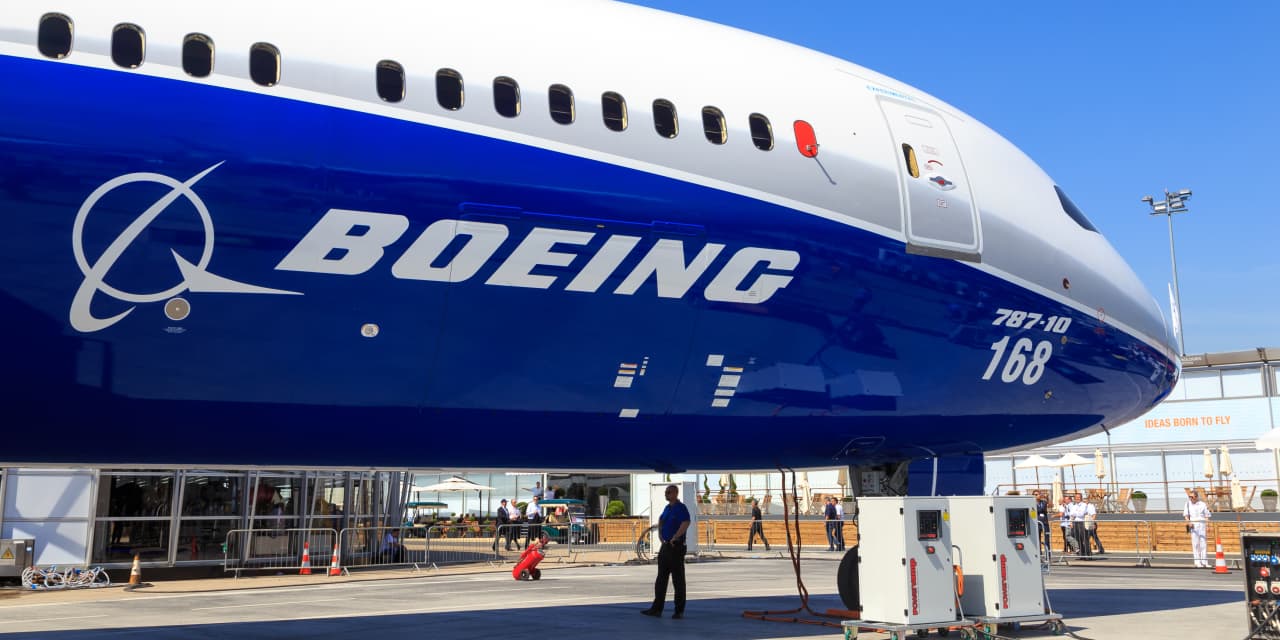
Emirates Expects Delivery of 777X by June 2024

- 777X Delivery Expectation: Emirates anticipates receiving its long-delayed first Boeing 777X by June 2024, despite development setbacks due to certification delays, indicating the airline's continued trust and expectation from Boeing.
- Engine Durability Concerns: President Tim Clark reiterated concerns regarding the Rolls-Royce Trent XWB-97 engine's durability in hot desert conditions, stating that Emirates will not order the competing Airbus A350-1000 until these issues are resolved, reflecting strong demands from engine manufacturers.
- Executive Compensation Controversy: Clark questioned the potential £100 million remuneration package for Rolls-Royce CEO Tufan Erginbilgic, who is credited with a significant turnaround in profits and shares, suggesting that this controversy could impact the company's reputation and its relationships with airlines.
- Industry Price Dispute: Tensions between Emirates and engine manufacturers have escalated, with Clark criticizing their failure to meet demand, resulting in idle aircraft, highlighting airlines' dissatisfaction with engine makers over pricing and delivery delays.

Comparative Analysis of Boeing and Firefly Aerospace in the Aerospace Market

- Boeing Financial Performance: In FY 2025, Boeing reported revenue of approximately $89.5 billion, a 34.5% increase year-over-year, with a net income of about $2.2 billion and a net margin improvement to 2.5%, indicating strong recovery in the global aviation market.
- Firefly Aerospace Growth Potential: Firefly Aerospace achieved nearly $159.9 million in revenue for FY 2025, a 163% increase, despite a net loss of $298.3 million, showcasing rapid expansion in the small launch vehicle market and future growth prospects.
- Risks and Challenges: Boeing faces operational challenges related to production stability and quality control for the 737 program, alongside financial pressures from fixed-price development project losses, while Firefly Aerospace relies on successful launch missions with a high customer concentration of 86%, increasing financial risk.
- Valuation Comparison: Boeing's forward P/E ratio stands at 52.4x, while Firefly Aerospace's P/S ratio is as high as 37.1x, reflecting the distinct investment risks and return potentials associated with their respective market positions.
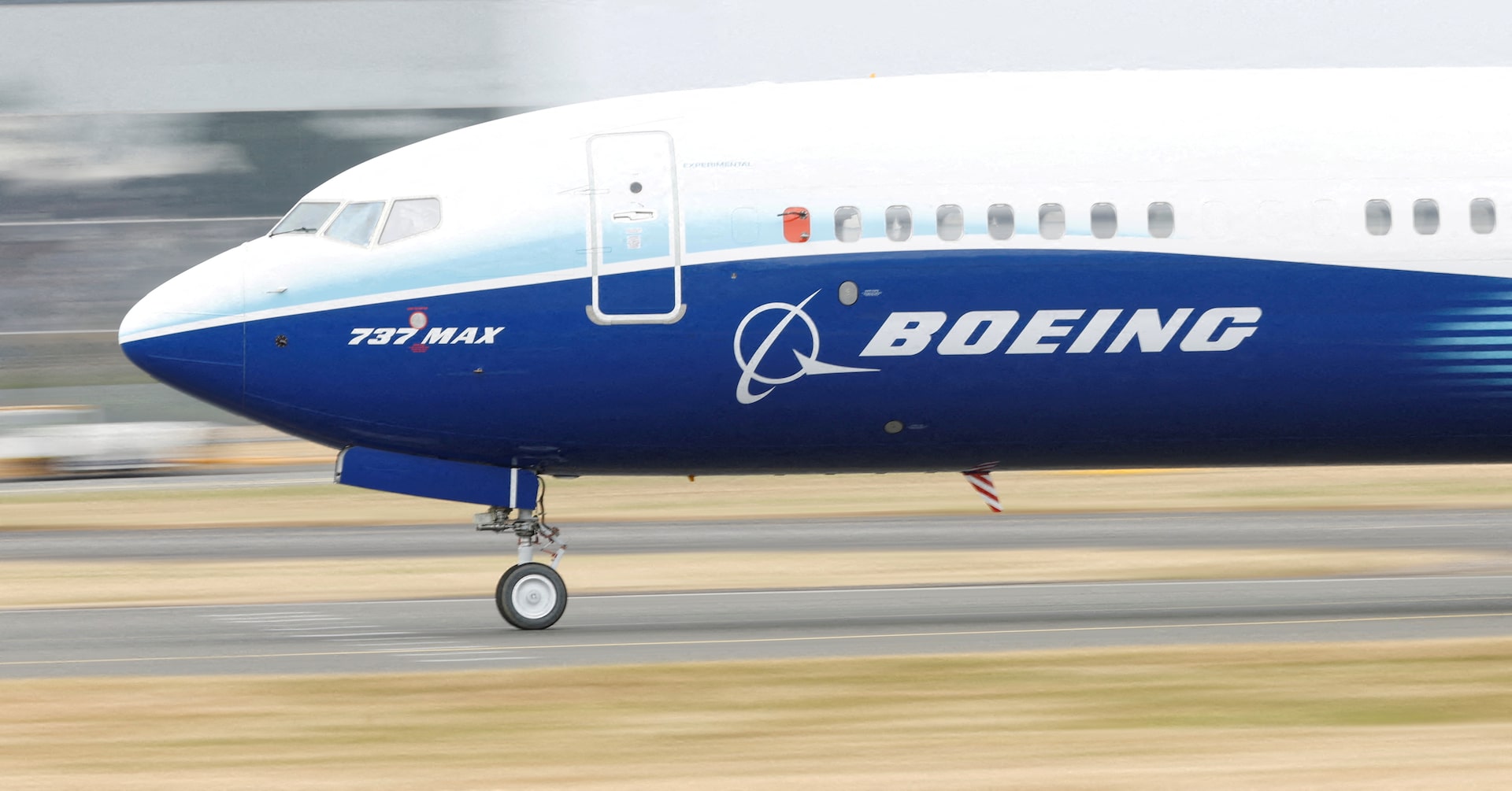
Boeing's Delivery Surge Boosts Investor Confidence
- Record Deliveries: Boeing reported 60 aircraft deliveries in May, a 27.7% increase from April's 47 and a 33% rise compared to May 2025, indicating a strong recovery trajectory that is expected to enhance free cash flow.
- 737 Max Production Boost: The company delivered 51 737 Max jets in May, marking the highest monthly deliveries since December 2024, with production ramping up to 47 jets per month, demonstrating improved capacity to meet market demand and reduce backlog.
- Chinese Order Revival: The Chinese Ministry of Commerce confirmed an agreement to purchase 200 Boeing aircraft, marking the first order from China in nearly a decade, suggesting a rebound in global demand and potential for increased future orders.
- Optimistic Financial Outlook: Despite an anticipated cash outflow of $218 million in Q2, analysts project free cash flow of $1.15 billion and $2.95 billion in the third and fourth quarters, respectively, indicating a positive trend in Boeing's financial health.
Boeing Delivers 60 Aircraft in May, Signs of Recovery Evident
- Delivery Recovery: Boeing delivered 60 commercial aircraft in May, including 51 of its popular 737 Max jets, indicating a gradual recovery from earlier production setbacks, although still trailing Airbus's 81 deliveries.
- Stable Order Situation: The company booked 27 gross orders in May, comprising 17 737s and 10 787s, despite 16 cancellations, resulting in a net order total of 298 aircraft, suggesting ongoing market demand.
- Production Challenges Eased: Boeing's previously disclosed wiring issue affecting 25 undelivered 737 Max aircraft has been largely resolved, as evidenced by the improved delivery figures in May, reflecting enhancements in production processes.
- Financial Performance Improvement: With 250 commercial aircraft delivered by the end of May, Boeing's steady output increase is crucial for strengthening its financial position and supporting recovery from years of manufacturing and safety challenges.
BA Stock Shows Minor Fluctuations Amid Sector Performance
- Stock Performance: BA's stock is currently down about 0.2% as of midday Tuesday, indicating slight fluctuations within the aerospace and defense sector, reflecting market caution regarding the company's short-term performance.
- Industry Comparison: In contrast, RTX Corp is up approximately 1.1% and General Dynamics Corp is up about 0.8%, suggesting that BA is facing competitive pressure within its industry.
- Three-Month Price History: The three-month price history chart for BA highlights its relative weakness compared to RTX and GD, which may impact investor confidence moving forward.
- Analyst Opinions: While market views on BA vary, overall analyst sentiment indicates caution regarding its future performance, potentially leading investors to adopt a wait-and-see approach in the short term.
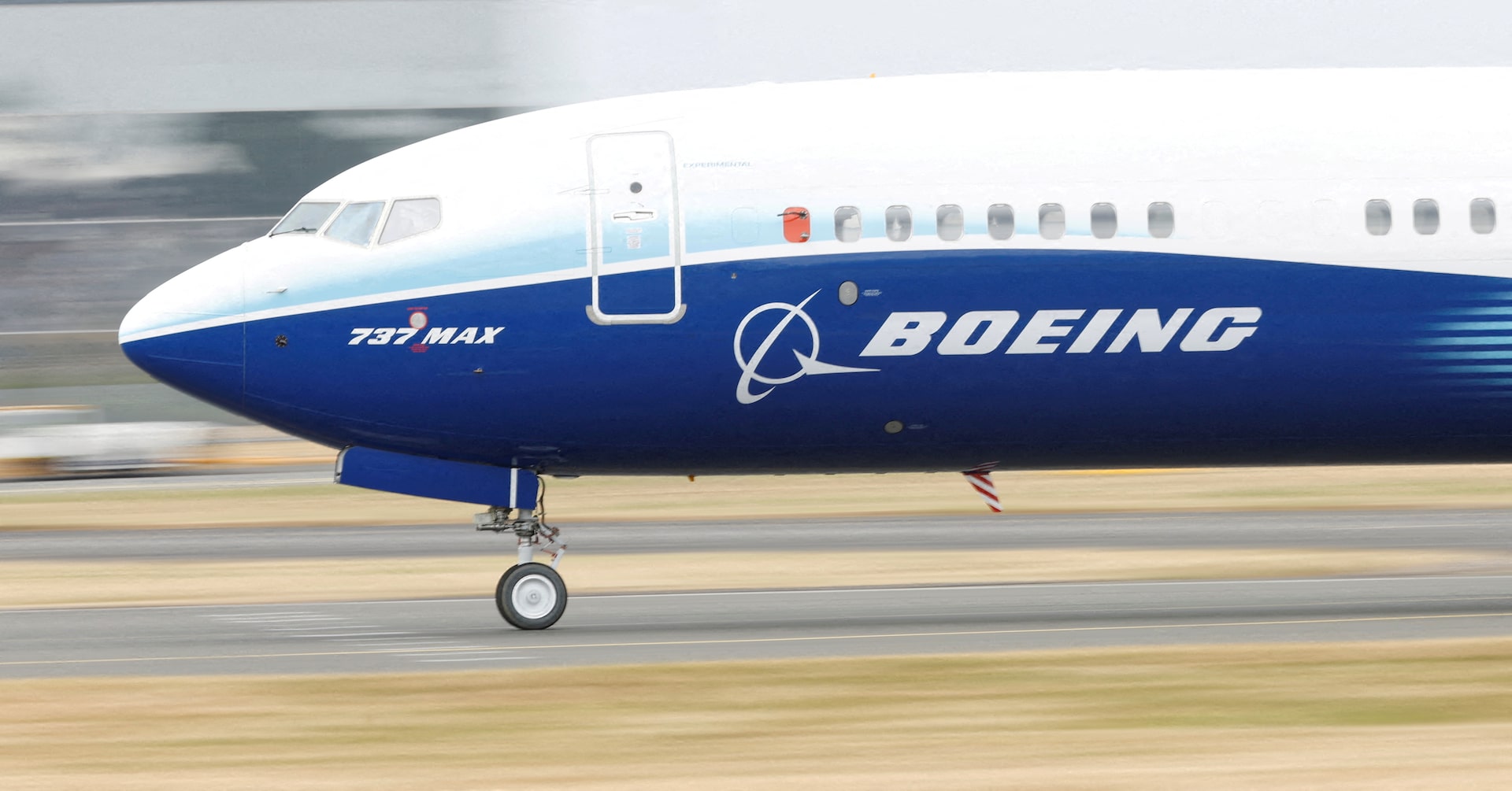
Boeing Delivers 60 Jets in May, 33% Year-over-Year Increase
- Delivery Growth: Boeing delivered 60 jets in May, marking a 33% year-over-year increase, although this figure remains below European rival Airbus's 81 deliveries, indicating Boeing's positive performance in market recovery but highlighting the need to catch up with competitors.
- 737 MAX Success: The deliveries included 51 737 MAX jets, the highest monthly total since the model's production restart in December 2024 following a strike, demonstrating strong demand and restored customer confidence in this popular single-aisle aircraft.
- Production Recovery: Boeing resumed 737 MAX production in December 2024 after a strike, and the May delivery figures not only reflect the recovery of production capacity but also lay the groundwork for future delivery plans, enhancing investor confidence in the company's rebound.
- Competitive Market Pressure: Despite the increase in deliveries, Boeing still faces significant competitive pressure from Airbus, as the gap in delivery numbers remains substantial, indicating that Boeing must further enhance its delivery capabilities to maintain market share moving forward.
Emirates Expects Delivery of 777X by June 2024
- 777X Delivery Expectation: Emirates anticipates receiving its long-delayed first Boeing 777X by June 2024, despite development setbacks due to certification delays, indicating the airline's continued trust and expectation from Boeing.
- Engine Durability Concerns: President Tim Clark reiterated concerns regarding the Rolls-Royce Trent XWB-97 engine's durability in hot desert conditions, stating that Emirates will not order the competing Airbus A350-1000 until these issues are resolved, reflecting strong demands from engine manufacturers.
- Executive Compensation Controversy: Clark questioned the potential £100 million remuneration package for Rolls-Royce CEO Tufan Erginbilgic, who is credited with a significant turnaround in profits and shares, suggesting that this controversy could impact the company's reputation and its relationships with airlines.
- Industry Price Dispute: Tensions between Emirates and engine manufacturers have escalated, with Clark criticizing their failure to meet demand, resulting in idle aircraft, highlighting airlines' dissatisfaction with engine makers over pricing and delivery delays.
Comparative Analysis of Boeing and Firefly Aerospace in the Aerospace Market
- Boeing Financial Performance: In FY 2025, Boeing reported revenue of approximately $89.5 billion, a 34.5% increase year-over-year, with a net income of about $2.2 billion and a net margin improvement to 2.5%, indicating strong recovery in the global aviation market.
- Firefly Aerospace Growth Potential: Firefly Aerospace achieved nearly $159.9 million in revenue for FY 2025, a 163% increase, despite a net loss of $298.3 million, showcasing rapid expansion in the small launch vehicle market and future growth prospects.
- Risks and Challenges: Boeing faces operational challenges related to production stability and quality control for the 737 program, alongside financial pressures from fixed-price development project losses, while Firefly Aerospace relies on successful launch missions with a high customer concentration of 86%, increasing financial risk.
- Valuation Comparison: Boeing's forward P/E ratio stands at 52.4x, while Firefly Aerospace's P/S ratio is as high as 37.1x, reflecting the distinct investment risks and return potentials associated with their respective market positions.
Boeing's Delivery Surge Boosts Investor Confidence
- Record Deliveries: Boeing reported 60 aircraft deliveries in May, a 27.7% increase from April's 47 and a 33% rise compared to May 2025, indicating a strong recovery trajectory that is expected to enhance free cash flow.
- 737 Max Production Boost: The company delivered 51 737 Max jets in May, marking the highest monthly deliveries since December 2024, with production ramping up to 47 jets per month, demonstrating improved capacity to meet market demand and reduce backlog.
- Chinese Order Revival: The Chinese Ministry of Commerce confirmed an agreement to purchase 200 Boeing aircraft, marking the first order from China in nearly a decade, suggesting a rebound in global demand and potential for increased future orders.
- Optimistic Financial Outlook: Despite an anticipated cash outflow of $218 million in Q2, analysts project free cash flow of $1.15 billion and $2.95 billion in the third and fourth quarters, respectively, indicating a positive trend in Boeing's financial health.
Boeing Delivers 60 Aircraft in May, Signs of Recovery Evident
- Delivery Recovery: Boeing delivered 60 commercial aircraft in May, including 51 of its popular 737 Max jets, indicating a gradual recovery from earlier production setbacks, although still trailing Airbus's 81 deliveries.
- Stable Order Situation: The company booked 27 gross orders in May, comprising 17 737s and 10 787s, despite 16 cancellations, resulting in a net order total of 298 aircraft, suggesting ongoing market demand.
- Production Challenges Eased: Boeing's previously disclosed wiring issue affecting 25 undelivered 737 Max aircraft has been largely resolved, as evidenced by the improved delivery figures in May, reflecting enhancements in production processes.
- Financial Performance Improvement: With 250 commercial aircraft delivered by the end of May, Boeing's steady output increase is crucial for strengthening its financial position and supporting recovery from years of manufacturing and safety challenges.
BA Stock Shows Minor Fluctuations Amid Sector Performance
- Stock Performance: BA's stock is currently down about 0.2% as of midday Tuesday, indicating slight fluctuations within the aerospace and defense sector, reflecting market caution regarding the company's short-term performance.
- Industry Comparison: In contrast, RTX Corp is up approximately 1.1% and General Dynamics Corp is up about 0.8%, suggesting that BA is facing competitive pressure within its industry.
- Three-Month Price History: The three-month price history chart for BA highlights its relative weakness compared to RTX and GD, which may impact investor confidence moving forward.
- Analyst Opinions: While market views on BA vary, overall analyst sentiment indicates caution regarding its future performance, potentially leading investors to adopt a wait-and-see approach in the short term.
Boeing Delivers 60 Jets in May, 33% Year-over-Year Increase
- Delivery Growth: Boeing delivered 60 jets in May, marking a 33% year-over-year increase, although this figure remains below European rival Airbus's 81 deliveries, indicating Boeing's positive performance in market recovery but highlighting the need to catch up with competitors.
- 737 MAX Success: The deliveries included 51 737 MAX jets, the highest monthly total since the model's production restart in December 2024 following a strike, demonstrating strong demand and restored customer confidence in this popular single-aisle aircraft.
- Production Recovery: Boeing resumed 737 MAX production in December 2024 after a strike, and the May delivery figures not only reflect the recovery of production capacity but also lay the groundwork for future delivery plans, enhancing investor confidence in the company's rebound.
- Competitive Market Pressure: Despite the increase in deliveries, Boeing still faces significant competitive pressure from Airbus, as the gap in delivery numbers remains substantial, indicating that Boeing must further enhance its delivery capabilities to maintain market share moving forward.