

BJ's Wholesale Club to Open New Market Location in Florida
BJ's Wholesale Club's stock rose 3.51% as it reached a 20-day high amid broader market declines.
The company announced plans to open its second BJ's Market in Delray Beach, Florida, covering approximately 55,000 square feet. This new location, strategically positioned in a former Winn-Dixie site, aims to attract convenience-oriented shoppers and enhance market penetration. The BJ's Market will serve as an innovation lab, integrating digital tools to improve customer experience and drive membership traffic, indicating the company's confidence in a smaller grocery-centric warehouse model.
This expansion reflects BJ's strategy to grow in mature markets with lower capital intensity, although investors should monitor unit economics and competitive impacts.
Trade with 70% Backtested Accuracy
Analyst Views on BJ

About BJ
About the author

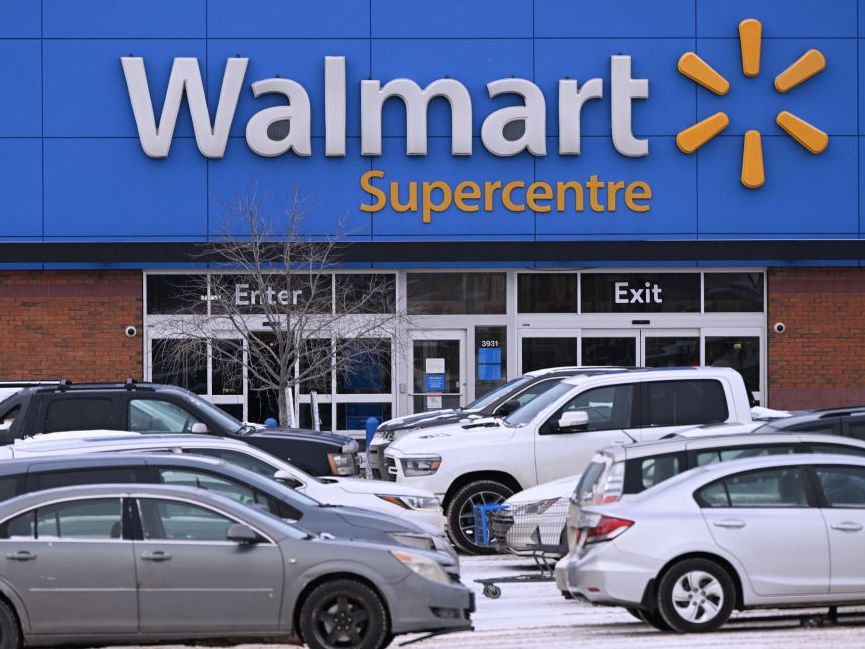
Walmart's Major Price Cuts Spark Competitive Pressure

- Price Cut Implementation: Walmart confirmed broad discounts across its Walmart and Sam's Club stores, including a nearly 15% reduction in ground beef prices, aimed at celebrating the U.S. 250th anniversary, despite persistent inflation, showcasing the company's strategic response to economic pressures.
- Economic Context Impact: The U.S. Consumer Price Index (CPI) rose to 4.2% in May, the highest since April 2023, and Walmart's price cuts not only address consumer concerns over living costs but may also carry significant political weight ahead of the upcoming midterm elections.
- Competitor Response: Walmart's price cuts have put pressure on competitors, with Target's stock sliding over 3%, indicating its limited flexibility in reducing prices on everyday essentials without jeopardizing profitability, highlighting differing financial realities among retailers.
- Market Sentiment Shift: On Stocktwits, retail sentiment around Walmart remained bullish, with message volume surging 1,783% in 24 hours, reflecting investor optimism about the company's future performance, even as its stock has slipped 0.6% year-to-date.

BJ's Q1 Earnings Analysis: Buy, Sell, or Hold?
- Long-Term Revenue Growth Disappoints: BJ's has shown a sluggish 4% compounded annual growth rate over the past three years, significantly below the consumer retail sector standard, which may undermine investor confidence in its future performance.
- Low Gross Margin Reveals Weak Profitability: With an average gross margin of 18.5% over the last two years, BJ's indicates that it pays $81.48 to suppliers for every $100 in revenue, reflecting a lack of pricing power in a competitive market, potentially limiting future profit growth.
- Weak Operating Margin Could Cause Trouble: BJ's operating margin has averaged 3.8% over the past 12 months, which is suboptimal for a consumer retail business, suggesting a poor cost structure that could lead to financial pressures in the future.
- Underperforming Stock Selection: Although BJ's trades at a forward P/E of 18.7 and a share price of $88.75, the potential downside risks may outweigh the fair valuation, prompting investors to consider more attractive investment opportunities elsewhere.

Realty Income: A Stable REIT with High Yield


- Market Performance Analysis: After reaching new highs earlier this year, the S&P 500 has shown stagnation, and while market corrections are normal, investors must be cautious of potential downturns, highlighting the importance of a diversified portfolio.
- REIT Advantages: Realty Income, one of the largest REITs globally with nearly 15,600 properties, has over 20% of its portfolio in grocery and convenience stores, ensuring a high occupancy rate of 98.9% even during economic fluctuations, demonstrating the resilience of its business model.
- High Dividend Yield: Realty Income boasts a current dividend yield of 5.3%, nearly five times the S&P 500 average of 1.1%, attracting investors seeking passive income and solidifying its position in dividend investment portfolios.
- Long-Term Stable Performance: Realty Income has paid dividends for 672 consecutive months and raised them for 115 straight quarters; despite challenges in the real estate market, its adjusted funds from operations (AFFO) increased by 6.6% year-over-year, showcasing its ability to create long-term shareholder value.

Realty Income: A Stable High-Yield Investment
- Stable Income Model: Realty Income, one of the largest REITs globally with nearly 15,600 properties, boasts a dividend yield of 5.3%, nearly five times the S&P 500 average, showcasing its resilience in uncertain economic conditions.
- Consistent Dividend Payments: The company has paid dividends for 672 consecutive months, exceeding 56 years, and has raised its dividend for 115 consecutive quarters, indicating reliability and investor trust across various economic climates.
- Strong Financial Performance: In the first quarter, Realty Income's adjusted funds from operations (AFFO) increased by 6.6% year-over-year to $1.13 per share, with a rent recapture rate of 103.4%, demonstrating its ongoing profitability amid challenges in the real estate market.
- Market Expansion Potential: Realty Income is expanding into Europe, with the UK accounting for nearly 15% of its total portfolio, and it anticipates new growth opportunities from a $14 trillion addressable market, particularly in data centers.

Costco's Strategic Outlook for the Next Three Years
- Pricing Strategy Continuity: Costco maintains its low-price strategy amidst inflationary pressures, recently cutting prices on Kirkland Signature products, which enhances its competitive pricing advantage and is expected to further boost customer loyalty.
- AI Implementation: Costco is collaborating with leading AI companies to optimize product visibility in large language model searches; although current traffic is small, it is growing at triple-digit rates, indicating significant future potential in online advertising.
- International Expansion Plans: CEO Vachris aims to open over 30 new warehouses annually, targeting markets such as China, Japan, South Korea, Spain, and France, which is expected to significantly enhance the company's global market share and brand influence.
- Same-Day Delivery Service: Costco's same-day delivery service now averages under 45 minutes in the U.S. and has been launched in Spain and France, improving member satisfaction and likely attracting more high-spending members.

Costco Reports Strong Q3 Results Exceeding Expectations

- Significant Revenue Growth: Costco's total revenue for Q3 of fiscal 2026 increased by 11.6% year-over-year to $70.53 billion, surpassing Wall Street's expectations of $69.81 billion, demonstrating the company's robust performance in a high-inflation environment and further solidifying its market position.
- Steady Membership Income: Membership fee income grew by 10.7% to $1.37 billion, slightly exceeding FactSet's estimate of $1.36 billion, reflecting effective strategies in attracting and retaining members, which strengthens the revenue base for the future.
- Accelerated Sales Growth: Comparable sales rose by 9.8% in Q3, a significant acceleration from 7.4% in the previous quarter, driven by a 2.4% increase in traffic and a 7.3% rise in ticket size, indicating growing consumer recognition of Costco's value proposition.
- Warehouse Expansion Plans: Costco opened four new warehouses this quarter and plans to open 12 more in the final quarter of fiscal 2026; although the total planned openings of 26 this year are down from 28 previously targeted, the company aims to increase openings to over 30 annually in the future, demonstrating its commitment to expansion.
Walmart's Major Price Cuts Spark Competitive Pressure
- Price Cut Implementation: Walmart confirmed broad discounts across its Walmart and Sam's Club stores, including a nearly 15% reduction in ground beef prices, aimed at celebrating the U.S. 250th anniversary, despite persistent inflation, showcasing the company's strategic response to economic pressures.
- Economic Context Impact: The U.S. Consumer Price Index (CPI) rose to 4.2% in May, the highest since April 2023, and Walmart's price cuts not only address consumer concerns over living costs but may also carry significant political weight ahead of the upcoming midterm elections.
- Competitor Response: Walmart's price cuts have put pressure on competitors, with Target's stock sliding over 3%, indicating its limited flexibility in reducing prices on everyday essentials without jeopardizing profitability, highlighting differing financial realities among retailers.
- Market Sentiment Shift: On Stocktwits, retail sentiment around Walmart remained bullish, with message volume surging 1,783% in 24 hours, reflecting investor optimism about the company's future performance, even as its stock has slipped 0.6% year-to-date.
BJ's Q1 Earnings Analysis: Buy, Sell, or Hold?
- Long-Term Revenue Growth Disappoints: BJ's has shown a sluggish 4% compounded annual growth rate over the past three years, significantly below the consumer retail sector standard, which may undermine investor confidence in its future performance.
- Low Gross Margin Reveals Weak Profitability: With an average gross margin of 18.5% over the last two years, BJ's indicates that it pays $81.48 to suppliers for every $100 in revenue, reflecting a lack of pricing power in a competitive market, potentially limiting future profit growth.
- Weak Operating Margin Could Cause Trouble: BJ's operating margin has averaged 3.8% over the past 12 months, which is suboptimal for a consumer retail business, suggesting a poor cost structure that could lead to financial pressures in the future.
- Underperforming Stock Selection: Although BJ's trades at a forward P/E of 18.7 and a share price of $88.75, the potential downside risks may outweigh the fair valuation, prompting investors to consider more attractive investment opportunities elsewhere.
Realty Income: A Stable REIT with High Yield
- Market Performance Analysis: After reaching new highs earlier this year, the S&P 500 has shown stagnation, and while market corrections are normal, investors must be cautious of potential downturns, highlighting the importance of a diversified portfolio.
- REIT Advantages: Realty Income, one of the largest REITs globally with nearly 15,600 properties, has over 20% of its portfolio in grocery and convenience stores, ensuring a high occupancy rate of 98.9% even during economic fluctuations, demonstrating the resilience of its business model.
- High Dividend Yield: Realty Income boasts a current dividend yield of 5.3%, nearly five times the S&P 500 average of 1.1%, attracting investors seeking passive income and solidifying its position in dividend investment portfolios.
- Long-Term Stable Performance: Realty Income has paid dividends for 672 consecutive months and raised them for 115 straight quarters; despite challenges in the real estate market, its adjusted funds from operations (AFFO) increased by 6.6% year-over-year, showcasing its ability to create long-term shareholder value.
Realty Income: A Stable High-Yield Investment
- Stable Income Model: Realty Income, one of the largest REITs globally with nearly 15,600 properties, boasts a dividend yield of 5.3%, nearly five times the S&P 500 average, showcasing its resilience in uncertain economic conditions.
- Consistent Dividend Payments: The company has paid dividends for 672 consecutive months, exceeding 56 years, and has raised its dividend for 115 consecutive quarters, indicating reliability and investor trust across various economic climates.
- Strong Financial Performance: In the first quarter, Realty Income's adjusted funds from operations (AFFO) increased by 6.6% year-over-year to $1.13 per share, with a rent recapture rate of 103.4%, demonstrating its ongoing profitability amid challenges in the real estate market.
- Market Expansion Potential: Realty Income is expanding into Europe, with the UK accounting for nearly 15% of its total portfolio, and it anticipates new growth opportunities from a $14 trillion addressable market, particularly in data centers.
Costco's Strategic Outlook for the Next Three Years
- Pricing Strategy Continuity: Costco maintains its low-price strategy amidst inflationary pressures, recently cutting prices on Kirkland Signature products, which enhances its competitive pricing advantage and is expected to further boost customer loyalty.
- AI Implementation: Costco is collaborating with leading AI companies to optimize product visibility in large language model searches; although current traffic is small, it is growing at triple-digit rates, indicating significant future potential in online advertising.
- International Expansion Plans: CEO Vachris aims to open over 30 new warehouses annually, targeting markets such as China, Japan, South Korea, Spain, and France, which is expected to significantly enhance the company's global market share and brand influence.
- Same-Day Delivery Service: Costco's same-day delivery service now averages under 45 minutes in the U.S. and has been launched in Spain and France, improving member satisfaction and likely attracting more high-spending members.
Costco Reports Strong Q3 Results Exceeding Expectations
- Significant Revenue Growth: Costco's total revenue for Q3 of fiscal 2026 increased by 11.6% year-over-year to $70.53 billion, surpassing Wall Street's expectations of $69.81 billion, demonstrating the company's robust performance in a high-inflation environment and further solidifying its market position.
- Steady Membership Income: Membership fee income grew by 10.7% to $1.37 billion, slightly exceeding FactSet's estimate of $1.36 billion, reflecting effective strategies in attracting and retaining members, which strengthens the revenue base for the future.
- Accelerated Sales Growth: Comparable sales rose by 9.8% in Q3, a significant acceleration from 7.4% in the previous quarter, driven by a 2.4% increase in traffic and a 7.3% rise in ticket size, indicating growing consumer recognition of Costco's value proposition.
- Warehouse Expansion Plans: Costco opened four new warehouses this quarter and plans to open 12 more in the final quarter of fiscal 2026; although the total planned openings of 26 this year are down from 28 previously targeted, the company aims to increase openings to over 30 annually in the future, demonstrating its commitment to expansion.





