Beyond Meat Shares Surge on Speculative Trading
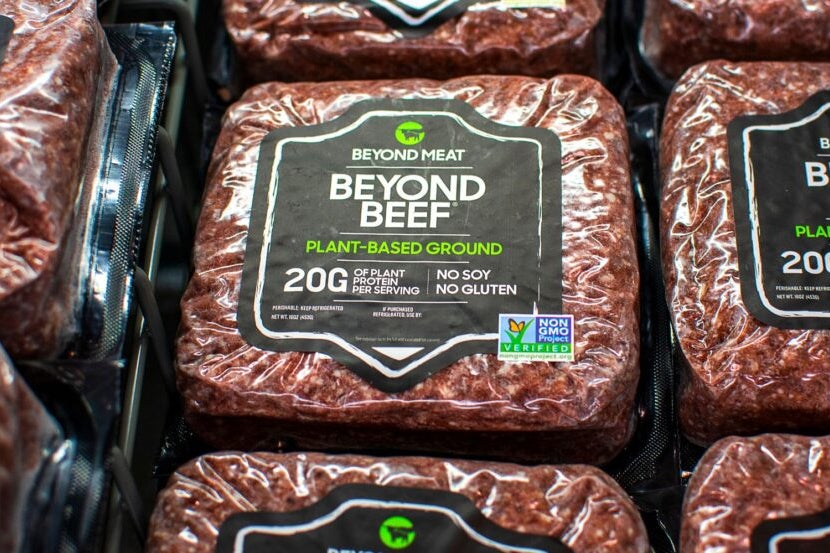
Beyond Meat Inc shares surged 13.43% in pre-market trading, reaching a 5-day high. This increase is attributed to speculative trading and signs of a short squeeze, with heightened retail participation and a significant rise in options trading.
Despite ongoing struggles with demand and costs, analysts maintain a Strong Sell consensus on Beyond Meat, citing persistent losses and declining market share. The stock's volatility has increased, with implied volatility reaching 161.67, indicating expectations of large price swings.
The recent surge in stock price reflects a shift in market sentiment, as investors appear to be reacting to broader trends in meme stocks and heavily shorted consumer names. However, the company's financial challenges remain a concern, as it continues to face declining revenue and operating losses.
Trade with 70% Backtested Accuracy
Analyst Views on BYND

About BYND
About the author

Analysis of Beyond Meat's Stock Price Collapse


- Revenue Decline: Beyond Meat's revenue has plummeted from $465 million in 2021 to $276 million in 2025, indicating four consecutive years of no growth, which reflects a challenging market environment with declining demand and increased competition.
- Gross Margin Erosion: The company's aggressive markdowns to liquidate inventory have led to a drastic reduction in gross margin from 25.2% in 2021 to 2.8% in 2025, severely impacting profitability and exacerbating its financial struggles.
- Strategic Transformation Challenges: Beyond Meat aims to rebrand itself with new products like
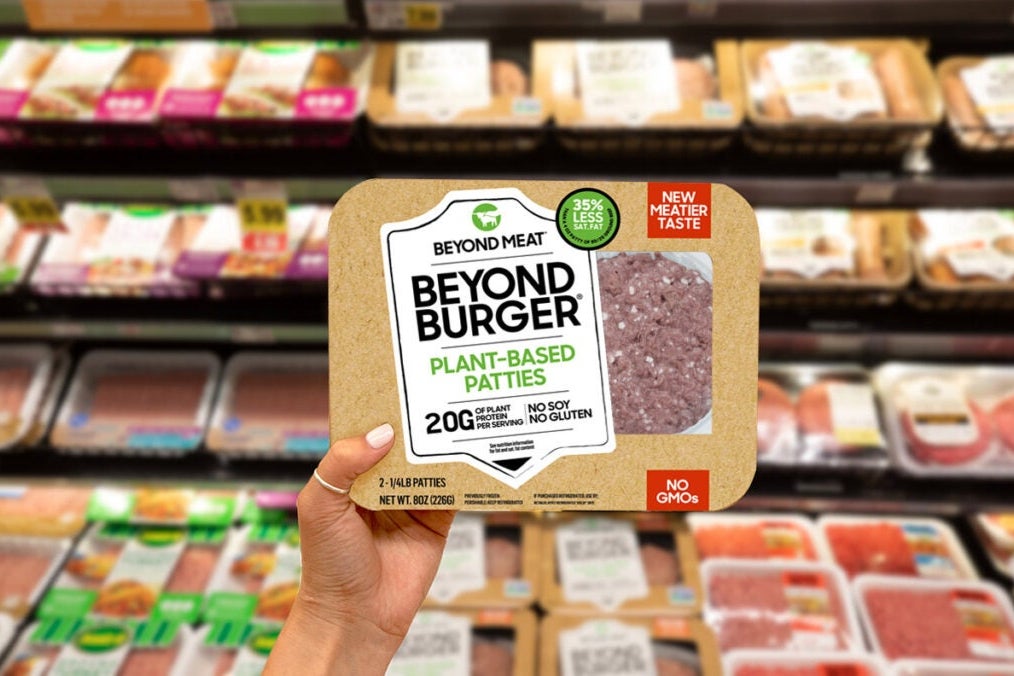
Beyond Meat Reports Disappointing Q1 Earnings Amidst Market Challenges

- Revenue Decline: Beyond Meat's Q1 net revenue fell by 15% year-over-year to just over $58 million, missing analyst expectations of $59.6 million, indicating weak market demand that could undermine future investment confidence.
- Net Loss Situation: The company narrowed its net loss to $46.8 million ($0.10 per share), yet this still exceeded last year's $59 million loss, reflecting challenges in cost control that may heighten investor concerns about its financial health.
- Sales Volume Drop: Product sales volume plummeted nearly 20%, and while net revenue per pound increased by over 5%, it failed to offset the decline, suggesting severe competition in retail and food service channels that could impact market share.
- New Product Launch: Beyond Meat introduced the Beyond Immerse line of plant-based protein drinks, which investors welcomed; however, the intense competition in the already saturated beverage market may hinder its ability to secure a foothold.
Beyond Meat Faces Sales Decline Amid Beverage Launch Challenges
- Revenue Decline: Beyond Meat's first-quarter net revenue fell by 15% year-over-year to just over $58 million, missing analyst expectations of $59.6 million, indicating significant pressure in a competitive market.
- Net Loss Situation: The company managed to narrow its non-GAAP net loss to $46.8 million ($0.10 per share), yet it remains deeply in the red, reflecting ongoing challenges in profitability.
- Sales Volume Drop: Beyond Meat experienced a nearly 20% decline in product volume sold across both retail and food service channels, signaling weak consumer demand that adversely affects market share.
- New Beverage Launch: The introduction of Beyond Immerse, a line of plant-based beverages, has garnered investor interest; however, it faces stiff competition in a crowded beverage market filled with health-oriented options, limiting potential market opportunities.

Beyond Meat's Strategic Shift to Protein Drinks Amid Financial Struggles

- Sales Decline: Beyond Meat reported a net revenue of $275 million in 2025, reflecting a 16% year-over-year drop, indicating waning consumer interest in its plant-based meat products, which has severely impacted market confidence and investor sentiment.
- Increased Operating Losses: The company's operating losses surged to $333 million in 2025, more than doubling from 2024, as the cost of goods sold nearly matched revenue, highlighting ongoing profitability challenges that necessitated a strategic pivot.
- New Product Launch: In response to these challenges, Beyond Meat launched its Beyond Immerse protein drink line in January 2026, entering a $35 billion market projected to grow at a 9.4% CAGR; however, the company's lack of commitment to this product line raises doubts about its potential to regain investor confidence.
- Poor Financial Performance: In Q1 2026, Beyond Meat's net revenue fell to $58 million, down 15% year-over-year, and while losses improved, the absence of any signs of financial recovery suggests that investors should remain cautious about the company's future performance.
Beyond Meat Launches Limited-Time Protein Drink Line
- Market Challenges: According to research data, the protein drink industry is growing at high single-digit levels, while Beyond Meat's net revenue fell to $275 million in 2025, down 16% year-over-year, indicating a decline in consumer interest in its plant-based meat products and resulting in severe financial challenges for the company.
- Product Launch: Beyond Meat launched its Beyond Immerse line of protein drinks in January 2026, and although the market is projected to reach $35 billion with a 9.4% CAGR through 2032, the product's limited-time offering has failed to boost investor confidence significantly.
- Deteriorating Financials: In Q1 2026, Beyond Meat reported net revenue of $58 million, a 15% year-over-year decline, and while losses improved from $61 million to $28 million, the company has yet to show signs of financial recovery, reflecting its vulnerable position in a competitive beverage market.
- Bleak Investment Outlook: Competing against industry giants like PepsiCo and Coca-Cola, Beyond Meat's protein drinks have not proven to be the turnaround catalyst needed for its stock, leading investors to approach the stock with caution unless the products gain traction and demonstrate sales growth.

Andrew Left Convicted of Stock Manipulation Charges


- Stock Manipulation Conviction: A Los Angeles jury found Andrew Left guilty on 13 counts of stock manipulation between 2018 and 2023, highlighting the severity of his actions in leveraging social media influence for market manipulation, which could result in millions in fines and restitution.
- Profit Details: Prosecutors revealed that Left earned over $20 million by making bold stock calls on social media while secretly executing opposite trades, raising concerns about market fairness and increasing scrutiny on short sellers from regulators.
- Citron Research's Response: Following the conviction, Citron Research expressed dissatisfaction with the jury's ruling, arguing that the case could deter honest commentary from investors and market analysts, and pledged to continue fighting for free speech, indicating a commitment to ongoing legal battles.
- Impact of GameStop Incident: Left's bearish stance on GameStop in 2021 sparked significant retail trading activity; despite the conviction potentially tarnishing his reputation, he plans to short GameStop again in 2024, demonstrating his ongoing engagement with market dynamics.
Analysis of Beyond Meat's Stock Price Collapse
- Revenue Decline: Beyond Meat's revenue has plummeted from $465 million in 2021 to $276 million in 2025, indicating four consecutive years of no growth, which reflects a challenging market environment with declining demand and increased competition.
- Gross Margin Erosion: The company's aggressive markdowns to liquidate inventory have led to a drastic reduction in gross margin from 25.2% in 2021 to 2.8% in 2025, severely impacting profitability and exacerbating its financial struggles.
- Strategic Transformation Challenges: Beyond Meat aims to rebrand itself with new products like
Beyond Meat Reports Disappointing Q1 Earnings Amidst Market Challenges
- Revenue Decline: Beyond Meat's Q1 net revenue fell by 15% year-over-year to just over $58 million, missing analyst expectations of $59.6 million, indicating weak market demand that could undermine future investment confidence.
- Net Loss Situation: The company narrowed its net loss to $46.8 million ($0.10 per share), yet this still exceeded last year's $59 million loss, reflecting challenges in cost control that may heighten investor concerns about its financial health.
- Sales Volume Drop: Product sales volume plummeted nearly 20%, and while net revenue per pound increased by over 5%, it failed to offset the decline, suggesting severe competition in retail and food service channels that could impact market share.
- New Product Launch: Beyond Meat introduced the Beyond Immerse line of plant-based protein drinks, which investors welcomed; however, the intense competition in the already saturated beverage market may hinder its ability to secure a foothold.
Beyond Meat Faces Sales Decline Amid Beverage Launch Challenges
- Revenue Decline: Beyond Meat's first-quarter net revenue fell by 15% year-over-year to just over $58 million, missing analyst expectations of $59.6 million, indicating significant pressure in a competitive market.
- Net Loss Situation: The company managed to narrow its non-GAAP net loss to $46.8 million ($0.10 per share), yet it remains deeply in the red, reflecting ongoing challenges in profitability.
- Sales Volume Drop: Beyond Meat experienced a nearly 20% decline in product volume sold across both retail and food service channels, signaling weak consumer demand that adversely affects market share.
- New Beverage Launch: The introduction of Beyond Immerse, a line of plant-based beverages, has garnered investor interest; however, it faces stiff competition in a crowded beverage market filled with health-oriented options, limiting potential market opportunities.
Beyond Meat's Strategic Shift to Protein Drinks Amid Financial Struggles
- Sales Decline: Beyond Meat reported a net revenue of $275 million in 2025, reflecting a 16% year-over-year drop, indicating waning consumer interest in its plant-based meat products, which has severely impacted market confidence and investor sentiment.
- Increased Operating Losses: The company's operating losses surged to $333 million in 2025, more than doubling from 2024, as the cost of goods sold nearly matched revenue, highlighting ongoing profitability challenges that necessitated a strategic pivot.
- New Product Launch: In response to these challenges, Beyond Meat launched its Beyond Immerse protein drink line in January 2026, entering a $35 billion market projected to grow at a 9.4% CAGR; however, the company's lack of commitment to this product line raises doubts about its potential to regain investor confidence.
- Poor Financial Performance: In Q1 2026, Beyond Meat's net revenue fell to $58 million, down 15% year-over-year, and while losses improved, the absence of any signs of financial recovery suggests that investors should remain cautious about the company's future performance.
Beyond Meat Launches Limited-Time Protein Drink Line
- Market Challenges: According to research data, the protein drink industry is growing at high single-digit levels, while Beyond Meat's net revenue fell to $275 million in 2025, down 16% year-over-year, indicating a decline in consumer interest in its plant-based meat products and resulting in severe financial challenges for the company.
- Product Launch: Beyond Meat launched its Beyond Immerse line of protein drinks in January 2026, and although the market is projected to reach $35 billion with a 9.4% CAGR through 2032, the product's limited-time offering has failed to boost investor confidence significantly.
- Deteriorating Financials: In Q1 2026, Beyond Meat reported net revenue of $58 million, a 15% year-over-year decline, and while losses improved from $61 million to $28 million, the company has yet to show signs of financial recovery, reflecting its vulnerable position in a competitive beverage market.
- Bleak Investment Outlook: Competing against industry giants like PepsiCo and Coca-Cola, Beyond Meat's protein drinks have not proven to be the turnaround catalyst needed for its stock, leading investors to approach the stock with caution unless the products gain traction and demonstrate sales growth.
Andrew Left Convicted of Stock Manipulation Charges
- Stock Manipulation Conviction: A Los Angeles jury found Andrew Left guilty on 13 counts of stock manipulation between 2018 and 2023, highlighting the severity of his actions in leveraging social media influence for market manipulation, which could result in millions in fines and restitution.
- Profit Details: Prosecutors revealed that Left earned over $20 million by making bold stock calls on social media while secretly executing opposite trades, raising concerns about market fairness and increasing scrutiny on short sellers from regulators.
- Citron Research's Response: Following the conviction, Citron Research expressed dissatisfaction with the jury's ruling, arguing that the case could deter honest commentary from investors and market analysts, and pledged to continue fighting for free speech, indicating a commitment to ongoing legal battles.
- Impact of GameStop Incident: Left's bearish stance on GameStop in 2021 sparked significant retail trading activity; despite the conviction potentially tarnishing his reputation, he plans to short GameStop again in 2024, demonstrating his ongoing engagement with market dynamics.