Bank of America Upgrades Albemarle to Buy with $190 Target

Albemarle Corp's stock rose by 5.53% and reached a 5-day high amid positive market conditions. Bank of America upgraded Albemarle's rating from Neutral to Buy, raising the price target from $167 to $190, reflecting confidence in the company's growth potential following a recent pullback in stock price. Analysts noted that improving supply-demand fundamentals for lithium, along with Albemarle's successful cost-saving measures, are expected to enhance earnings visibility and profitability, further supporting the stock's upward momentum.
Trade with 70% Backtested Accuracy
Analyst Views on ALB

About ALB
About the author

Oil Price Surge Drives Significant Stock Movements

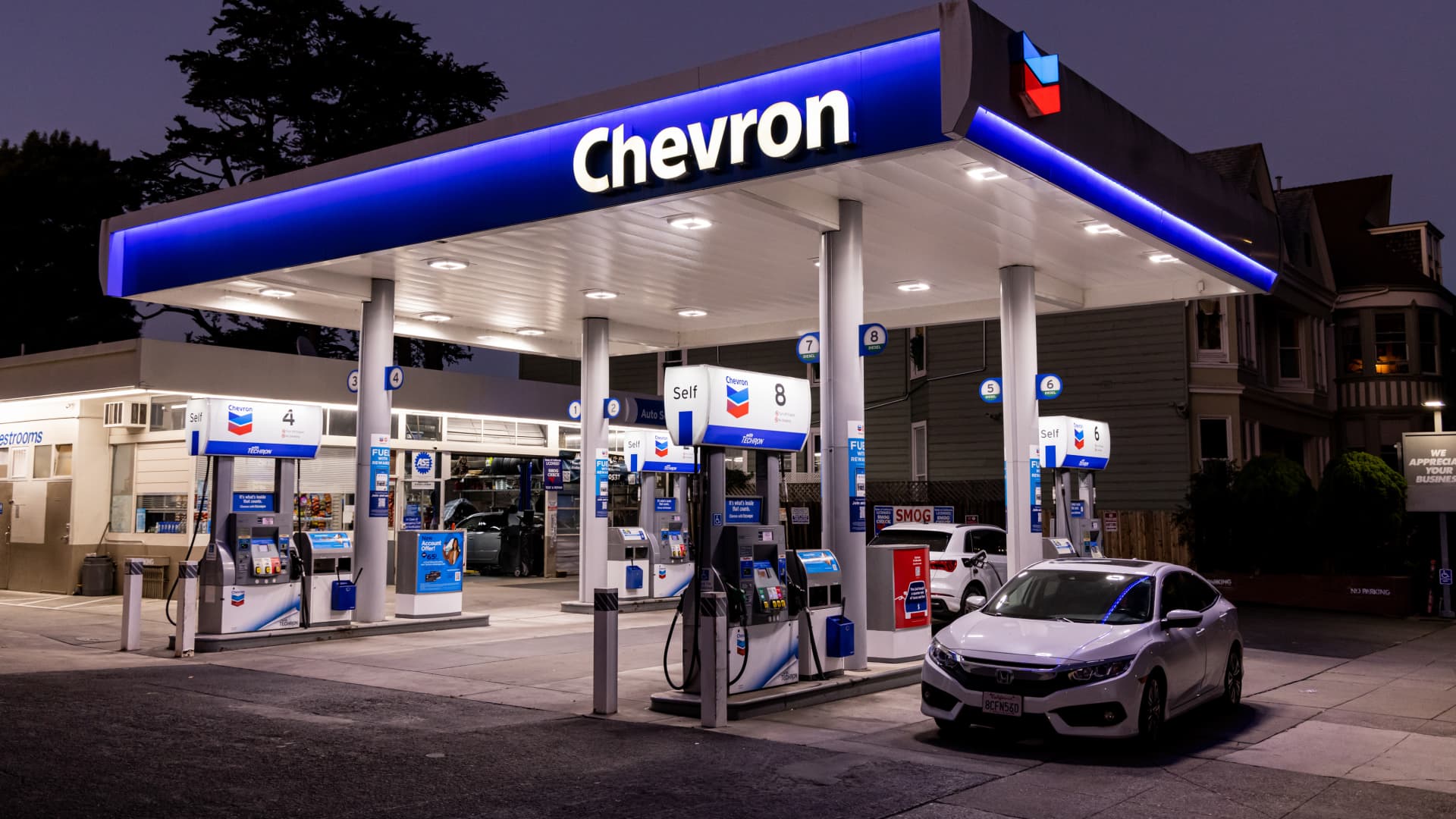
- Oil Price Impact: Oil prices surged past $110 per barrel due to the ongoing Iran conflict, leading Chevron to hit an all-time high, while Talos Energy rose by 5%, and ConocoPhillips and Northern Oil gained 2% and 3% respectively, indicating strong performance among oil companies in a high-price environment.
- Hims & Hers Health Surge: The company's stock soared 39% after striking a deal with Novo Nordisk to sell its weight-loss drug, resolving a lawsuit over a copycat version, which is expected to significantly enhance its market share and brand reputation.
- Live Nation Settlement Near: Live Nation's shares rose 6% as it nears a settlement with the Department of Justice regarding monopoly allegations in the live concert industry, which, if successful, will stabilize and expand its future business operations.
- United Therapeutics Buyback Plan: The pharmaceutical company's shares increased by over 8% after its board authorized a $2 billion stock repurchase plan, with $1.5 billion allocated for accelerated buybacks, which is expected to boost investor confidence and enhance shareholder value.

Oil Prices Surge, Boosting Oil Stocks Ahead of Market Open


- Oil Price Surge: Oil prices surged to $110 per barrel due to the ongoing Iran War, reaching levels not seen since mid-2022, which boosted oil stocks with Talos Energy rising 5%, and Northern Oil and Gas and ConocoPhillips gaining 3% and 2%, respectively.
- Hims & Hers Health: The stock skyrocketed 51% after a deal with Novo Nordisk was reported, allowing the sale of the pharmaceutical company's weight-loss drug on its platform, effectively ending a lawsuit aimed at blocking its sale of a copycat version, which is expected to significantly enhance its market share.
- Live Nation Entertainment: Shares rose 9% following reports that the company is nearing a settlement with the Department of Justice over alleged monopolistic practices in the live concert industry, which could improve its market position and reduce legal risks.
- Airline Stock Declines: Airline stocks fell as rising oil prices and the fallout from the Iran War impacted global travel, with Delta Air Lines down about 3%, and American Airlines and United Airlines shedding 4%, indicating the industry's cost pressures and operational challenges.

Gold and Silver Recover, Yet This Metal Is Surpassing Them Both


Gold and Silver Prices Rebound: After a sharp sell-off that began on January 29, gold and silver prices have rebounded, driven by geopolitical tensions, particularly the conflict between Iran and allied nations.
Lithium's Strong Performance: While gold and silver have shown impressive year-to-date gains of nearly 19% and 17% respectively, lithium has outperformed with a nearly 30% gain, highlighting its critical role in various industries, especially electric vehicle batteries.
Growing Global Demand for Lithium: The global lithium market is projected to grow significantly, with an estimated value exceeding $32 billion by 2025, driven by robust demand for lithium-ion batteries and other applications.
Investment Opportunities in Lithium ETFs: The largest lithium ETF, Global X Lithium & Battery Tech ETF, has seen substantial trading volume and is positioned to provide exposure to companies in the lithium mining and battery sectors, making it an attractive option for investors.

Chinese EV Manufacturers' Competitive Edge Over Western Automakers

- Structural Advantages: A report from Rhodium Group indicates that the competitive edge of Chinese EV manufacturers stems primarily from vertical integration, production scale, and lower overhead costs rather than solely relying on government subsidies, challenging the Western narrative on Chinese subsidies.
- Subsidies and Profit Margins: Since 2009, the Chinese government has provided over $29 billion in subsidies to EV manufacturers, which, while critical in early development, have a relatively minor impact on profit margins compared to structural cost advantages.
- BYD's Cost Edge: BYD produces nearly 80% of its core components in-house, allowing it to save approximately $2,369 in supplier markups per unit of its Seal sedan, resulting in a 20% gross profit margin in 2025, surpassing Tesla's 18%.
- Industry Integration Trends: While not all Chinese EV manufacturers exhibit vertical integration, companies like BYD and Leapmotor stand out, highlighting the potential for cost control and production efficiency among Chinese manufacturers.

BYD's EV Sales Decline by 36% Amidst Domestic Competition
- Sales Decline: BYD's electric vehicle sales volume for January and February 2026 dropped by approximately 36% year-on-year, indicating a slowdown in market demand amidst intensifying domestic competition, which could impact the company's future market share.
- Intensifying Competition: During the same period, competitors like Xiaomi and Leapmotor reported sales increases of 48% and 19%, respectively, suggesting that BYD's leading position in the mid-market is being eroded, potentially leading to further compression of its market share.
- Export Growth: BYD's overseas sales surpassed 1 million units for the first time in 2025, demonstrating the company's proactive expansion into international markets to seek new growth avenues amidst domestic competitive pressures, thereby enhancing its market resilience.
- Policy Impact: The reinstatement of a 5% purchase tax on new energy vehicles by the Chinese government may have prompted consumers to rush purchases before the tax took effect, creating a demand vacuum that exacerbates BYD's sales challenges.
Albemarle Shares Plunge 8.4% Amid Falling Lithium Prices
- Poor Market Performance: Albemarle (ALB) saw its stock price drop 8.4% on Tuesday, making it the biggest loser on the S&P 500, primarily due to a plunge in lithium prices in China, reflecting a weakened demand outlook exacerbated by escalating tensions in the Middle East.
- Sharp Decline in Lithium Prices: According to Reuters, the most-active lithium carbonate contract on the Guangzhou Futures Exchange fell approximately 13% to close at 150,860 yuan per metric ton, directly impacting the stock performance of lithium-related companies.
- Weak Electric Vehicle Sales: Several Chinese electric vehicle manufacturers, including industry leader BYD, reported over a 40% year-over-year decline in sales for February, further intensifying concerns about lithium demand and leading to decreased investor confidence.
- Industry-Wide Impact: In addition to Albemarle, lithium-related stocks such as Lithium Argentina (LAR) and Sigma Lithium (SGML) also faced significant losses, dropping 11.6% and 11.3% respectively, indicating the pressure and uncertainty facing the entire lithium sector.
Oil Price Surge Drives Significant Stock Movements
- Oil Price Impact: Oil prices surged past $110 per barrel due to the ongoing Iran conflict, leading Chevron to hit an all-time high, while Talos Energy rose by 5%, and ConocoPhillips and Northern Oil gained 2% and 3% respectively, indicating strong performance among oil companies in a high-price environment.
- Hims & Hers Health Surge: The company's stock soared 39% after striking a deal with Novo Nordisk to sell its weight-loss drug, resolving a lawsuit over a copycat version, which is expected to significantly enhance its market share and brand reputation.
- Live Nation Settlement Near: Live Nation's shares rose 6% as it nears a settlement with the Department of Justice regarding monopoly allegations in the live concert industry, which, if successful, will stabilize and expand its future business operations.
- United Therapeutics Buyback Plan: The pharmaceutical company's shares increased by over 8% after its board authorized a $2 billion stock repurchase plan, with $1.5 billion allocated for accelerated buybacks, which is expected to boost investor confidence and enhance shareholder value.
Oil Prices Surge, Boosting Oil Stocks Ahead of Market Open
- Oil Price Surge: Oil prices surged to $110 per barrel due to the ongoing Iran War, reaching levels not seen since mid-2022, which boosted oil stocks with Talos Energy rising 5%, and Northern Oil and Gas and ConocoPhillips gaining 3% and 2%, respectively.
- Hims & Hers Health: The stock skyrocketed 51% after a deal with Novo Nordisk was reported, allowing the sale of the pharmaceutical company's weight-loss drug on its platform, effectively ending a lawsuit aimed at blocking its sale of a copycat version, which is expected to significantly enhance its market share.
- Live Nation Entertainment: Shares rose 9% following reports that the company is nearing a settlement with the Department of Justice over alleged monopolistic practices in the live concert industry, which could improve its market position and reduce legal risks.
- Airline Stock Declines: Airline stocks fell as rising oil prices and the fallout from the Iran War impacted global travel, with Delta Air Lines down about 3%, and American Airlines and United Airlines shedding 4%, indicating the industry's cost pressures and operational challenges.
Gold and Silver Recover, Yet This Metal Is Surpassing Them Both
Gold and Silver Prices Rebound: After a sharp sell-off that began on January 29, gold and silver prices have rebounded, driven by geopolitical tensions, particularly the conflict between Iran and allied nations.
Lithium's Strong Performance: While gold and silver have shown impressive year-to-date gains of nearly 19% and 17% respectively, lithium has outperformed with a nearly 30% gain, highlighting its critical role in various industries, especially electric vehicle batteries.
Growing Global Demand for Lithium: The global lithium market is projected to grow significantly, with an estimated value exceeding $32 billion by 2025, driven by robust demand for lithium-ion batteries and other applications.
Investment Opportunities in Lithium ETFs: The largest lithium ETF, Global X Lithium & Battery Tech ETF, has seen substantial trading volume and is positioned to provide exposure to companies in the lithium mining and battery sectors, making it an attractive option for investors.
Chinese EV Manufacturers' Competitive Edge Over Western Automakers
- Structural Advantages: A report from Rhodium Group indicates that the competitive edge of Chinese EV manufacturers stems primarily from vertical integration, production scale, and lower overhead costs rather than solely relying on government subsidies, challenging the Western narrative on Chinese subsidies.
- Subsidies and Profit Margins: Since 2009, the Chinese government has provided over $29 billion in subsidies to EV manufacturers, which, while critical in early development, have a relatively minor impact on profit margins compared to structural cost advantages.
- BYD's Cost Edge: BYD produces nearly 80% of its core components in-house, allowing it to save approximately $2,369 in supplier markups per unit of its Seal sedan, resulting in a 20% gross profit margin in 2025, surpassing Tesla's 18%.
- Industry Integration Trends: While not all Chinese EV manufacturers exhibit vertical integration, companies like BYD and Leapmotor stand out, highlighting the potential for cost control and production efficiency among Chinese manufacturers.
BYD's EV Sales Decline by 36% Amidst Domestic Competition
- Sales Decline: BYD's electric vehicle sales volume for January and February 2026 dropped by approximately 36% year-on-year, indicating a slowdown in market demand amidst intensifying domestic competition, which could impact the company's future market share.
- Intensifying Competition: During the same period, competitors like Xiaomi and Leapmotor reported sales increases of 48% and 19%, respectively, suggesting that BYD's leading position in the mid-market is being eroded, potentially leading to further compression of its market share.
- Export Growth: BYD's overseas sales surpassed 1 million units for the first time in 2025, demonstrating the company's proactive expansion into international markets to seek new growth avenues amidst domestic competitive pressures, thereby enhancing its market resilience.
- Policy Impact: The reinstatement of a 5% purchase tax on new energy vehicles by the Chinese government may have prompted consumers to rush purchases before the tax took effect, creating a demand vacuum that exacerbates BYD's sales challenges.
Albemarle Shares Plunge 8.4% Amid Falling Lithium Prices
- Poor Market Performance: Albemarle (ALB) saw its stock price drop 8.4% on Tuesday, making it the biggest loser on the S&P 500, primarily due to a plunge in lithium prices in China, reflecting a weakened demand outlook exacerbated by escalating tensions in the Middle East.
- Sharp Decline in Lithium Prices: According to Reuters, the most-active lithium carbonate contract on the Guangzhou Futures Exchange fell approximately 13% to close at 150,860 yuan per metric ton, directly impacting the stock performance of lithium-related companies.
- Weak Electric Vehicle Sales: Several Chinese electric vehicle manufacturers, including industry leader BYD, reported over a 40% year-over-year decline in sales for February, further intensifying concerns about lithium demand and leading to decreased investor confidence.
- Industry-Wide Impact: In addition to Albemarle, lithium-related stocks such as Lithium Argentina (LAR) and Sigma Lithium (SGML) also faced significant losses, dropping 11.6% and 11.3% respectively, indicating the pressure and uncertainty facing the entire lithium sector.