Baidu Launches Innovative AI Products Amid Market Gains
Baidu Inc's stock fell 5.20% as it crossed below the 5-day SMA, despite the Nasdaq-100 and S&P 500 both showing gains of nearly 1%.
The company recently unveiled several next-generation AI products at the Create 2026 event, including the DuMate general-purpose agent, which allows real-time task synchronization and has excelled in international benchmarks. Additionally, the Miaoda coding agent enables users without coding skills to create applications, potentially revolutionizing the software industry. These advancements highlight Baidu's commitment to innovation in AI, which could enhance its competitive edge in the market.
The introduction of these products positions Baidu favorably in the rapidly evolving AI landscape, suggesting that while the stock experienced a decline, the long-term growth potential remains strong as the company continues to innovate.
Trade with 70% Backtested Accuracy
Analyst Views on BIDU

About BIDU
About the author

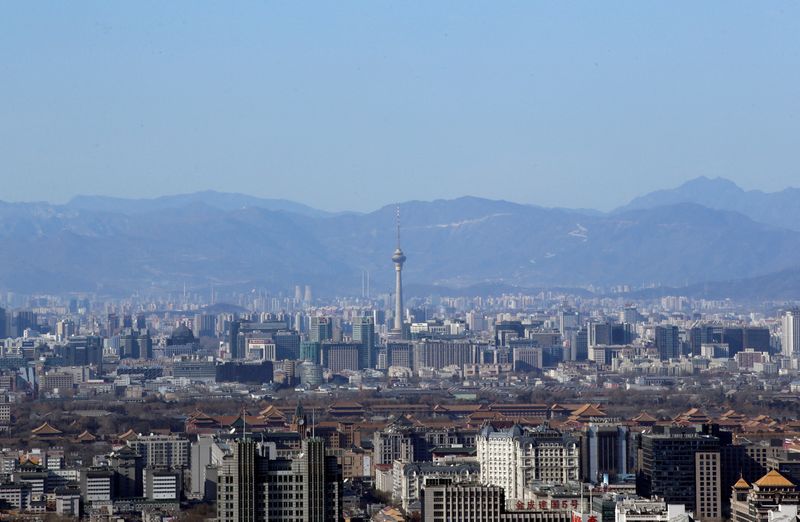
China Intensifies Antitrust Probe into Trip.com Amid Regulatory Shift


- Antitrust Probe Launched: Since January, China has initiated an antitrust investigation into online travel giant Trip.com, accusing it of market dominance abuse by forcing merchants into exclusive agreements and raising commission fees, with potential fines estimated at up to 4.9 billion yuan ($723 million), which directly impacted its stock, causing a nearly 20% drop in Hong Kong shares in a single day.
- Increased Regulatory Scrutiny: Ahead of the June shopping festival, Beijing summoned major tech firms including Alibaba and Tencent to address aggressive price competition and misleading promotional claims, indicating the government's heightened vigilance over market conduct aimed at maintaining order and preventing deflationary price wars.
- Food Safety Penalties: Chinese market regulators imposed a total of 3.6 billion yuan in fines on several e-commerce and food delivery platforms for failing to verify vendor qualifications, reflecting the government's intensified focus on food safety to enhance consumer confidence and market transparency.
- Policy Shift Signals: After years of stringent oversight on the private sector, Beijing is now pivoting to support private enterprises, emphasizing the need for private sector confidence, job creation, and technology investment to stimulate economic recovery, showcasing a flexible policy approach and a renewed focus on economic growth.

China Imposes New Trade Restrictions on US Entities


- Escalation of Trade Restrictions: The Chinese Ministry of Commerce has placed 10 American industrial suppliers, including rare earth miner MP Materials and drone maker Teal Drones, on its export control list, barring exports of dual-use items to these companies, thereby impacting their operations in China.
- Exclusion from Government Procurement: The Chinese Finance Ministry has excluded 46 U.S. companies, primarily defense contractors, from participating in government procurement projects, which could weaken their market opportunities, particularly in China's defense and technology sectors.
- Symbolic Countermeasures: While these countermeasures appear to be a response to the U.S., analysts note that many targeted companies have limited business exposure in China, suggesting that the actual impact may be minimal and aimed at maintaining stability in U.S.-China relations.
- Future Relationship Outlook: Experts believe that although the U.S. actions are largely symbolic, they demonstrate Washington's broad restrictions on sensitive Chinese technologies, which may affect future collaborations between other federal agencies and commercial partners with the listed companies.
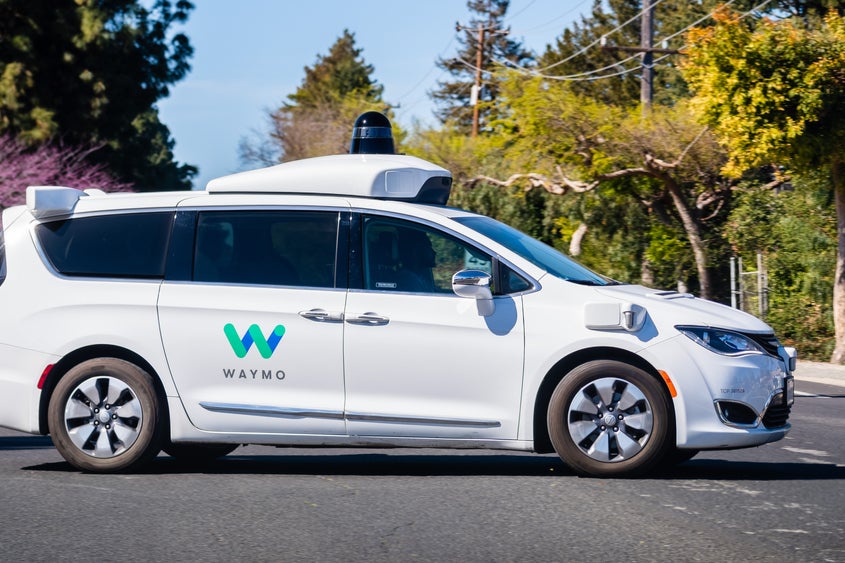
Waymo Recalls 3,900 Robotaxis to Address Software Issues


- Recall Announcement: Waymo is recalling nearly 3,900 robotaxis to address software issues, marking the company's second recall in just over a month, following 13 incidents where robotaxis entered freeway construction zones, highlighting deficiencies in its autonomous driving systems under complex conditions.
- Safety Risks: According to notices from the National Highway Traffic Safety Administration, Waymo's fifth-generation automated driving systems exhibit performance issues in construction zones, increasing the likelihood of accidents, which has compelled the company to restrict freeway operations to ensure passenger safety.
- Expansion Constraints: Waymo currently operates commercial robotaxi services in 11 U.S. markets, but the ongoing freeway issues are limiting the company's expansion velocity, particularly against the backdrop of plans to enter international markets like London and Tokyo.
- New Subscription Model: Waymo recently introduced a $29.99 monthly subscription service aimed at high-demand cities, but until the freeway issues are resolved, user experience and market confidence may be adversely affected.

China's Economy Faces Multiple Challenges

- Economic Growth Slowdown: Standard Bank forecasts that China's GDP will fall below 4% in Q2 2026, primarily due to a weak real estate market and low consumer confidence, indicating the fragility of economic recovery.
- Weak Retail Sales: Retail sales grew only 0.2% in April, the lowest since the end of COVID restrictions, with May expected to show no growth compared to last year, reflecting ongoing consumer spending challenges that could impact overall economic vitality.
- Decline in Fixed Asset Investment: Fixed asset investment is projected to drop by 2% in the first five months, worse than the 1.6% decline in April, with real estate investment dragging down by 13.7%, highlighting the profound impact of the real estate slump on the economy.
- Limited Contribution from Digitalization: While digitalization is expected to contribute 2.5 percentage points to GDP by 2027, the retail and tourism sectors are only projected to contribute 0.9 points, insufficient to prevent economic growth from slowing to 4.4%, indicating challenges in economic structural transformation.
ByteDance Plans to Purchase AI Chips from Iluvatar CoreX
- Procurement Plan: ByteDance (BDNCE) is set to purchase at least 50,000 AI chips from Shanghai's Iluvatar CoreX in 2026, primarily for inference tasks supporting its AI chatbot Doubao, which will significantly enhance the responsiveness of its AI products.
- Market Position: If finalized, Iluvatar CoreX would become ByteDance's third major domestic GPU supplier, joining Huawei and Cambricon, thereby further solidifying ByteDance's competitive position in the domestic AI chip market.
- Revenue Growth: Iluvatar CoreX generated approximately 1 billion yuan in revenue in 2025, with projections reaching 3.04 billion yuan in 2026 as chip shipments are expected to exceed 100,000 units, marking a significant breakthrough for its business model.
- Technological Self-Sufficiency: This procurement reflects China's accelerating shift towards technological self-sufficiency, particularly in light of tightening U.S. export controls on advanced semiconductors, with ByteDance's actions poised to drive domestic AI chip development.

China Strongly Opposes Pentagon's Designation of Alibaba and Baidu as Military Firms
- U.S. Decision Sparks Discontent: The Pentagon's designation of Alibaba (BABA) and Baidu (BIDU) as military firms has led to strong dissatisfaction from China's Ministry of Commerce, which is calling for an immediate halt to this action, highlighting escalating tensions in U.S.-China relations.
- Market Reaction Notable: Following the announcement, both Alibaba and Baidu saw their stock prices decline on Monday, reflecting market concerns over the deteriorating U.S.-China relationship and its potential impact on the future of these tech companies.
- Severe Legal Consequences: Under U.S. law, the Pentagon will be barred from contracting with the companies listed and plans to prohibit purchasing their products or services through third parties starting in June 2027, which will directly affect their business operations.
- China's Firm Stance: The Chinese Ministry of Commerce stated that it will retaliate
China Intensifies Antitrust Probe into Trip.com Amid Regulatory Shift
- Antitrust Probe Launched: Since January, China has initiated an antitrust investigation into online travel giant Trip.com, accusing it of market dominance abuse by forcing merchants into exclusive agreements and raising commission fees, with potential fines estimated at up to 4.9 billion yuan ($723 million), which directly impacted its stock, causing a nearly 20% drop in Hong Kong shares in a single day.
- Increased Regulatory Scrutiny: Ahead of the June shopping festival, Beijing summoned major tech firms including Alibaba and Tencent to address aggressive price competition and misleading promotional claims, indicating the government's heightened vigilance over market conduct aimed at maintaining order and preventing deflationary price wars.
- Food Safety Penalties: Chinese market regulators imposed a total of 3.6 billion yuan in fines on several e-commerce and food delivery platforms for failing to verify vendor qualifications, reflecting the government's intensified focus on food safety to enhance consumer confidence and market transparency.
- Policy Shift Signals: After years of stringent oversight on the private sector, Beijing is now pivoting to support private enterprises, emphasizing the need for private sector confidence, job creation, and technology investment to stimulate economic recovery, showcasing a flexible policy approach and a renewed focus on economic growth.
China Imposes New Trade Restrictions on US Entities
- Escalation of Trade Restrictions: The Chinese Ministry of Commerce has placed 10 American industrial suppliers, including rare earth miner MP Materials and drone maker Teal Drones, on its export control list, barring exports of dual-use items to these companies, thereby impacting their operations in China.
- Exclusion from Government Procurement: The Chinese Finance Ministry has excluded 46 U.S. companies, primarily defense contractors, from participating in government procurement projects, which could weaken their market opportunities, particularly in China's defense and technology sectors.
- Symbolic Countermeasures: While these countermeasures appear to be a response to the U.S., analysts note that many targeted companies have limited business exposure in China, suggesting that the actual impact may be minimal and aimed at maintaining stability in U.S.-China relations.
- Future Relationship Outlook: Experts believe that although the U.S. actions are largely symbolic, they demonstrate Washington's broad restrictions on sensitive Chinese technologies, which may affect future collaborations between other federal agencies and commercial partners with the listed companies.
Waymo Recalls 3,900 Robotaxis to Address Software Issues
- Recall Announcement: Waymo is recalling nearly 3,900 robotaxis to address software issues, marking the company's second recall in just over a month, following 13 incidents where robotaxis entered freeway construction zones, highlighting deficiencies in its autonomous driving systems under complex conditions.
- Safety Risks: According to notices from the National Highway Traffic Safety Administration, Waymo's fifth-generation automated driving systems exhibit performance issues in construction zones, increasing the likelihood of accidents, which has compelled the company to restrict freeway operations to ensure passenger safety.
- Expansion Constraints: Waymo currently operates commercial robotaxi services in 11 U.S. markets, but the ongoing freeway issues are limiting the company's expansion velocity, particularly against the backdrop of plans to enter international markets like London and Tokyo.
- New Subscription Model: Waymo recently introduced a $29.99 monthly subscription service aimed at high-demand cities, but until the freeway issues are resolved, user experience and market confidence may be adversely affected.
China's Economy Faces Multiple Challenges
- Economic Growth Slowdown: Standard Bank forecasts that China's GDP will fall below 4% in Q2 2026, primarily due to a weak real estate market and low consumer confidence, indicating the fragility of economic recovery.
- Weak Retail Sales: Retail sales grew only 0.2% in April, the lowest since the end of COVID restrictions, with May expected to show no growth compared to last year, reflecting ongoing consumer spending challenges that could impact overall economic vitality.
- Decline in Fixed Asset Investment: Fixed asset investment is projected to drop by 2% in the first five months, worse than the 1.6% decline in April, with real estate investment dragging down by 13.7%, highlighting the profound impact of the real estate slump on the economy.
- Limited Contribution from Digitalization: While digitalization is expected to contribute 2.5 percentage points to GDP by 2027, the retail and tourism sectors are only projected to contribute 0.9 points, insufficient to prevent economic growth from slowing to 4.4%, indicating challenges in economic structural transformation.
ByteDance Plans to Purchase AI Chips from Iluvatar CoreX
- Procurement Plan: ByteDance (BDNCE) is set to purchase at least 50,000 AI chips from Shanghai's Iluvatar CoreX in 2026, primarily for inference tasks supporting its AI chatbot Doubao, which will significantly enhance the responsiveness of its AI products.
- Market Position: If finalized, Iluvatar CoreX would become ByteDance's third major domestic GPU supplier, joining Huawei and Cambricon, thereby further solidifying ByteDance's competitive position in the domestic AI chip market.
- Revenue Growth: Iluvatar CoreX generated approximately 1 billion yuan in revenue in 2025, with projections reaching 3.04 billion yuan in 2026 as chip shipments are expected to exceed 100,000 units, marking a significant breakthrough for its business model.
- Technological Self-Sufficiency: This procurement reflects China's accelerating shift towards technological self-sufficiency, particularly in light of tightening U.S. export controls on advanced semiconductors, with ByteDance's actions poised to drive domestic AI chip development.
China Strongly Opposes Pentagon's Designation of Alibaba and Baidu as Military Firms
- U.S. Decision Sparks Discontent: The Pentagon's designation of Alibaba (BABA) and Baidu (BIDU) as military firms has led to strong dissatisfaction from China's Ministry of Commerce, which is calling for an immediate halt to this action, highlighting escalating tensions in U.S.-China relations.
- Market Reaction Notable: Following the announcement, both Alibaba and Baidu saw their stock prices decline on Monday, reflecting market concerns over the deteriorating U.S.-China relationship and its potential impact on the future of these tech companies.
- Severe Legal Consequences: Under U.S. law, the Pentagon will be barred from contracting with the companies listed and plans to prohibit purchasing their products or services through third parties starting in June 2027, which will directly affect their business operations.
- China's Firm Stance: The Chinese Ministry of Commerce stated that it will retaliate