Aptiv's Stock Declines Amid Broader Market Weakness
Written by Emily J. Thompson, Senior Investment Analyst
Updated: Feb 05 2026
0mins

Should l Buy APTV?
Source: Benzinga
Aptiv PLC's stock fell 4.19% as it hit a 20-day low, reflecting broader market trends with the Nasdaq-100 down 0.97% and the S&P 500 down 0.73%.
The decline in Aptiv's stock is attributed to sector rotation, as the company faces challenges following the spin-off of its Electrical Distribution Systems segment into Versigent, which began trading independently on April 1, 2026. Despite Versigent's strong financial performance, investor caution remains regarding Aptiv's future growth prospects.
This situation highlights the impact of market dynamics on Aptiv's stock performance, as investors reassess the company's position in light of recent developments and the competitive landscape.
Trade with 70% Backtested Accuracy
Stop guessing "Should I Buy APTV?" and start using high-conviction signals backed by rigorous historical data.
Sign up today to access powerful investing tools and make smarter, data-driven decisions.
Analyst Views on APTV
Wall Street analysts forecast APTV stock price to rise
13 Analyst Rating
9 Buy
4 Hold
0 Sell
Moderate Buy
Current: 57.940

Low
84.00
Averages
100.80
High
110.00
Current: 57.940
Low
84.00
Averages
100.80
High
110.00
About APTV
Aptiv PLC is a Switzerland-based Company primarily engaged in automotive industry. The Company operates through two segments: Signal and Power Solutions and Advanced Safety and User Experience. The Signal and Power Solutions segment provides complete design, manufacture and assembly of the vehicle’s electrical architecture, including engineered component products, connectors, wiring assemblies and harnesses, cable management, electrical centers and high voltage power and safety-critical data distribution systems. The Advanced Safety and User Experience segment provides technologies and services to enhance vehicle safety, security, comfort and convenience, including sensing and perception systems, electronic control units, multi-domain controllers, vehicle connectivity systems, cloud-native software platforms, application software, autonomous driving technologies and end-to-end DevOps tools
About the author

Emily J. Thompson
Emily J. Thompson, a Chartered Financial Analyst (CFA) with 12 years in investment research, graduated with honors from the Wharton School. Specializing in industrial and technology stocks, she provides in-depth analysis for Intellectia’s earnings and market brief reports.

Three Stocks Added to Zacks Rank #5 (Strong Sell) List


- ADMA Biologics: ADMA Biologics, Inc. has seen its current year earnings estimate revised downward by 12.5% over the last 60 days, indicating a decline in market confidence regarding its future profitability, which may pressure its stock price.
- Aptiv Components: Aptiv PLC's current year earnings estimate has been cut by 24.1% in the past 60 days, highlighting increasing challenges in the automotive sector that could impact its market performance and investor confidence.
- Astec Industries: Astec Industries, Inc. has experienced a nearly 4% downward revision in its current year earnings estimate over the last 60 days, reflecting weakness in the construction equipment market that may negatively affect its sales and profitability.
- Impact of AI Revolution: While the AI revolution has already created many millionaires, the well-known stocks may not continue to deliver the biggest profits, prompting investors to focus on emerging companies to seize future growth opportunities.
See More

U.S. Stocks Close Higher, Led by Tech Gains

- Tech Stock Surge: Intel's stock soared over 12% after Apple held exploratory talks with Intel and Samsung Electronics for U.S. processor production, indicating strong market confidence in tech stocks and driving gains across chipmakers.
- Oil Price Decline: WTI crude oil prices fell more than 3% as the ceasefire in the Middle East eased geopolitical risks, providing support for the stock market and reflecting market demand for stability amid fluctuating oil prices.
- New Home Sales Growth: U.S. March new home sales rose 7.4% month-over-month to 682,000, surpassing expectations of 652,000, indicating a robust recovery in the housing market that could bolster economic confidence.
- Positive Earnings Outlook: As of Tuesday, 83% of the 354 S&P 500 companies that reported Q1 earnings exceeded estimates, with projected earnings growth of 12% year-over-year, demonstrating sustained corporate profitability that may further drive stock market gains.
See More
US Stocks Rise, Nasdaq Hits All-Time High

- Nasdaq Milestone: The Nasdaq 100 index surged by 1.20%, reaching an all-time high, driven by robust performance in technology stocks, reflecting increased investor confidence in the tech sector's growth potential.
- Intel's Strong Surge: Intel's stock rose over 13%, leading chipmakers after Apple indicated exploratory discussions with Intel and Samsung to produce key processors in the US, which is expected to enhance Intel's market share and profitability.
- Economic Data Impact: March new home sales in the US rose by 7.4% month-over-month to 682,000 units, surpassing expectations and indicating signs of recovery in the housing market, while the April ISM services index fell slightly below expectations, highlighting the complexities of economic recovery that may influence future monetary policy.
- Crude Oil Price Drop: WTI crude oil prices fell by more than 4% as calm returned to the Middle East, easing geopolitical risks, which is expected to positively impact inflation expectations and provide support for the stock market.
See More
Aptiv Reports Strong Q1 Earnings but Shares Plummet Nearly 6%
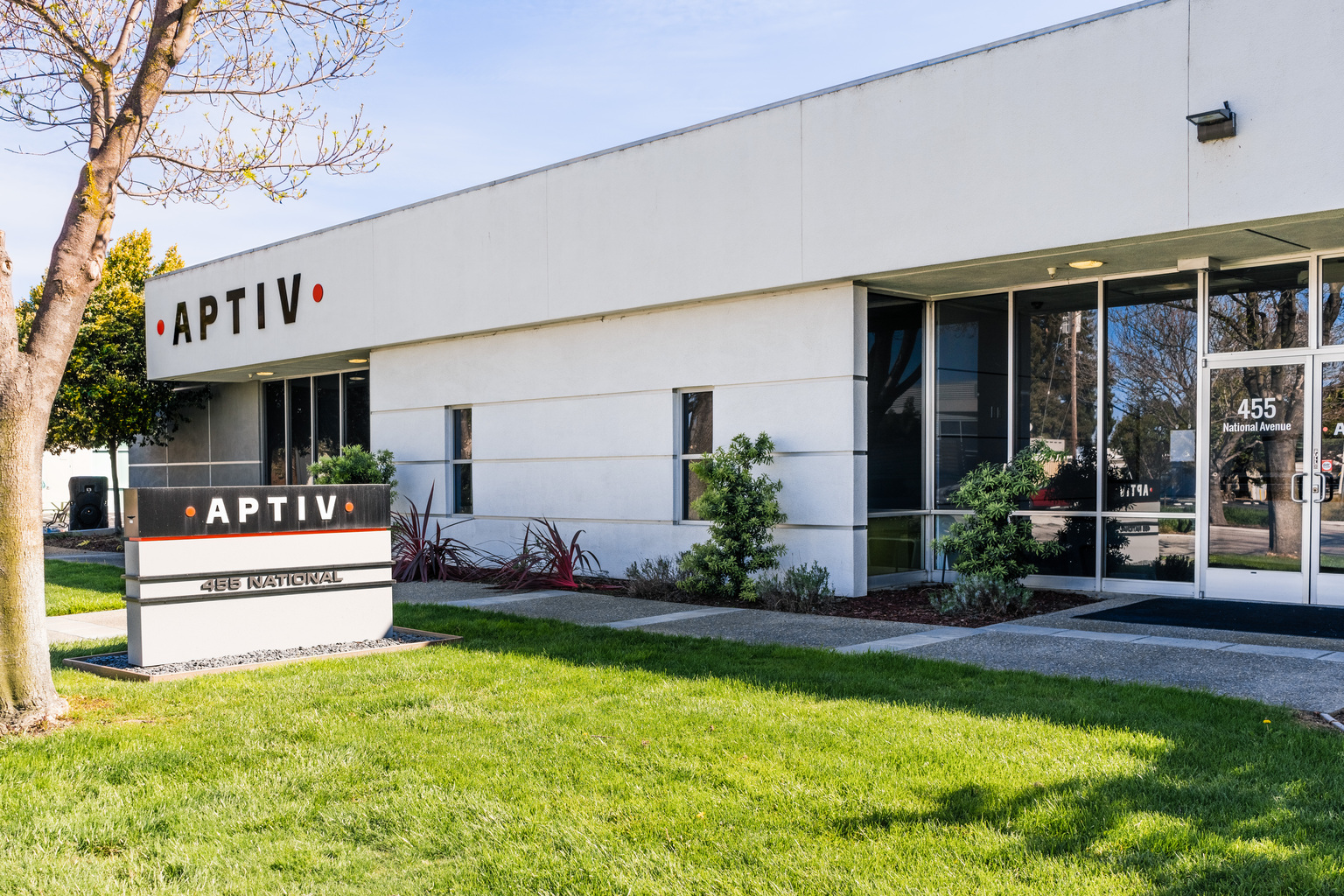
- Earnings Beat: Aptiv's Q1 revenue reached $5.1 billion, a 5% year-over-year increase, with adjusted EPS of $1.71 exceeding expectations; however, the stock plummeted nearly 6% due to investor concerns over margin pressures.
- Cash Flow Crisis: Free cash flow swung to -$362 million from a positive $76 million last year, while operating cash flow also turned negative at -$143 million, raising significant alarms about the company's financial health among investors.
- Weak Market Performance: Despite a 7% revenue increase in North America, sales in China and EMEA fell by 2% and 7%, respectively, indicating challenges in key markets that could hinder future growth prospects.
- Outlook Post-Spin-off: Following the spin-off of its Electrical Distribution Systems business, Aptiv expects FY2026 adjusted EPS between $5.70 and $6.10 and revenue between $12.8 billion and $13.2 billion, with Q2 revenue guidance aligning closely with Wall Street estimates, yet overall market sentiment remains low.
See More

U.S. Stocks Rise, Nasdaq Hits All-Time High

- Nasdaq Milestone: The Nasdaq 100 index rose by 1.08%, reaching an all-time high, driven by strong performances in technology stocks, particularly Intel, which surged over 10%, indicating increased market confidence in the tech sector.
- Crude Oil Decline: WTI crude prices fell by more than 3% as calm returned to the Middle East, despite U.S. Central Command's announcement of military support for ships transiting the Strait of Hormuz, which could impact global energy supply dynamics.
- Widening Trade Deficit: The U.S. trade deficit widened to $60.3 billion in March from $57.8 billion in February, although it was narrower than the expected $61 billion, reflecting the complexities of economic recovery and its potential implications for the stock market.
- Strong Earnings Reports: So far, 82% of the 322 S&P 500 companies that reported Q1 earnings have exceeded estimates, with overall earnings projected to rise by 12% year-over-year, indicating improved corporate profitability that may further drive stock market gains.
See More

Aptiv (APTV) Q1 2026 Earnings Transcript
See More
Three Stocks Added to Zacks Rank #5 (Strong Sell) List
- ADMA Biologics: ADMA Biologics, Inc. has seen its current year earnings estimate revised downward by 12.5% over the last 60 days, indicating a decline in market confidence regarding its future profitability, which may pressure its stock price.
- Aptiv Components: Aptiv PLC's current year earnings estimate has been cut by 24.1% in the past 60 days, highlighting increasing challenges in the automotive sector that could impact its market performance and investor confidence.
- Astec Industries: Astec Industries, Inc. has experienced a nearly 4% downward revision in its current year earnings estimate over the last 60 days, reflecting weakness in the construction equipment market that may negatively affect its sales and profitability.
- Impact of AI Revolution: While the AI revolution has already created many millionaires, the well-known stocks may not continue to deliver the biggest profits, prompting investors to focus on emerging companies to seize future growth opportunities.
See More
U.S. Stocks Close Higher, Led by Tech Gains
- Tech Stock Surge: Intel's stock soared over 12% after Apple held exploratory talks with Intel and Samsung Electronics for U.S. processor production, indicating strong market confidence in tech stocks and driving gains across chipmakers.
- Oil Price Decline: WTI crude oil prices fell more than 3% as the ceasefire in the Middle East eased geopolitical risks, providing support for the stock market and reflecting market demand for stability amid fluctuating oil prices.
- New Home Sales Growth: U.S. March new home sales rose 7.4% month-over-month to 682,000, surpassing expectations of 652,000, indicating a robust recovery in the housing market that could bolster economic confidence.
- Positive Earnings Outlook: As of Tuesday, 83% of the 354 S&P 500 companies that reported Q1 earnings exceeded estimates, with projected earnings growth of 12% year-over-year, demonstrating sustained corporate profitability that may further drive stock market gains.
See More
US Stocks Rise, Nasdaq Hits All-Time High
- Nasdaq Milestone: The Nasdaq 100 index surged by 1.20%, reaching an all-time high, driven by robust performance in technology stocks, reflecting increased investor confidence in the tech sector's growth potential.
- Intel's Strong Surge: Intel's stock rose over 13%, leading chipmakers after Apple indicated exploratory discussions with Intel and Samsung to produce key processors in the US, which is expected to enhance Intel's market share and profitability.
- Economic Data Impact: March new home sales in the US rose by 7.4% month-over-month to 682,000 units, surpassing expectations and indicating signs of recovery in the housing market, while the April ISM services index fell slightly below expectations, highlighting the complexities of economic recovery that may influence future monetary policy.
- Crude Oil Price Drop: WTI crude oil prices fell by more than 4% as calm returned to the Middle East, easing geopolitical risks, which is expected to positively impact inflation expectations and provide support for the stock market.
See More
Aptiv Reports Strong Q1 Earnings but Shares Plummet Nearly 6%
- Earnings Beat: Aptiv's Q1 revenue reached $5.1 billion, a 5% year-over-year increase, with adjusted EPS of $1.71 exceeding expectations; however, the stock plummeted nearly 6% due to investor concerns over margin pressures.
- Cash Flow Crisis: Free cash flow swung to -$362 million from a positive $76 million last year, while operating cash flow also turned negative at -$143 million, raising significant alarms about the company's financial health among investors.
- Weak Market Performance: Despite a 7% revenue increase in North America, sales in China and EMEA fell by 2% and 7%, respectively, indicating challenges in key markets that could hinder future growth prospects.
- Outlook Post-Spin-off: Following the spin-off of its Electrical Distribution Systems business, Aptiv expects FY2026 adjusted EPS between $5.70 and $6.10 and revenue between $12.8 billion and $13.2 billion, with Q2 revenue guidance aligning closely with Wall Street estimates, yet overall market sentiment remains low.
See More
U.S. Stocks Rise, Nasdaq Hits All-Time High
- Nasdaq Milestone: The Nasdaq 100 index rose by 1.08%, reaching an all-time high, driven by strong performances in technology stocks, particularly Intel, which surged over 10%, indicating increased market confidence in the tech sector.
- Crude Oil Decline: WTI crude prices fell by more than 3% as calm returned to the Middle East, despite U.S. Central Command's announcement of military support for ships transiting the Strait of Hormuz, which could impact global energy supply dynamics.
- Widening Trade Deficit: The U.S. trade deficit widened to $60.3 billion in March from $57.8 billion in February, although it was narrower than the expected $61 billion, reflecting the complexities of economic recovery and its potential implications for the stock market.
- Strong Earnings Reports: So far, 82% of the 322 S&P 500 companies that reported Q1 earnings have exceeded estimates, with overall earnings projected to rise by 12% year-over-year, indicating improved corporate profitability that may further drive stock market gains.
See More
Aptiv (APTV) Q1 2026 Earnings Transcript
See More