Analysts downgrade Suncor Energy amid market uncertainty
Suncor Energy Inc (SU) reached a 52-week high, gaining 3.00% in regular trading.
However, analysts have downgraded SU, citing market concerns following Maduro's overthrow and a crash in Western Canadian Select (WCS) prices, which may impact future profitability. Increased competition from Venezuelan crude returning to the market poses additional risks for Suncor, which sends a significant portion of its output to U.S. Gulf Coast refineries.
The current economic uncertainty has led analysts to recommend caution with investments in oil stocks, particularly those facing competition and market volatility.
Trade with 70% Backtested Accuracy
Analyst Views on SU

About SU
About the author

Suncor Energy Plans Significant Production Increase and Buyback Boost
- Stock Buyback Plan: Suncor Energy announced a more than 20% increase in its stock buyback program, aimed at enhancing shareholder returns and boosting market confidence, which is expected to positively impact its stock price.
- Production Target Increase: The company plans to boost oil production by 100,000 barrels per day to nearly 1 million barrels per day by 2028, indicating strong growth potential in the oil and gas market and further solidifying its market position.
- Free Cash Flow Increase: Suncor also aims to increase free funds flow by $2 billion while reducing its breakeven cost by $5 to $38 per barrel, enhancing the company's financial flexibility and supporting future investments.
- Refining Capacity Expansion: The company expects to raise its refining network capacity by 10% to 511,000 barrels per day by 2028, strengthening its competitiveness in the refining market and laying the groundwork for future growth.

Energy Stocks Decline as NYSE Energy Sector Index Falls 1.9%
- Market Weakness: Energy stocks were lower on Tuesday afternoon, with the NYSE Energy Sector Index dropping 1.9%, indicating market concerns over energy demand prospects, which may lead to decreased investor confidence.
- Investor Sentiment Impact: The decline in energy stocks, driven by expectations of a global economic slowdown, could affect the financing capabilities and shareholder returns of related companies, thereby impacting overall market performance.
- Increased Sector Volatility: The drop in the energy sector may prompt investors to reassess other related industries, particularly in the context of fluctuating oil and gas prices, potentially leading to a shift of funds towards more stable investment areas.
- Uncertain Future Outlook: As concerns over energy demand intensify, investors may adopt a more cautious approach, resulting in further volatility in energy stocks in the short term, which could affect the formulation of long-term investment strategies.

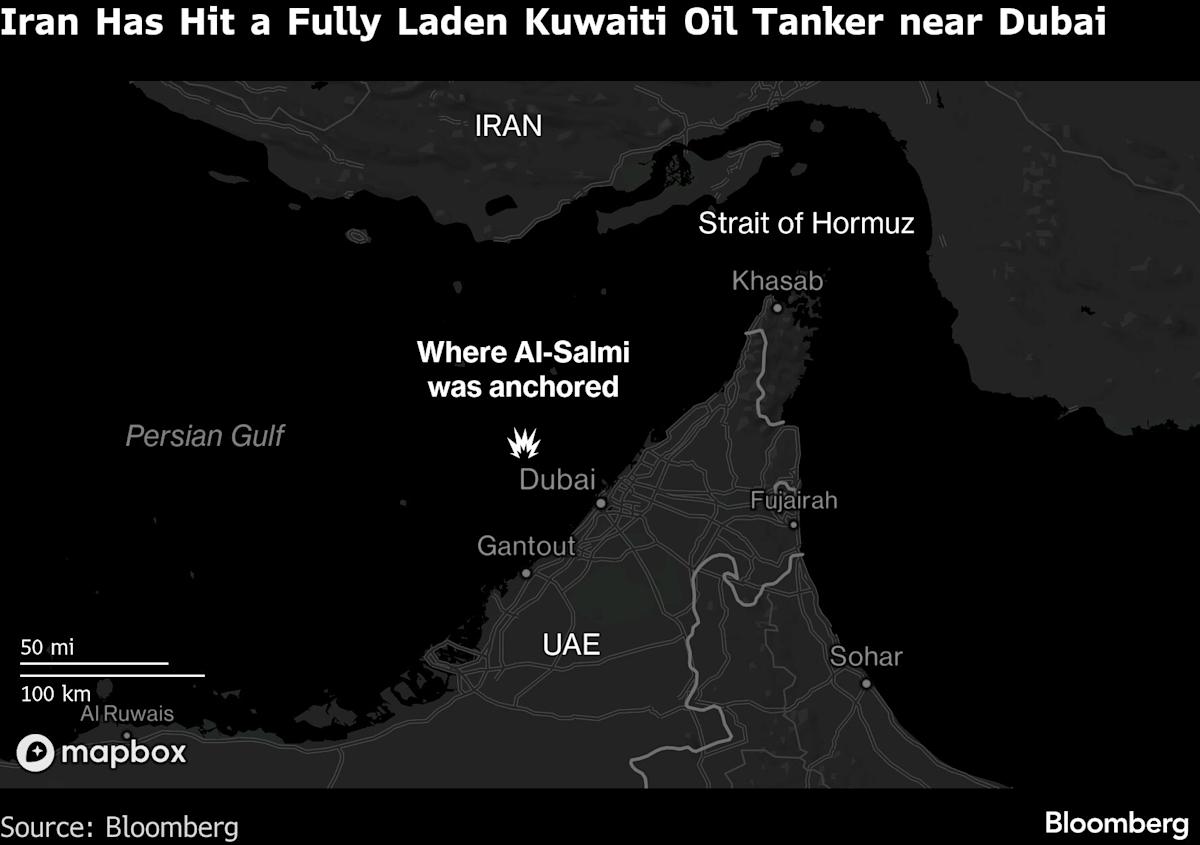
IRAN STICKS TO HARDLINE POSITION—WAR WILL PERSIST, DISMISSES U.S. TIMELINE, RESPONDS COLDLY TO PROPOSAL, AND ASSERTS SOVEREIGNTY OVER THE STRAIT OF HORMUZ.


Iran's Stance on War: Iran maintains a hardline stance regarding ongoing conflicts, indicating that war will continue despite external pressures.
Rejection of U.S. Proposals: The Iranian government has rejected the U.S. timeline for negotiations and proposals related to regional security.
Response to U.S. Actions: Iran's leadership has issued a lukewarm response to U.S. proposals, signaling a lack of interest in compromise.
Demand for Sovereignty: Iran emphasizes its demand for sovereignty over the Strait of Hormuz, asserting its rights in the region amidst international tensions.
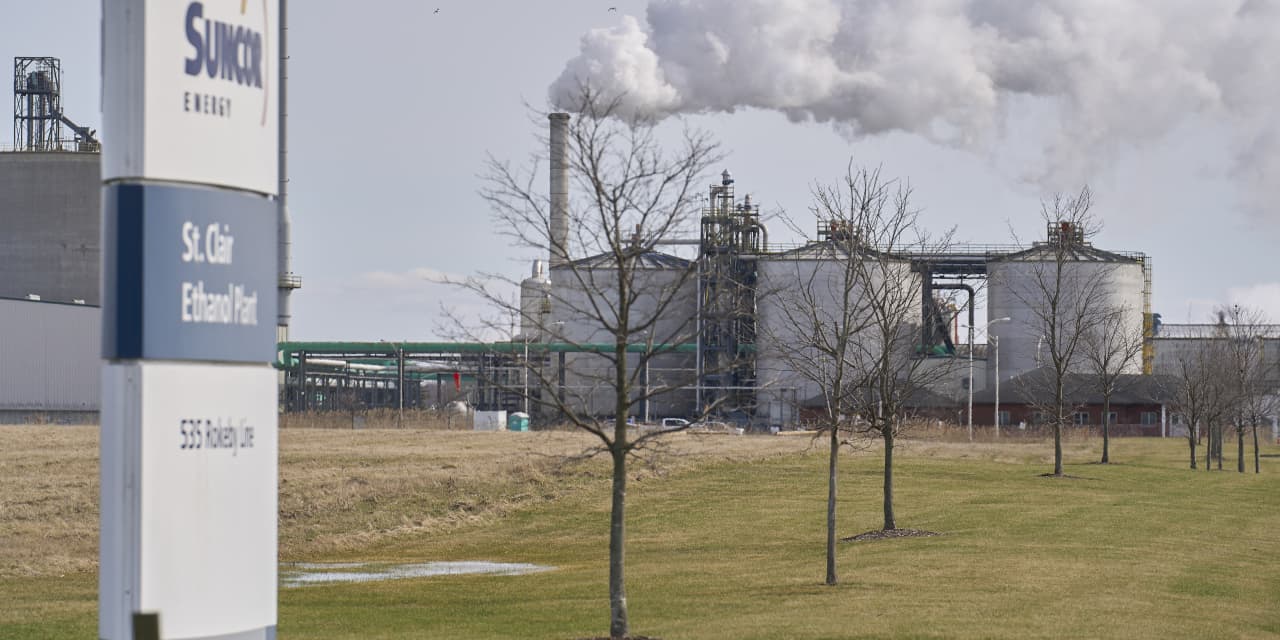
While the World Fears Oil Shortages, Canada Seizes the Moment.


Opportunity in Global Energy Markets: Canada is seizing an unexpected chance to increase its presence in global energy markets due to the ongoing war in Iran.
Impact of the War in Iran: The conflict has created a shift in energy dynamics, allowing Canada to potentially fill the gap left by Iranian energy exports.
Strategic Positioning: Canada aims to leverage this situation to enhance its energy exports and strengthen its economic position on the world stage.
Future Prospects: The developments in Iran may lead to long-term changes in energy supply chains, benefiting Canadian energy producers.
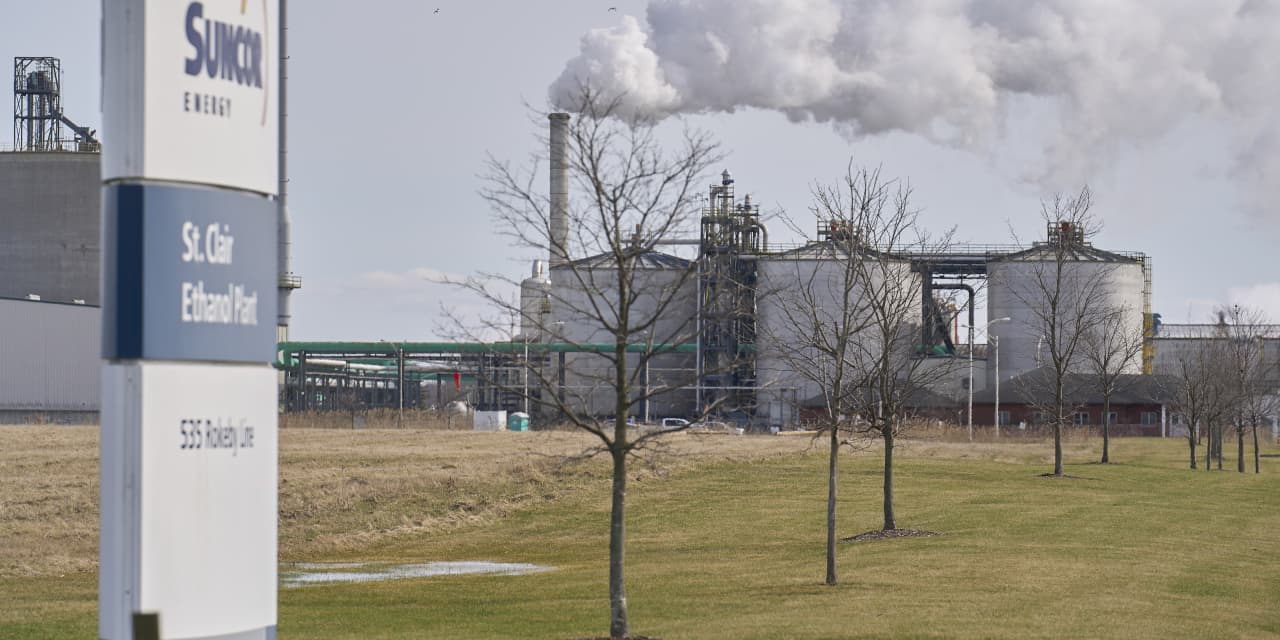
Canada Can Benefit from the Energy Shock: Suncor Stock and Three Other Success Stories.


Opportunity in Global Energy Markets: Canada is seizing an unexpected chance to increase its presence in global energy markets due to the ongoing war in Iran.
Impact of the War in Iran: The conflict has created a shift in energy dynamics, allowing Canada to potentially fill gaps left by other countries affected by the war.
PRESIDENT DONALD TRUMP DESCRIBES INITIAL U.S.-IRAN DISCUSSIONS AS "EXCELLENT," STATING TEHRAN SEEKS PEACE AND HAS COMMITTED TO AVOIDING NUCLEAR WEAPONS.


Trump's Remarks on Talks: President Donald Trump described the preliminary U.S.-Iran talks as "very, very good."
Iran's Stance on Peace: Iran, represented by Tehran, expressed a desire for peace and has agreed not to pursue nuclear weapons.
Suncor Energy Plans Significant Production Increase and Buyback Boost
- Stock Buyback Plan: Suncor Energy announced a more than 20% increase in its stock buyback program, aimed at enhancing shareholder returns and boosting market confidence, which is expected to positively impact its stock price.
- Production Target Increase: The company plans to boost oil production by 100,000 barrels per day to nearly 1 million barrels per day by 2028, indicating strong growth potential in the oil and gas market and further solidifying its market position.
- Free Cash Flow Increase: Suncor also aims to increase free funds flow by $2 billion while reducing its breakeven cost by $5 to $38 per barrel, enhancing the company's financial flexibility and supporting future investments.
- Refining Capacity Expansion: The company expects to raise its refining network capacity by 10% to 511,000 barrels per day by 2028, strengthening its competitiveness in the refining market and laying the groundwork for future growth.
Energy Stocks Decline as NYSE Energy Sector Index Falls 1.9%
- Market Weakness: Energy stocks were lower on Tuesday afternoon, with the NYSE Energy Sector Index dropping 1.9%, indicating market concerns over energy demand prospects, which may lead to decreased investor confidence.
- Investor Sentiment Impact: The decline in energy stocks, driven by expectations of a global economic slowdown, could affect the financing capabilities and shareholder returns of related companies, thereby impacting overall market performance.
- Increased Sector Volatility: The drop in the energy sector may prompt investors to reassess other related industries, particularly in the context of fluctuating oil and gas prices, potentially leading to a shift of funds towards more stable investment areas.
- Uncertain Future Outlook: As concerns over energy demand intensify, investors may adopt a more cautious approach, resulting in further volatility in energy stocks in the short term, which could affect the formulation of long-term investment strategies.
IRAN STICKS TO HARDLINE POSITION—WAR WILL PERSIST, DISMISSES U.S. TIMELINE, RESPONDS COLDLY TO PROPOSAL, AND ASSERTS SOVEREIGNTY OVER THE STRAIT OF HORMUZ.
Iran's Stance on War: Iran maintains a hardline stance regarding ongoing conflicts, indicating that war will continue despite external pressures.
Rejection of U.S. Proposals: The Iranian government has rejected the U.S. timeline for negotiations and proposals related to regional security.
Response to U.S. Actions: Iran's leadership has issued a lukewarm response to U.S. proposals, signaling a lack of interest in compromise.
Demand for Sovereignty: Iran emphasizes its demand for sovereignty over the Strait of Hormuz, asserting its rights in the region amidst international tensions.
While the World Fears Oil Shortages, Canada Seizes the Moment.
Opportunity in Global Energy Markets: Canada is seizing an unexpected chance to increase its presence in global energy markets due to the ongoing war in Iran.
Impact of the War in Iran: The conflict has created a shift in energy dynamics, allowing Canada to potentially fill the gap left by Iranian energy exports.
Strategic Positioning: Canada aims to leverage this situation to enhance its energy exports and strengthen its economic position on the world stage.
Future Prospects: The developments in Iran may lead to long-term changes in energy supply chains, benefiting Canadian energy producers.
Canada Can Benefit from the Energy Shock: Suncor Stock and Three Other Success Stories.
Opportunity in Global Energy Markets: Canada is seizing an unexpected chance to increase its presence in global energy markets due to the ongoing war in Iran.
Impact of the War in Iran: The conflict has created a shift in energy dynamics, allowing Canada to potentially fill gaps left by other countries affected by the war.
PRESIDENT DONALD TRUMP DESCRIBES INITIAL U.S.-IRAN DISCUSSIONS AS "EXCELLENT," STATING TEHRAN SEEKS PEACE AND HAS COMMITTED TO AVOIDING NUCLEAR WEAPONS.
Trump's Remarks on Talks: President Donald Trump described the preliminary U.S.-Iran talks as "very, very good."
Iran's Stance on Peace: Iran, represented by Tehran, expressed a desire for peace and has agreed not to pursue nuclear weapons.