American Airlines Stock Rises Amid Merger Proposal with United Airlines
American Airlines Group Inc's stock rose 6.60% in pre-market trading, reaching a 20-day high.
The increase follows news that United Airlines CEO Scott Kirby proposed a merger with American Airlines to the Trump administration, which could create the world's largest airline controlling about 40% of domestic capacity. However, analysts express skepticism about the feasibility of the merger due to significant regulatory hurdles and antitrust challenges. Despite this, the stock's rise indicates market interest in potential consolidation within the airline industry.
The implications of this merger proposal could reshape the competitive landscape of the airline sector, as major players seek to enhance their market positions amid rising fuel costs and changing consumer demand.
Trade with 70% Backtested Accuracy
Analyst Views on AAL

About AAL
About the author


US Stocks Rise Slightly, Led by Tech Gains


- Market Performance: The S&P 500 and Nasdaq 100 indices both reached all-time highs, rising 0.19% and 0.29% respectively, reflecting strong corporate earnings and optimism around artificial intelligence, although gains were limited by rising oil prices and bond yields.
- Middle East Impact: The failure of the US and Iran to reach a peace agreement led to an increase in global bond yields, with the 10-year T-note yield rising 5 basis points to 4.41%, raising concerns that sustained high energy prices could force central banks to tighten monetary policy.
- Chinese Trade Data: China's April exports rose 14.1% year-on-year, significantly exceeding expectations of 8.4%, while imports increased by 25.3%, indicating positive signals for global economic recovery that could benefit global markets.
- Earnings Reports: As of Monday, 83% of the 450 S&P 500 companies that reported earnings exceeded expectations, with Q1 earnings projected to grow 12% year-on-year, but only 3% when excluding the technology sector, highlighting disparities in profitability across industries.

US Stocks Rise Slightly, Nasdaq Hits All-Time High

- Market Performance: The S&P 500 Index rose by 0.25% and the Nasdaq 100 Index increased by 0.17%, reaching all-time highs, reflecting strong corporate earnings and optimism around artificial intelligence, although rising oil prices and bond yields limited gains.
- Middle East Impact: The failure of the US and Iran to reach a peace agreement has led to rising global bond yields, with the 10-year T-note yield increasing by 3 basis points to 4.39%, raising concerns that elevated energy prices could force central banks to tighten monetary policy.
- Chinese Trade Data: China's April exports rose by 14.1% year-on-year and imports increased by 25.3%, both exceeding market expectations, indicating positive signals for global economic recovery that could benefit global markets.
- Earnings Reports: So far, 83% of the 446 S&P 500 companies that reported earnings have beaten estimates, with Q1 earnings projected to climb by 12% year-on-year, although excluding the technology sector, the growth is only 3%, marking the weakest performance in two years.

U.S. Stocks Rise Slightly Amid Strong Corporate Earnings
- Market Performance: The S&P 500 rose by 0.17% and the Nasdaq 100 reached an all-time high, reflecting strong corporate earnings and optimism around AI, although rising oil prices and bond yields limited gains.
- Middle East Impact: The failure of the U.S. and Iran to reach a peace agreement has led to rising global bond yields, with the 10-year Treasury yield increasing to 4.39%, potentially forcing central banks to tighten monetary policy, which could affect market liquidity.
- Chinese Trade Data: China's April exports rose 14.1% year-on-year and imports increased by 25.3%, both exceeding market expectations, providing a positive signal for global economic growth and potentially boosting international investment sentiment.
- Corporate Earnings Situation: So far, 83% of the 446 S&P 500 companies have exceeded earnings expectations, with Q1 earnings projected to grow by 12% year-on-year, demonstrating corporate resilience in the economic recovery, although growth in the tech sector has slowed to 3%.

U.S. Aviation Sector Faces Demand Challenges Amid High Fares

- Marginal Passenger Volume Improvement: TSA screening data for U.S. airlines showed a slight improvement last week, yet year-over-year growth remains negative, indicating the aviation sector's struggle amid high ticket prices and strategic capacity cuts.
- Major Airlines Decline: Southwest Airlines and Alaska Air experienced TSA screening drops of 4.6% and 6.3%, respectively, while Delta Air Lines and United Airlines saw declines around 2%, reflecting a broader trend of weak demand.
- Capacity Adjustments in Response: Although domestic capacity for Q2 2026 is projected to grow by 3.6%, airlines have begun trimming seat arrangements for upcoming months, with total industry capacity reduced by 0.3% in May and 0.5% in June.
- High Fares Impacting Consumers: Despite a slight uptick in passenger volume, consumer sensitivity to high fares, exacerbated by war-related fuel price spikes, remains a significant headwind for the industry as it approaches the peak summer travel season.

Brazil's Azul Airlines Faces $204M Hit from Rising Fuel Prices

- Fuel Cost Pressure: Brazilian airline Azul expects a hit of about 1 billion reais ($204.15 million) from rising fuel prices, with fuel accounting for 30% of its total costs, significantly impacting its financial health.
- Post-Restructuring Challenge: Following a $2.5 billion debt reduction and restructuring, Azul faces its first major test, although the company believes it is better positioned than peers to absorb the impact of rising costs.
- Optimized Delivery Plans: Azul anticipates the delivery of four Embraer E2 jets and seven Airbus widebodies this year at more favorable prices than previous contracts, which will help mitigate the pressure from rising fuel costs.
- New CFO's Cost Control: New CFO Antonio Carlos Garcia focuses on strict cost discipline and improving cash flow, planning to relaunch the American Depositary Receipts (ADR) program by late May or early June to enhance the company's financial stability.
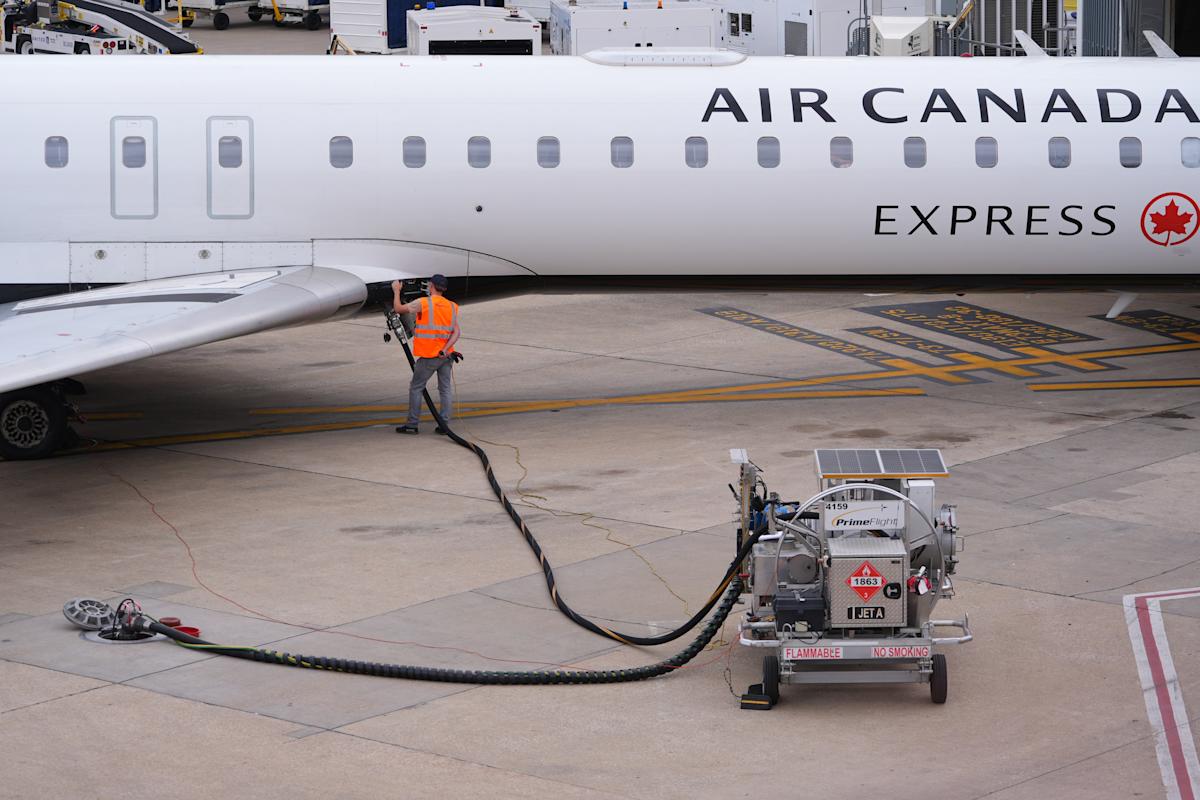
Air Travel Costs Surge Amid Jet Fuel Crisis

- Fuel Cost Surge: Jet fuel prices have soared over 100% since the start of the Iran war, prompting airlines to cut thousands of flights, which directly impacts consumer travel costs and airline profitability.
- Flight Reductions Impact: The blockage of the Strait of Hormuz has paralyzed about 20% of global jet fuel transport, with an estimated reduction of 620,000 barrels per day in jet fuel supply expected in Q2 2026, exacerbating the aviation crisis.
- Airlines' Response: Delta Air Lines anticipates a $2 billion fuel cost in Q2 and has begun raising fuel surcharges and ticket prices to cope with rising operational costs, indicating a high sense of urgency within the industry.
- Increased Market Competition: High fuel prices force airlines to reduce capacity and consolidate resources, with low-cost carrier Spirit Airlines collapsing under financial pressure, reflecting intensified competition and market restructuring within the industry.
US Stocks Rise Slightly, Led by Tech Gains
- Market Performance: The S&P 500 and Nasdaq 100 indices both reached all-time highs, rising 0.19% and 0.29% respectively, reflecting strong corporate earnings and optimism around artificial intelligence, although gains were limited by rising oil prices and bond yields.
- Middle East Impact: The failure of the US and Iran to reach a peace agreement led to an increase in global bond yields, with the 10-year T-note yield rising 5 basis points to 4.41%, raising concerns that sustained high energy prices could force central banks to tighten monetary policy.
- Chinese Trade Data: China's April exports rose 14.1% year-on-year, significantly exceeding expectations of 8.4%, while imports increased by 25.3%, indicating positive signals for global economic recovery that could benefit global markets.
- Earnings Reports: As of Monday, 83% of the 450 S&P 500 companies that reported earnings exceeded expectations, with Q1 earnings projected to grow 12% year-on-year, but only 3% when excluding the technology sector, highlighting disparities in profitability across industries.
US Stocks Rise Slightly, Nasdaq Hits All-Time High
- Market Performance: The S&P 500 Index rose by 0.25% and the Nasdaq 100 Index increased by 0.17%, reaching all-time highs, reflecting strong corporate earnings and optimism around artificial intelligence, although rising oil prices and bond yields limited gains.
- Middle East Impact: The failure of the US and Iran to reach a peace agreement has led to rising global bond yields, with the 10-year T-note yield increasing by 3 basis points to 4.39%, raising concerns that elevated energy prices could force central banks to tighten monetary policy.
- Chinese Trade Data: China's April exports rose by 14.1% year-on-year and imports increased by 25.3%, both exceeding market expectations, indicating positive signals for global economic recovery that could benefit global markets.
- Earnings Reports: So far, 83% of the 446 S&P 500 companies that reported earnings have beaten estimates, with Q1 earnings projected to climb by 12% year-on-year, although excluding the technology sector, the growth is only 3%, marking the weakest performance in two years.
U.S. Stocks Rise Slightly Amid Strong Corporate Earnings
- Market Performance: The S&P 500 rose by 0.17% and the Nasdaq 100 reached an all-time high, reflecting strong corporate earnings and optimism around AI, although rising oil prices and bond yields limited gains.
- Middle East Impact: The failure of the U.S. and Iran to reach a peace agreement has led to rising global bond yields, with the 10-year Treasury yield increasing to 4.39%, potentially forcing central banks to tighten monetary policy, which could affect market liquidity.
- Chinese Trade Data: China's April exports rose 14.1% year-on-year and imports increased by 25.3%, both exceeding market expectations, providing a positive signal for global economic growth and potentially boosting international investment sentiment.
- Corporate Earnings Situation: So far, 83% of the 446 S&P 500 companies have exceeded earnings expectations, with Q1 earnings projected to grow by 12% year-on-year, demonstrating corporate resilience in the economic recovery, although growth in the tech sector has slowed to 3%.
U.S. Aviation Sector Faces Demand Challenges Amid High Fares
- Marginal Passenger Volume Improvement: TSA screening data for U.S. airlines showed a slight improvement last week, yet year-over-year growth remains negative, indicating the aviation sector's struggle amid high ticket prices and strategic capacity cuts.
- Major Airlines Decline: Southwest Airlines and Alaska Air experienced TSA screening drops of 4.6% and 6.3%, respectively, while Delta Air Lines and United Airlines saw declines around 2%, reflecting a broader trend of weak demand.
- Capacity Adjustments in Response: Although domestic capacity for Q2 2026 is projected to grow by 3.6%, airlines have begun trimming seat arrangements for upcoming months, with total industry capacity reduced by 0.3% in May and 0.5% in June.
- High Fares Impacting Consumers: Despite a slight uptick in passenger volume, consumer sensitivity to high fares, exacerbated by war-related fuel price spikes, remains a significant headwind for the industry as it approaches the peak summer travel season.
Brazil's Azul Airlines Faces $204M Hit from Rising Fuel Prices
- Fuel Cost Pressure: Brazilian airline Azul expects a hit of about 1 billion reais ($204.15 million) from rising fuel prices, with fuel accounting for 30% of its total costs, significantly impacting its financial health.
- Post-Restructuring Challenge: Following a $2.5 billion debt reduction and restructuring, Azul faces its first major test, although the company believes it is better positioned than peers to absorb the impact of rising costs.
- Optimized Delivery Plans: Azul anticipates the delivery of four Embraer E2 jets and seven Airbus widebodies this year at more favorable prices than previous contracts, which will help mitigate the pressure from rising fuel costs.
- New CFO's Cost Control: New CFO Antonio Carlos Garcia focuses on strict cost discipline and improving cash flow, planning to relaunch the American Depositary Receipts (ADR) program by late May or early June to enhance the company's financial stability.
Air Travel Costs Surge Amid Jet Fuel Crisis
- Fuel Cost Surge: Jet fuel prices have soared over 100% since the start of the Iran war, prompting airlines to cut thousands of flights, which directly impacts consumer travel costs and airline profitability.
- Flight Reductions Impact: The blockage of the Strait of Hormuz has paralyzed about 20% of global jet fuel transport, with an estimated reduction of 620,000 barrels per day in jet fuel supply expected in Q2 2026, exacerbating the aviation crisis.
- Airlines' Response: Delta Air Lines anticipates a $2 billion fuel cost in Q2 and has begun raising fuel surcharges and ticket prices to cope with rising operational costs, indicating a high sense of urgency within the industry.
- Increased Market Competition: High fuel prices force airlines to reduce capacity and consolidate resources, with low-cost carrier Spirit Airlines collapsing under financial pressure, reflecting intensified competition and market restructuring within the industry.