

AMD benefits from Samsung's HBM4E memory chip launch
Advanced Micro Devices Inc (AMD) is experiencing a price increase of 3.00% in pre-market trading, reaching a 52-week high. This surge is attributed to Samsung Electronics' announcement of the world's first shipment of its 12-layer HBM4E memory chip, which is expected to enhance performance in AI applications. AMD is among the diverse customer base for this innovative memory technology, indicating its strategic positioning in the growing AI server and processor market.
The launch of Samsung's HBM4E memory chip is significant as it addresses the surging demand for advanced memory solutions in AI technologies. This development not only showcases Samsung's leadership in the high-end memory market but also highlights AMD's involvement in this sector, which is crucial for the performance of AI-driven applications. As the demand for AI technologies continues to rise, AMD's association with Samsung's cutting-edge products may bolster its market position.
The implications of this development are substantial for AMD, as the integration of high-performance memory solutions is vital for enhancing computational power in AI applications. This partnership with Samsung could lead to increased demand for AMD's processors, further solidifying its role in the rapidly evolving AI landscape.
Trade with 70% Backtested Accuracy
Analyst Views on AMD

About AMD
About the author

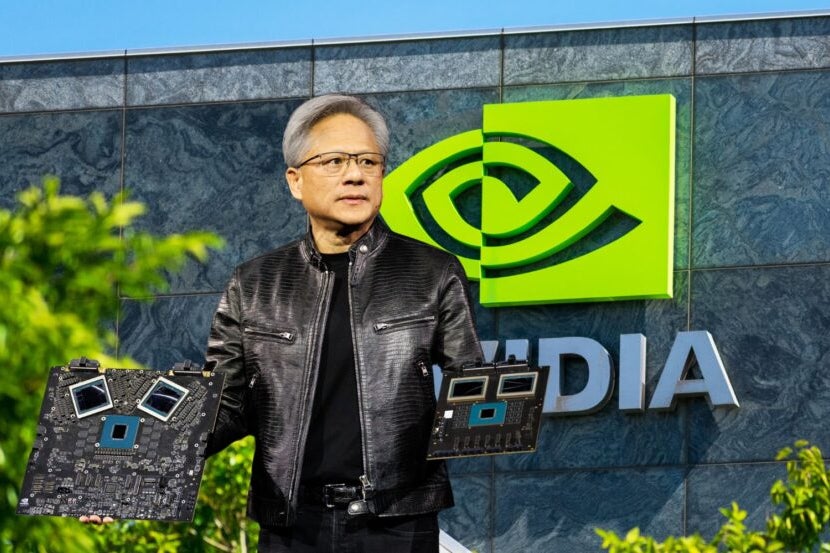
Nvidia Stock Returns 18,300% Over a Decade, Analysts Predict Future Gains


- Significant Investment Returns: Nvidia stock has delivered an astonishing 18,300% return over the past decade, transforming a $1,000 investment into $184,000, significantly outperforming the S&P 500's 328% return, underscoring its leadership in the AI chip market and investment appeal.
- Future Earnings Expectations: Analysts project Nvidia's earnings per share (EPS) to increase by 87.2% in fiscal 2027, with an average annual growth rate of 45.5% over the next five years, indicating strong potential for sustained profitability that may attract more investor interest.
- Attractive Valuation: With a trailing P/E ratio of 31.3 and a forward P/E of 23.3, Nvidia appears undervalued in the rapidly growing AI market, suggesting that buying now could yield substantial returns for investors.
- Chinese Market Potential: Although Nvidia has halted sales of data center AI chips to China due to U.S. export controls, a future resumption of purchases from Chinese companies could provide significant growth momentum for the company, further driving up its stock price.

Nvidia Stock Price Target Analysis
- Price Target Forecast: Analysts predict Nvidia's stock could rise by 45% over the next year, targeting $305, while under a base case, it could exceed a 55% increase, targeting over $327, indicating strong market optimism about its future growth.
- Earnings Growth Potential: Nvidia is expected to see an 87.2% increase in earnings per share for fiscal 2027 and a 39.8% increase for fiscal 2028, with an average annual growth rate of 45.5% over the next five years, showcasing its robust growth potential in the AI sector that may attract more investor interest.
- Market Environment Impact: Although Nvidia has ceased selling data center AI chips to China, a potential resumption of purchases of the H200 chip by Chinese companies could significantly boost its stock price, reflecting market expectations for a recovery in the Chinese market.
- Valuation Attractiveness: With a trailing P/E ratio of 31.3 and a forward P/E of 23.3, Nvidia remains an attractive investment in the rapidly growing AI market, prompting investors to consider increasing their holdings for long-term gains.

Major Market Indexes on Wall Street Rise


- Analyst Rating Changes: Rothschild & Co Redburn upgraded Lyft (LYFT) from Neutral to Buy with a price target of $22, believing that recent pressures on ride growth are temporary rather than structural, and that international expansion will help re-accelerate demand.
- Bullish on Energy Stocks: Bank of America upgraded Exxon Mobil (XOM) from Neutral to Buy with a price target of $154, citing that the recent pullback leaves the stock pricing Brent crude at $65/bbl long-term, while Exxon's strong execution in the Permian provides a clear growth trajectory.
- Focus on Semiconductors: Micron (MU) attracted attention as Stifel raised its price target from $550 to $1,500, modeling nearly 80% quarter-over-quarter revenue growth driven by ASP increases, while Wedbush also raised its target from $550 to $1,300.
- Market Dynamics Analysis: Major market indexes on Wall Street rose amid the Federal Reserve's hawkish policy shift, as investors balanced concerns over the Fed with optimism surrounding AI, with the S&P 500 posting weekly gains.
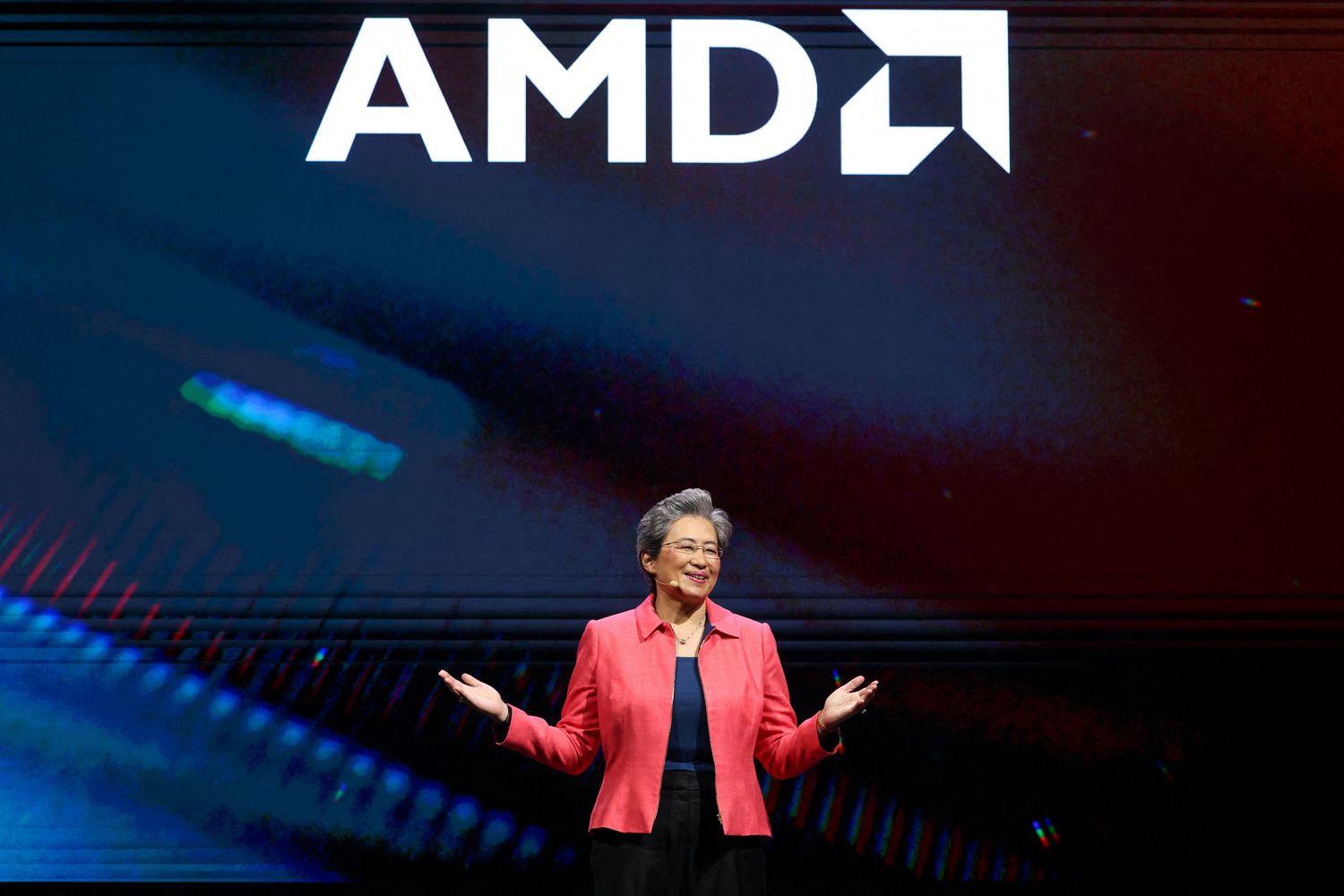
Nvidia Calls Marvell Next Trillion-Dollar Semiconductor Stock

- Investment and Partnership: Nvidia's $2 billion investment in Marvell earlier this year, coupled with a partnership to streamline integration for Marvell's custom chip customers like Amazon via NVLink Fusion, enhances Marvell's competitive edge in the semiconductor market.
- Revenue Growth Expectations: Marvell anticipates a 40% revenue increase this year to $11.5 billion, with interconnect revenue soaring by 70%, indicating strong growth potential in the rapidly expanding AI data center market.
- Market Challenges: Despite Marvell's robust performance in custom chips, it faces competition from Taiwanese semiconductor firm AIchip, which may jeopardize its leading role in future iterations of its Trainium chips, posing a threat to its market share.
- Industry Outlook: With a market cap below $250 billion and a frothy forward P/E ratio nearing 70 times, Marvell must achieve significant growth to reach a $1 trillion valuation in the coming years, which is a critical point of concern for investors.

Market Outlook for Marvell and AMD: Trillion-Dollar Potential
- Marvell's Growth Potential: Marvell expects a 40% revenue increase this year to $11.5 billion, with interconnect revenue soaring by 70%, highlighting its significant position in the rapidly growing data center market; however, with a market cap below $250 billion, it will require substantial growth to reach a trillion-dollar valuation.
- AMD's Market Opportunities: AMD, with a market cap exceeding $865 billion, is only 15.6% away from a trillion-dollar valuation, and its strong market trends in inference and agentic AI, coupled with its recent acquisition of AI memory optimization technology, are set to significantly reduce costs and enhance performance.
- ASML's Monopoly Position: ASML holds a monopoly on extreme ultraviolet lithography technology, with a market cap around $710 billion, and is expected to maintain high demand as AI chip and memory needs rise, positioning it as a strong contender for a trillion-dollar market cap.
- Industry Trend Impacts: As demand for AI and high-bandwidth memory increases, Marvell, AMD, and ASML are all benefiting in their respective fields, particularly with Marvell's innovations in optical interconnect technology enhancing its competitiveness in the data center market, despite challenges from other companies.
Marvell Technology's Optimistic Outlook Fueled by AI Product Innovations

- Strong Revenue Growth: Marvell Technology achieved a 28% year-over-year revenue growth in Q1 FY2027, with Q2 revenue projected at $2.7 billion, reflecting a 35% year-over-year and 11.7% sequential growth, indicating significant long-term growth potential.
- Surge in AI Orders: CEO Matt Murphy noted exceptional AI-related bookings, leading to a substantial upward revision in revenue outlook for FY2027 and FY2028, suggesting a future valuation of $1 trillion, although other AI stocks may reach this milestone sooner.
- Launch of Teralynx T100 Chip: The newly released Teralynx T100 networking chip delivers 25% lower power consumption and the industry's lowest latency for AI workloads, significantly enhancing data center efficiency and addressing the high demand for energy optimization.
- Product Portfolio Strength: The upgrade of the Teralynx T100 complements Marvell's existing portfolio of ASIC chips and optical fibers, with ongoing product innovations poised to help the company maintain its competitive edge and expand market share.
Nvidia Stock Returns 18,300% Over a Decade, Analysts Predict Future Gains
- Significant Investment Returns: Nvidia stock has delivered an astonishing 18,300% return over the past decade, transforming a $1,000 investment into $184,000, significantly outperforming the S&P 500's 328% return, underscoring its leadership in the AI chip market and investment appeal.
- Future Earnings Expectations: Analysts project Nvidia's earnings per share (EPS) to increase by 87.2% in fiscal 2027, with an average annual growth rate of 45.5% over the next five years, indicating strong potential for sustained profitability that may attract more investor interest.
- Attractive Valuation: With a trailing P/E ratio of 31.3 and a forward P/E of 23.3, Nvidia appears undervalued in the rapidly growing AI market, suggesting that buying now could yield substantial returns for investors.
- Chinese Market Potential: Although Nvidia has halted sales of data center AI chips to China due to U.S. export controls, a future resumption of purchases from Chinese companies could provide significant growth momentum for the company, further driving up its stock price.
Nvidia Stock Price Target Analysis
- Price Target Forecast: Analysts predict Nvidia's stock could rise by 45% over the next year, targeting $305, while under a base case, it could exceed a 55% increase, targeting over $327, indicating strong market optimism about its future growth.
- Earnings Growth Potential: Nvidia is expected to see an 87.2% increase in earnings per share for fiscal 2027 and a 39.8% increase for fiscal 2028, with an average annual growth rate of 45.5% over the next five years, showcasing its robust growth potential in the AI sector that may attract more investor interest.
- Market Environment Impact: Although Nvidia has ceased selling data center AI chips to China, a potential resumption of purchases of the H200 chip by Chinese companies could significantly boost its stock price, reflecting market expectations for a recovery in the Chinese market.
- Valuation Attractiveness: With a trailing P/E ratio of 31.3 and a forward P/E of 23.3, Nvidia remains an attractive investment in the rapidly growing AI market, prompting investors to consider increasing their holdings for long-term gains.
Major Market Indexes on Wall Street Rise
- Analyst Rating Changes: Rothschild & Co Redburn upgraded Lyft (LYFT) from Neutral to Buy with a price target of $22, believing that recent pressures on ride growth are temporary rather than structural, and that international expansion will help re-accelerate demand.
- Bullish on Energy Stocks: Bank of America upgraded Exxon Mobil (XOM) from Neutral to Buy with a price target of $154, citing that the recent pullback leaves the stock pricing Brent crude at $65/bbl long-term, while Exxon's strong execution in the Permian provides a clear growth trajectory.
- Focus on Semiconductors: Micron (MU) attracted attention as Stifel raised its price target from $550 to $1,500, modeling nearly 80% quarter-over-quarter revenue growth driven by ASP increases, while Wedbush also raised its target from $550 to $1,300.
- Market Dynamics Analysis: Major market indexes on Wall Street rose amid the Federal Reserve's hawkish policy shift, as investors balanced concerns over the Fed with optimism surrounding AI, with the S&P 500 posting weekly gains.
Nvidia Calls Marvell Next Trillion-Dollar Semiconductor Stock
- Investment and Partnership: Nvidia's $2 billion investment in Marvell earlier this year, coupled with a partnership to streamline integration for Marvell's custom chip customers like Amazon via NVLink Fusion, enhances Marvell's competitive edge in the semiconductor market.
- Revenue Growth Expectations: Marvell anticipates a 40% revenue increase this year to $11.5 billion, with interconnect revenue soaring by 70%, indicating strong growth potential in the rapidly expanding AI data center market.
- Market Challenges: Despite Marvell's robust performance in custom chips, it faces competition from Taiwanese semiconductor firm AIchip, which may jeopardize its leading role in future iterations of its Trainium chips, posing a threat to its market share.
- Industry Outlook: With a market cap below $250 billion and a frothy forward P/E ratio nearing 70 times, Marvell must achieve significant growth to reach a $1 trillion valuation in the coming years, which is a critical point of concern for investors.
Market Outlook for Marvell and AMD: Trillion-Dollar Potential
- Marvell's Growth Potential: Marvell expects a 40% revenue increase this year to $11.5 billion, with interconnect revenue soaring by 70%, highlighting its significant position in the rapidly growing data center market; however, with a market cap below $250 billion, it will require substantial growth to reach a trillion-dollar valuation.
- AMD's Market Opportunities: AMD, with a market cap exceeding $865 billion, is only 15.6% away from a trillion-dollar valuation, and its strong market trends in inference and agentic AI, coupled with its recent acquisition of AI memory optimization technology, are set to significantly reduce costs and enhance performance.
- ASML's Monopoly Position: ASML holds a monopoly on extreme ultraviolet lithography technology, with a market cap around $710 billion, and is expected to maintain high demand as AI chip and memory needs rise, positioning it as a strong contender for a trillion-dollar market cap.
- Industry Trend Impacts: As demand for AI and high-bandwidth memory increases, Marvell, AMD, and ASML are all benefiting in their respective fields, particularly with Marvell's innovations in optical interconnect technology enhancing its competitiveness in the data center market, despite challenges from other companies.
Marvell Technology's Optimistic Outlook Fueled by AI Product Innovations
- Strong Revenue Growth: Marvell Technology achieved a 28% year-over-year revenue growth in Q1 FY2027, with Q2 revenue projected at $2.7 billion, reflecting a 35% year-over-year and 11.7% sequential growth, indicating significant long-term growth potential.
- Surge in AI Orders: CEO Matt Murphy noted exceptional AI-related bookings, leading to a substantial upward revision in revenue outlook for FY2027 and FY2028, suggesting a future valuation of $1 trillion, although other AI stocks may reach this milestone sooner.
- Launch of Teralynx T100 Chip: The newly released Teralynx T100 networking chip delivers 25% lower power consumption and the industry's lowest latency for AI workloads, significantly enhancing data center efficiency and addressing the high demand for energy optimization.
- Product Portfolio Strength: The upgrade of the Teralynx T100 complements Marvell's existing portfolio of ASIC chips and optical fibers, with ongoing product innovations poised to help the company maintain its competitive edge and expand market share.





