Alcoa Faces Pressure Amid Aluminum Supply Crisis
Alcoa Corp (AA) fell 5.06% as it crossed below the 5-day SMA, reflecting investor concerns amid a tightening aluminum supply chain.
The recent missile strikes in the Middle East have severely disrupted aluminum production, particularly affecting Emirates Global Aluminium's Al Taweelah smelter, which may take up to a year to restore full output. This situation has led to significant price increases in aluminum, with prices on the London Metal Exchange surging over 10%. Additionally, JPMorgan upgraded Alcoa's rating from 'Underweight' to 'Neutral', indicating a positive outlook for the company amid rising regional supply risks.
The ongoing geopolitical tensions and supply chain disruptions are likely to keep aluminum prices elevated, which could benefit Alcoa in the long run, despite the immediate negative impact on its stock price.
Trade with 70% Backtested Accuracy
Analyst Views on AA

About AA
About the author


Rio Tinto Launches $1.5 Billion Low-Carbon Aluminium Smelter Expansion
- Project Launch: Rio Tinto has commenced its $1.5 billion low-carbon aluminium smelter expansion in Quebec, with plans to complete the commissioning of all 96 new pots by the end of this year, significantly enhancing aluminium production capacity.
- Capacity Increase: The expansion will boost the plant's annual capacity by approximately 160,000 metric tonnes, reaching a total of 220,000 metric tonnes, utilizing low-carbon AP60 smelting technology to facilitate the industry's transition to carbon-free electrolysis.
- Government Investment: Canada's Minister of Industry announced a C$100 million ($72.55 million) investment in the ELYSIS technology deployment project, aimed at protecting workers, strengthening domestic supply chains, and enhancing economic resilience.
- Environmental Benefits: By integrating AP60 technology with hydropower, Rio Tinto's aluminium production will generate only one-sixth of the greenhouse gas emissions per tonne compared to the industry average, highlighting its commitment to sustainability.
Aluminum Futures Surge to Four-Year High Amid China Output Cut Fears
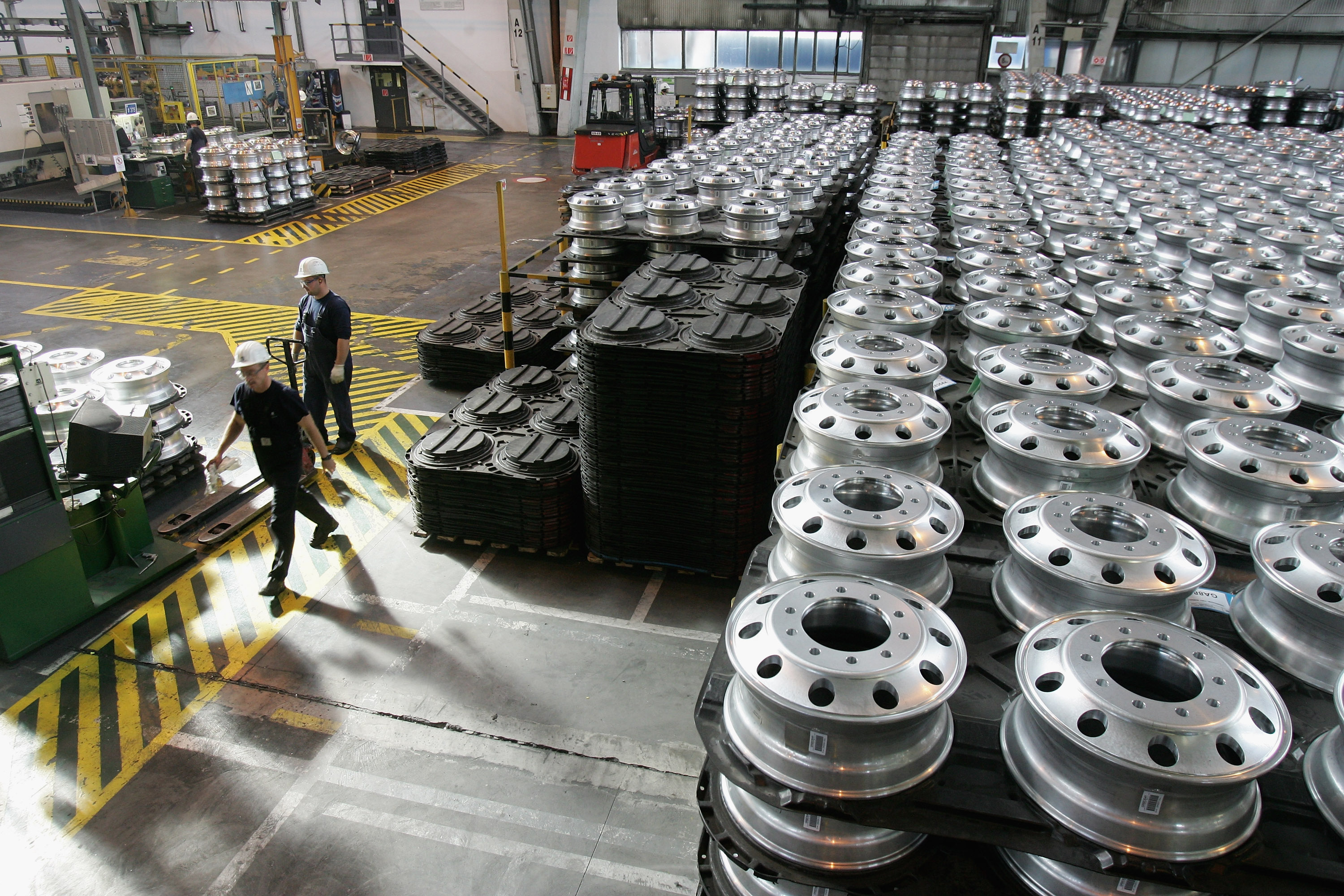
- Aluminum Futures Surge: Aluminum futures on the London Metal Exchange jumped to a four-year high of $3,697 per ton on Tuesday, driven by concerns over potential output cuts in China and ongoing supply disruptions in the Middle East.
- China's Aluminum Production: Official data revealed that China's aluminum smelters produced a record daily output of 129,000 tons last month, although fears of nationwide inspections on energy use and emissions have led to cautious market expectations regarding future production levels.
- Middle East Supply Crisis: The International Aluminium Institute reported that aluminum production from the Persian Gulf fell to its lowest level in over a decade in April, with the region accounting for approximately 20% of non-Chinese aluminum production, crucial for buyers in Japan, South Korea, the EU, and the U.S.
- Damaged Production Facilities: The ongoing Middle East conflict has resulted in missile strikes damaging two Persian Gulf aluminum smelters, including Emirates Global Aluminium's Al Taweelah plant, which is expected to take a year to repair, further exacerbating global aluminum supply tensions.
Western Governments Boost Investment in Critical Minerals
- Massive Investment: The U.S. has allocated over $20 billion to support its critical minerals sector, including $10 billion for its strategic stockpile Project Vault, reflecting a strong commitment to reduce reliance on China.
- Market Risk Warning: Industry experts caution that if countries act independently, it could lead to oversupply, reminiscent of the 1980s 'butter mountains' phenomenon, which would depress prices and destabilize global markets.
- Emerging Coordination Mechanism: The G7 is discussing the establishment of a permanent secretariat to ensure the sustainability of critical mineral supply plans, aiming to mitigate the risks of over-investment through global coordination.
- Successful Case Studies: The Democratic Republic of Congo has successfully increased global prices by setting export quotas and stockpiling cobalt, but prolonged restrictions could lead to demand erosion, necessitating careful policy balance to maintain market stability.
Wall Street Major Indices Rise Amid Fed Chair Swearing In

- Analyst Rating Changes: Morgan Stanley upgraded Lam Research (LRCX) from Equal-weight to Overweight, raising the price target from $293 to $331, anticipating an 8 percentage point outperformance in 2024, highlighting the company's long-term growth potential in the semiconductor sector.
- Cybersecurity Upgrade: B. Riley upgraded Zscaler (ZS) from Neutral to Buy, despite lowering the price target to $225, as analysts believe the adoption of AI technology will provide a positive tailwind for Zscaler, even amid market concerns about its future.
- Texas Instruments AI Boost: Seaport Research Partners upgraded Texas Instruments (TXN) from Neutral to Buy with a price target of $400, expecting that the growing demand for power will significantly enhance the growth and margin profile of the analog semiconductor market driven by AI.
- Aluminum Industry Outlook: UBS upgraded aluminum producer Alcoa (AA) from Neutral to Buy, raising the price target to $80, as expected smelter outages due to the ongoing Middle East conflict are likely to support aluminum prices and premiums, despite near-term demand risks.

US Stocks Close Higher as Market Sentiment Improves


- Market Recovery: The S&P 500 rose by 0.37% and the Nasdaq 100 by 0.42%, with the Dow Jones Industrial Average hitting an all-time high, reflecting optimism about a potential US-Iran peace deal that could boost investor confidence.
- Consumer Sentiment Decline: The University of Michigan's consumer sentiment index was revised down to a record low of 44.8, below the expected 48.2, indicating growing concerns among consumers about the economic outlook, which may impact future spending.
- Rising Inflation Expectations: The 1-year inflation expectations for May were revised upward to 4.8%, exceeding the expected 4.6%, potentially prompting the Federal Reserve to consider interest rate hikes in upcoming meetings, which could pressure the stock market.
- Tech Stocks Lead Gains: Workday's stock surged over 5% after reporting Q1 adjusted EPS of $2.66, surpassing expectations, highlighting strong performance in the software sector and potentially attracting more investor interest in tech stocks.

Walmart and Alcoa Options Trading Volume Surges


- Walmart Options Surge: Walmart's options trading volume reached 195,209 contracts today, representing approximately 19.5 million shares, which is 105.7% of its average daily trading volume over the past month, indicating strong market interest in its future performance.
- High Strike Price Interest: Among Walmart's options, the $121 strike call option expiring on May 22, 2026, saw 11,670 contracts traded, representing about 1.2 million shares, reflecting investor expectations for a price increase.
- Alcoa Options Activity: Alcoa's options trading volume today was 39,167 contracts, equivalent to approximately 3.9 million shares, which is 100.6% of its average daily trading volume over the past month, showing market interest in the aluminum sector's outlook.
- Alcoa High Strike Price: For Alcoa, the $100 strike call option expiring on September 18, 2026, had a trading volume of 10,157 contracts, representing about 1.0 million shares, indicating investor confidence in a rebound in aluminum prices.
Rio Tinto Launches $1.5 Billion Low-Carbon Aluminium Smelter Expansion
- Project Launch: Rio Tinto has commenced its $1.5 billion low-carbon aluminium smelter expansion in Quebec, with plans to complete the commissioning of all 96 new pots by the end of this year, significantly enhancing aluminium production capacity.
- Capacity Increase: The expansion will boost the plant's annual capacity by approximately 160,000 metric tonnes, reaching a total of 220,000 metric tonnes, utilizing low-carbon AP60 smelting technology to facilitate the industry's transition to carbon-free electrolysis.
- Government Investment: Canada's Minister of Industry announced a C$100 million ($72.55 million) investment in the ELYSIS technology deployment project, aimed at protecting workers, strengthening domestic supply chains, and enhancing economic resilience.
- Environmental Benefits: By integrating AP60 technology with hydropower, Rio Tinto's aluminium production will generate only one-sixth of the greenhouse gas emissions per tonne compared to the industry average, highlighting its commitment to sustainability.
Aluminum Futures Surge to Four-Year High Amid China Output Cut Fears
- Aluminum Futures Surge: Aluminum futures on the London Metal Exchange jumped to a four-year high of $3,697 per ton on Tuesday, driven by concerns over potential output cuts in China and ongoing supply disruptions in the Middle East.
- China's Aluminum Production: Official data revealed that China's aluminum smelters produced a record daily output of 129,000 tons last month, although fears of nationwide inspections on energy use and emissions have led to cautious market expectations regarding future production levels.
- Middle East Supply Crisis: The International Aluminium Institute reported that aluminum production from the Persian Gulf fell to its lowest level in over a decade in April, with the region accounting for approximately 20% of non-Chinese aluminum production, crucial for buyers in Japan, South Korea, the EU, and the U.S.
- Damaged Production Facilities: The ongoing Middle East conflict has resulted in missile strikes damaging two Persian Gulf aluminum smelters, including Emirates Global Aluminium's Al Taweelah plant, which is expected to take a year to repair, further exacerbating global aluminum supply tensions.
Western Governments Boost Investment in Critical Minerals
- Massive Investment: The U.S. has allocated over $20 billion to support its critical minerals sector, including $10 billion for its strategic stockpile Project Vault, reflecting a strong commitment to reduce reliance on China.
- Market Risk Warning: Industry experts caution that if countries act independently, it could lead to oversupply, reminiscent of the 1980s 'butter mountains' phenomenon, which would depress prices and destabilize global markets.
- Emerging Coordination Mechanism: The G7 is discussing the establishment of a permanent secretariat to ensure the sustainability of critical mineral supply plans, aiming to mitigate the risks of over-investment through global coordination.
- Successful Case Studies: The Democratic Republic of Congo has successfully increased global prices by setting export quotas and stockpiling cobalt, but prolonged restrictions could lead to demand erosion, necessitating careful policy balance to maintain market stability.
Wall Street Major Indices Rise Amid Fed Chair Swearing In
- Analyst Rating Changes: Morgan Stanley upgraded Lam Research (LRCX) from Equal-weight to Overweight, raising the price target from $293 to $331, anticipating an 8 percentage point outperformance in 2024, highlighting the company's long-term growth potential in the semiconductor sector.
- Cybersecurity Upgrade: B. Riley upgraded Zscaler (ZS) from Neutral to Buy, despite lowering the price target to $225, as analysts believe the adoption of AI technology will provide a positive tailwind for Zscaler, even amid market concerns about its future.
- Texas Instruments AI Boost: Seaport Research Partners upgraded Texas Instruments (TXN) from Neutral to Buy with a price target of $400, expecting that the growing demand for power will significantly enhance the growth and margin profile of the analog semiconductor market driven by AI.
- Aluminum Industry Outlook: UBS upgraded aluminum producer Alcoa (AA) from Neutral to Buy, raising the price target to $80, as expected smelter outages due to the ongoing Middle East conflict are likely to support aluminum prices and premiums, despite near-term demand risks.
US Stocks Close Higher as Market Sentiment Improves
- Market Recovery: The S&P 500 rose by 0.37% and the Nasdaq 100 by 0.42%, with the Dow Jones Industrial Average hitting an all-time high, reflecting optimism about a potential US-Iran peace deal that could boost investor confidence.
- Consumer Sentiment Decline: The University of Michigan's consumer sentiment index was revised down to a record low of 44.8, below the expected 48.2, indicating growing concerns among consumers about the economic outlook, which may impact future spending.
- Rising Inflation Expectations: The 1-year inflation expectations for May were revised upward to 4.8%, exceeding the expected 4.6%, potentially prompting the Federal Reserve to consider interest rate hikes in upcoming meetings, which could pressure the stock market.
- Tech Stocks Lead Gains: Workday's stock surged over 5% after reporting Q1 adjusted EPS of $2.66, surpassing expectations, highlighting strong performance in the software sector and potentially attracting more investor interest in tech stocks.
Walmart and Alcoa Options Trading Volume Surges
- Walmart Options Surge: Walmart's options trading volume reached 195,209 contracts today, representing approximately 19.5 million shares, which is 105.7% of its average daily trading volume over the past month, indicating strong market interest in its future performance.
- High Strike Price Interest: Among Walmart's options, the $121 strike call option expiring on May 22, 2026, saw 11,670 contracts traded, representing about 1.2 million shares, reflecting investor expectations for a price increase.
- Alcoa Options Activity: Alcoa's options trading volume today was 39,167 contracts, equivalent to approximately 3.9 million shares, which is 100.6% of its average daily trading volume over the past month, showing market interest in the aluminum sector's outlook.
- Alcoa High Strike Price: For Alcoa, the $100 strike call option expiring on September 18, 2026, had a trading volume of 10,157 contracts, representing about 1.0 million shares, indicating investor confidence in a rebound in aluminum prices.