ADM invests $500,000 in partnership with American Farmland Trust
Archer-Daniels-Midland Co (ADM) reached a 52-week high, rising 3.01% amid a challenging market environment.
The company announced a partnership with American Farmland Trust (AFT), investing $500,000 to support farmers across six states, including Illinois and Indiana. This initiative aims to enhance agricultural resilience by providing farmers with technical assistance, resources, and grant funding to improve productivity and market access. The partnership comes at a critical time as the farm economy faces significant pressures, with a 46% increase in bankruptcy filings among family farms in 2024, highlighting the importance of ADM's commitment to supporting rural communities.
This investment not only strengthens ADM's position in the agricultural sector but also reflects its long-term commitment to sustainability and farmer well-being, positioning the company favorably in a rapidly changing market landscape.
Trade with 70% Backtested Accuracy
Analyst Views on ADM

About ADM
About the author


SpaceX IPO Set to Break Records with $75 Billion Valuation

- SpaceX IPO Expectations: SpaceX is set to go public on Friday with a valuation of $75 billion, marking the largest IPO in history, which is expected to inject significant capital into the market, thereby boosting investor confidence and driving growth in related sectors.
- IPO Market Dynamics: So far in 2023, 71 companies have gone public, raising nearly $36 billion, indicating strong demand for emerging enterprises, and SpaceX's IPO is likely to intensify this trend, attracting more investor interest in the tech sector.
- ARK Fund Performance: The ARK Venture Fund holds approximately 11% of SpaceX, with a 4% increase over the past month and over 70% year-to-date, reflecting strong market confidence in SpaceX's growth potential, which may attract more institutional investors.
- Related Stock Performance: Several space-related stocks, such as Iridium Communications and Virgin Galactic, have surged over 100% and 96% in the past three months, respectively, demonstrating investor enthusiasm for the space industry, and SpaceX's IPO is expected to further fuel this investment frenzy.

Wall Street's AI-Driven Rally in 2023

- AI Technology Drives Market: Since the beginning of 2023, Wall Street has experienced a remarkable rally primarily driven by the global artificial intelligence technology boom, which is expected to have profound implications for related industries.
- Archer-Daniels-Midland Growth: Zacks Rank #2 Archer-Daniels-Midland is projected to achieve revenue and earnings growth rates of 6.5% and 32.4% for 2023, respectively, driven by a rebound in its human nutrition segment and strong North American demand.
- Casey's General Stores Strong Performance: Zacks Rank #2 Casey's General Stores anticipates revenue and earnings growth rates of 10.8% and 12.4% for 2023, respectively, with resilient inside sales and a high-margin product mix enhancing its profitability.
- Ross Stores Expansion Plans: Zacks Rank #2 Ross Stores expects revenue and earnings growth rates of 8.2% and 15.6% for 2023, respectively, as its effective retail model and expansion plans are set to further enhance market share and profitability.

Legal Battles Hinder U.S. eVTOL Industry Progress

- Legal Disputes Impact Development: Joby Aviation's lawsuit against Archer for corporate espionage has led to declining investor confidence in the eVTOL sector, with Archer's stock down 9% this year and losing over a third of its value, indicating the negative impact of legal issues on market sentiment.
- Certification Delays: Despite the Trump administration's eVTOL Integration Pilot Program aimed at accelerating industry growth, ongoing legal battles threaten to prolong certification timelines and increase costs, as warned by H2 Advisors' Mike Hirschberg, which could hinder overall industry progress.
- Intensifying Market Competition: Archer's patent infringement lawsuit against Vertical Aerospace is ongoing, with Vertical claiming the lawsuit is

ADM Rated Among Top Rising Dividend Stocks
- Price Target Upgrade: UBS raised its price target for Archer-Daniels-Midland from $70 to $90, reiterating a Buy rating, reflecting strong market confidence in the company's growth potential.
- Strong Financial Performance: In its Q1 2026 earnings call, ADM reported an adjusted EPS of $0.71 and total operating profit of $764 million, with cash flow from operations at $442 million, indicating robust profitability and cash flow management.
- Improved Market Conditions: CEO Juan Luciano noted that market conditions for biofuels improved, particularly with significant gains in soybean crush and ethanol margins, driven by expectations for renewable volume obligations in 2026 and 2027.
- Upgraded Outlook: ADM raised its full-year adjusted EPS guidance for 2026 to a range of $4.15 to $4.70, up from the previous range of $3.60 to $4.25, demonstrating a positive outlook for future performance.
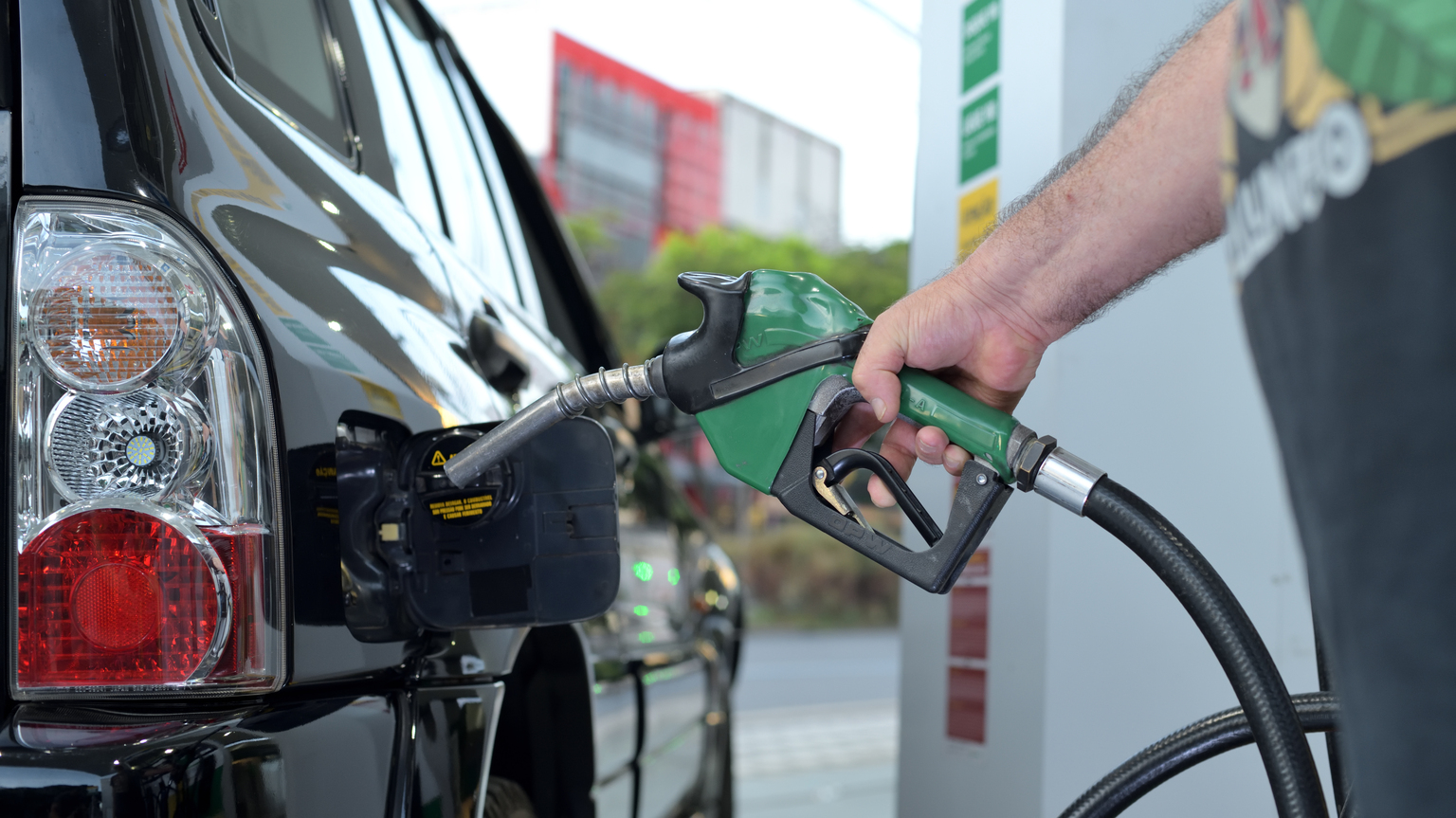
U.S. House Passes E15 Gasoline Sales Legislation

- Legislative Progress: The U.S. House of Representatives passed legislation on Wednesday allowing year-round sales of E15 gasoline, a significant victory for corn farmers after over a decade of failed attempts to expand the E15 market.
- Market Impact: The promotion of E15 gasoline is expected to significantly boost farm profits, especially as growers face record crop yields and rising input costs like fertilizers, providing crucial market support.
- Industry Reaction: Renewable Fuels Association President Geoff Cooper stated that this bill offers much-needed certainty for fuel retailers, oil refiners, ethanol producers, and consumers amid extreme market volatility and rising costs.
- Future Challenges: Despite the House's approval, the bill's prospects in the Senate remain uncertain, and it still requires support from the president, which could affect the market rollout of E15.

Analysis of High Dividend ETF Investment Strategies


- FDVV ETF Overview: The Fidelity High Dividend ETF has achieved an average annual return of 13.3% since its launch in September 2016, with a current dividend yield of 2.8%, highlighting its appeal in high-dividend investing, although its top four holdings are all tech stocks, which may impact investors' diversification strategies.
- NOBL ETF Advantages: The ProShares S&P 500 Dividend Aristocrats ETF consists of 69 companies that have paid and increased dividends for at least 25 years, offering a dividend yield of 2.09%, nearly double that of the S&P 500 index, and its P/E ratio of 21 is lower than the S&P 500's 31.9, indicating strong fundamentals.
- Fee Comparison: FDVV has an expense ratio of 0.15%, while NOBL charges 0.35%, making FDVV more cost-effective, appealing to long-term investors seeking low-cost high-dividend investment options.
- Investment Recommendation: Although both ETFs have underperformed the S&P 500 index in recent years, FDVV may be more suitable for investors looking to diversify within high-dividend stocks due to its lower fees and higher dividend yield.
SpaceX IPO Set to Break Records with $75 Billion Valuation
- SpaceX IPO Expectations: SpaceX is set to go public on Friday with a valuation of $75 billion, marking the largest IPO in history, which is expected to inject significant capital into the market, thereby boosting investor confidence and driving growth in related sectors.
- IPO Market Dynamics: So far in 2023, 71 companies have gone public, raising nearly $36 billion, indicating strong demand for emerging enterprises, and SpaceX's IPO is likely to intensify this trend, attracting more investor interest in the tech sector.
- ARK Fund Performance: The ARK Venture Fund holds approximately 11% of SpaceX, with a 4% increase over the past month and over 70% year-to-date, reflecting strong market confidence in SpaceX's growth potential, which may attract more institutional investors.
- Related Stock Performance: Several space-related stocks, such as Iridium Communications and Virgin Galactic, have surged over 100% and 96% in the past three months, respectively, demonstrating investor enthusiasm for the space industry, and SpaceX's IPO is expected to further fuel this investment frenzy.
Wall Street's AI-Driven Rally in 2023
- AI Technology Drives Market: Since the beginning of 2023, Wall Street has experienced a remarkable rally primarily driven by the global artificial intelligence technology boom, which is expected to have profound implications for related industries.
- Archer-Daniels-Midland Growth: Zacks Rank #2 Archer-Daniels-Midland is projected to achieve revenue and earnings growth rates of 6.5% and 32.4% for 2023, respectively, driven by a rebound in its human nutrition segment and strong North American demand.
- Casey's General Stores Strong Performance: Zacks Rank #2 Casey's General Stores anticipates revenue and earnings growth rates of 10.8% and 12.4% for 2023, respectively, with resilient inside sales and a high-margin product mix enhancing its profitability.
- Ross Stores Expansion Plans: Zacks Rank #2 Ross Stores expects revenue and earnings growth rates of 8.2% and 15.6% for 2023, respectively, as its effective retail model and expansion plans are set to further enhance market share and profitability.
Legal Battles Hinder U.S. eVTOL Industry Progress
- Legal Disputes Impact Development: Joby Aviation's lawsuit against Archer for corporate espionage has led to declining investor confidence in the eVTOL sector, with Archer's stock down 9% this year and losing over a third of its value, indicating the negative impact of legal issues on market sentiment.
- Certification Delays: Despite the Trump administration's eVTOL Integration Pilot Program aimed at accelerating industry growth, ongoing legal battles threaten to prolong certification timelines and increase costs, as warned by H2 Advisors' Mike Hirschberg, which could hinder overall industry progress.
- Intensifying Market Competition: Archer's patent infringement lawsuit against Vertical Aerospace is ongoing, with Vertical claiming the lawsuit is
ADM Rated Among Top Rising Dividend Stocks
- Price Target Upgrade: UBS raised its price target for Archer-Daniels-Midland from $70 to $90, reiterating a Buy rating, reflecting strong market confidence in the company's growth potential.
- Strong Financial Performance: In its Q1 2026 earnings call, ADM reported an adjusted EPS of $0.71 and total operating profit of $764 million, with cash flow from operations at $442 million, indicating robust profitability and cash flow management.
- Improved Market Conditions: CEO Juan Luciano noted that market conditions for biofuels improved, particularly with significant gains in soybean crush and ethanol margins, driven by expectations for renewable volume obligations in 2026 and 2027.
- Upgraded Outlook: ADM raised its full-year adjusted EPS guidance for 2026 to a range of $4.15 to $4.70, up from the previous range of $3.60 to $4.25, demonstrating a positive outlook for future performance.
U.S. House Passes E15 Gasoline Sales Legislation
- Legislative Progress: The U.S. House of Representatives passed legislation on Wednesday allowing year-round sales of E15 gasoline, a significant victory for corn farmers after over a decade of failed attempts to expand the E15 market.
- Market Impact: The promotion of E15 gasoline is expected to significantly boost farm profits, especially as growers face record crop yields and rising input costs like fertilizers, providing crucial market support.
- Industry Reaction: Renewable Fuels Association President Geoff Cooper stated that this bill offers much-needed certainty for fuel retailers, oil refiners, ethanol producers, and consumers amid extreme market volatility and rising costs.
- Future Challenges: Despite the House's approval, the bill's prospects in the Senate remain uncertain, and it still requires support from the president, which could affect the market rollout of E15.
Analysis of High Dividend ETF Investment Strategies
- FDVV ETF Overview: The Fidelity High Dividend ETF has achieved an average annual return of 13.3% since its launch in September 2016, with a current dividend yield of 2.8%, highlighting its appeal in high-dividend investing, although its top four holdings are all tech stocks, which may impact investors' diversification strategies.
- NOBL ETF Advantages: The ProShares S&P 500 Dividend Aristocrats ETF consists of 69 companies that have paid and increased dividends for at least 25 years, offering a dividend yield of 2.09%, nearly double that of the S&P 500 index, and its P/E ratio of 21 is lower than the S&P 500's 31.9, indicating strong fundamentals.
- Fee Comparison: FDVV has an expense ratio of 0.15%, while NOBL charges 0.35%, making FDVV more cost-effective, appealing to long-term investors seeking low-cost high-dividend investment options.
- Investment Recommendation: Although both ETFs have underperformed the S&P 500 index in recent years, FDVV may be more suitable for investors looking to diversify within high-dividend stocks due to its lower fees and higher dividend yield.