XPENG Launches First Mass-Produced Robotaxi in China
Written by Emily J. Thompson, Senior Investment Analyst
Updated: 3 days ago
0mins
Source: PRnewswire
- Robotaxi Launch: XPENG officially rolls out its first mass-produced Robotaxi in Guangzhou, marking the first instance of a Chinese automaker achieving mass production through full-stack in-house development, thereby enhancing its competitive edge in the smart mobility sector.
- Technological Innovation: The new Robotaxi, built on the XPENG GX platform, utilizes four self-developed Turing AI chips to deliver 3,000 TOPS of computing power, ensuring efficient operation under L4 autonomous driving standards and driving industry technological advancements.
- Accelerated Commercialization: XPENG secured a road testing permit for intelligent connected vehicles in Guangzhou in January and established a Robotaxi business unit in March, aiming to expedite product definition, R&D testing, and operations, with a goal of achieving fully autonomous operations by 2027.
- Enhanced User Experience: The new Robotaxi features intelligent cabin configurations, including privacy glass and comfort seats, allowing passengers to enjoy multimedia entertainment and adjust settings via a built-in voice assistant, thereby improving safety and luxury during travel and increasing market appeal.
Trade with 70% Backtested Accuracy
Stop guessing "Should I Buy XPEV?" and start using high-conviction signals backed by rigorous historical data.
Sign up today to access powerful investing tools and make smarter, data-driven decisions.
Analyst Views on XPEV
Wall Street analysts forecast XPEV stock price to rise
6 Analyst Rating
4 Buy
1 Hold
1 Sell
Moderate Buy
Current: 15.140

Low
20.00
Averages
29.67
High
50.00
Current: 15.140
Low
20.00
Averages
29.67
High
50.00
About XPEV
XPeng Inc is a holding company mainly engaged in the design, development, manufacturing and marketing of smart electrical vehicles (EVs). The Company develops full-stack advanced driver assistance systems (ADAS) software in house and has deployed such software on mass-produced vehicles. The Company offers various models, including G9 (mid- to large-sized sport utility vehicle (SUV), P7i (sports sedan), G6 (coupe SUV), X9 (seven-seater multi-purpose vehicle (MPV)), MONA M03 (sedan) and P7+ (family sedan). The Company operates stores across China, including both stores directly operated by the Company and franchised stores. The Company also offers technical research and development services, services embedded in a sales contract, maintenance service, supercharging service.
About the author

Emily J. Thompson
Emily J. Thompson, a Chartered Financial Analyst (CFA) with 12 years in investment research, graduated with honors from the Wharton School. Specializing in industrial and technology stocks, she provides in-depth analysis for Intellectia’s earnings and market brief reports.
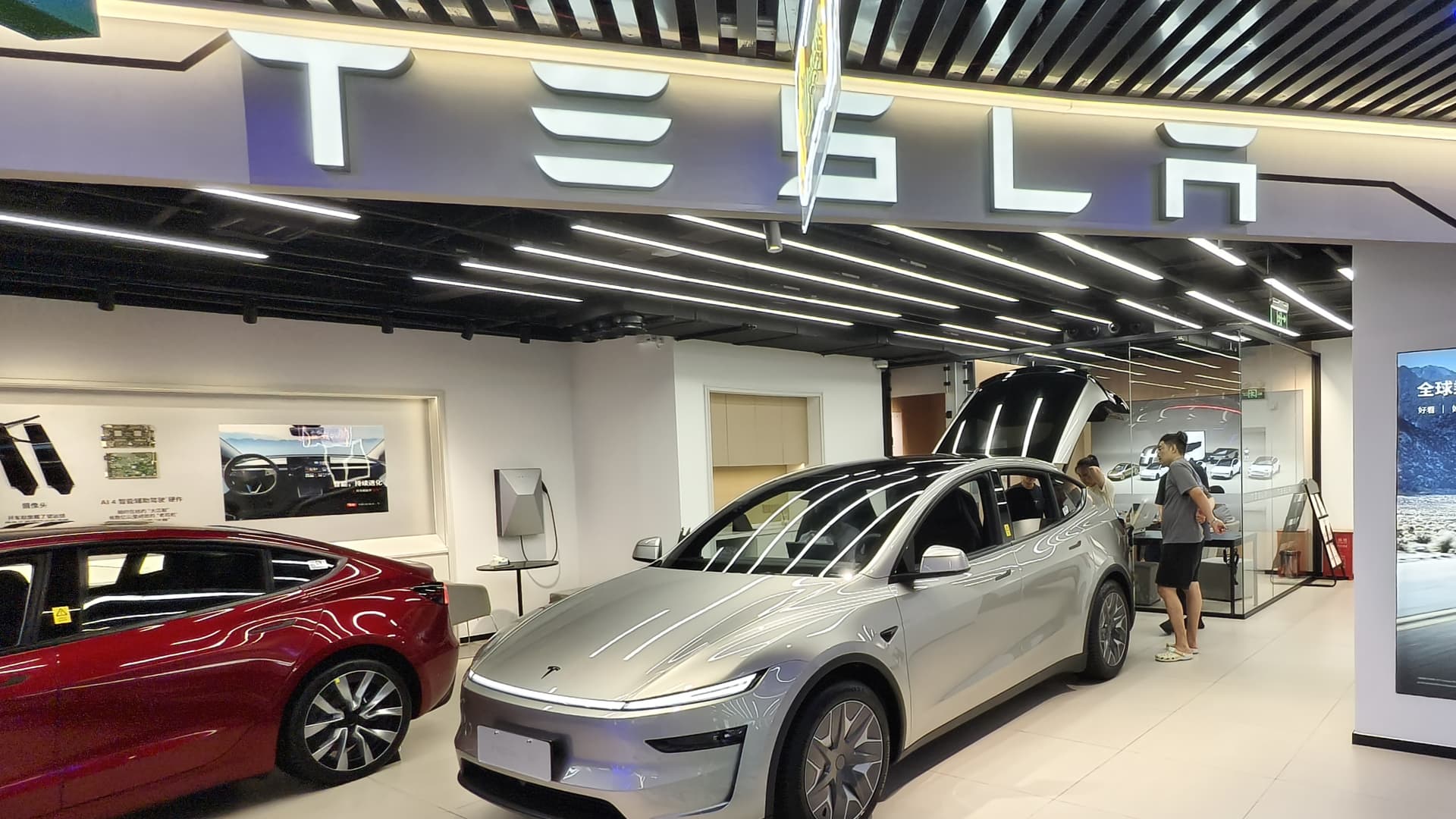
Tesla Launches Full Self-Driving Feature in China

- Full Self-Driving Launch: Tesla announced that its Full Self-Driving (FSD) technology is now available in China, marking a significant advancement in its technological deployment in the market, despite local competitors having already rolled out similar technologies.
- Pricing Structure Revealed: According to Tesla's China website, the 'intelligent assisted driving' feature for the Model 3 is priced at 64,000 yuan ($9,409), a pricing strategy that could influence consumer purchasing decisions and potentially boost sales.
- Regulatory Approval Journey: Tesla's FSD technology in China has faced multiple delays in regulatory approval; although Musk anticipated approval by the end of 2024, the actual progress has not met expectations, reflecting the complex regulatory environment the company faces in China.
- Intensifying Market Competition: While Tesla awaited approval, local brands like Xiaomi and Xpeng rapidly advanced their autonomous driving technologies, posing a threat to Tesla's market share, especially as it ranked fourth in electric vehicle sales in April.
See More
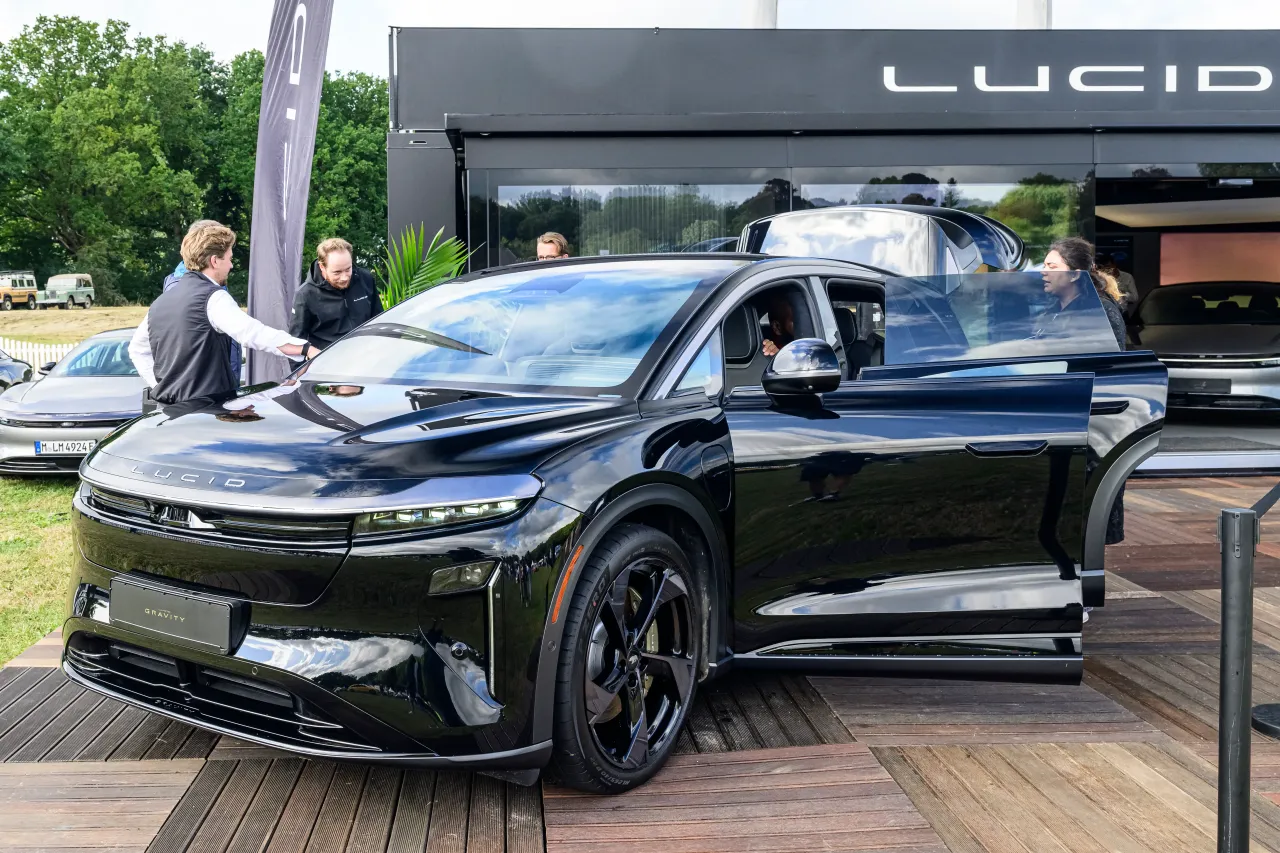
Electric Vehicle Stocks Under Pressure as Lucid Suspends 2026 Production Forecast

- Lucid Faces Financial Pressure: Lucid's stock fell to a year-low of $5.56 as it suspended its 2026 production forecast, previously expecting to produce between 25,000 and 27,000 vehicles, raising investor concerns about profitability, especially after reporting a quarterly net loss of approximately $1 billion.
- Li Auto's Competitive Challenges: Li Auto delivered 34,085 vehicles in April, a 17% decline from March, and despite launching refreshed versions of its L9 SUV, aggressive pricing incentives failed to impress investors, shifting retail sentiment from 'bearish' to 'neutral'.
- XPeng Awaits Earnings Report: XPeng shares hit a new 52-week low of $14.72 ahead of its Q1 earnings report, with over 62,000 vehicles delivered, meeting targets but down 47% from Q4 2025, increasing investor worries about profitability amid aggressive discounting.
- Overall Industry Pressure: The intense discounting competition in the EV sector could further impact profitability, with Lucid, Li Auto, and XPeng stocks down 46%, 4%, and 25% respectively, reflecting a pessimistic market sentiment towards the future prospects of EV manufacturers.
See More
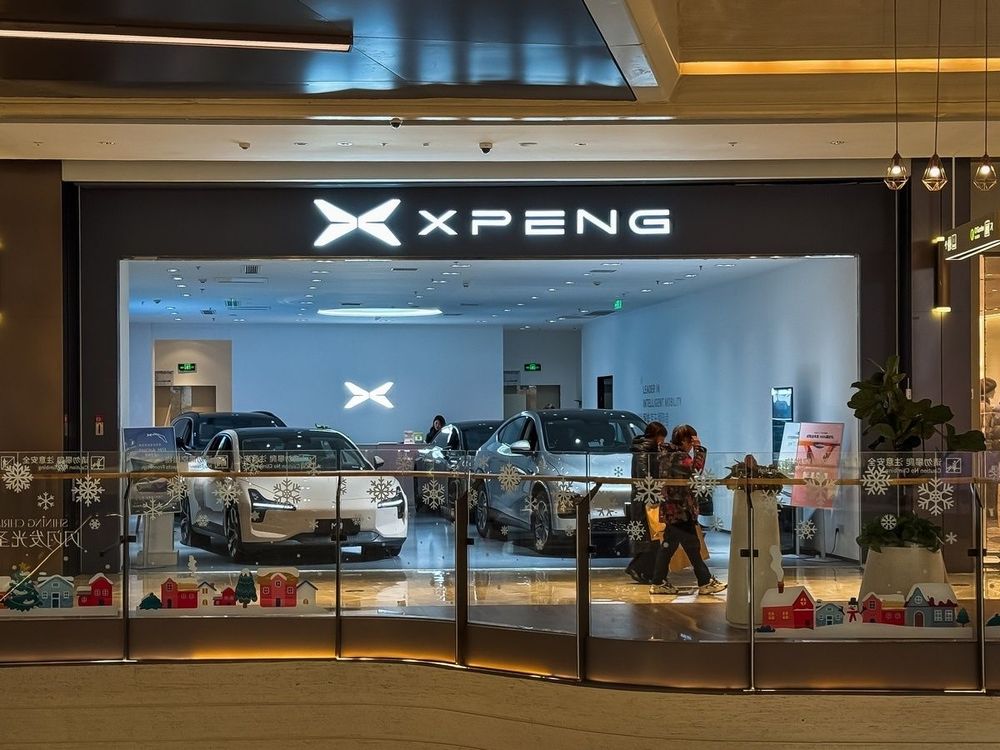
XPeng Launches First Mass-Produced Robotaxi in China

- Robotaxi Production: XPeng officially rolled out its first mass-produced robotaxi in Guangzhou, becoming the first automaker in China to mass-produce a vehicle meeting Level 4 autonomous driving standards, marking a significant technological advancement in the autonomous driving sector.
- Autonomous Driving Plans: The company plans to initiate pilot operations for its robotaxi in the second half of this year and aims for fully autonomous daily operations without safety drivers by early 2027, showcasing its ambition in the future mobility landscape.
- Overseas Expansion Strategy: XPeng has acquired a controlling stake in an Indonesian manufacturing entity under Erajaya Group, establishing its first overseas production base and furthering its Southeast Asia localization strategy to enhance global manufacturing capabilities.
- Intensifying Competitive Pressure: As competition escalates in China's premium EV market, Li Auto's shares plummeted following the launch of its L9 Livis SUV, reflecting investor concerns over pricing and margin pressures amid aggressive new vehicle launches.
See More
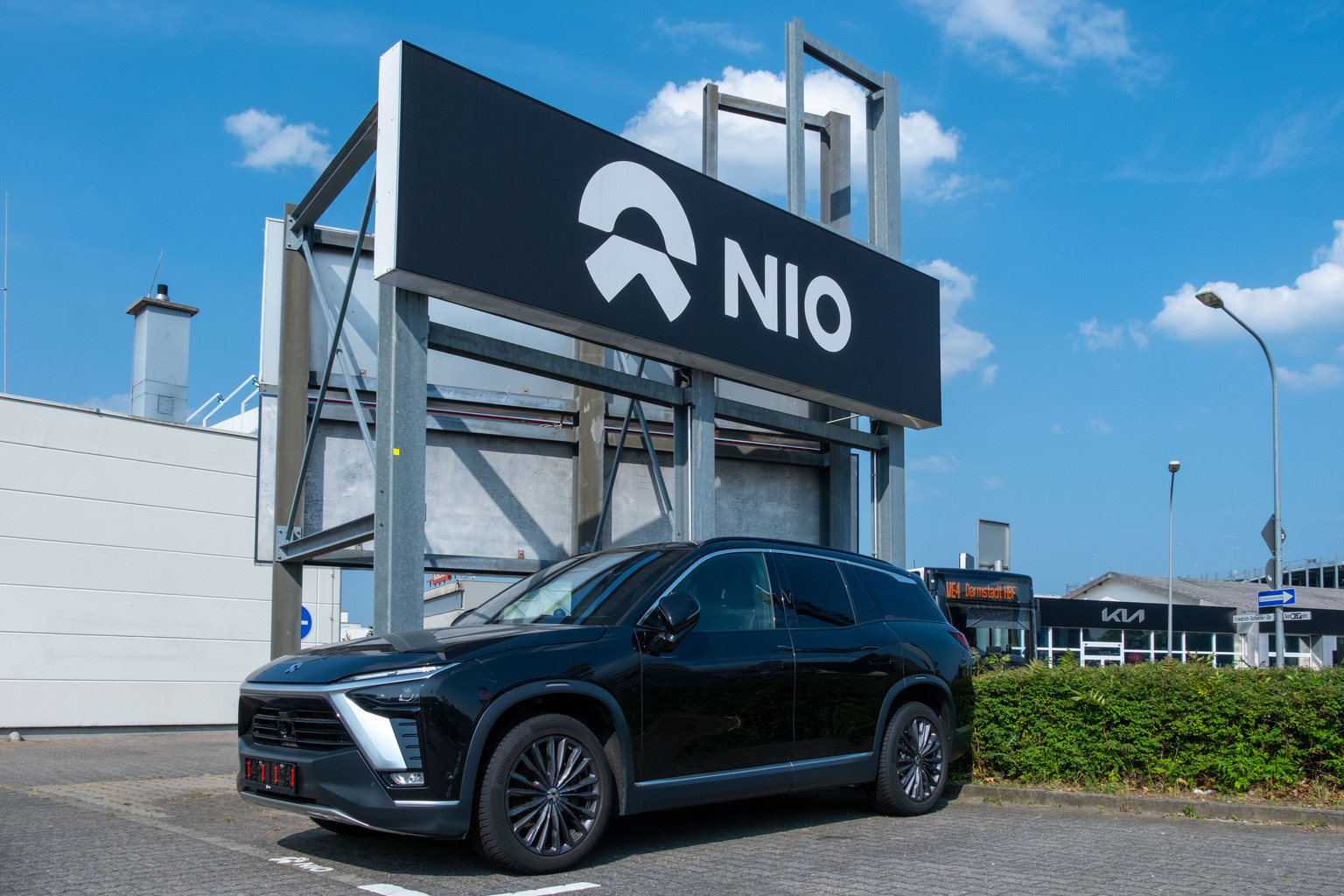
Chinese EV Market Faces Pricing War Pressure
- Market Sales Pressure: With EV penetration in China already quite high, Dai Ming from Huichen Asset Management highlights that domestic sales growth is sluggish, predicting that EV manufacturers will face pressure on either sales or profitability this year.
- Price Adjustment Impact: Li Auto has reduced the price of its latest L9 SUV model from 559,800 yuan to 509,800 yuan (approximately $74,834), reflecting the intensifying market competition and slowing demand.
- Stock Market Decline: On Monday afternoon, notable declines included Niu Technologies down 17.3%, Li Auto down 9.2%, XPeng down 3.4%, and NIO down 3.0%, indicating investor concerns about the EV market outlook.
- Investor Sentiment Shift: Although there was a recent surge in investor enthusiasm due to high gas prices potentially boosting EV demand, analysts warn that the pricing war in the EV sector is likely to continue, making it difficult to alter the market dynamics even with additional sales.
See More

XPENG Launches First Mass-Produced Robotaxi in China
- Robotaxi Launch: XPENG officially rolls out its first mass-produced Robotaxi in Guangzhou, marking the first instance of a Chinese automaker achieving mass production through full-stack in-house development, thereby enhancing its competitive edge in the smart mobility sector.
- Technological Innovation: The new Robotaxi, built on the XPENG GX platform, utilizes four self-developed Turing AI chips to deliver 3,000 TOPS of computing power, ensuring efficient operation under L4 autonomous driving standards and driving industry technological advancements.
- Accelerated Commercialization: XPENG secured a road testing permit for intelligent connected vehicles in Guangzhou in January and established a Robotaxi business unit in March, aiming to expedite product definition, R&D testing, and operations, with a goal of achieving fully autonomous operations by 2027.
- Enhanced User Experience: The new Robotaxi features intelligent cabin configurations, including privacy glass and comfort seats, allowing passengers to enjoy multimedia entertainment and adjust settings via a built-in voice assistant, thereby improving safety and luxury during travel and increasing market appeal.
See More

XPeng Begins Mass Production of Robotaxis in Guangzhou
- Production Launch: XPeng has commenced mass production of robotaxis in Guangzhou, marking a significant transition from road testing to commercial rollout, with plans for pilot passenger operations in the second half of 2026, highlighting the company's ambitions in the autonomous driving sector.
- Strategic Shift: XPeng is evolving beyond being just an electric vehicle manufacturer, as CEO He Xiaopeng announced plans to initiate street trials of robotaxis and mass-produce humanoid robots this year, aiming to lead in autonomy and robotics.
- R&D Commitment: The company established a dedicated robotaxi unit in March to manage product definition, R&D testing, and operations, indicating a strategic move to own more of the autonomous stack in-house, thereby differentiating itself from competitors.
- Technological Edge: XPeng's robotaxis will utilize Turing AI chips, dual hardware redundancy, and a second-generation VLA system designed for Level 4 autonomy, further solidifying its technological leadership in the market.
See More
Tesla Launches Full Self-Driving Feature in China
- Full Self-Driving Launch: Tesla announced that its Full Self-Driving (FSD) technology is now available in China, marking a significant advancement in its technological deployment in the market, despite local competitors having already rolled out similar technologies.
- Pricing Structure Revealed: According to Tesla's China website, the 'intelligent assisted driving' feature for the Model 3 is priced at 64,000 yuan ($9,409), a pricing strategy that could influence consumer purchasing decisions and potentially boost sales.
- Regulatory Approval Journey: Tesla's FSD technology in China has faced multiple delays in regulatory approval; although Musk anticipated approval by the end of 2024, the actual progress has not met expectations, reflecting the complex regulatory environment the company faces in China.
- Intensifying Market Competition: While Tesla awaited approval, local brands like Xiaomi and Xpeng rapidly advanced their autonomous driving technologies, posing a threat to Tesla's market share, especially as it ranked fourth in electric vehicle sales in April.
See More
Electric Vehicle Stocks Under Pressure as Lucid Suspends 2026 Production Forecast
- Lucid Faces Financial Pressure: Lucid's stock fell to a year-low of $5.56 as it suspended its 2026 production forecast, previously expecting to produce between 25,000 and 27,000 vehicles, raising investor concerns about profitability, especially after reporting a quarterly net loss of approximately $1 billion.
- Li Auto's Competitive Challenges: Li Auto delivered 34,085 vehicles in April, a 17% decline from March, and despite launching refreshed versions of its L9 SUV, aggressive pricing incentives failed to impress investors, shifting retail sentiment from 'bearish' to 'neutral'.
- XPeng Awaits Earnings Report: XPeng shares hit a new 52-week low of $14.72 ahead of its Q1 earnings report, with over 62,000 vehicles delivered, meeting targets but down 47% from Q4 2025, increasing investor worries about profitability amid aggressive discounting.
- Overall Industry Pressure: The intense discounting competition in the EV sector could further impact profitability, with Lucid, Li Auto, and XPeng stocks down 46%, 4%, and 25% respectively, reflecting a pessimistic market sentiment towards the future prospects of EV manufacturers.
See More
XPeng Launches First Mass-Produced Robotaxi in China
- Robotaxi Production: XPeng officially rolled out its first mass-produced robotaxi in Guangzhou, becoming the first automaker in China to mass-produce a vehicle meeting Level 4 autonomous driving standards, marking a significant technological advancement in the autonomous driving sector.
- Autonomous Driving Plans: The company plans to initiate pilot operations for its robotaxi in the second half of this year and aims for fully autonomous daily operations without safety drivers by early 2027, showcasing its ambition in the future mobility landscape.
- Overseas Expansion Strategy: XPeng has acquired a controlling stake in an Indonesian manufacturing entity under Erajaya Group, establishing its first overseas production base and furthering its Southeast Asia localization strategy to enhance global manufacturing capabilities.
- Intensifying Competitive Pressure: As competition escalates in China's premium EV market, Li Auto's shares plummeted following the launch of its L9 Livis SUV, reflecting investor concerns over pricing and margin pressures amid aggressive new vehicle launches.
See More
Chinese EV Market Faces Pricing War Pressure
- Market Sales Pressure: With EV penetration in China already quite high, Dai Ming from Huichen Asset Management highlights that domestic sales growth is sluggish, predicting that EV manufacturers will face pressure on either sales or profitability this year.
- Price Adjustment Impact: Li Auto has reduced the price of its latest L9 SUV model from 559,800 yuan to 509,800 yuan (approximately $74,834), reflecting the intensifying market competition and slowing demand.
- Stock Market Decline: On Monday afternoon, notable declines included Niu Technologies down 17.3%, Li Auto down 9.2%, XPeng down 3.4%, and NIO down 3.0%, indicating investor concerns about the EV market outlook.
- Investor Sentiment Shift: Although there was a recent surge in investor enthusiasm due to high gas prices potentially boosting EV demand, analysts warn that the pricing war in the EV sector is likely to continue, making it difficult to alter the market dynamics even with additional sales.
See More
XPENG Launches First Mass-Produced Robotaxi in China
- Robotaxi Launch: XPENG officially rolls out its first mass-produced Robotaxi in Guangzhou, marking the first instance of a Chinese automaker achieving mass production through full-stack in-house development, thereby enhancing its competitive edge in the smart mobility sector.
- Technological Innovation: The new Robotaxi, built on the XPENG GX platform, utilizes four self-developed Turing AI chips to deliver 3,000 TOPS of computing power, ensuring efficient operation under L4 autonomous driving standards and driving industry technological advancements.
- Accelerated Commercialization: XPENG secured a road testing permit for intelligent connected vehicles in Guangzhou in January and established a Robotaxi business unit in March, aiming to expedite product definition, R&D testing, and operations, with a goal of achieving fully autonomous operations by 2027.
- Enhanced User Experience: The new Robotaxi features intelligent cabin configurations, including privacy glass and comfort seats, allowing passengers to enjoy multimedia entertainment and adjust settings via a built-in voice assistant, thereby improving safety and luxury during travel and increasing market appeal.
See More
XPeng Begins Mass Production of Robotaxis in Guangzhou
- Production Launch: XPeng has commenced mass production of robotaxis in Guangzhou, marking a significant transition from road testing to commercial rollout, with plans for pilot passenger operations in the second half of 2026, highlighting the company's ambitions in the autonomous driving sector.
- Strategic Shift: XPeng is evolving beyond being just an electric vehicle manufacturer, as CEO He Xiaopeng announced plans to initiate street trials of robotaxis and mass-produce humanoid robots this year, aiming to lead in autonomy and robotics.
- R&D Commitment: The company established a dedicated robotaxi unit in March to manage product definition, R&D testing, and operations, indicating a strategic move to own more of the autonomous stack in-house, thereby differentiating itself from competitors.
- Technological Edge: XPeng's robotaxis will utilize Turing AI chips, dual hardware redundancy, and a second-generation VLA system designed for Level 4 autonomy, further solidifying its technological leadership in the market.
See More