Xi-Trump Meeting Highlights Taiwan Tensions
Written by Emily J. Thompson, Senior Investment Analyst
Updated: May 20 2026
0mins
Source: CNBC
- Taiwan as a Core Issue: Xi Jinping emphasized that Taiwan is the most critical issue in U.S.-China relations during his meeting with Trump, warning that mishandling it could jeopardize bilateral ties, highlighting China's intense focus on Taiwan's status and its implications for diplomatic relations.
- Impact of Arms Sales: Analysts suggest Xi's comments aimed to persuade the Trump administration to delay or cancel a pending $14 billion arms sale to Taiwan, arguing that without U.S. defense support, it would be easier for China to take the island by force, reflecting the heightened military and diplomatic tensions between the two nations.
- Contrast with Putin Meeting: Unlike the formal encounter with Trump, Xi's meeting with Putin was more relaxed, with both leaders reaffirming their strategic cooperation without mentioning Taiwan, indicating a shared ideological alignment and mutual resistance against Western influence in geopolitical matters.
- Deepening Bilateral Relations: Following their talks, Xi and Putin issued a joint statement emphasizing the strengthening of political mutual trust and strategic cooperation across various sectors, underscoring the growing ties between China and Russia and their unified stance on international issues.
Trade with 70% Backtested Accuracy
Stop guessing "Should I Buy CAAS?" and start using high-conviction signals backed by rigorous historical data.
Sign up today to access powerful investing tools and make smarter, data-driven decisions.
Analyst Views on CAAS
About CAAS
China Automotive Systems Inc is a holding company principally engaged in the manufacture and sale of automotive systems and components. The Company’s main products include rack and pinion power steering, integral power steering, electronic power steering and manual steering, steering columns, steering oil pumps and steering hoses. The Company's major customers include FAW Group, Dongfeng Auto Group Co., Ltd, BYD Auto Co., Ltd, as well as Stellar Group and Ford Motor Company in North America. The Company primarily operates its businesses in the domestic and overseas markets.
About the author

Emily J. Thompson
Emily J. Thompson, a Chartered Financial Analyst (CFA) with 12 years in investment research, graduated with honors from the Wharton School. Specializing in industrial and technology stocks, she provides in-depth analysis for Intellectia’s earnings and market brief reports.

China's Retail Sales Decline for First Time in Over Three Years

- Retail Sales Decline: China's retail sales fell by 0.6% year-on-year in May, marking the first decline since December 2022, indicating significant consumer spending pressure, particularly as the Labor Day holiday failed to boost consumption.
- Investment Contraction: Urban fixed-asset investment in China contracted by 4.1% year-on-year as of the end of May, significantly worse than the estimated 2% decline, with real estate investment inflows dropping by 16.2%, highlighting the fragility of economic recovery.
- Industrial Output Bright Spot: Despite the overall economic slowdown, industrial output rose by 4.5% in May, surpassing the expected 4.3% growth, providing some support to the economy but contrasting sharply with weak consumer and investment trends.
- Policy Adjustment Expectations: Economists anticipate that the government will consider policy adjustments to stabilize consumption following the release of second-quarter GDP data in July, reflecting ongoing concerns about economic growth and the urgent need for consumer recovery.
See More
Xi Jinping and Kim Jong Un Discuss Strengthening Cooperation

- Significance of Xi's Visit: Xi Jinping's upcoming visit to North Korea on September 4-5, 2025, marks his first trip in nearly seven years, underscoring Beijing's commitment to strengthening bilateral ties while countering increasing Russian influence over Pyongyang.
- Nuclear Status Negotiations: Kim Jong Un is expected to leverage the summit to seek economic concessions and possibly Beijing's tacit acknowledgment of North Korea's nuclear status, indicating that Pyongyang has gained more leverage in negotiations with China.
- Deepening Military Cooperation: The discussions between Xi and Kim will focus on enhancing military collaboration, particularly in light of North Korea's growing military ties with Russia, signaling China's intent to maintain its influence on the Korean Peninsula.
- Regional Security Concerns: The talks will also address Taiwan and countering Japan's assertive defense posture, reflecting China's strategic objective of managing escalation risks and ensuring regional stability.
See More

Economic Impact Analysis of 2026 World Cup


- Increased Teams: The 2026 World Cup will feature 48 teams for the first time, hosted across three North American countries, which is expected to attract a larger audience and enhance business opportunities in related sectors.
- Beneficiaries in Consumer Goods: Goldman Sachs predicts that European and U.S. consumer staples, retail, and hospitality sectors will be the main beneficiaries of the World Cup, although the macroeconomic impact may not be substantial or long-lasting.
- Sports Betting Competition: Deutsche Bank analysts highlight the intensifying competition between traditional bookmakers and emerging prediction markets, particularly with platforms like Polymarket and Kalshi gaining traction during this World Cup.
- Private Market Concerns: At the upcoming SuperReturn conference, Partners Group warned of potential limits on fund withdrawals, triggering a sell-off in stocks exposed to private markets, indicating growing concerns about liquidity in the market.
See More
U.S. Proposes New Tariffs on 60 Economies Over Forced Labor
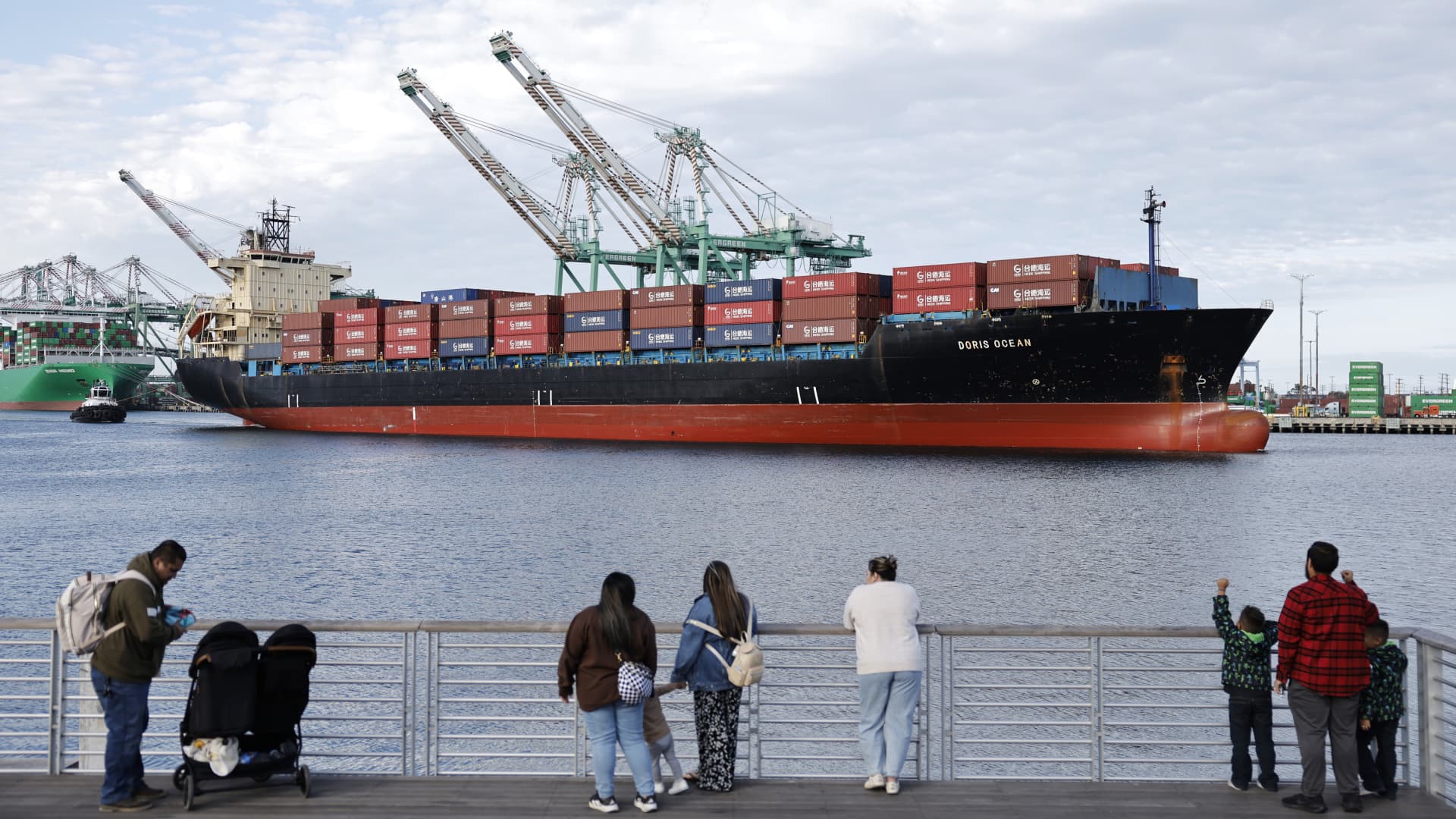
- Tariff Proposal: The U.S. Trade Representative has proposed imposing tariffs of up to 12.5% on imports from 60 economies due to their failure to ban goods made with forced labor, which will significantly impact major trading partners including China, the EU, and Japan.
- Unlevel Playing Field: Under Section 301 of the Trade Act of 1974, it was determined that all 60 countries failed to effectively enforce prohibitions on forced labor imports, creating an unfair competitive environment for American workers, which the Trade Representative deemed unacceptable.
- Tariff Details: The proposal includes a 10% duty for economies that have implemented partial or full prohibitions on forced labor trade, while a 12.5% duty is suggested for all other economies, highlighting the U.S. commitment to human rights in global trade.
- Public Engagement: Written comments on the proposal are due by July 6, with public hearings scheduled for July 7, indicating the U.S. government's intent to refine trade policies through public input.
See More
Xi-Trump Meeting Highlights Taiwan Tensions

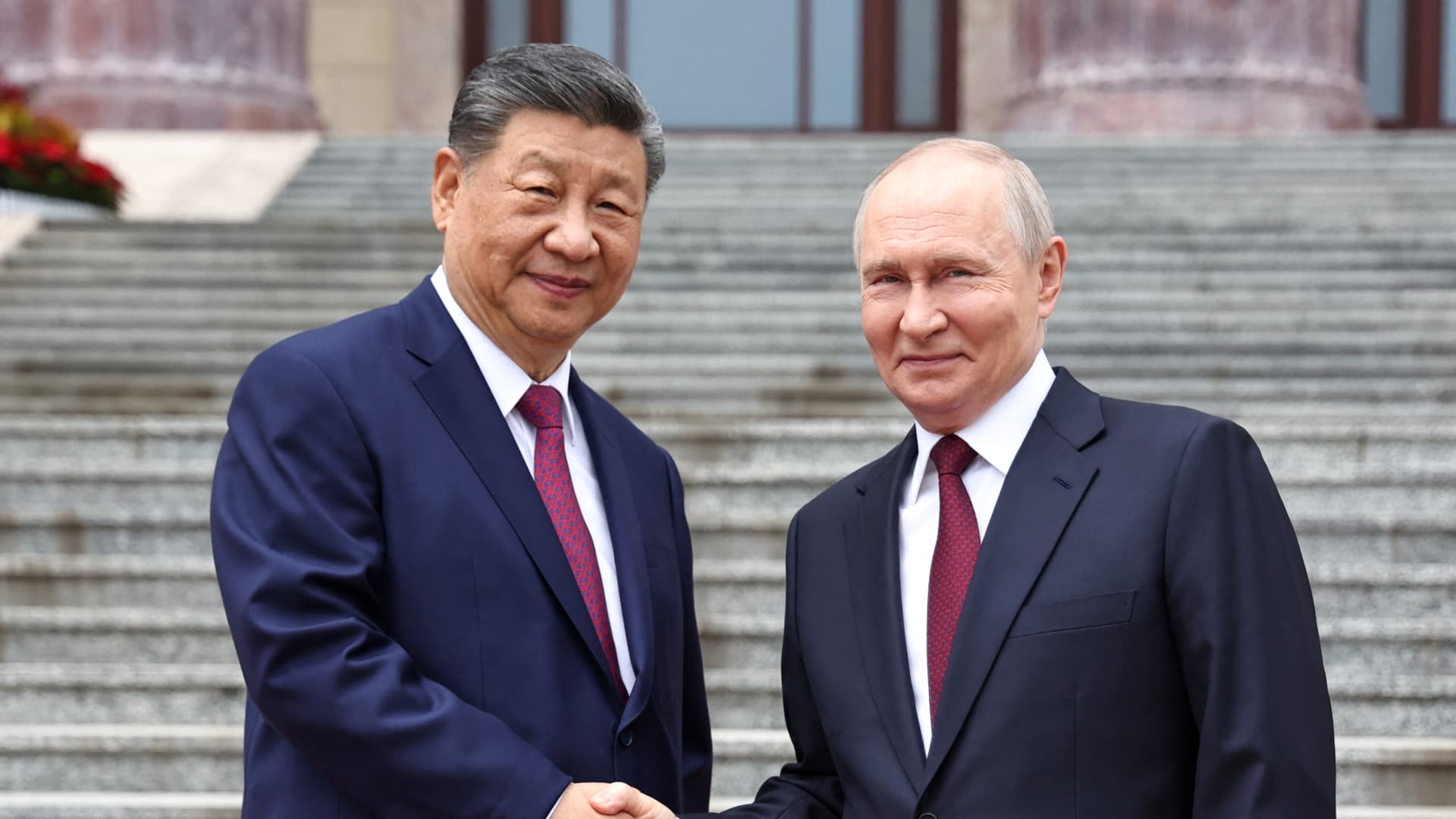
- Taiwan as a Core Issue: Xi Jinping emphasized that Taiwan is the most critical issue in U.S.-China relations during his meeting with Trump, warning that mishandling it could jeopardize bilateral ties, highlighting China's intense focus on Taiwan's status and its implications for diplomatic relations.
- Impact of Arms Sales: Analysts suggest Xi's comments aimed to persuade the Trump administration to delay or cancel a pending $14 billion arms sale to Taiwan, arguing that without U.S. defense support, it would be easier for China to take the island by force, reflecting the heightened military and diplomatic tensions between the two nations.
- Contrast with Putin Meeting: Unlike the formal encounter with Trump, Xi's meeting with Putin was more relaxed, with both leaders reaffirming their strategic cooperation without mentioning Taiwan, indicating a shared ideological alignment and mutual resistance against Western influence in geopolitical matters.
- Deepening Bilateral Relations: Following their talks, Xi and Putin issued a joint statement emphasizing the strengthening of political mutual trust and strategic cooperation across various sectors, underscoring the growing ties between China and Russia and their unified stance on international issues.
See More
Foreign Holdings of U.S. Treasuries Decline Amid Geopolitical Tensions

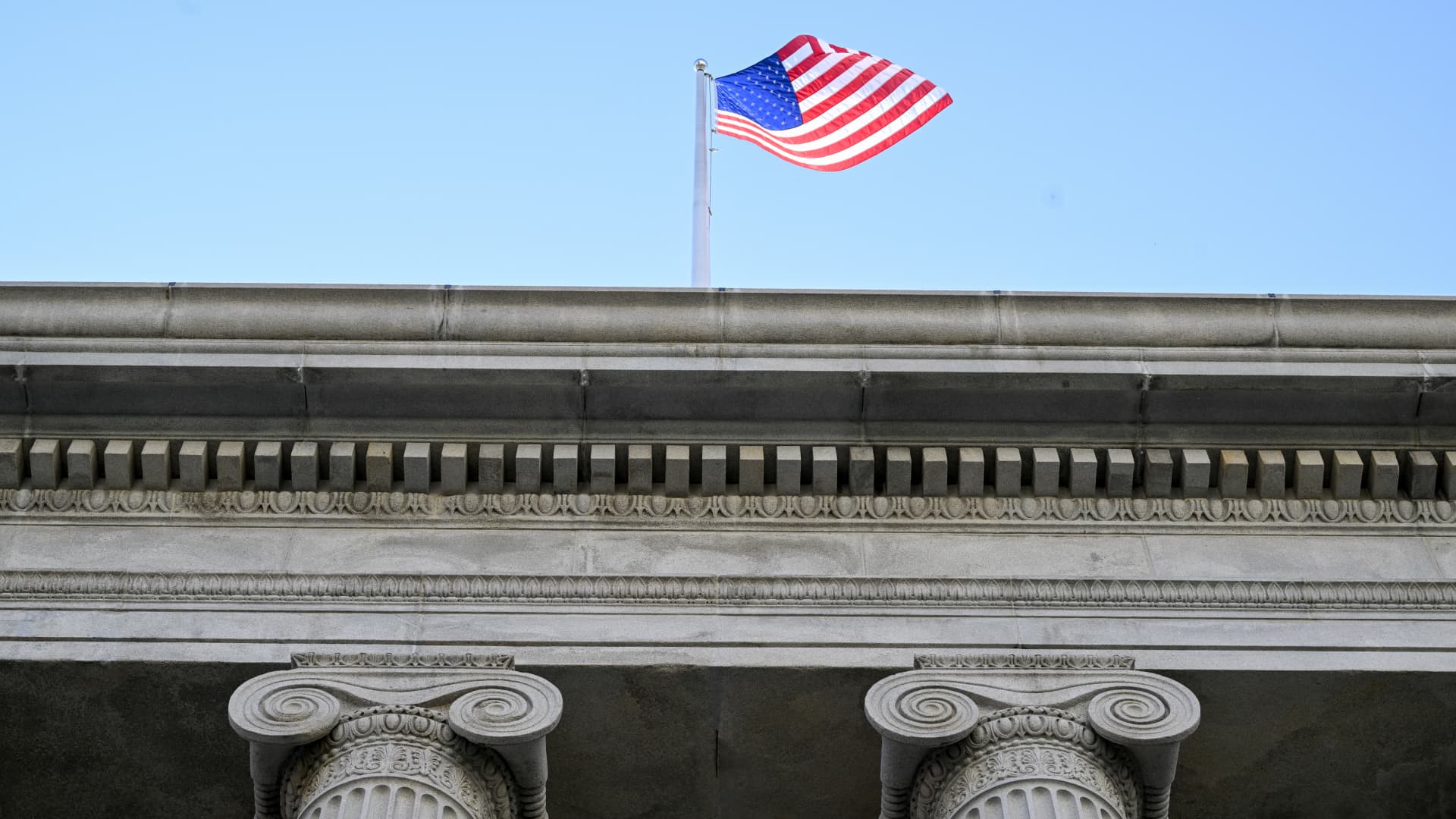
- Foreign Treasury Selloff: Foreign governments reduced their U.S. Treasury holdings to $9.25 trillion in March from $9.49 trillion in February, reflecting concerns over liquidity amid increased financial volatility due to geopolitical tensions.
- China's Holdings Decline: China's U.S. Treasury holdings fell to $652.3 billion in March, down approximately 6% from February, marking the lowest level since September 2008, indicating a strategic shift in response to energy shocks.
- Japan's Liquidation Trend: Japan, the largest foreign holder of U.S. debt, shed about $47 billion in March, bringing its holdings down to $1.191 trillion, highlighting its strategy to manage pressures from yen depreciation and rising energy costs.
- Stable Shadow Holdings: Despite a decrease in China's direct Treasury holdings,
See More
China's Retail Sales Decline for First Time in Over Three Years
- Retail Sales Decline: China's retail sales fell by 0.6% year-on-year in May, marking the first decline since December 2022, indicating significant consumer spending pressure, particularly as the Labor Day holiday failed to boost consumption.
- Investment Contraction: Urban fixed-asset investment in China contracted by 4.1% year-on-year as of the end of May, significantly worse than the estimated 2% decline, with real estate investment inflows dropping by 16.2%, highlighting the fragility of economic recovery.
- Industrial Output Bright Spot: Despite the overall economic slowdown, industrial output rose by 4.5% in May, surpassing the expected 4.3% growth, providing some support to the economy but contrasting sharply with weak consumer and investment trends.
- Policy Adjustment Expectations: Economists anticipate that the government will consider policy adjustments to stabilize consumption following the release of second-quarter GDP data in July, reflecting ongoing concerns about economic growth and the urgent need for consumer recovery.
See More
Xi Jinping and Kim Jong Un Discuss Strengthening Cooperation
- Significance of Xi's Visit: Xi Jinping's upcoming visit to North Korea on September 4-5, 2025, marks his first trip in nearly seven years, underscoring Beijing's commitment to strengthening bilateral ties while countering increasing Russian influence over Pyongyang.
- Nuclear Status Negotiations: Kim Jong Un is expected to leverage the summit to seek economic concessions and possibly Beijing's tacit acknowledgment of North Korea's nuclear status, indicating that Pyongyang has gained more leverage in negotiations with China.
- Deepening Military Cooperation: The discussions between Xi and Kim will focus on enhancing military collaboration, particularly in light of North Korea's growing military ties with Russia, signaling China's intent to maintain its influence on the Korean Peninsula.
- Regional Security Concerns: The talks will also address Taiwan and countering Japan's assertive defense posture, reflecting China's strategic objective of managing escalation risks and ensuring regional stability.
See More
Economic Impact Analysis of 2026 World Cup
- Increased Teams: The 2026 World Cup will feature 48 teams for the first time, hosted across three North American countries, which is expected to attract a larger audience and enhance business opportunities in related sectors.
- Beneficiaries in Consumer Goods: Goldman Sachs predicts that European and U.S. consumer staples, retail, and hospitality sectors will be the main beneficiaries of the World Cup, although the macroeconomic impact may not be substantial or long-lasting.
- Sports Betting Competition: Deutsche Bank analysts highlight the intensifying competition between traditional bookmakers and emerging prediction markets, particularly with platforms like Polymarket and Kalshi gaining traction during this World Cup.
- Private Market Concerns: At the upcoming SuperReturn conference, Partners Group warned of potential limits on fund withdrawals, triggering a sell-off in stocks exposed to private markets, indicating growing concerns about liquidity in the market.
See More
U.S. Proposes New Tariffs on 60 Economies Over Forced Labor
- Tariff Proposal: The U.S. Trade Representative has proposed imposing tariffs of up to 12.5% on imports from 60 economies due to their failure to ban goods made with forced labor, which will significantly impact major trading partners including China, the EU, and Japan.
- Unlevel Playing Field: Under Section 301 of the Trade Act of 1974, it was determined that all 60 countries failed to effectively enforce prohibitions on forced labor imports, creating an unfair competitive environment for American workers, which the Trade Representative deemed unacceptable.
- Tariff Details: The proposal includes a 10% duty for economies that have implemented partial or full prohibitions on forced labor trade, while a 12.5% duty is suggested for all other economies, highlighting the U.S. commitment to human rights in global trade.
- Public Engagement: Written comments on the proposal are due by July 6, with public hearings scheduled for July 7, indicating the U.S. government's intent to refine trade policies through public input.
See More
Xi-Trump Meeting Highlights Taiwan Tensions
- Taiwan as a Core Issue: Xi Jinping emphasized that Taiwan is the most critical issue in U.S.-China relations during his meeting with Trump, warning that mishandling it could jeopardize bilateral ties, highlighting China's intense focus on Taiwan's status and its implications for diplomatic relations.
- Impact of Arms Sales: Analysts suggest Xi's comments aimed to persuade the Trump administration to delay or cancel a pending $14 billion arms sale to Taiwan, arguing that without U.S. defense support, it would be easier for China to take the island by force, reflecting the heightened military and diplomatic tensions between the two nations.
- Contrast with Putin Meeting: Unlike the formal encounter with Trump, Xi's meeting with Putin was more relaxed, with both leaders reaffirming their strategic cooperation without mentioning Taiwan, indicating a shared ideological alignment and mutual resistance against Western influence in geopolitical matters.
- Deepening Bilateral Relations: Following their talks, Xi and Putin issued a joint statement emphasizing the strengthening of political mutual trust and strategic cooperation across various sectors, underscoring the growing ties between China and Russia and their unified stance on international issues.
See More
Foreign Holdings of U.S. Treasuries Decline Amid Geopolitical Tensions
- Foreign Treasury Selloff: Foreign governments reduced their U.S. Treasury holdings to $9.25 trillion in March from $9.49 trillion in February, reflecting concerns over liquidity amid increased financial volatility due to geopolitical tensions.
- China's Holdings Decline: China's U.S. Treasury holdings fell to $652.3 billion in March, down approximately 6% from February, marking the lowest level since September 2008, indicating a strategic shift in response to energy shocks.
- Japan's Liquidation Trend: Japan, the largest foreign holder of U.S. debt, shed about $47 billion in March, bringing its holdings down to $1.191 trillion, highlighting its strategy to manage pressures from yen depreciation and rising energy costs.
- Stable Shadow Holdings: Despite a decrease in China's direct Treasury holdings,
See More