Xencor Unveils Preliminary Findings for XmAb819, a Novel ENPP3 x CD3 Bispecific T-Cell Engager Targeting Clear Cell Renal Cell Carcinoma
XmAb819 Clinical Trial Results: XmAb819, a bispecific antibody for advanced clear cell renal cell carcinoma (ccRCC), shows a 25% overall response rate and a well-tolerated safety profile in heavily pretreated patients during a Phase 1 study.
Dose Expansion and Future Plans: The first dose-expansion cohort has been selected, with ongoing dose escalation to determine the recommended Phase 3 dose, aiming to initiate a pivotal study in 2027.
Safety Profile and Adverse Events: The most common treatment-emergent adverse events were mild to moderate, including cytokine release syndrome and rash, with a few cases of Grade 3 events; no Grade 5 events were reported.
Webcast Announcement: Xencor will host a webcast to discuss the initial results, accessible through their website, with a recording available for 30 days.
Trade with 70% Backtested Accuracy
Analyst Views on XNCR

About XNCR
About the author


GT Biopharma Integrates AI to Accelerate Drug Development

- AI Integration: GT Biopharma has integrated AI tools into the discovery and engineering of its tumor-targeting NK cell engagers and multi-domain proteins, with expectations to push multiple new development candidates into pre-IND development by 2027, thereby accelerating clinical timelines and reducing costs.
- Drug Design Optimization: Utilizing AI-guided sequence and structural analyses, GT Biopharma can prioritize candidates with favorable binding, stability, and developability profiles, aiming to eliminate potential failures early in the discovery phase, thus minimizing costly fixes later in development.
- Clinical Trial Progress: Currently, GT Biopharma's lead program GTB-3650 is in a Phase 1 trial for CD33-expressing blood cancers, while its second candidate GTB-5550 began dosing for B7-H3-expressing solid tumors in May 2026, indicating positive momentum in clinical development.
- Future Development Potential: GT Biopharma plans to leverage its AI-enabled discovery engine to replenish its pipeline behind existing projects, targeting multiple new candidates for clinical development by 2027, thereby enhancing its competitive position in the rapidly evolving biopharmaceutical market.
Incyte's Monjuvi Becomes First-Line Treatment for Lymphoma

- Clinical Trial Success: Incyte's Monjuvi, developed in collaboration with Xencor, demonstrated a 25% improvement in cancer-free survival in the Phase 3 frontMIND trial, providing a new treatment option for high-risk diffuse large B-cell lymphoma patients.
- Significant Treatment Effect: Compared to the standard R-CHOP regimen, Monjuvi combined with R-CHOP and enalidomide reduces the risk of disease progression or death by 25%, indicating its substantial potential in improving patient outcomes.
- Urgent Market Demand: Despite R-CHOP being the standard first-line therapy, nearly 40% of patients experience disease progression or relapse after initial treatment, highlighting the necessity and demand for innovative therapies in this space.
- Regulatory Application Prospects: Incyte plans to leverage existing frontMIND data to support global regulatory submissions seeking to incorporate Monjuvi and enalidomide into R-CHOP for newly diagnosed DLBCL cases, further expanding its market share.

MindWalk Reports Significant Progress in Drug Development

- Clinical Trial Count: MindWalk's antibody discovery efforts have led to over 20 partner-owned drug programs entering clinical trials, with ten currently in active Phase 1-3 trials, showcasing the company's robust R&D capabilities in biopharmaceuticals.
- Establishing Scientific Standards: With over 400 peer-reviewed publications and patents, MindWalk has established a rare scientific standard in the industry, ensuring a consistent output of clinical-stage assets across multiple therapeutic areas for its partners.
- Biological Intelligence Infrastructure: The HYFT® system and LensAI™ platform, developed as a purpose-built AI architecture, integrate biological pattern recognition technology, enhancing the efficiency and success rate of clinical asset development within MindWalk's antibody discovery engine.
- Strategic Partnerships: MindWalk collaborates with several prominent biopharmaceutical companies, including Annexon Biosciences and argenx, further solidifying its market position and influence in the biopharmaceutical industry.

US Stocks Decline Amid Ongoing Iran Conflict


- Market Performance: On Tuesday, the S&P 500 Index fell by 0.37%, the Dow Jones Industrial Average decreased by 0.18%, and the Nasdaq 100 Index dropped by 0.77%, reflecting investor concerns over the ongoing conflict in Iran and a general decline in market sentiment.
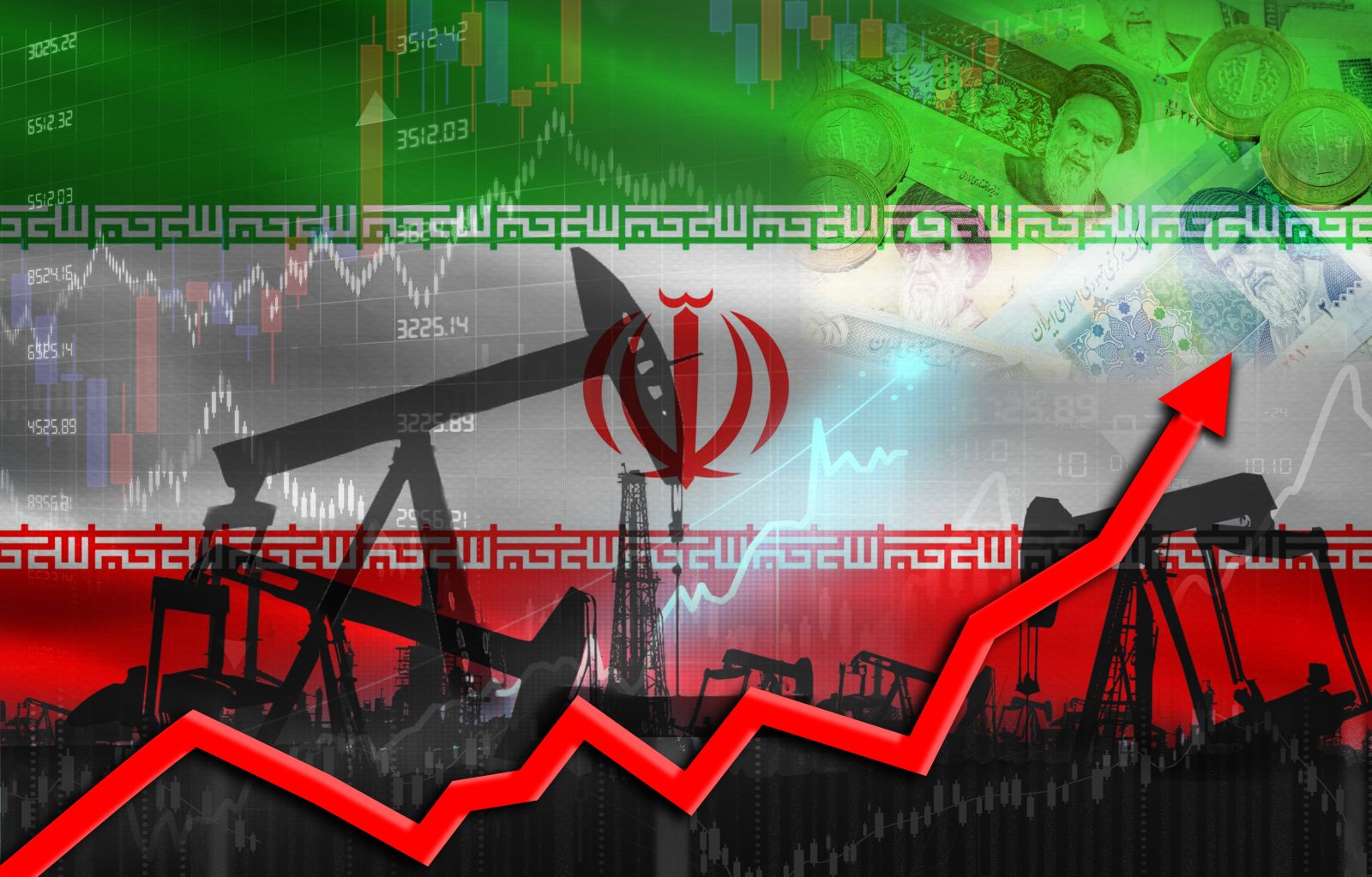
- Oil Price Fluctuations: WTI crude oil prices surged over 4%, reaching elevated levels due to Iran's missile and drone strikes on Israel and US bases, raising fears about energy supply disruptions that could impact global economic recovery.
- Economic Data: Despite market pressures, Q4 nonfarm productivity remained at 1.8%, while unit labor costs were revised up to 4.4%, exceeding expectations, indicating resilience in the economic fundamentals that may provide some support to the stock market.
- International Tensions: Reports of Saudi Arabia and the UAE aligning with the Iran conflict have heightened market anxiety, as investors are closely monitoring the potential for increased US military deployment, which could escalate tensions and affect global market stability.
US Stocks Decline Amid Ongoing Iran Conflict

- Market Movement: The S&P 500 Index is down 0.16%, while the Dow Jones Industrial Average is up 0.13%, and the Nasdaq 100 Index has decreased by 0.50%, reflecting investor concerns over the ongoing Iran conflict, which is dampening market sentiment.
- Rising Energy Prices: WTI crude oil prices have surged over 4% due to Iran's missile strikes on Israel and US bases, which not only limits stock market declines but also raises inflation expectations, potentially influencing future monetary policy decisions.
- Economic Data Performance: The US Q4 nonfarm productivity remained unchanged at 1.8%, while unit labor costs were revised up to 4.4% from 2.8%, exceeding market expectations, indicating economic resilience that may support the stock market.
- International Tensions Impact: Saudi Arabia and the UAE have taken steps toward joining the Iran war, potentially escalating the conflict, which increases market concerns about future geopolitical risks and drives investors towards safer assets.
US Stocks Decline Amid Ongoing Iran Conflict
- Market Decline: The S&P 500 Index fell by 0.80%, the Dow Jones Industrial Average by 0.83%, and the Nasdaq 100 by 0.98%, reflecting investor concerns over the ongoing Iran conflict, which may dampen market sentiment and affect short-term investment decisions.
- Rising Oil Prices: WTI crude oil prices surged over 4% due to Iran's missile strikes on Israel and US bases, exacerbating global supply chain tensions and potentially raising inflation expectations in the coming months, which could influence the Fed's monetary policy.
- Mixed Economic Data: Q4 nonfarm productivity remained unchanged at 1.8%, but unit labor costs were revised up to 4.4% from 2.8%, exceeding market expectations, indicating rising labor costs that may pressure corporate profits and subsequently impact stock market performance.
- International Tensions: Saudi Arabia and the UAE have taken steps toward joining the Iran war, potentially escalating the conflict, and the high uncertainty surrounding future developments will continue to affect investor confidence and market volatility.
GT Biopharma Integrates AI to Accelerate Drug Development
- AI Integration: GT Biopharma has integrated AI tools into the discovery and engineering of its tumor-targeting NK cell engagers and multi-domain proteins, with expectations to push multiple new development candidates into pre-IND development by 2027, thereby accelerating clinical timelines and reducing costs.
- Drug Design Optimization: Utilizing AI-guided sequence and structural analyses, GT Biopharma can prioritize candidates with favorable binding, stability, and developability profiles, aiming to eliminate potential failures early in the discovery phase, thus minimizing costly fixes later in development.
- Clinical Trial Progress: Currently, GT Biopharma's lead program GTB-3650 is in a Phase 1 trial for CD33-expressing blood cancers, while its second candidate GTB-5550 began dosing for B7-H3-expressing solid tumors in May 2026, indicating positive momentum in clinical development.
- Future Development Potential: GT Biopharma plans to leverage its AI-enabled discovery engine to replenish its pipeline behind existing projects, targeting multiple new candidates for clinical development by 2027, thereby enhancing its competitive position in the rapidly evolving biopharmaceutical market.
Incyte's Monjuvi Becomes First-Line Treatment for Lymphoma
- Clinical Trial Success: Incyte's Monjuvi, developed in collaboration with Xencor, demonstrated a 25% improvement in cancer-free survival in the Phase 3 frontMIND trial, providing a new treatment option for high-risk diffuse large B-cell lymphoma patients.
- Significant Treatment Effect: Compared to the standard R-CHOP regimen, Monjuvi combined with R-CHOP and enalidomide reduces the risk of disease progression or death by 25%, indicating its substantial potential in improving patient outcomes.
- Urgent Market Demand: Despite R-CHOP being the standard first-line therapy, nearly 40% of patients experience disease progression or relapse after initial treatment, highlighting the necessity and demand for innovative therapies in this space.
- Regulatory Application Prospects: Incyte plans to leverage existing frontMIND data to support global regulatory submissions seeking to incorporate Monjuvi and enalidomide into R-CHOP for newly diagnosed DLBCL cases, further expanding its market share.
MindWalk Reports Significant Progress in Drug Development
- Clinical Trial Count: MindWalk's antibody discovery efforts have led to over 20 partner-owned drug programs entering clinical trials, with ten currently in active Phase 1-3 trials, showcasing the company's robust R&D capabilities in biopharmaceuticals.
- Establishing Scientific Standards: With over 400 peer-reviewed publications and patents, MindWalk has established a rare scientific standard in the industry, ensuring a consistent output of clinical-stage assets across multiple therapeutic areas for its partners.
- Biological Intelligence Infrastructure: The HYFT® system and LensAI™ platform, developed as a purpose-built AI architecture, integrate biological pattern recognition technology, enhancing the efficiency and success rate of clinical asset development within MindWalk's antibody discovery engine.
- Strategic Partnerships: MindWalk collaborates with several prominent biopharmaceutical companies, including Annexon Biosciences and argenx, further solidifying its market position and influence in the biopharmaceutical industry.
US Stocks Decline Amid Ongoing Iran Conflict
- Market Performance: On Tuesday, the S&P 500 Index fell by 0.37%, the Dow Jones Industrial Average decreased by 0.18%, and the Nasdaq 100 Index dropped by 0.77%, reflecting investor concerns over the ongoing conflict in Iran and a general decline in market sentiment.
- Oil Price Fluctuations: WTI crude oil prices surged over 4%, reaching elevated levels due to Iran's missile and drone strikes on Israel and US bases, raising fears about energy supply disruptions that could impact global economic recovery.
- Economic Data: Despite market pressures, Q4 nonfarm productivity remained at 1.8%, while unit labor costs were revised up to 4.4%, exceeding expectations, indicating resilience in the economic fundamentals that may provide some support to the stock market.
- International Tensions: Reports of Saudi Arabia and the UAE aligning with the Iran conflict have heightened market anxiety, as investors are closely monitoring the potential for increased US military deployment, which could escalate tensions and affect global market stability.
US Stocks Decline Amid Ongoing Iran Conflict
- Market Movement: The S&P 500 Index is down 0.16%, while the Dow Jones Industrial Average is up 0.13%, and the Nasdaq 100 Index has decreased by 0.50%, reflecting investor concerns over the ongoing Iran conflict, which is dampening market sentiment.
- Rising Energy Prices: WTI crude oil prices have surged over 4% due to Iran's missile strikes on Israel and US bases, which not only limits stock market declines but also raises inflation expectations, potentially influencing future monetary policy decisions.
- Economic Data Performance: The US Q4 nonfarm productivity remained unchanged at 1.8%, while unit labor costs were revised up to 4.4% from 2.8%, exceeding market expectations, indicating economic resilience that may support the stock market.
- International Tensions Impact: Saudi Arabia and the UAE have taken steps toward joining the Iran war, potentially escalating the conflict, which increases market concerns about future geopolitical risks and drives investors towards safer assets.
US Stocks Decline Amid Ongoing Iran Conflict
- Market Decline: The S&P 500 Index fell by 0.80%, the Dow Jones Industrial Average by 0.83%, and the Nasdaq 100 by 0.98%, reflecting investor concerns over the ongoing Iran conflict, which may dampen market sentiment and affect short-term investment decisions.
- Rising Oil Prices: WTI crude oil prices surged over 4% due to Iran's missile strikes on Israel and US bases, exacerbating global supply chain tensions and potentially raising inflation expectations in the coming months, which could influence the Fed's monetary policy.
- Mixed Economic Data: Q4 nonfarm productivity remained unchanged at 1.8%, but unit labor costs were revised up to 4.4% from 2.8%, exceeding market expectations, indicating rising labor costs that may pressure corporate profits and subsequently impact stock market performance.
- International Tensions: Saudi Arabia and the UAE have taken steps toward joining the Iran war, potentially escalating the conflict, and the high uncertainty surrounding future developments will continue to affect investor confidence and market volatility.