Why Is Plug Power Stock Surging Premarket On Thursday?
Written by Emily J. Thompson, Senior Investment Analyst
Updated: Sep 19 2024
0mins


Source: Benzinga
Plug Power's New Orders: Plug Power Inc. has secured a 25 MW order for its PEM electrolyzer systems from BP and Iberdrola to decarbonize BP’s Castellón refinery in Spain, aiming to reduce CO2 emissions by 23,000 tons annually.
Funding and Market Potential: The company also received a $10 million grant from the U.S. Department of Energy for its HYPER-Fuel project and is positioned to capitalize on the growing market for green hydrogen in Europe.
Trade with 70% Backtested Accuracy
Stop guessing "Should I Buy BP?" and start using high-conviction signals backed by rigorous historical data.
Sign up today to access powerful investing tools and make smarter, data-driven decisions.
Analyst Views on BP
Wall Street analysts forecast BP stock price to rise
11 Analyst Rating
5 Buy
5 Hold
1 Sell
Moderate Buy
Current: 36.150

Low
6.38
Averages
84.26
High
503.69
Current: 36.150
Low
6.38
Averages
84.26
High
503.69
About BP
BP p.l.c. is a United Kingdom-based integrated energy company. Its segments include Gas & low carbon energy, Oil production & operations, Customers & products, and Other businesses & corporate. The gas & low carbon energy comprises regions with upstream businesses that predominantly produce natural gas, gas marketing and trading activities and its solar, wind and hydrogen businesses. The oil production & operations segment comprises regions with upstream activities that predominantly produce crude oil, including bpx energy. The customers & products segment comprises its customer-focused businesses, which include convenience and retail fuels, electric vehicle (EV) charging, as well as Castrol, aviation and business-to-business (B2B) and midstream. It also includes its products businesses, refining and oil trading, as well as its bioenergy businesses. The other businesses and corporate also comprises the Company's shipping and treasury functions, and corporate activities worldwide.
About the author

Emily J. Thompson
Emily J. Thompson, a Chartered Financial Analyst (CFA) with 12 years in investment research, graduated with honors from the Wharton School. Specializing in industrial and technology stocks, she provides in-depth analysis for Intellectia’s earnings and market brief reports.

Payments Platforms Warn Against Illegal Vape Transactions

- Market Size: The U.S. illegal vape market is estimated to exceed $9 billion in annual sales, prompting law enforcement agencies to intensify scrutiny and urging payment platforms and retailers to mitigate legal risks.
- Compliance Warnings: BP and other gas station operators have received compliance violation notices from Mastercard, warning that merchants processing illegal vape transactions could face fines in the mid-six figures, indicating a significant increase in regulatory pressure.
- Increased Legal Pressure: Attorneys general from states like California, Illinois, and Arizona are collaborating to pressure platforms like Shopify to ban illegal vape sales, reflecting a strong governmental crackdown on this market.
- Scarcity of FDA-Approved Products: The FDA has only authorized 45 vaping products for legal sale, yet unauthorized brands continue to be sold illegally, heightening compliance risks for merchants who must navigate this challenging landscape.
See More
Gasoline Inventories Tighten, Keeping Prices Elevated

- Current Gas Prices: The average U.S. gasoline price stands at $3.83 per gallon, down from $4.29 a month ago but still significantly higher than last year, indicating that consumers are facing elevated costs at the pump despite falling crude prices.
- Refinery Operations: U.S. refiners are operating at maximum capacity, leading to tight gasoline supplies that prevent the quick conversion of cheaper crude into finished gasoline, thereby keeping retail prices high and reflecting a supply-demand imbalance in the market.
- Geopolitical Risks: Croft noted that ship traffic through the Strait of Hormuz remains below normal levels, averaging about 40 vessels per day compared to over 100 pre-tension, suggesting that geopolitical uncertainties may continue to impact energy prices.
- Market Outlook: Croft believes that mid-August will be a critical turning point for energy prices, contingent on shipping activity through the Strait of Hormuz, the progress of nuclear negotiations, and whether refinery utilization and gasoline inventories begin to normalize.
See More

Promising Outlook for Energy Sector Amidst Stable Oil Prices
- Oil Price Support: The price of West Texas Intermediate (WTI) crude is stable around $70 per barrel, significantly above the shut-in prices of key resources in the U.S., thereby providing a favorable environment for integrated energy companies' exploration and production operations, enhancing their profitability.
- Strong Midstream Demand: With favorable upstream activity outlook, oil and gas production is expected to remain satisfactory, which will boost demand for pipeline and storage assets, ensuring stable fee-based revenues for midstream businesses amidst commodity price volatility.
- Diversification Trend: International integrated energy companies are gradually investing in renewable energy, and by diversifying operations, they can capitalize on the mounting demand for cleaner energy, thereby enhancing their market competitiveness and sustainability.
- Improved Industry Ranking: The Zacks Oil and Gas Integrated International industry holds a Zacks Industry Rank of 99, placing it in the top 40% of over 250 industries, indicating a promising short-term outlook that attracts investor attention.
See More
Investment Opportunities in ConocoPhillips and BP Amid Falling Oil Prices

- Ultra-Low Breakeven Costs: ConocoPhillips has significantly reduced its structural supply costs following its acquisition of Marathon Oil, allowing it to remain profitable even with oil prices below $40, while most of its production is based in the U.S., mitigating impacts from Middle Eastern unrest.
- Aggressive Cost-Cutting Strategies: ConocoPhillips is executing a $1 billion capital and operating cost reduction program by 2026, while BP caps its annual capital expenditures between $13 billion and $13.5 billion, prioritizing high-margin upstream developments over low-margin projects.
- Solid Shareholder Returns: ConocoPhillips commits to returning 45% of its cash flow to shareholders, while BP has completed a $500 million share buyback program, maintaining a 5.3% dividend yield, with BP stock returning over 93% in the past decade.
- Valuation Discounts and Sector Diversification: Both ConocoPhillips and BP are trading below 11 times and 8 times forward earnings respectively, allowing investors to capture complementary business models at a discount, particularly as ConocoPhillips offers efficient operating leverage for a rebound in crude prices.
See More

BP and ConocoPhillips Tighten Spending to Boost Margins
- Spending Tightening Strategy: BP and ConocoPhillips have set capital expenditure limits of $13.5 billion and $1 billion for 2026, respectively, aiming to enhance structural efficiency and ensure shareholder returns, thereby maintaining profitability in an environment where oil prices are below $70.
- Dividend Appeal: With BP's dividend yield at 5.3% and ConocoPhillips at 3.1%, both companies offer above-average dividends, attracting long-term investors to buy during price dips, which enhances their market appeal.
- Strong Cash Flow: ConocoPhillips commits to returning 45% of its cash flow to shareholders through a mix of base dividends, variable cash returns, and share repurchases, ensuring stable shareholder returns, while BP strengthens its shareholder value by completing a $500 million share buyback program.
- Market Recovery Potential: As major economies plan to rebuild strategic petroleum reserves, BP and ConocoPhillips, with their stable production capabilities in North America and Europe, are poised to benefit from future oil price rebounds, showcasing strong market recovery potential.
See More
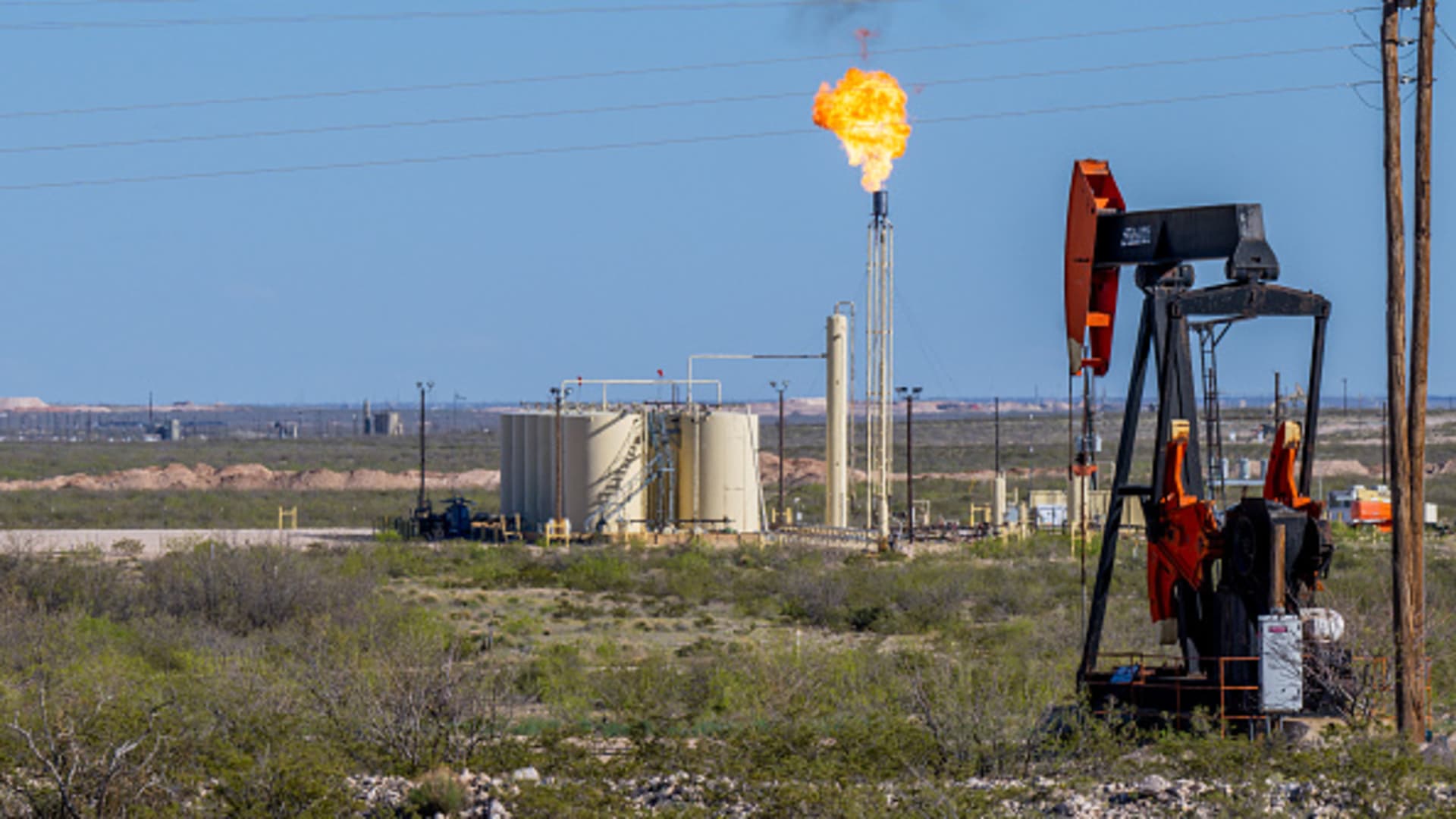
Investment Opportunities in ConocoPhillips and BP Amid Falling Oil Prices

- Low Breakeven Costs: ConocoPhillips has significantly reduced its structural supply costs following its acquisition of Marathon Oil, maintaining supply costs below $40 per barrel in key regions for decades, thus ensuring profitability even in a sub-$70 oil price environment.
- Aggressive Cost-Cutting Measures: ConocoPhillips is executing a $1 billion capital and operating cost reduction plan by 2026, while BP aims for $6.5 billion to $7.5 billion in structural cost savings by 2027, ensuring operational sustainability in a low-price environment.
- Solid Shareholder Returns: ConocoPhillips commits to returning 45% of its cash flow to shareholders, while BP offers a 5.3% dividend yield and a targeted share buyback program, expected to generate $20 billion by 2027 through asset divestments, ensuring stable returns for investors.
- Valuation Discounts and Diversification: Both ConocoPhillips and BP are trading below 11 times and 8 times forward earnings, respectively, allowing investors to capture complementary business models at a discount, particularly as ConocoPhillips offers efficient operating leverage for a rebound in crude prices.
See More
Payments Platforms Warn Against Illegal Vape Transactions
- Market Size: The U.S. illegal vape market is estimated to exceed $9 billion in annual sales, prompting law enforcement agencies to intensify scrutiny and urging payment platforms and retailers to mitigate legal risks.
- Compliance Warnings: BP and other gas station operators have received compliance violation notices from Mastercard, warning that merchants processing illegal vape transactions could face fines in the mid-six figures, indicating a significant increase in regulatory pressure.
- Increased Legal Pressure: Attorneys general from states like California, Illinois, and Arizona are collaborating to pressure platforms like Shopify to ban illegal vape sales, reflecting a strong governmental crackdown on this market.
- Scarcity of FDA-Approved Products: The FDA has only authorized 45 vaping products for legal sale, yet unauthorized brands continue to be sold illegally, heightening compliance risks for merchants who must navigate this challenging landscape.
See More
Gasoline Inventories Tighten, Keeping Prices Elevated
- Current Gas Prices: The average U.S. gasoline price stands at $3.83 per gallon, down from $4.29 a month ago but still significantly higher than last year, indicating that consumers are facing elevated costs at the pump despite falling crude prices.
- Refinery Operations: U.S. refiners are operating at maximum capacity, leading to tight gasoline supplies that prevent the quick conversion of cheaper crude into finished gasoline, thereby keeping retail prices high and reflecting a supply-demand imbalance in the market.
- Geopolitical Risks: Croft noted that ship traffic through the Strait of Hormuz remains below normal levels, averaging about 40 vessels per day compared to over 100 pre-tension, suggesting that geopolitical uncertainties may continue to impact energy prices.
- Market Outlook: Croft believes that mid-August will be a critical turning point for energy prices, contingent on shipping activity through the Strait of Hormuz, the progress of nuclear negotiations, and whether refinery utilization and gasoline inventories begin to normalize.
See More
Promising Outlook for Energy Sector Amidst Stable Oil Prices
- Oil Price Support: The price of West Texas Intermediate (WTI) crude is stable around $70 per barrel, significantly above the shut-in prices of key resources in the U.S., thereby providing a favorable environment for integrated energy companies' exploration and production operations, enhancing their profitability.
- Strong Midstream Demand: With favorable upstream activity outlook, oil and gas production is expected to remain satisfactory, which will boost demand for pipeline and storage assets, ensuring stable fee-based revenues for midstream businesses amidst commodity price volatility.
- Diversification Trend: International integrated energy companies are gradually investing in renewable energy, and by diversifying operations, they can capitalize on the mounting demand for cleaner energy, thereby enhancing their market competitiveness and sustainability.
- Improved Industry Ranking: The Zacks Oil and Gas Integrated International industry holds a Zacks Industry Rank of 99, placing it in the top 40% of over 250 industries, indicating a promising short-term outlook that attracts investor attention.
See More
Investment Opportunities in ConocoPhillips and BP Amid Falling Oil Prices
- Ultra-Low Breakeven Costs: ConocoPhillips has significantly reduced its structural supply costs following its acquisition of Marathon Oil, allowing it to remain profitable even with oil prices below $40, while most of its production is based in the U.S., mitigating impacts from Middle Eastern unrest.
- Aggressive Cost-Cutting Strategies: ConocoPhillips is executing a $1 billion capital and operating cost reduction program by 2026, while BP caps its annual capital expenditures between $13 billion and $13.5 billion, prioritizing high-margin upstream developments over low-margin projects.
- Solid Shareholder Returns: ConocoPhillips commits to returning 45% of its cash flow to shareholders, while BP has completed a $500 million share buyback program, maintaining a 5.3% dividend yield, with BP stock returning over 93% in the past decade.
- Valuation Discounts and Sector Diversification: Both ConocoPhillips and BP are trading below 11 times and 8 times forward earnings respectively, allowing investors to capture complementary business models at a discount, particularly as ConocoPhillips offers efficient operating leverage for a rebound in crude prices.
See More
BP and ConocoPhillips Tighten Spending to Boost Margins
- Spending Tightening Strategy: BP and ConocoPhillips have set capital expenditure limits of $13.5 billion and $1 billion for 2026, respectively, aiming to enhance structural efficiency and ensure shareholder returns, thereby maintaining profitability in an environment where oil prices are below $70.
- Dividend Appeal: With BP's dividend yield at 5.3% and ConocoPhillips at 3.1%, both companies offer above-average dividends, attracting long-term investors to buy during price dips, which enhances their market appeal.
- Strong Cash Flow: ConocoPhillips commits to returning 45% of its cash flow to shareholders through a mix of base dividends, variable cash returns, and share repurchases, ensuring stable shareholder returns, while BP strengthens its shareholder value by completing a $500 million share buyback program.
- Market Recovery Potential: As major economies plan to rebuild strategic petroleum reserves, BP and ConocoPhillips, with their stable production capabilities in North America and Europe, are poised to benefit from future oil price rebounds, showcasing strong market recovery potential.
See More
Investment Opportunities in ConocoPhillips and BP Amid Falling Oil Prices
- Low Breakeven Costs: ConocoPhillips has significantly reduced its structural supply costs following its acquisition of Marathon Oil, maintaining supply costs below $40 per barrel in key regions for decades, thus ensuring profitability even in a sub-$70 oil price environment.
- Aggressive Cost-Cutting Measures: ConocoPhillips is executing a $1 billion capital and operating cost reduction plan by 2026, while BP aims for $6.5 billion to $7.5 billion in structural cost savings by 2027, ensuring operational sustainability in a low-price environment.
- Solid Shareholder Returns: ConocoPhillips commits to returning 45% of its cash flow to shareholders, while BP offers a 5.3% dividend yield and a targeted share buyback program, expected to generate $20 billion by 2027 through asset divestments, ensuring stable returns for investors.
- Valuation Discounts and Diversification: Both ConocoPhillips and BP are trading below 11 times and 8 times forward earnings, respectively, allowing investors to capture complementary business models at a discount, particularly as ConocoPhillips offers efficient operating leverage for a rebound in crude prices.
See More