West Fraser to Record $409 Million Impairment in Q4 Due to Economic Challenges
Written by Emily J. Thompson, Senior Investment Analyst
Updated: Jan 08 2026
0mins
Should l Buy WFG?
Source: PRnewswire
- Impairment Charge: West Fraser anticipates recording approximately $409 million in non-cash goodwill impairment in Q4 2025, primarily due to prolonged economic downturns prompting management to reassess assumptions in its annual goodwill impairment test, indicating a total impairment of goodwill associated with its U.S. lumber operations.
- Market Environment Impact: This impairment reflects changes in pricing trends for lumber products, decreased demand and pricing for wood chip residuals, and the depth and duration of the current economic cycle, highlighting the company's vulnerability under adverse market conditions.
- 2026 Operational Guidance: West Fraser has also provided initial operational guidance for 2026, including expectations for key product shipments, operational costs, and capital expenditures, aimed at optimizing resource allocation to navigate market challenges.
- Capital Expenditure Plans: Expected capital expenditures will primarily focus on improvement projects and maintenance-of-business expenditures, with the company aiming to proceed on time and on budget despite uncertainties in market conditions to enhance optimization and automation of the manufacturing process.
Trade with 70% Backtested Accuracy
Stop guessing "Should I Buy WFG?" and start using high-conviction signals backed by rigorous historical data.
Sign up today to access powerful investing tools and make smarter, data-driven decisions.
Analyst Views on WFG
Wall Street analysts forecast WFG stock price to rise
3 Analyst Rating
2 Buy
1 Hold
0 Sell
Moderate Buy
Current: 65.370

Low
69.11
Averages
80.70
High
88.00
Current: 65.370
Low
69.11
Averages
80.70
High
88.00
About WFG
West Fraser Timber Co. Ltd. is a Canada-based diversified wood products company. The Company is engaged in manufacturing, selling, marketing and distributing lumber, engineered wood products such as oriented strand board (OSB), laminated veneer lumber (LVL), medium-density fiberboard (MDF), plywood, particleboard, pulp, newsprint, wood chips and other residuals. Its products are used in home construction, repair and remodeling, industrial applications, paper and tissue. Its segments include Lumber, North America engineered wood products (NA EWP), Pulp & Paper and Europe EWP. The Company’s business comprises lumber mills, OSB facilities, plywood facilities, MDF facilities, particleboard facilities, LVL facilities, veneer facilities, and pulp and paper mills. The Company operates approximately 58 facilities in Canada, the United States, the United Kingdom and Europe.
About the author

Emily J. Thompson
Emily J. Thompson, a Chartered Financial Analyst (CFA) with 12 years in investment research, graduated with honors from the Wharton School. Specializing in industrial and technology stocks, she provides in-depth analysis for Intellectia’s earnings and market brief reports.

West Fraser Timber to Host Analyst Call on Q1 2026 Results

- Conference Call Scheduled: West Fraser Timber will hold an analyst conference call on April 30, 2026, at 8:30 AM PT to discuss Q1 2026 financial and operational results, which is expected to attract investor interest and potentially influence stock performance.
- Tariff Adjustment Impact: The preliminary anti-dumping and countervailing duty rates issued by the USDOC will reduce the company's cash deposit rate from 26.47% to 20.70%, anticipated to lower non-cash expenses in Q1 2026, thereby improving the company's financial outlook.
- Production Recovery and Expansion: Following a fire in January 2026, full operations have resumed at the Blue Ridge Alberta lumber mill, and production has commenced at the new lumber facility in Texas, indicating the company's proactive capacity expansion efforts.
- Lumber Price Rebound: In Q1 2026, the Western SPF 2x4 Random benchmark price rose from $423 to $463, a 9% increase, while the Westside SYP 2x4 Random benchmark surged by 35%, reflecting strong market demand recovery.
See More

West Fraser Timber's Share Buyback Program Approved
- Buyback Program Approved: West Fraser Timber announced that the Toronto Stock Exchange has accepted its notice to renew the normal course issuer bid, allowing the company to repurchase up to 3.80 million common shares, representing about 5% of its issued shares as of March 10, 2026.
- Repurchase Timeline: The buyback program will commence on March 24, 2026, and run until March 23, 2027, unless completed earlier, providing the company with a flexible capital management strategy.
- Previous Buyback Details: In its prior normal course issuer bid, West Fraser repurchased a total of 1.29 million shares at a volume-weighted average price of $73.47 per share, reflecting the company's active market participation and confidence in its stock value.
- Market Reaction Expectations: The implementation of this buyback program is expected to enhance investor confidence, increase earnings per share, and further solidify the company's market position in the timber industry.
See More
West Fraser Renews Share Buyback Program
- Buyback Program Renewal: West Fraser announced the renewal of its normal course issuer bid (NCIB) set to commence on March 24, 2026, allowing for the repurchase of up to 3,800,917 shares, approximately 5% of its outstanding shares, aimed at enhancing shareholder value through buybacks.
- Market Operation Details: Under TSX and NYSE regulations, West Fraser can repurchase a maximum of 51,608 shares per day on the TSX, based on the average trading volume over the past six months, ensuring that buyback activities align with market liquidity requirements.
- Capital Utilization Strategy: The company believes that repurchasing shares is an appropriate use of available funds, particularly when its stock is undervalued or presents an attractive investment opportunity, demonstrating a commitment to shareholder returns.
- Automatic Purchase Plan: West Fraser plans to enter into an automatic purchase plan with a broker, allowing for share repurchases during self-imposed blackout periods, thereby enhancing the flexibility and efficiency of its buyback strategy.
See More

West Fraser Renews Normal Course Issuer Bid
- Bid Renewal: West Fraser Timber Co. Ltd. announced the renewal of its Normal Course Issuer Bid (NCIB) starting March 24, 2026, allowing for the repurchase of up to 3,800,917 common shares, representing approximately 5% of the total shares outstanding, aimed at enhancing shareholder value.
- Purpose of Repurchase: The company intends to repurchase shares when they are deemed undervalued or present attractive investment opportunities, thereby utilizing available funds to return capital to shareholders, which is expected to bolster market confidence and improve shareholder returns.
- Daily Purchase Limits: Under TSX regulations, West Fraser is limited to repurchasing a maximum of 51,608 shares per day during the NCIB, based on the average daily trading volume over the past six months, ensuring sustainable repurchase activities and market stability.
- Automatic Purchase Plan: West Fraser plans to enter into an automatic purchase plan with a broker to facilitate market purchases during self-imposed blackout periods, which will enhance the flexibility and efficiency of the repurchase strategy, further supporting the company's capital management objectives.
See More
Success of Price-to-Tangible-Book Value Investing


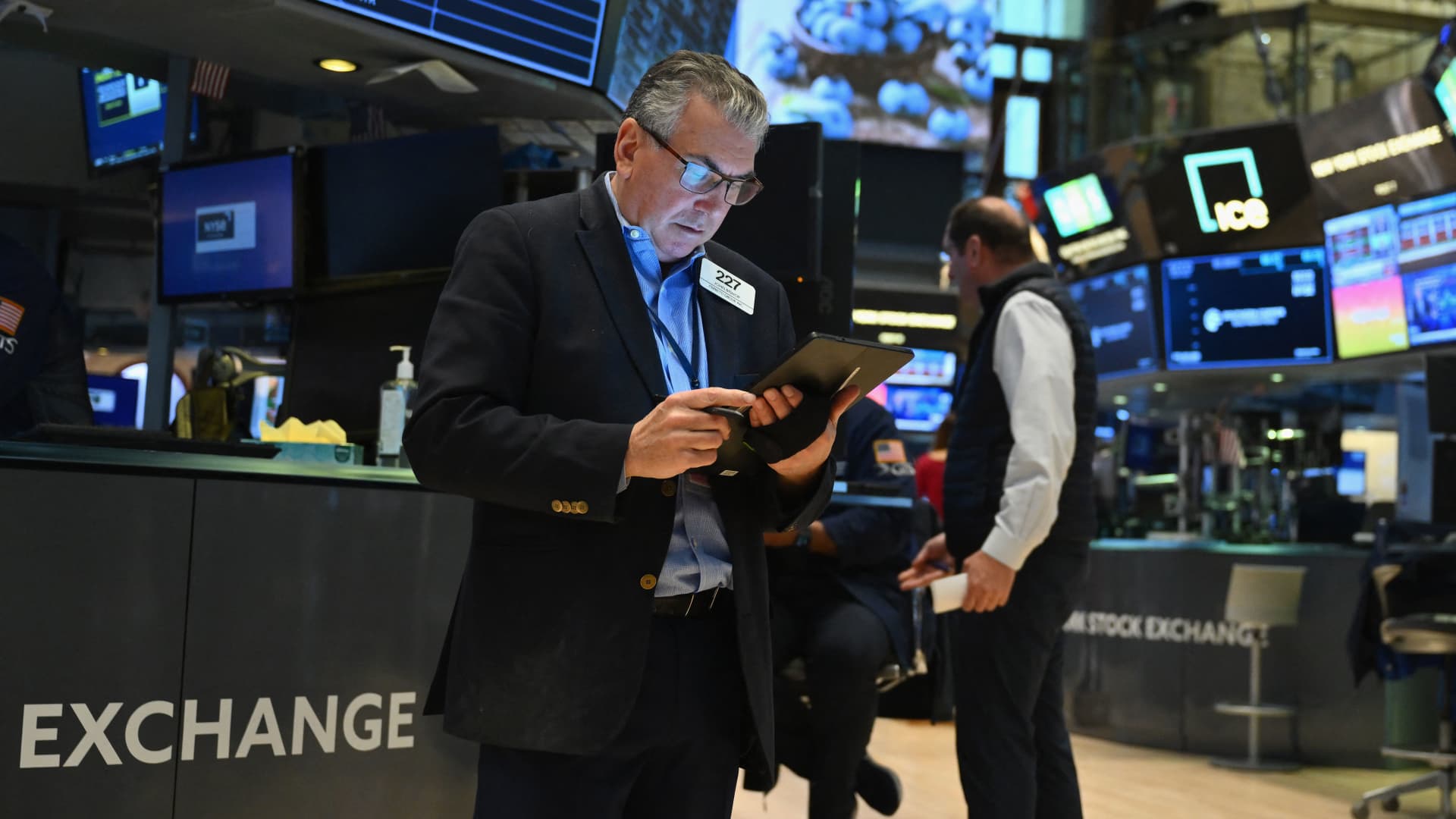
- Long-Term Return Advantage: Since 1980, Donald Smith & Co.'s investment strategy has achieved a 16.8% compound annual return by focusing on companies in the lowest decile of price-to-tangible-book ratios, significantly outperforming the overall lowest decile's 13.4% and the S&P 500's 12.1%, demonstrating the effectiveness of their long-term investment approach and market recognition potential.
- Philosophical Foundation: Founder Donald G. Smith was influenced by Benjamin Graham during his time at UCLA Law School, establishing an investment framework centered on buying companies with the lowest price-to-tangible-book value, emphasizing fundamental analysis and patient holding to avoid short-term market fluctuations.
- Asset Allocation Strategy: Currently managing over $5 billion in assets, Donald Smith & Co. employs a concentrated investment strategy with individual positions capped at 5% and industry exposure generally limited to around 20%, ensuring stable portfolio performance amid market volatility.
- Current Investment Targets: Recent 13F filings reveal significant positions in asset-heavy companies like West Fraser Timber, Brazilian steel producer Gerdau, and Harley-Davidson, all trading at substantial discounts, reflecting their deep conviction in cyclical asset investing and expectations for market recovery.
See More

West Fraser Timber Declares Quarterly Dividend of $0.32
- Quarterly Dividend Announcement: West Fraser Timber has declared a quarterly dividend of $0.32 per share, consistent with previous distributions, indicating the company's stability during the current economic cycle despite market challenges.
- Dividend Yield: The forward yield of 1.75% reflects the company's ongoing commitment to shareholder returns, even as overall financial performance remains under pressure.
- Poor Financial Performance: West Fraser Timber reported a GAAP EPS of -$9.63, missing expectations by $7.19, with revenue of $1.17 billion falling short of targets, highlighting significant challenges in revenue growth.
- Market Reaction: While the dividend remains unchanged, the decline in financial performance may affect investor confidence, leading to stock price volatility and reflecting market concerns about the company's future growth potential.
See More
West Fraser Timber to Host Analyst Call on Q1 2026 Results
- Conference Call Scheduled: West Fraser Timber will hold an analyst conference call on April 30, 2026, at 8:30 AM PT to discuss Q1 2026 financial and operational results, which is expected to attract investor interest and potentially influence stock performance.
- Tariff Adjustment Impact: The preliminary anti-dumping and countervailing duty rates issued by the USDOC will reduce the company's cash deposit rate from 26.47% to 20.70%, anticipated to lower non-cash expenses in Q1 2026, thereby improving the company's financial outlook.
- Production Recovery and Expansion: Following a fire in January 2026, full operations have resumed at the Blue Ridge Alberta lumber mill, and production has commenced at the new lumber facility in Texas, indicating the company's proactive capacity expansion efforts.
- Lumber Price Rebound: In Q1 2026, the Western SPF 2x4 Random benchmark price rose from $423 to $463, a 9% increase, while the Westside SYP 2x4 Random benchmark surged by 35%, reflecting strong market demand recovery.
See More
West Fraser Timber's Share Buyback Program Approved
- Buyback Program Approved: West Fraser Timber announced that the Toronto Stock Exchange has accepted its notice to renew the normal course issuer bid, allowing the company to repurchase up to 3.80 million common shares, representing about 5% of its issued shares as of March 10, 2026.
- Repurchase Timeline: The buyback program will commence on March 24, 2026, and run until March 23, 2027, unless completed earlier, providing the company with a flexible capital management strategy.
- Previous Buyback Details: In its prior normal course issuer bid, West Fraser repurchased a total of 1.29 million shares at a volume-weighted average price of $73.47 per share, reflecting the company's active market participation and confidence in its stock value.
- Market Reaction Expectations: The implementation of this buyback program is expected to enhance investor confidence, increase earnings per share, and further solidify the company's market position in the timber industry.
See More
West Fraser Renews Share Buyback Program
- Buyback Program Renewal: West Fraser announced the renewal of its normal course issuer bid (NCIB) set to commence on March 24, 2026, allowing for the repurchase of up to 3,800,917 shares, approximately 5% of its outstanding shares, aimed at enhancing shareholder value through buybacks.
- Market Operation Details: Under TSX and NYSE regulations, West Fraser can repurchase a maximum of 51,608 shares per day on the TSX, based on the average trading volume over the past six months, ensuring that buyback activities align with market liquidity requirements.
- Capital Utilization Strategy: The company believes that repurchasing shares is an appropriate use of available funds, particularly when its stock is undervalued or presents an attractive investment opportunity, demonstrating a commitment to shareholder returns.
- Automatic Purchase Plan: West Fraser plans to enter into an automatic purchase plan with a broker, allowing for share repurchases during self-imposed blackout periods, thereby enhancing the flexibility and efficiency of its buyback strategy.
See More
West Fraser Renews Normal Course Issuer Bid
- Bid Renewal: West Fraser Timber Co. Ltd. announced the renewal of its Normal Course Issuer Bid (NCIB) starting March 24, 2026, allowing for the repurchase of up to 3,800,917 common shares, representing approximately 5% of the total shares outstanding, aimed at enhancing shareholder value.
- Purpose of Repurchase: The company intends to repurchase shares when they are deemed undervalued or present attractive investment opportunities, thereby utilizing available funds to return capital to shareholders, which is expected to bolster market confidence and improve shareholder returns.
- Daily Purchase Limits: Under TSX regulations, West Fraser is limited to repurchasing a maximum of 51,608 shares per day during the NCIB, based on the average daily trading volume over the past six months, ensuring sustainable repurchase activities and market stability.
- Automatic Purchase Plan: West Fraser plans to enter into an automatic purchase plan with a broker to facilitate market purchases during self-imposed blackout periods, which will enhance the flexibility and efficiency of the repurchase strategy, further supporting the company's capital management objectives.
See More
Success of Price-to-Tangible-Book Value Investing
- Long-Term Return Advantage: Since 1980, Donald Smith & Co.'s investment strategy has achieved a 16.8% compound annual return by focusing on companies in the lowest decile of price-to-tangible-book ratios, significantly outperforming the overall lowest decile's 13.4% and the S&P 500's 12.1%, demonstrating the effectiveness of their long-term investment approach and market recognition potential.
- Philosophical Foundation: Founder Donald G. Smith was influenced by Benjamin Graham during his time at UCLA Law School, establishing an investment framework centered on buying companies with the lowest price-to-tangible-book value, emphasizing fundamental analysis and patient holding to avoid short-term market fluctuations.
- Asset Allocation Strategy: Currently managing over $5 billion in assets, Donald Smith & Co. employs a concentrated investment strategy with individual positions capped at 5% and industry exposure generally limited to around 20%, ensuring stable portfolio performance amid market volatility.
- Current Investment Targets: Recent 13F filings reveal significant positions in asset-heavy companies like West Fraser Timber, Brazilian steel producer Gerdau, and Harley-Davidson, all trading at substantial discounts, reflecting their deep conviction in cyclical asset investing and expectations for market recovery.
See More
West Fraser Timber Declares Quarterly Dividend of $0.32
- Quarterly Dividend Announcement: West Fraser Timber has declared a quarterly dividend of $0.32 per share, consistent with previous distributions, indicating the company's stability during the current economic cycle despite market challenges.
- Dividend Yield: The forward yield of 1.75% reflects the company's ongoing commitment to shareholder returns, even as overall financial performance remains under pressure.
- Poor Financial Performance: West Fraser Timber reported a GAAP EPS of -$9.63, missing expectations by $7.19, with revenue of $1.17 billion falling short of targets, highlighting significant challenges in revenue growth.
- Market Reaction: While the dividend remains unchanged, the decline in financial performance may affect investor confidence, leading to stock price volatility and reflecting market concerns about the company's future growth potential.
See More