Weak Jobs Data Drives Funds into Defensive Sectors
Written by Emily J. Thompson, Senior Investment Analyst
Updated: Mar 06 2026
0mins


Should l Buy AVGO?
Source: Benzinga
- Weak Labor Market: The U.S. economy lost 92,000 nonfarm jobs in February, with unemployment rising to 4.4%, indicating a softening labor market that prompts investors to shift towards more defensive sectors amid economic uncertainty.
- Defensive Sector Gains: Companies in healthcare, energy, and consumer staples, such as PepsiCo (NASDAQ:PEP), are favored by investors due to their stable cash flows and strong brand support, demonstrating resilience in a turbulent market.
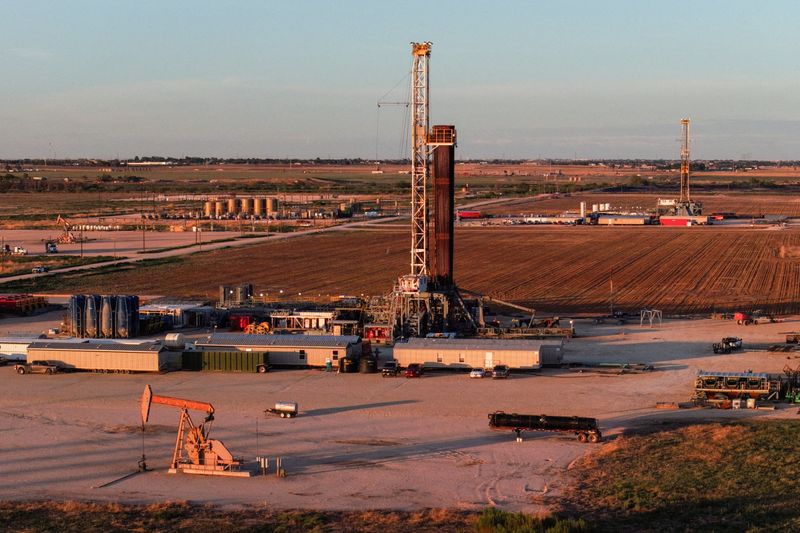
- Energy and Defense Sector Revival: The escalating conflict around Iran and the Strait of Hormuz has pushed oil prices higher, reviving interest in large-cap energy producers, reflecting a renewed focus on traditional energy investments.
- Strong AI Infrastructure Performance: Despite fears in the AI sector, earnings leaders in AI infrastructure continue to deliver impressive results, indicating that high-quality assets remain attractive even in a volatile market.
Trade with 70% Backtested Accuracy
Stop guessing "Should I Buy AVGO?" and start using high-conviction signals backed by rigorous historical data.
Sign up today to access powerful investing tools and make smarter, data-driven decisions.
Analyst Views on AVGO
Wall Street analysts forecast AVGO stock price to rise
30 Analyst Rating
29 Buy
1 Hold
0 Sell
Strong Buy
Current: 412.560

Low
370.00
Averages
457.75
High
525.00
Current: 412.560
Low
370.00
Averages
457.75
High
525.00
About AVGO
Broadcom Inc. is a global technology firm that designs, develops, and supplies a range of semiconductors, enterprise software and security solutions. The Company operates through two segments: semiconductor solutions and infrastructure software. Its semiconductor solutions segment includes all of its product lines and intellectual property (IP) licensing. It provides a variety of radio frequency semiconductor devices, wireless connectivity solutions, custom touch controllers, and inductive charging solutions for mobile applications. Its infrastructure software segment includes its private and hybrid cloud, application development and delivery, software-defined edge, application networking and security, mainframe, distributed and cybersecurity solutions, and its FC SAN business. It provides a portfolio of software solutions that enable customers to plan, develop, automate, manage and secure applications across mainframe, distributed, mobile and cloud platforms.
About the author

Emily J. Thompson
Emily J. Thompson, a Chartered Financial Analyst (CFA) with 12 years in investment research, graduated with honors from the Wharton School. Specializing in industrial and technology stocks, she provides in-depth analysis for Intellectia’s earnings and market brief reports.

Proact IT Group Reports 45% EBITDA Growth in Q1 2026

- Strong Financial Performance: Proact IT Group AB reported a 45% increase in EBITDA for Q1 2026, primarily driven by internal cost reductions and rising memory prices, enhancing the company's profitability and market competitiveness.
- Diversified Customer Base: The company has a diversified customer base across various sectors, reducing dependency on any single industry and providing a stable risk profile, which strengthens its resilience in uncertain market conditions.
- Consistent Growth Trend: Proact IT has shown a 30% revenue increase since 2021, indicating a successful growth strategy that is likely to continue attracting investor interest in the future.
- Enhanced Shareholder Value: The company's strong cash position allows for increased dividends and share buyback programs, further enhancing shareholder value, despite challenges in managed cloud services revenue decline.
See More
Broadcom's Stock Rises Post-VMware Acquisition

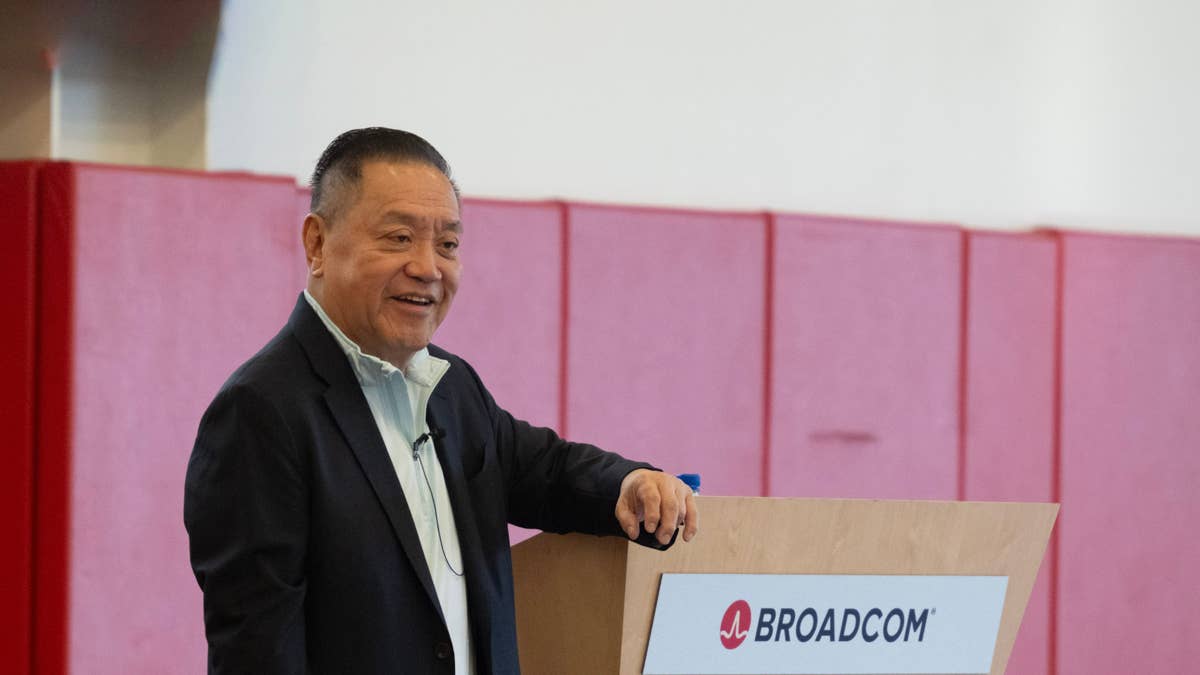
- Strong Stock Performance: Broadcom's stock has surged by 22.64% over the past month, significantly outperforming the S&P 500's 9.11% increase during the same period, indicating strong market confidence in its growth potential.
- Strategic Partnership Expansion: The company has extended its partnerships with Google and Anthropic as of April 6, while also continuing its collaboration with Meta through 2029, which is expected to enhance its technology applications and market share in the AI sector.
- New Product Launch: On May 5, Broadcom unveiled VMware Cloud Foundation 9.1, aimed at reducing infrastructure costs for AI workloads, with anticipated reductions of 40% in server costs and 39% in total storage ownership costs, thereby improving operational efficiency for enterprises.
- Financial Performance Analysis: Broadcom reported total revenue of $19.3 billion in Q1, with semiconductor solutions contributing $12.5 billion, showcasing its strong performance in high-margin sectors and further solidifying its market leadership.
See More

Tech Stocks Propel S&P 500 Growth Amid AI Boom

- Surge in AI Infrastructure Investment: Tech giants like Amazon, Alphabet, Microsoft, and Meta plan to invest nearly $700 billion in AI infrastructure by 2026 to meet current customer commitments, which will drive future revenue growth for these companies.
- Strong Demand for Cloud Services: Amazon forecasts capital spending of $200 billion in 2023 to support its AWS customers, indicating that the cloud services market's ongoing expansion will yield substantial profits for the company.
- Valuation Discounts for AI Stocks: According to Morningstar, AI stocks are currently trading at their largest discount in seven years, attracting investor interest in the growth potential of these infrastructure companies, which is expected to boost market performance.
- Earnings Growth Expectations: Strong performances from Alphabet, Amazon, and Meta have pushed S&P 500 earnings growth to over 27%, the highest level since 2021, demonstrating the positive impact of AI technology on corporate profitability.
See More

Tech Giants to Invest $700 Billion in AI by 2026
- AI Infrastructure Investment: Tech giants like Amazon, Alphabet, Microsoft, and Meta plan to invest nearly $700 billion in AI infrastructure by 2026, a massive investment that not only meets current customer demands but also drives future revenue growth.
- Surge in Cloud Services Demand: Amazon forecasts capital spending of $200 billion this year to support its AWS customers, indicating a rapid increase in demand for cloud services, which is expected to significantly boost the company's revenue.
- Industry Profit Growth: Alphabet, Amazon, and Meta have propelled S&P 500 earnings growth to over 27%, the highest level since 2021, demonstrating the positive impact of AI technology on corporate profitability.
- AI Stock Valuation Decline: According to Morningstar, AI stocks are currently trading at their largest discount in seven years, providing a great opportunity for investors to enter the market, which is expected to attract more capital into the AI infrastructure sector.
See More

Alphabet Surpasses Nvidia in Market Cap Amid AI Boom


- Market Cap Milestone: Alphabet briefly surpassed Nvidia in after-hours trading with a market cap of $4.8 trillion, reflecting strong performance in the AI sector, particularly after a 160% stock price increase over the past year, which has significantly boosted market confidence in its future prospects.
- Cloud Business Surge: Google Cloud's backlog nearly doubled to $462 billion, with analysts attributing this growth primarily to a $200 billion deal with Anthropic, indicating Google's competitive edge and profitability in AI infrastructure.
- Investment Concerns: Despite strong cloud performance, analysts express concerns over reliance on Anthropic, which could account for over 40% of future contracted revenue, reminiscent of Oracle's situation, potentially impacting investor confidence.
- Capital Expenditure Plans: Google projects capital expenditures of up to $190 billion for 2025, more than double that of 2024, with analysts noting that this spending will be crucial for sustained competition in AI, but it also introduces risks that need to be addressed at the upcoming Google I/O conference.
See More

Alphabet Briefly Surpasses Nvidia in Market Cap Amid AI Optimism
- Market Cap Shift: Alphabet briefly surpassed Nvidia in after-hours trading, reaching a market cap of $4.8 trillion, reflecting strong market confidence in its AI capabilities, particularly in cloud computing and proprietary models.
- Cloud Growth Surge: Alphabet's cloud backlog nearly doubled to $462 billion, indicating robust growth potential in AI-related businesses, with analysts suggesting this will provide a solid foundation for future revenue increases.
- Investor Confidence: JPMorgan named Alphabet as their “top overall pick” in the tech sector, highlighting its leading position in the AI market and profitability, signaling optimistic expectations for its future performance.
- Risk Warning: Despite the market's optimism, analysts express concerns over Anthropic's $200 billion cloud commitment, which could represent over 40% of Alphabet's future contracted revenue, cautioning investors about potential concentration risks.
See More
Proact IT Group Reports 45% EBITDA Growth in Q1 2026
- Strong Financial Performance: Proact IT Group AB reported a 45% increase in EBITDA for Q1 2026, primarily driven by internal cost reductions and rising memory prices, enhancing the company's profitability and market competitiveness.
- Diversified Customer Base: The company has a diversified customer base across various sectors, reducing dependency on any single industry and providing a stable risk profile, which strengthens its resilience in uncertain market conditions.
- Consistent Growth Trend: Proact IT has shown a 30% revenue increase since 2021, indicating a successful growth strategy that is likely to continue attracting investor interest in the future.
- Enhanced Shareholder Value: The company's strong cash position allows for increased dividends and share buyback programs, further enhancing shareholder value, despite challenges in managed cloud services revenue decline.
See More
Broadcom's Stock Rises Post-VMware Acquisition
- Strong Stock Performance: Broadcom's stock has surged by 22.64% over the past month, significantly outperforming the S&P 500's 9.11% increase during the same period, indicating strong market confidence in its growth potential.
- Strategic Partnership Expansion: The company has extended its partnerships with Google and Anthropic as of April 6, while also continuing its collaboration with Meta through 2029, which is expected to enhance its technology applications and market share in the AI sector.
- New Product Launch: On May 5, Broadcom unveiled VMware Cloud Foundation 9.1, aimed at reducing infrastructure costs for AI workloads, with anticipated reductions of 40% in server costs and 39% in total storage ownership costs, thereby improving operational efficiency for enterprises.
- Financial Performance Analysis: Broadcom reported total revenue of $19.3 billion in Q1, with semiconductor solutions contributing $12.5 billion, showcasing its strong performance in high-margin sectors and further solidifying its market leadership.
See More
Tech Stocks Propel S&P 500 Growth Amid AI Boom
- Surge in AI Infrastructure Investment: Tech giants like Amazon, Alphabet, Microsoft, and Meta plan to invest nearly $700 billion in AI infrastructure by 2026 to meet current customer commitments, which will drive future revenue growth for these companies.
- Strong Demand for Cloud Services: Amazon forecasts capital spending of $200 billion in 2023 to support its AWS customers, indicating that the cloud services market's ongoing expansion will yield substantial profits for the company.
- Valuation Discounts for AI Stocks: According to Morningstar, AI stocks are currently trading at their largest discount in seven years, attracting investor interest in the growth potential of these infrastructure companies, which is expected to boost market performance.
- Earnings Growth Expectations: Strong performances from Alphabet, Amazon, and Meta have pushed S&P 500 earnings growth to over 27%, the highest level since 2021, demonstrating the positive impact of AI technology on corporate profitability.
See More
Tech Giants to Invest $700 Billion in AI by 2026
- AI Infrastructure Investment: Tech giants like Amazon, Alphabet, Microsoft, and Meta plan to invest nearly $700 billion in AI infrastructure by 2026, a massive investment that not only meets current customer demands but also drives future revenue growth.
- Surge in Cloud Services Demand: Amazon forecasts capital spending of $200 billion this year to support its AWS customers, indicating a rapid increase in demand for cloud services, which is expected to significantly boost the company's revenue.
- Industry Profit Growth: Alphabet, Amazon, and Meta have propelled S&P 500 earnings growth to over 27%, the highest level since 2021, demonstrating the positive impact of AI technology on corporate profitability.
- AI Stock Valuation Decline: According to Morningstar, AI stocks are currently trading at their largest discount in seven years, providing a great opportunity for investors to enter the market, which is expected to attract more capital into the AI infrastructure sector.
See More
Alphabet Surpasses Nvidia in Market Cap Amid AI Boom
- Market Cap Milestone: Alphabet briefly surpassed Nvidia in after-hours trading with a market cap of $4.8 trillion, reflecting strong performance in the AI sector, particularly after a 160% stock price increase over the past year, which has significantly boosted market confidence in its future prospects.
- Cloud Business Surge: Google Cloud's backlog nearly doubled to $462 billion, with analysts attributing this growth primarily to a $200 billion deal with Anthropic, indicating Google's competitive edge and profitability in AI infrastructure.
- Investment Concerns: Despite strong cloud performance, analysts express concerns over reliance on Anthropic, which could account for over 40% of future contracted revenue, reminiscent of Oracle's situation, potentially impacting investor confidence.
- Capital Expenditure Plans: Google projects capital expenditures of up to $190 billion for 2025, more than double that of 2024, with analysts noting that this spending will be crucial for sustained competition in AI, but it also introduces risks that need to be addressed at the upcoming Google I/O conference.
See More
Alphabet Briefly Surpasses Nvidia in Market Cap Amid AI Optimism
- Market Cap Shift: Alphabet briefly surpassed Nvidia in after-hours trading, reaching a market cap of $4.8 trillion, reflecting strong market confidence in its AI capabilities, particularly in cloud computing and proprietary models.
- Cloud Growth Surge: Alphabet's cloud backlog nearly doubled to $462 billion, indicating robust growth potential in AI-related businesses, with analysts suggesting this will provide a solid foundation for future revenue increases.
- Investor Confidence: JPMorgan named Alphabet as their “top overall pick” in the tech sector, highlighting its leading position in the AI market and profitability, signaling optimistic expectations for its future performance.
- Risk Warning: Despite the market's optimism, analysts express concerns over Anthropic's $200 billion cloud commitment, which could represent over 40% of Alphabet's future contracted revenue, cautioning investors about potential concentration risks.
See More