Wall Street Focuses on Earnings and Commodity Prices
Written by Emily J. Thompson, Senior Investment Analyst
Updated: Jan 29 2026
0mins

Should l Buy META?
Source: stocktwits
- Earnings Impact: Meta's strong sales forecast and $100 billion AI investment plan drove its stock up in after-hours trading, while Microsoft fell due to slowing cloud growth and soft margin guidance, indicating a divergence in market sentiment towards tech stocks.
- Commodity Market Fluctuations: Gold prices nearing $5600 and silver surpassing $120 reflect investors' demand for safe-haven assets amid economic uncertainty, simultaneously boosting trading volumes in related ETFs like GLD and SLV.
- Market Sentiment: Despite Nasdaq and S&P 500 futures rising by 0.4% and 0.3% respectively, retail sentiment towards SPY and QQQ remains extremely bearish, suggesting ongoing investor concerns about market outlook.
- Upcoming Earnings Reports: Investors are keenly awaiting Apple's earnings report, particularly for insights on iPhone demand and AI roadmap updates, while Western Digital and SanDisk are also set to report today, potentially impacting the data storage sector.
Trade with 70% Backtested Accuracy
Stop guessing "Should I Buy META?" and start using high-conviction signals backed by rigorous historical data.
Sign up today to access powerful investing tools and make smarter, data-driven decisions.
Analyst Views on META
Wall Street analysts forecast META stock price to rise
44 Analyst Rating
37 Buy
6 Hold
1 Sell
Strong Buy
Current: 616.810

Low
655.15
Averages
824.71
High
1117
Current: 616.810
Low
655.15
Averages
824.71
High
1117
About META
Meta Platforms, Inc. is building human connections, powered by artificial intelligence and immersive technologies. The Company's products enable people to connect and share with friends and family through mobile devices, personal computers, virtual reality (VR) and mixed reality (MR) headsets, augmented reality (AR), and wearables. It also helps people discover and learn about what is going on in the world around them, enabling people to share their experiences, ideas, photos, videos, and other content with audiences ranging from their closest family members and friends to the public at large. The Company's segments include Family of Apps (FoA) and Reality Labs (RL). FoA segment includes Facebook, Instagram, Messenger, WhatsApp and Threads. RL segment includes its virtual, augmented, and mixed reality related consumer hardware, software and content. Its product offerings in VR include its Meta Quest devices, as well as software and content available through the Meta Horizon Store.
About the author

Emily J. Thompson
Emily J. Thompson, a Chartered Financial Analyst (CFA) with 12 years in investment research, graduated with honors from the Wharton School. Specializing in industrial and technology stocks, she provides in-depth analysis for Intellectia’s earnings and market brief reports.

Mukesh Ambani's Jio Platforms Shifts to Pure Fundraise for Mumbai Listing

- Funding Strategy Shift: Indian billionaire Mukesh Ambani's Reliance Jio Platforms has pivoted to focus solely on fundraising for its upcoming Mumbai listing, indicating the company's adaptive strategy in response to market uncertainties.
- Market Environment Impact: Given the uncertainty in West Asia, investors have opted to remain invested in Jio rather than using the IPO as an exit opportunity, reflecting confidence in the company and expectations for future growth.
- Investor Background: Jio Platforms, the world's second-largest telecom company by users after China Mobile, counts prominent investors such as Meta, Google, and Vista Equity Partners, showcasing its strong market position and appeal.
- Strategic Implications: This shift in fundraising strategy not only strengthens the company's capital structure but may also provide funding for future expansions and technological investments, further solidifying its leadership in the competitive telecom market.
See More

AI Revolution Reshapes Executive Decision-Making and HR Roles

- Rise of CAIO Role: According to IBM's latest report, 76% of surveyed organizations have established the role of Chief AI Officer (CAIO), a significant increase from 26% in 2025, indicating a growing emphasis on AI transformation within companies.
- Growing HR Influence: 59% of respondents expect the influence of Chief Human Resources Officers (CHRO) to increase, highlighting the importance of AI in talent management and training, as firms must address employee AI literacy to overcome cultural challenges.
- Ambiguity in Tech Roles: As AI matures, the responsibilities of roles like Chief Technology Officer and Chief Information Officer have become blurred, prompting companies to establish CAIO positions to tackle infrastructure and governance challenges in AI implementation, ensuring effective transformation.
- Layoff Trends and Opportunities: Over 101,000 tech employees have been laid off globally, yet Bain & Company's report suggests that software-as-a-service firms could achieve nearly $100 billion in margins by automating coordination work, indicating that AI-driven transformations also present new business opportunities.
See More

IBM Report: 76% of Companies Appoint AI Officers
- Trend of AI Officer Appointments: IBM's recent report reveals that 76% of surveyed companies have established a Chief AI Officer (CAIO) role, a significant increase from 26% in 2025, indicating a growing emphasis on AI transformation that could reshape organizational structures and decision-making processes.
- Growing HR Influence: The report also highlights that 59% of respondents expect the influence of Chief Human Resources Officers (CHROs) to increase, suggesting that in the context of AI proliferation, the strategic roles of talent management and training are becoming increasingly vital as companies face cultural challenges.
- Ambiguity in AI Governance: As AI technology matures, the delineation of AI responsibilities at the executive level has become unclear, with existing roles like Chief Technology Officer and Chief Information Officer complicating governance, prompting firms to establish dedicated CAIO offices to address these complexities.
- Layoffs and AI Impact: Over 101,000 tech employees have been laid off globally due to the rise of AI technologies, with analysts warning that this trend may continue; however, Bain & Company's report suggests that software-as-a-service firms could save nearly $100 billion in labor costs through automation, redirecting spending towards software.
See More
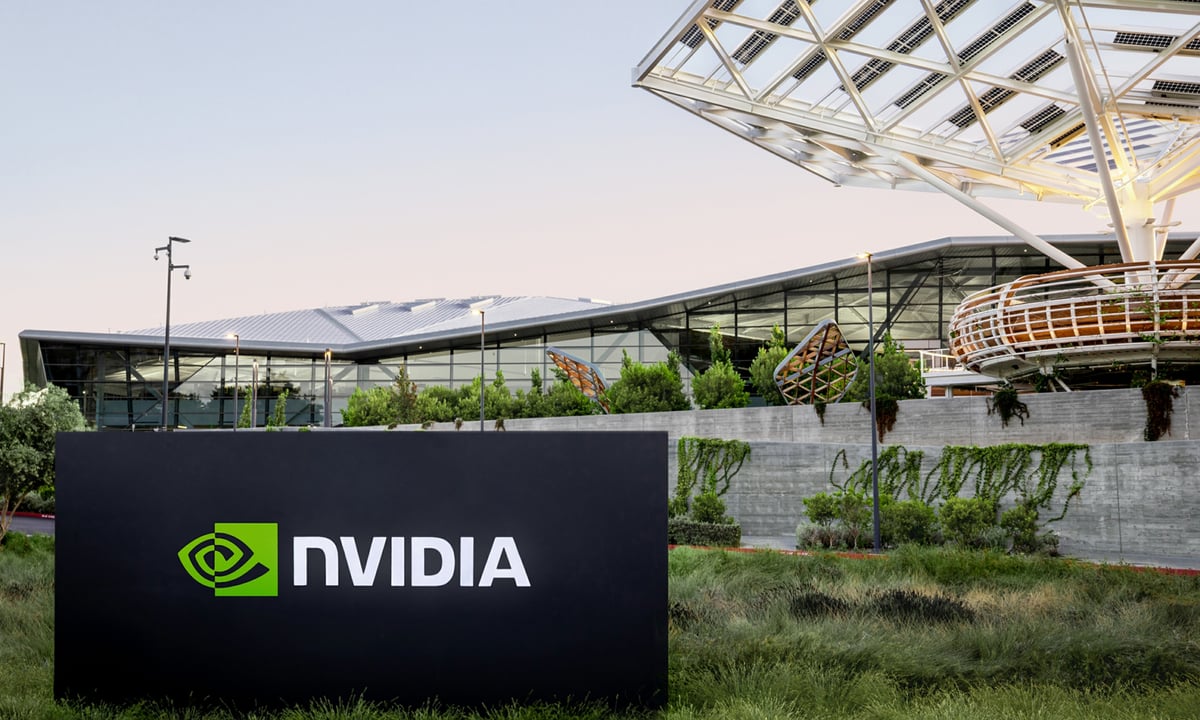
Nvidia: The Leader in the AI Gold Rush

- Significant Revenue Growth: Nvidia's revenue for the full year 2025 reached $130 billion, surpassing the GDP of over 100 countries and representing a 2,500% increase from its 2016 revenue of $5 billion, highlighting its strong demand and leadership in the AI market.
- Market Cap Surge: Nvidia's market cap skyrocketed from approximately $20 billion in 2016 to over $5 trillion today, marking a staggering 27,000% increase over the decade, reflecting investor confidence in its future growth potential.
- Outstanding Stock Performance: An investment of $5,000 in Nvidia a decade ago would have turned an investor into a millionaire today, outperforming nearly all other megacap tech stocks during the same period, showcasing its exceptional investment returns.
- Reasonable Valuation: Despite Nvidia's stock trading at about 24 times forward earnings, slightly above the tech average of 22.7, its valuation is considered reasonable in the context of strong AI market tailwinds, indicating potential for future growth.
See More

Nvidia's Revenue Grows 2500% Over Decade
- Significant Revenue Growth: Nvidia's full-year revenue for 2025 reached $130 billion, representing a 2500% increase from $5 billion in 2016, surpassing the GDPs of over 100 countries and showcasing its dominant market position in AI.
- Market Cap Surge: Since 2016, Nvidia's market cap skyrocketed from approximately $20 billion to over $5 trillion, marking a staggering 27,000% increase and establishing it as the world's highest-valued company, reflecting strong investor confidence in its growth potential.
- Clear Technological Advantage: Nvidia is widely regarded as the leading
See More

Broadcom's Stock Rises Post-VMware Acquisition

- Strong Stock Performance: Broadcom's stock has surged by 22.64% over the past month, significantly outperforming the S&P 500's 9.11% increase during the same period, indicating strong market confidence in its growth potential.
- Strategic Partnership Expansion: The company has extended its partnerships with Google and Anthropic as of April 6, while also continuing its collaboration with Meta through 2029, which is expected to enhance its technology applications and market share in the AI sector.
- New Product Launch: On May 5, Broadcom unveiled VMware Cloud Foundation 9.1, aimed at reducing infrastructure costs for AI workloads, with anticipated reductions of 40% in server costs and 39% in total storage ownership costs, thereby improving operational efficiency for enterprises.
- Financial Performance Analysis: Broadcom reported total revenue of $19.3 billion in Q1, with semiconductor solutions contributing $12.5 billion, showcasing its strong performance in high-margin sectors and further solidifying its market leadership.
See More
Mukesh Ambani's Jio Platforms Shifts to Pure Fundraise for Mumbai Listing
- Funding Strategy Shift: Indian billionaire Mukesh Ambani's Reliance Jio Platforms has pivoted to focus solely on fundraising for its upcoming Mumbai listing, indicating the company's adaptive strategy in response to market uncertainties.
- Market Environment Impact: Given the uncertainty in West Asia, investors have opted to remain invested in Jio rather than using the IPO as an exit opportunity, reflecting confidence in the company and expectations for future growth.
- Investor Background: Jio Platforms, the world's second-largest telecom company by users after China Mobile, counts prominent investors such as Meta, Google, and Vista Equity Partners, showcasing its strong market position and appeal.
- Strategic Implications: This shift in fundraising strategy not only strengthens the company's capital structure but may also provide funding for future expansions and technological investments, further solidifying its leadership in the competitive telecom market.
See More
AI Revolution Reshapes Executive Decision-Making and HR Roles
- Rise of CAIO Role: According to IBM's latest report, 76% of surveyed organizations have established the role of Chief AI Officer (CAIO), a significant increase from 26% in 2025, indicating a growing emphasis on AI transformation within companies.
- Growing HR Influence: 59% of respondents expect the influence of Chief Human Resources Officers (CHRO) to increase, highlighting the importance of AI in talent management and training, as firms must address employee AI literacy to overcome cultural challenges.
- Ambiguity in Tech Roles: As AI matures, the responsibilities of roles like Chief Technology Officer and Chief Information Officer have become blurred, prompting companies to establish CAIO positions to tackle infrastructure and governance challenges in AI implementation, ensuring effective transformation.
- Layoff Trends and Opportunities: Over 101,000 tech employees have been laid off globally, yet Bain & Company's report suggests that software-as-a-service firms could achieve nearly $100 billion in margins by automating coordination work, indicating that AI-driven transformations also present new business opportunities.
See More
IBM Report: 76% of Companies Appoint AI Officers
- Trend of AI Officer Appointments: IBM's recent report reveals that 76% of surveyed companies have established a Chief AI Officer (CAIO) role, a significant increase from 26% in 2025, indicating a growing emphasis on AI transformation that could reshape organizational structures and decision-making processes.
- Growing HR Influence: The report also highlights that 59% of respondents expect the influence of Chief Human Resources Officers (CHROs) to increase, suggesting that in the context of AI proliferation, the strategic roles of talent management and training are becoming increasingly vital as companies face cultural challenges.
- Ambiguity in AI Governance: As AI technology matures, the delineation of AI responsibilities at the executive level has become unclear, with existing roles like Chief Technology Officer and Chief Information Officer complicating governance, prompting firms to establish dedicated CAIO offices to address these complexities.
- Layoffs and AI Impact: Over 101,000 tech employees have been laid off globally due to the rise of AI technologies, with analysts warning that this trend may continue; however, Bain & Company's report suggests that software-as-a-service firms could save nearly $100 billion in labor costs through automation, redirecting spending towards software.
See More
Nvidia: The Leader in the AI Gold Rush
- Significant Revenue Growth: Nvidia's revenue for the full year 2025 reached $130 billion, surpassing the GDP of over 100 countries and representing a 2,500% increase from its 2016 revenue of $5 billion, highlighting its strong demand and leadership in the AI market.
- Market Cap Surge: Nvidia's market cap skyrocketed from approximately $20 billion in 2016 to over $5 trillion today, marking a staggering 27,000% increase over the decade, reflecting investor confidence in its future growth potential.
- Outstanding Stock Performance: An investment of $5,000 in Nvidia a decade ago would have turned an investor into a millionaire today, outperforming nearly all other megacap tech stocks during the same period, showcasing its exceptional investment returns.
- Reasonable Valuation: Despite Nvidia's stock trading at about 24 times forward earnings, slightly above the tech average of 22.7, its valuation is considered reasonable in the context of strong AI market tailwinds, indicating potential for future growth.
See More
Nvidia's Revenue Grows 2500% Over Decade
- Significant Revenue Growth: Nvidia's full-year revenue for 2025 reached $130 billion, representing a 2500% increase from $5 billion in 2016, surpassing the GDPs of over 100 countries and showcasing its dominant market position in AI.
- Market Cap Surge: Since 2016, Nvidia's market cap skyrocketed from approximately $20 billion to over $5 trillion, marking a staggering 27,000% increase and establishing it as the world's highest-valued company, reflecting strong investor confidence in its growth potential.
- Clear Technological Advantage: Nvidia is widely regarded as the leading
See More
Broadcom's Stock Rises Post-VMware Acquisition
- Strong Stock Performance: Broadcom's stock has surged by 22.64% over the past month, significantly outperforming the S&P 500's 9.11% increase during the same period, indicating strong market confidence in its growth potential.
- Strategic Partnership Expansion: The company has extended its partnerships with Google and Anthropic as of April 6, while also continuing its collaboration with Meta through 2029, which is expected to enhance its technology applications and market share in the AI sector.
- New Product Launch: On May 5, Broadcom unveiled VMware Cloud Foundation 9.1, aimed at reducing infrastructure costs for AI workloads, with anticipated reductions of 40% in server costs and 39% in total storage ownership costs, thereby improving operational efficiency for enterprises.
- Financial Performance Analysis: Broadcom reported total revenue of $19.3 billion in Q1, with semiconductor solutions contributing $12.5 billion, showcasing its strong performance in high-margin sectors and further solidifying its market leadership.
See More