Viper Energy Upgraded to Buy by Jefferies with $55 Target
Written by Emily J. Thompson, Senior Investment Analyst
Updated: Apr 13 2026
0mins
Source: seekingalpha
- Rating Upgrade: Jefferies upgraded Viper Energy (VNOM) from Hold to Buy with a price target raised from $43 to $55, indicating the company is well-positioned to capitalize on the rising oil price environment and increasing inflationary pressures.
- Attractive Valuation: Analysts noted that Viper Energy's current valuation at approximately 7.4x earnings makes it relatively cheap following Diamondback Energy (FANG) share sales, which could attract more investor interest in the stock.
- Buyback Plans: Viper Energy is projected to execute its largest stock buyback in 2026, having already repurchased around $216 million worth of shares in Q1, showcasing strong capital management capabilities and potential for continued buybacks in Q2.
- Market Environment: As a royalty owner with no capital commitments, Viper Energy historically outperforms in inflationary service environments, and is expected to benefit from both rising oil prices and increased production volumes, further solidifying its market position in the Permian region.
Trade with 70% Backtested Accuracy
Stop guessing "Should I Buy VNOM?" and start using high-conviction signals backed by rigorous historical data.
Sign up today to access powerful investing tools and make smarter, data-driven decisions.
Analyst Views on VNOM
Wall Street analysts forecast VNOM stock price to rise
11 Analyst Rating
11 Buy
0 Hold
0 Sell
Strong Buy
Current: 43.360

Low
41.00
Averages
50.80
High
64.00
Current: 43.360
Low
41.00
Averages
50.80
High
64.00
About VNOM
Viper Energy, Inc. owns, acquires and exploits oil and natural gas properties in North America, with a focus on owning and acquiring mineral and royalty interests in oil-weighted basins, primarily the Permian Basin. The Company owns approximately 85,700 net royalty acres in the Permian Basin.
About the author

Emily J. Thompson
Emily J. Thompson, a Chartered Financial Analyst (CFA) with 12 years in investment research, graduated with honors from the Wharton School. Specializing in industrial and technology stocks, she provides in-depth analysis for Intellectia’s earnings and market brief reports.
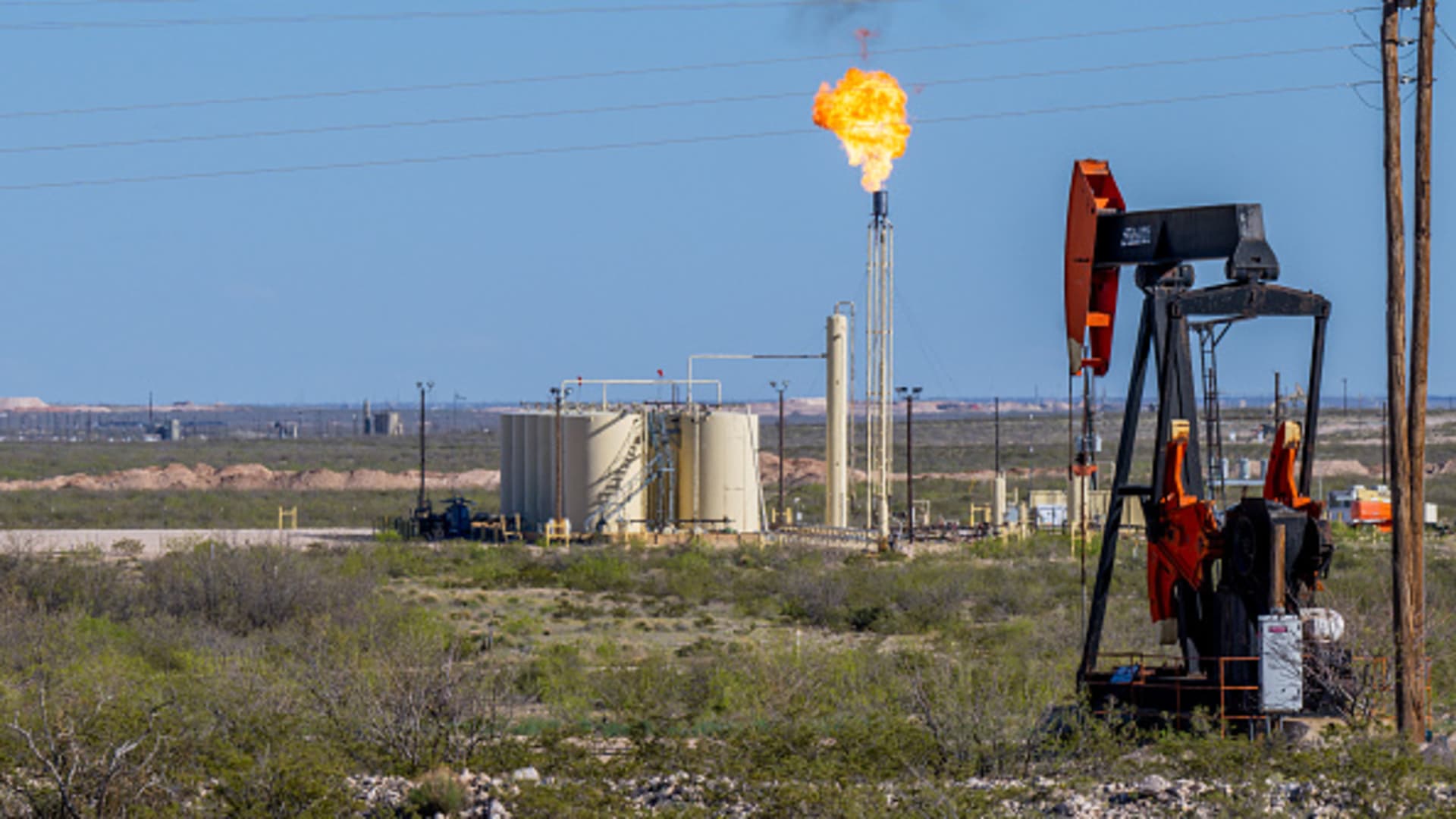
Analysis of Energy Market Choices for 2026


- Company Size Comparison: ConocoPhillips, one of the world's largest independent oil exploration companies, achieved $61.6 billion in revenue for FY 2025, an 8% increase, showcasing its strong competitive position in global markets, while Viper Energy, focusing on mineral and royalty interests, reported nearly $1.4 billion in revenue with a 62% growth but faced a net loss of $68 million, highlighting the fragility of its business model.
- Financial Health Status: ConocoPhillips reported a net income of approximately $8 billion with a net margin of 13%, despite a decline from 16.2% in 2024, and a debt-to-equity ratio of 0.4 indicates a moderate level of borrowing that ensures operational stability; in contrast, Viper Energy's free cash flow was close to negative $1.3 billion, indicating severe financial challenges.
- Risk Analysis: ConocoPhillips faces significant risks from commodity price volatility, particularly sensitivity to crude oil and natural gas prices, alongside regulatory pressures regarding climate change and potential legal litigation; meanwhile, Viper Energy is heavily dependent on Diamondback Energy's operations, where any delays directly impact its royalty revenues, and new environmental regulations may force production cuts.
- Valuation Comparison: ConocoPhillips has a forward P/E of 10.6, indicating relative value, while Viper Energy's P/S ratio stands at 4.1, reflecting its growth potential; in an uncertain market environment, ConocoPhillips's scale and relative value make it more attractive for 2026, especially with its $3.30 per share dividend payout capability.
See More
Analysis of Energy Stock Investment Choices
- Financial Performance: ConocoPhillips achieved $61.6 billion in revenue for FY 2025, marking an 8% increase, with a net income of approximately $8 billion and a net margin of 13%, despite a decline from 16.2% in 2024, indicating its stability and profitability in global markets.
- Capital Structure Analysis: As of December 2025, ConocoPhillips had a debt-to-equity ratio of about 0.4, suggesting a moderate borrowing strategy for operational funding, while its free cash flow was close to $7.2 billion, enhancing financial flexibility.
- Viper Energy Business Model: Viper Energy, primarily reliant on Diamondback Energy, reported nearly $1.4 billion in revenue for FY 2025, a 62% increase, but faced a net loss of $68 million, reflecting challenges in mineral rights income and market volatility risks.
- Market Outlook Comparison: In an uncertain market environment, ConocoPhillips' scale and relative value make it a more attractive investment choice for 2026, particularly with its $3.30 per share dividend payment, demonstrating a commitment to shareholder returns and stability.
See More

Comparative Analysis of Gulfport and Viper Energy

- Gulfport Energy Growth: Gulfport Energy reported approximately $1.3 billion in revenue for FY 2025, reflecting a 43% year-over-year increase, with net income nearing $427.8 million and a net margin of about 32.3%, indicating strong performance in the natural gas and oil markets.
- Viper Energy Model: Viper Energy achieved nearly $1.4 billion in revenue for FY 2025, a 57% increase year-over-year, but reported a net loss of approximately $69 million, resulting in a negative net margin of -5.1%, highlighting challenges in its reliance on partner production.
- Financial Health Comparison: As of December 2025, Gulfport's debt-to-equity ratio stood at approximately 0.4 with a current ratio of about 0.7, while Viper's debt-to-equity ratio was around 0.5 with a current ratio of 3.7, showcasing significant differences in their financial structures.
- Future Outlook: Gulfport is expected to see a 20% increase in earnings per share to around $26 in 2026, and while neither company pays dividends, Gulfport's profitability and value appeal make it more attractive to investors.
See More

Investment Comparison: Gulfport vs. Viper Energy
- Gulfport Energy Growth: Gulfport Energy reported approximately $1.3 billion in revenue for FY 2025, reflecting a 43% year-over-year increase, with a net income of nearly $427.8 million and a net margin of about 32.3%, showcasing its strong performance in the natural gas and oil markets.
- Viper Energy Challenges: Despite Viper Energy achieving nearly $1.4 billion in revenue for FY 2025, a 57% increase, it reported a net loss of approximately $69 million, resulting in a negative net margin of -5.1%, indicating risks associated with its reliance on partner production activities.
- Financial Health Comparison: As of December 2025, Gulfport's debt-to-equity ratio stood at approximately 0.4, with a current ratio of about 0.7, indicating financial stability; in contrast, Viper's debt-to-equity ratio was 0.5, with a high current ratio of 3.7, reflecting strong short-term debt coverage but a free cash flow of -$1.3 billion, highlighting investment pressures.
- Investment Value Assessment: Gulfport's forward P/E ratio of 7.1x is significantly lower than Viper's 21.3x, suggesting that Gulfport may represent a more value-oriented investment choice, particularly in the context of fluctuating oil and gas prices.
See More

Major Wall Street Rating Changes Overview


- Dell Upgrade: Susquehanna upgraded Dell from neutral to positive, citing increased confidence in a sustainable 8-10% operating margin and a 6% free cash flow margin, which supports a potential rerating of its EV/sales multiple to 3x, indicating strong market potential.
- Viper Energy Initiation: RBC initiated coverage of Viper Energy with an Outperform rating and a $58 price target, highlighting its advantages in scale and core Permian focus, positioning it as a best-in-class mineral and royalty company.
- SentinelOne Buy Rating: Bank of America upgraded SentinelOne from neutral to buy, viewing its solid quarterly performance as a strong entry point after an 18% decline in after-hours trading, reflecting confidence in its future growth prospects.
- XPeng Upgrade: Macquarie upgraded XPeng from neutral to outperform, noting its volume growth in the Chinese EV market, while future investments in humanoids and robotaxis provide additional upside potential for its stock.
See More

Analysis of High-Risk, High-Reward Companies

- Torrid Underperformance: Torrid Holdings (NYSE:CURV) has shown weak same-store sales trends over the past two years, leading to a 2.2% decline in free cash flow margin, indicating a lack of expansion opportunities in its core markets and potential shareholder dilution risks.
- Boeing Growth Potential: Boeing (NYSE:BA) has experienced a 69.7% growth in unit sales over the past two years, with an estimated revenue growth of 10.6% for the next 12 months, and an impressive annual earnings per share growth of 47.6%, reflecting strong profitability and market demand.
- Viper Energy's Profitability: Viper Energy (NASDAQ:VNOM) has achieved a remarkable 36.8% annual revenue growth over the past decade, with a 6.4 percentage point improvement in EBITDA margin over the last five years, demonstrating its ability to scale efficiently.
- Market Risk Warning: Despite some companies showing growth potential, the risks of high debt and negative cash flow remain, necessitating cautious evaluation by investors regarding potential shareholder dilution and bankruptcy risks.
See More
Analysis of Energy Market Choices for 2026
- Company Size Comparison: ConocoPhillips, one of the world's largest independent oil exploration companies, achieved $61.6 billion in revenue for FY 2025, an 8% increase, showcasing its strong competitive position in global markets, while Viper Energy, focusing on mineral and royalty interests, reported nearly $1.4 billion in revenue with a 62% growth but faced a net loss of $68 million, highlighting the fragility of its business model.
- Financial Health Status: ConocoPhillips reported a net income of approximately $8 billion with a net margin of 13%, despite a decline from 16.2% in 2024, and a debt-to-equity ratio of 0.4 indicates a moderate level of borrowing that ensures operational stability; in contrast, Viper Energy's free cash flow was close to negative $1.3 billion, indicating severe financial challenges.
- Risk Analysis: ConocoPhillips faces significant risks from commodity price volatility, particularly sensitivity to crude oil and natural gas prices, alongside regulatory pressures regarding climate change and potential legal litigation; meanwhile, Viper Energy is heavily dependent on Diamondback Energy's operations, where any delays directly impact its royalty revenues, and new environmental regulations may force production cuts.
- Valuation Comparison: ConocoPhillips has a forward P/E of 10.6, indicating relative value, while Viper Energy's P/S ratio stands at 4.1, reflecting its growth potential; in an uncertain market environment, ConocoPhillips's scale and relative value make it more attractive for 2026, especially with its $3.30 per share dividend payout capability.
See More
Analysis of Energy Stock Investment Choices
- Financial Performance: ConocoPhillips achieved $61.6 billion in revenue for FY 2025, marking an 8% increase, with a net income of approximately $8 billion and a net margin of 13%, despite a decline from 16.2% in 2024, indicating its stability and profitability in global markets.
- Capital Structure Analysis: As of December 2025, ConocoPhillips had a debt-to-equity ratio of about 0.4, suggesting a moderate borrowing strategy for operational funding, while its free cash flow was close to $7.2 billion, enhancing financial flexibility.
- Viper Energy Business Model: Viper Energy, primarily reliant on Diamondback Energy, reported nearly $1.4 billion in revenue for FY 2025, a 62% increase, but faced a net loss of $68 million, reflecting challenges in mineral rights income and market volatility risks.
- Market Outlook Comparison: In an uncertain market environment, ConocoPhillips' scale and relative value make it a more attractive investment choice for 2026, particularly with its $3.30 per share dividend payment, demonstrating a commitment to shareholder returns and stability.
See More
Comparative Analysis of Gulfport and Viper Energy
- Gulfport Energy Growth: Gulfport Energy reported approximately $1.3 billion in revenue for FY 2025, reflecting a 43% year-over-year increase, with net income nearing $427.8 million and a net margin of about 32.3%, indicating strong performance in the natural gas and oil markets.
- Viper Energy Model: Viper Energy achieved nearly $1.4 billion in revenue for FY 2025, a 57% increase year-over-year, but reported a net loss of approximately $69 million, resulting in a negative net margin of -5.1%, highlighting challenges in its reliance on partner production.
- Financial Health Comparison: As of December 2025, Gulfport's debt-to-equity ratio stood at approximately 0.4 with a current ratio of about 0.7, while Viper's debt-to-equity ratio was around 0.5 with a current ratio of 3.7, showcasing significant differences in their financial structures.
- Future Outlook: Gulfport is expected to see a 20% increase in earnings per share to around $26 in 2026, and while neither company pays dividends, Gulfport's profitability and value appeal make it more attractive to investors.
See More
Investment Comparison: Gulfport vs. Viper Energy
- Gulfport Energy Growth: Gulfport Energy reported approximately $1.3 billion in revenue for FY 2025, reflecting a 43% year-over-year increase, with a net income of nearly $427.8 million and a net margin of about 32.3%, showcasing its strong performance in the natural gas and oil markets.
- Viper Energy Challenges: Despite Viper Energy achieving nearly $1.4 billion in revenue for FY 2025, a 57% increase, it reported a net loss of approximately $69 million, resulting in a negative net margin of -5.1%, indicating risks associated with its reliance on partner production activities.
- Financial Health Comparison: As of December 2025, Gulfport's debt-to-equity ratio stood at approximately 0.4, with a current ratio of about 0.7, indicating financial stability; in contrast, Viper's debt-to-equity ratio was 0.5, with a high current ratio of 3.7, reflecting strong short-term debt coverage but a free cash flow of -$1.3 billion, highlighting investment pressures.
- Investment Value Assessment: Gulfport's forward P/E ratio of 7.1x is significantly lower than Viper's 21.3x, suggesting that Gulfport may represent a more value-oriented investment choice, particularly in the context of fluctuating oil and gas prices.
See More
Major Wall Street Rating Changes Overview
- Dell Upgrade: Susquehanna upgraded Dell from neutral to positive, citing increased confidence in a sustainable 8-10% operating margin and a 6% free cash flow margin, which supports a potential rerating of its EV/sales multiple to 3x, indicating strong market potential.
- Viper Energy Initiation: RBC initiated coverage of Viper Energy with an Outperform rating and a $58 price target, highlighting its advantages in scale and core Permian focus, positioning it as a best-in-class mineral and royalty company.
- SentinelOne Buy Rating: Bank of America upgraded SentinelOne from neutral to buy, viewing its solid quarterly performance as a strong entry point after an 18% decline in after-hours trading, reflecting confidence in its future growth prospects.
- XPeng Upgrade: Macquarie upgraded XPeng from neutral to outperform, noting its volume growth in the Chinese EV market, while future investments in humanoids and robotaxis provide additional upside potential for its stock.
See More
Analysis of High-Risk, High-Reward Companies
- Torrid Underperformance: Torrid Holdings (NYSE:CURV) has shown weak same-store sales trends over the past two years, leading to a 2.2% decline in free cash flow margin, indicating a lack of expansion opportunities in its core markets and potential shareholder dilution risks.
- Boeing Growth Potential: Boeing (NYSE:BA) has experienced a 69.7% growth in unit sales over the past two years, with an estimated revenue growth of 10.6% for the next 12 months, and an impressive annual earnings per share growth of 47.6%, reflecting strong profitability and market demand.
- Viper Energy's Profitability: Viper Energy (NASDAQ:VNOM) has achieved a remarkable 36.8% annual revenue growth over the past decade, with a 6.4 percentage point improvement in EBITDA margin over the last five years, demonstrating its ability to scale efficiently.
- Market Risk Warning: Despite some companies showing growth potential, the risks of high debt and negative cash flow remain, necessitating cautious evaluation by investors regarding potential shareholder dilution and bankruptcy risks.
See More