Validea's Leading IT Stocks According to Joel Greenblatt - 8/18/2025


Top Rated IT Stocks: Validea's Earnings Yield Investor model highlights HP Inc., Western Digital Corp., MicroStrategy Inc., Cognizant Technology Solutions Corp., and Leidos Holdings Inc. as top-rated stocks based on Joel Greenblatt's investment strategy.
HP Inc. Overview: HP Inc. received a 100% rating, indicating strong interest due to its fundamentals in personal computing and printing solutions across various segments.
Western Digital Corp. Overview: With a 90% rating, Western Digital specializes in data storage devices and solutions, catering to diverse markets including cloud and consumer sectors.
MicroStrategy and Cognizant Ratings: Both MicroStrategy and Cognizant Technology Solutions scored 80%, focusing on software development and technology services, with MicroStrategy notably investing heavily in Bitcoin.
Trade with 70% Backtested Accuracy
Analyst Views on HPQ

About HPQ
About the author


Middle East Tensions Intensify Market Volatility


- Market Correction: Major indices, including the Dow Jones and Nasdaq, fell over 10% due to escalating geopolitical tensions in the Middle East, indicating a significant risk-off sentiment among investors.
- Surge in Oil Prices: The geopolitical instability has driven oil prices higher, exacerbating inflation fears and leading investors to anticipate a prolonged high-interest rate environment, which negatively impacts overall market sentiment.
- Stock Performance Decline: Companies like Pure Storage (NYSE:PSTG) fell 3.5%, WEBTOON (NASDAQ:WBTN) dropped 3.1%, and MSA Safety (NYSE:MSA) decreased by 3%, reflecting a broader trend of investors moving away from high-risk equities.
- Long-term Investment Opportunities: Despite Pure Storage's 17.5% decline year-to-date, a $1,000 investment five years ago would now be worth $2,725, suggesting that quality stocks may present buying opportunities amid market volatility.

Apple's Stock Struggles in 2023: Analysts Predict a Brighter Future.

- Stock Performance: Apple stock has faced challenges this year, marked by a series of four consecutive weekly declines.
- Analyst Optimism: Recent analyst reports highlight strong iPhone loyalty and the upcoming release of a new MacBook as positive indicators for the company's future.

Risks and Opportunities in Value Investing

- Energizer's Growth Challenges: Energizer (ENR) has a forward P/E ratio of 4.8x, and despite being one of the largest battery manufacturers globally, its organic sales growth has been sluggish at only 2.4% over the past two years, indicating a need for strategic adjustments or M&A to catalyze growth.
- Financial Leverage Risks: With a net debt-to-EBITDA ratio of 5x, Energizer is overleveraged, increasing the risk of shareholder dilution if circumstances worsen, which poses a significant risk to investors.
- HP's Market Challenges: HP (HPQ) trades at a forward P/E of 7x, with flat sales over the past five years and a 2.6% annual decline in earnings per share, indicating that its products and services are facing challenges in the current market cycle, leading to declining profitability.
- Sprouts' Growth Potential: Sprouts Farmers Market (SFM) trades at a forward P/E of 13.6x, with same-store sales growth averaging 7.5% over the past two years and projected revenue growth of 8.1% for the next 12 months, demonstrating strong momentum in the healthy living trend, making it a stock to watch.
Intel and AMD Stocks Surge Amid AI Demand


- Significant Stock Surge: AMD shares rose 7.3%, marking its best performance in a month, while Intel shares increased by 7.1%, the best in nearly two months, reflecting strong market expectations for AI processor demand.
- Price Increase Anticipation: Reports from Nikkei indicate that AMD and Intel have informed customers of planned CPU price hikes starting in March and April, with expected increases of 10% to 15%, further fueling optimism around both companies.
- Shifting Market Dynamics: With Arm Holding and Nvidia launching new CPUs targeting AI data centers, demand for CPUs is rising, and Evercore ISI notes that the need for CPUs in enterprise server refreshes and AI infrastructure is expected to drive more resilient demand.
- Improved Retail Investor Sentiment: On Stocktwits, retail sentiment for AMD shifted from 'bearish' to 'neutral', while Intel's sentiment improved from 'neutral' to 'bullish', indicating a recovery in investor confidence towards CPU manufacturers.
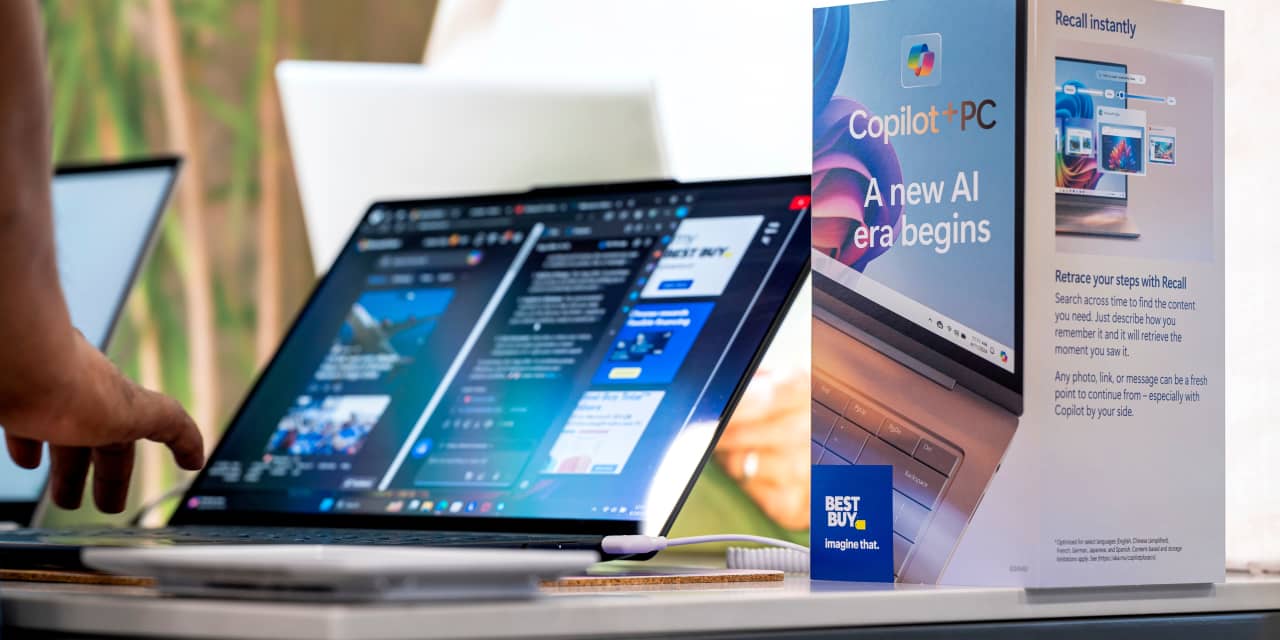
HP Prepares for the Next Phase of the AI Gold Rush
AI Market Trends: The market is currently focused on the AI boom, with semiconductor and software companies experiencing significant valuation increases as they build the digital infrastructure for this new era.
Sustainable Value Concerns: Following the initial surge in AI investments, there is a critical question regarding the sustainability of these valuations, prompting investors to seek more grounded entry points.
HP's Strategic Positioning: HP Inc. is positioning itself to capitalize on the AI trend by offering unique, value-driven investments in AI applications, while also focusing on hardware that supports intelligent business operations.
Investment Opportunities: Despite short-term market caution, HP's undervalued stock presents a compelling opportunity for investors looking for a high-yield entry point into the evolving AI landscape, supported by a strong dividend yield and a commitment to shareholder returns.
HP Unveils AI Devices Amid Deteriorating PC Market
- New Hardware Launch: At the Imagine event, HP introduced a lineup of high-powered workstations, AI PCs, and laptops aimed at enhancing hybrid work efficiency; however, these new devices failed to significantly improve market performance, reflecting the ongoing weakness in the PC sector.
- Deteriorating Market Outlook: Morgan Stanley analysts highlighted that the challenges facing HP and the broader PC industry are intensifying, including rising memory prices and shortages, CPU supply constraints, and price hikes, leading to a more pessimistic outlook for the next 12 months.
- Shipment Forecast Downgrade: Morgan Stanley revised its global PC shipment forecast from a previous expectation of flat to -5% year-over-year declines to a projected 16% decline, indicating a sharp drop in market demand, particularly evident in weakening notebook ODM builds.
- Rating and Price Target Maintained: Despite HP shares rising nearly 4% in Wednesday trading, Morgan Stanley maintained its Underweight rating and $16 price target on HP, reflecting a cautious stance on the company's future performance.
Middle East Tensions Intensify Market Volatility
- Market Correction: Major indices, including the Dow Jones and Nasdaq, fell over 10% due to escalating geopolitical tensions in the Middle East, indicating a significant risk-off sentiment among investors.
- Surge in Oil Prices: The geopolitical instability has driven oil prices higher, exacerbating inflation fears and leading investors to anticipate a prolonged high-interest rate environment, which negatively impacts overall market sentiment.
- Stock Performance Decline: Companies like Pure Storage (NYSE:PSTG) fell 3.5%, WEBTOON (NASDAQ:WBTN) dropped 3.1%, and MSA Safety (NYSE:MSA) decreased by 3%, reflecting a broader trend of investors moving away from high-risk equities.
- Long-term Investment Opportunities: Despite Pure Storage's 17.5% decline year-to-date, a $1,000 investment five years ago would now be worth $2,725, suggesting that quality stocks may present buying opportunities amid market volatility.
Apple's Stock Struggles in 2023: Analysts Predict a Brighter Future.
- Stock Performance: Apple stock has faced challenges this year, marked by a series of four consecutive weekly declines.
- Analyst Optimism: Recent analyst reports highlight strong iPhone loyalty and the upcoming release of a new MacBook as positive indicators for the company's future.
Risks and Opportunities in Value Investing
- Energizer's Growth Challenges: Energizer (ENR) has a forward P/E ratio of 4.8x, and despite being one of the largest battery manufacturers globally, its organic sales growth has been sluggish at only 2.4% over the past two years, indicating a need for strategic adjustments or M&A to catalyze growth.
- Financial Leverage Risks: With a net debt-to-EBITDA ratio of 5x, Energizer is overleveraged, increasing the risk of shareholder dilution if circumstances worsen, which poses a significant risk to investors.
- HP's Market Challenges: HP (HPQ) trades at a forward P/E of 7x, with flat sales over the past five years and a 2.6% annual decline in earnings per share, indicating that its products and services are facing challenges in the current market cycle, leading to declining profitability.
- Sprouts' Growth Potential: Sprouts Farmers Market (SFM) trades at a forward P/E of 13.6x, with same-store sales growth averaging 7.5% over the past two years and projected revenue growth of 8.1% for the next 12 months, demonstrating strong momentum in the healthy living trend, making it a stock to watch.
Intel and AMD Stocks Surge Amid AI Demand
- Significant Stock Surge: AMD shares rose 7.3%, marking its best performance in a month, while Intel shares increased by 7.1%, the best in nearly two months, reflecting strong market expectations for AI processor demand.
- Price Increase Anticipation: Reports from Nikkei indicate that AMD and Intel have informed customers of planned CPU price hikes starting in March and April, with expected increases of 10% to 15%, further fueling optimism around both companies.
- Shifting Market Dynamics: With Arm Holding and Nvidia launching new CPUs targeting AI data centers, demand for CPUs is rising, and Evercore ISI notes that the need for CPUs in enterprise server refreshes and AI infrastructure is expected to drive more resilient demand.
- Improved Retail Investor Sentiment: On Stocktwits, retail sentiment for AMD shifted from 'bearish' to 'neutral', while Intel's sentiment improved from 'neutral' to 'bullish', indicating a recovery in investor confidence towards CPU manufacturers.
HP Prepares for the Next Phase of the AI Gold Rush
AI Market Trends: The market is currently focused on the AI boom, with semiconductor and software companies experiencing significant valuation increases as they build the digital infrastructure for this new era.
Sustainable Value Concerns: Following the initial surge in AI investments, there is a critical question regarding the sustainability of these valuations, prompting investors to seek more grounded entry points.
HP's Strategic Positioning: HP Inc. is positioning itself to capitalize on the AI trend by offering unique, value-driven investments in AI applications, while also focusing on hardware that supports intelligent business operations.
Investment Opportunities: Despite short-term market caution, HP's undervalued stock presents a compelling opportunity for investors looking for a high-yield entry point into the evolving AI landscape, supported by a strong dividend yield and a commitment to shareholder returns.
HP Unveils AI Devices Amid Deteriorating PC Market
- New Hardware Launch: At the Imagine event, HP introduced a lineup of high-powered workstations, AI PCs, and laptops aimed at enhancing hybrid work efficiency; however, these new devices failed to significantly improve market performance, reflecting the ongoing weakness in the PC sector.
- Deteriorating Market Outlook: Morgan Stanley analysts highlighted that the challenges facing HP and the broader PC industry are intensifying, including rising memory prices and shortages, CPU supply constraints, and price hikes, leading to a more pessimistic outlook for the next 12 months.
- Shipment Forecast Downgrade: Morgan Stanley revised its global PC shipment forecast from a previous expectation of flat to -5% year-over-year declines to a projected 16% decline, indicating a sharp drop in market demand, particularly evident in weakening notebook ODM builds.
- Rating and Price Target Maintained: Despite HP shares rising nearly 4% in Wednesday trading, Morgan Stanley maintained its Underweight rating and $16 price target on HP, reflecting a cautious stance on the company's future performance.