

US-EU Tariff Decision on Aircraft Subsidies Remains Pending
Written by Emily J. Thompson, Senior Investment Analyst
Updated: 2 days ago
0mins
Source: Newsfilter
- Tariff Uncertainty: The United States and the European Union have yet to decide whether to continue suspending or reimpose tariffs on $11.5 billion worth of goods, with only days left before their truce expires, potentially escalating trade tensions.
- WTO Authorization: In 2019, the WTO authorized the U.S. to impose $7.5 billion in tariffs on EU goods, including cheese, while in 2020, it allowed the EU to retaliate with $4 billion in tariffs on U.S. imports, highlighting the intensifying conflict over subsidies.
- Suspension Agreement: On June 15, 2021, both sides agreed to suspend tariffs for five years, aiming to work towards an overarching agreement on large aircraft subsidies and countering investments from
Trade with 70% Backtested Accuracy
Stop guessing "Should I Buy BA?" and start using high-conviction signals backed by rigorous historical data.
Sign up today to access powerful investing tools and make smarter, data-driven decisions.
Analyst Views on BA
Wall Street analysts forecast BA stock price to rise
16 Analyst Rating
14 Buy
1 Hold
1 Sell
Strong Buy
Current: 221.630

Low
150.00
Averages
269.14
High
298.00
Current: 221.630
Low
150.00
Averages
269.14
High
298.00
About BA
The Boeing Company is an aerospace company. Its segments include Commercial Airplanes (BCA), Defense, Space & Security (BDS), and Global Services (BGS). Its BCA segment develops, produces and markets commercial jet aircraft principally for the commercial airline industry worldwide. Its family of commercial jet aircraft in production includes the 737 narrow-body model and the 767, 777 and 787 wide-body models. Its BDS segment is engaged in the research, development, production and modification of manned and unmanned military aircraft and weapons systems for strike, surveillance and mobility. Its BGS segment provides services to its commercial and defense customers worldwide. It sustains aerospace platforms and systems with a range of products and services, including supply chain and logistics management, engineering, maintenance and modifications, upgrades and conversions, spare parts, pilot and maintenance training systems and services, technical and maintenance documents, and others.
About the author

Emily J. Thompson
Emily J. Thompson, a Chartered Financial Analyst (CFA) with 12 years in investment research, graduated with honors from the Wharton School. Specializing in industrial and technology stocks, she provides in-depth analysis for Intellectia’s earnings and market brief reports.
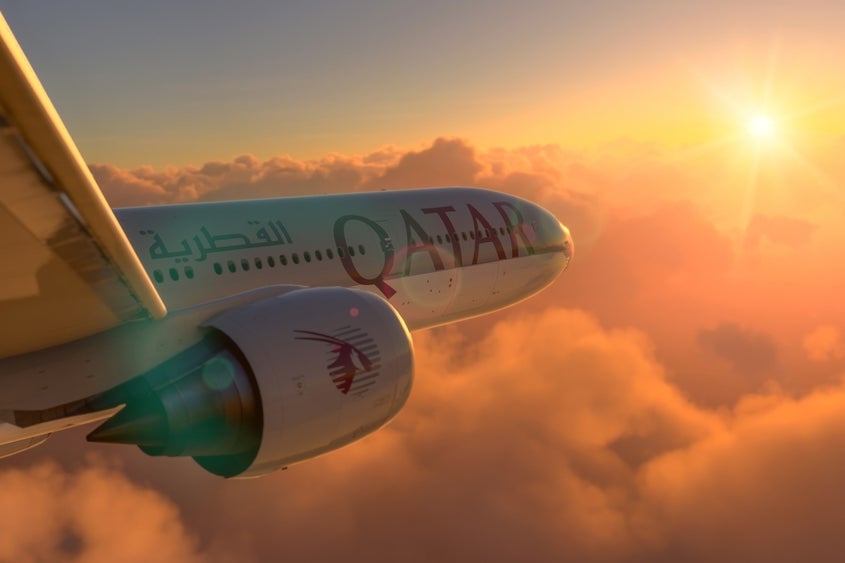
Air India to Defer Delivery of Hundreds of Jets Amid Cost-Cutting

- Delivery Deferral: Air India is looking to defer the delivery of hundreds of jets ordered from Airbus and Boeing as it grapples with rising operational costs and financial pressures, highlighting the challenges faced during its restructuring process.
- Historic Order: In 2023, Air India placed a record order for 470 jets to revitalize its brand, but now must reassess its expansion plans due to mounting operational disruptions and losses.
- Operational Challenges: The airline is experiencing operational disruptions and significant losses linked to the Iran conflict and Pakistan's airspace ban, forcing it to cut flights on several routes in response to soaring jet fuel prices.
- Strategic Shift: Under Tata Group's directive to focus on reducing record losses, Air India is postponing deliveries, cutting flights, and delaying expansion plans, reflecting the company's adaptability in a changing market environment.
See More

Analysis of Competition in the eVTOL Market


- Market Outlook: According to Eve Air Mobility's Global Market Outlook, by 2045, there could be 30,000 eVTOLs in operation carrying three billion passengers, despite Joby and Archer lacking FAA approval for commercial flights, which has led to depressed stock prices for both companies.
- Technical Comparison: Joby's S4 and Archer's Midnight exhibit significant design differences, with the S4 achieving a maximum range of 150 miles and a speed of 200 mph, while the Midnight has a range of 100 miles and a speed of 150 mph, highlighting Joby's technological advantage.
- Financial Projections: Analysts expect Joby's revenue to grow from $53 million in 2025 to $458 million in 2028, with a net loss narrowing to $722 million, whereas Archer's revenue is projected to surge from under $1 million in 2025 to $482 million in 2028, but its net loss is expected to widen to $868 million.
- Investment Advantages: Joby's market cap stands at $9.2 billion, trading at 20 times its 2028 sales, reflecting its potential in the
See More
Joby and Archer's eVTOL Aircraft Prospects
- Market Outlook: According to Eve Air Mobility's Global Market Outlook, by 2045, there could be 30,000 eVTOLs operating globally, carrying three billion passengers, presenting potential market opportunities for both Joby and Archer.
- FAA Approval Challenges: Both Joby and Archer must navigate the lengthy multi-stage approval process from the Federal Aviation Administration (FAA), with full commercial flight approvals likely not occurring until late 2026 or 2027, contributing to stock pressure this year.
- Financial Projections Comparison: Analysts expect Joby's revenue to grow from $53 million in 2025 to $458 million in 2028, while Archer's revenue is projected to surge from under $1 million to $482 million, although both companies are expected to widen their net losses, indicating differing market expectations.
- Investment Value Assessment: Joby trades at a market cap of $9.2 billion at 20 times its 2028 sales, while Archer's $4.0 billion market cap trades at just eight times its 2028 sales; despite Archer appearing more attractive, Joby's vertically integrated model and stronger liquidity position it as a more compelling long-term investment.
See More
SpaceX IPO Debut Expected to Surge

- IPO Market Excitement: Early shadow market trading indicates that SpaceX's stock price could surge at least 35% on its IPO debut, with retail investors submitting over $100 billion in orders by the deadline, reflecting strong demand for the company.
- Large Investor Participation: According to The Wall Street Journal, BlackRock has placed an order to buy at least $5 billion worth of stock, with a separate family office requesting $1 billion, indicating confidence from major investors in SpaceX's market potential.
- Space Economy Outlook: Analysts suggest that as costs in space decrease, new business opportunities are emerging, akin to the tech software boom of the late 1990s, and SpaceX's success may inspire more companies to explore space applications.
- Positive Market Reaction: SpaceX's IPO is expected to push its market cap above $2 trillion on the day, showcasing strong investor interest and optimistic expectations for future growth in the space industry.
See More

Surge in Options Trading Volume for Intel and Boeing


- Intel Options Volume: Intel Corp (INTC) saw options trading volume of 635,379 contracts today, representing approximately 63.5 million shares, which is about 50.9% of its average daily trading volume of 124.8 million shares over the past month, indicating strong market interest in its future performance.
- High-Frequency Contracts: Notably, the $120 strike call option expiring on June 12, 2026, has seen significant activity with 38,368 contracts traded today, representing approximately 3.8 million underlying shares, suggesting bullish sentiment among investors regarding Intel's stock price.
- Boeing Options Activity: Boeing Co (BA) experienced options trading volume of 32,037 contracts today, equivalent to about 3.2 million shares, which is approximately 43.4% of its average daily trading volume of 7.4 million shares over the past month, reflecting increasing market attention towards Boeing as well.
- Boeing High-Frequency Contracts: Among Boeing's options, the $210 strike put option expiring on June 18, 2026, has recorded a trading volume of 1,292 contracts today, representing around 129,200 underlying shares, indicating investor concerns about a potential decline in Boeing's stock price.
See More
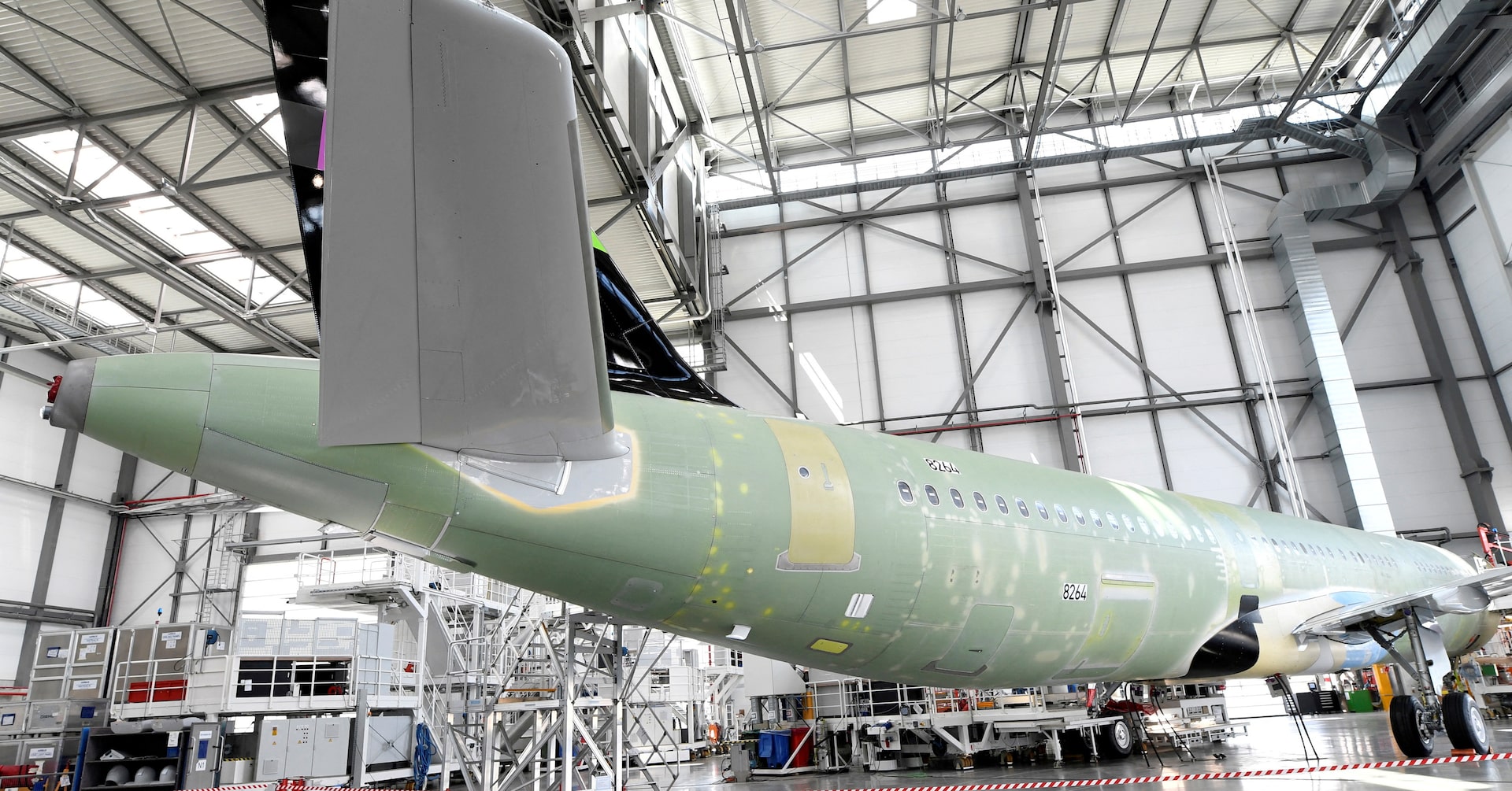
US-EU Tariff Decision on Aircraft Subsidies Remains Pending
- Tariff Uncertainty: The United States and the European Union have yet to decide whether to continue suspending or reimpose tariffs on $11.5 billion worth of goods, with only days left before their truce expires, potentially escalating trade tensions.
- WTO Authorization: In 2019, the WTO authorized the U.S. to impose $7.5 billion in tariffs on EU goods, including cheese, while in 2020, it allowed the EU to retaliate with $4 billion in tariffs on U.S. imports, highlighting the intensifying conflict over subsidies.
- Suspension Agreement: On June 15, 2021, both sides agreed to suspend tariffs for five years, aiming to work towards an overarching agreement on large aircraft subsidies and countering investments from
See More
Air India to Defer Delivery of Hundreds of Jets Amid Cost-Cutting
- Delivery Deferral: Air India is looking to defer the delivery of hundreds of jets ordered from Airbus and Boeing as it grapples with rising operational costs and financial pressures, highlighting the challenges faced during its restructuring process.
- Historic Order: In 2023, Air India placed a record order for 470 jets to revitalize its brand, but now must reassess its expansion plans due to mounting operational disruptions and losses.
- Operational Challenges: The airline is experiencing operational disruptions and significant losses linked to the Iran conflict and Pakistan's airspace ban, forcing it to cut flights on several routes in response to soaring jet fuel prices.
- Strategic Shift: Under Tata Group's directive to focus on reducing record losses, Air India is postponing deliveries, cutting flights, and delaying expansion plans, reflecting the company's adaptability in a changing market environment.
See More
Analysis of Competition in the eVTOL Market
- Market Outlook: According to Eve Air Mobility's Global Market Outlook, by 2045, there could be 30,000 eVTOLs in operation carrying three billion passengers, despite Joby and Archer lacking FAA approval for commercial flights, which has led to depressed stock prices for both companies.
- Technical Comparison: Joby's S4 and Archer's Midnight exhibit significant design differences, with the S4 achieving a maximum range of 150 miles and a speed of 200 mph, while the Midnight has a range of 100 miles and a speed of 150 mph, highlighting Joby's technological advantage.
- Financial Projections: Analysts expect Joby's revenue to grow from $53 million in 2025 to $458 million in 2028, with a net loss narrowing to $722 million, whereas Archer's revenue is projected to surge from under $1 million in 2025 to $482 million in 2028, but its net loss is expected to widen to $868 million.
- Investment Advantages: Joby's market cap stands at $9.2 billion, trading at 20 times its 2028 sales, reflecting its potential in the
See More
Joby and Archer's eVTOL Aircraft Prospects
- Market Outlook: According to Eve Air Mobility's Global Market Outlook, by 2045, there could be 30,000 eVTOLs operating globally, carrying three billion passengers, presenting potential market opportunities for both Joby and Archer.
- FAA Approval Challenges: Both Joby and Archer must navigate the lengthy multi-stage approval process from the Federal Aviation Administration (FAA), with full commercial flight approvals likely not occurring until late 2026 or 2027, contributing to stock pressure this year.
- Financial Projections Comparison: Analysts expect Joby's revenue to grow from $53 million in 2025 to $458 million in 2028, while Archer's revenue is projected to surge from under $1 million to $482 million, although both companies are expected to widen their net losses, indicating differing market expectations.
- Investment Value Assessment: Joby trades at a market cap of $9.2 billion at 20 times its 2028 sales, while Archer's $4.0 billion market cap trades at just eight times its 2028 sales; despite Archer appearing more attractive, Joby's vertically integrated model and stronger liquidity position it as a more compelling long-term investment.
See More
SpaceX IPO Debut Expected to Surge
- IPO Market Excitement: Early shadow market trading indicates that SpaceX's stock price could surge at least 35% on its IPO debut, with retail investors submitting over $100 billion in orders by the deadline, reflecting strong demand for the company.
- Large Investor Participation: According to The Wall Street Journal, BlackRock has placed an order to buy at least $5 billion worth of stock, with a separate family office requesting $1 billion, indicating confidence from major investors in SpaceX's market potential.
- Space Economy Outlook: Analysts suggest that as costs in space decrease, new business opportunities are emerging, akin to the tech software boom of the late 1990s, and SpaceX's success may inspire more companies to explore space applications.
- Positive Market Reaction: SpaceX's IPO is expected to push its market cap above $2 trillion on the day, showcasing strong investor interest and optimistic expectations for future growth in the space industry.
See More
Surge in Options Trading Volume for Intel and Boeing
- Intel Options Volume: Intel Corp (INTC) saw options trading volume of 635,379 contracts today, representing approximately 63.5 million shares, which is about 50.9% of its average daily trading volume of 124.8 million shares over the past month, indicating strong market interest in its future performance.
- High-Frequency Contracts: Notably, the $120 strike call option expiring on June 12, 2026, has seen significant activity with 38,368 contracts traded today, representing approximately 3.8 million underlying shares, suggesting bullish sentiment among investors regarding Intel's stock price.
- Boeing Options Activity: Boeing Co (BA) experienced options trading volume of 32,037 contracts today, equivalent to about 3.2 million shares, which is approximately 43.4% of its average daily trading volume of 7.4 million shares over the past month, reflecting increasing market attention towards Boeing as well.
- Boeing High-Frequency Contracts: Among Boeing's options, the $210 strike put option expiring on June 18, 2026, has recorded a trading volume of 1,292 contracts today, representing around 129,200 underlying shares, indicating investor concerns about a potential decline in Boeing's stock price.
See More
US-EU Tariff Decision on Aircraft Subsidies Remains Pending
- Tariff Uncertainty: The United States and the European Union have yet to decide whether to continue suspending or reimpose tariffs on $11.5 billion worth of goods, with only days left before their truce expires, potentially escalating trade tensions.
- WTO Authorization: In 2019, the WTO authorized the U.S. to impose $7.5 billion in tariffs on EU goods, including cheese, while in 2020, it allowed the EU to retaliate with $4 billion in tariffs on U.S. imports, highlighting the intensifying conflict over subsidies.
- Suspension Agreement: On June 15, 2021, both sides agreed to suspend tariffs for five years, aiming to work towards an overarching agreement on large aircraft subsidies and countering investments from
See More




