U.S. Stocks Rise, AutoNation Shares Surge
Written by Emily J. Thompson, Senior Investment Analyst
Updated: Feb 06 2026
0mins


Source: Benzinga
- Market Performance: U.S. stocks traded higher midway through trading, with the S&P 500 gaining approximately 1.6%, the Dow rising 2.01% to 49,891.59, and the NASDAQ climbing 1.84% to 22,954.50, indicating a positive market sentiment and increased investor confidence.
- Sector Dynamics: Information technology shares gained 2.5% on Friday, while communication services stocks fell by 2%, reflecting a preference for tech stocks and concerns over the communication sector, which may impact future performance of related companies.
- AutoNation Earnings: Shares of AutoNation, Inc. (NYSE:AN) surged over 7% after posting fourth-quarter results, reporting adjusted earnings per share of $5.08, a 2% year-over-year increase that beat analyst expectations of $4.85, despite sales of $6.929 billion missing the consensus estimate of $7.200 billion, showcasing the company's resilience in profitability.
- Economic Indicators: The U.S. Manheim Used Vehicle Value Index rose 2.4% month-over-month in January, while the University of Michigan's consumer sentiment index increased by 0.9 points to 57.3, exceeding market estimates of 55, indicating a rebound in consumer confidence that could positively influence future spending.
Trade with 70% Backtested Accuracy
Stop guessing "Should I Buy AN?" and start using high-conviction signals backed by rigorous historical data.
Sign up today to access powerful investing tools and make smarter, data-driven decisions.
Analyst Views on AN
Wall Street analysts forecast AN stock price to rise
5 Analyst Rating
4 Buy
1 Hold
0 Sell
Strong Buy
Current: 186.360

Low
230.00
Averages
248.60
High
300.00
Current: 186.360
Low
230.00
Averages
248.60
High
300.00
About AN
AutoNation, Inc., through its subsidiaries, is an automotive retailer in the United States. Its segments include Domestic, Import, Premium Luxury, and AutoNation Finance. The Domestic segment is comprised of retail automotive franchises that sell new vehicles manufactured by Ford, General Motors, and Stellantis. The Import segment is primarily comprised of retail automotive franchises that sell new vehicles manufactured by Toyota, Honda, Hyundai, and Subaru. The Premium Luxury segment is primarily comprised of retail automotive franchises that sell new vehicles manufactured by Mercedes-Benz, BMW, Lexus, Audi, and Jaguar Land Rover. The franchises in each of its Domestic, Import, and Premium Luxury segments also sell used vehicles, parts and automotive services, and automotive finance and insurance products. The AutoNation Finance segment is comprised of its captive auto finance company, which provides indirect financing to qualified retail customers on vehicles it sells.
About the author

Emily J. Thompson
Emily J. Thompson, a Chartered Financial Analyst (CFA) with 12 years in investment research, graduated with honors from the Wharton School. Specializing in industrial and technology stocks, she provides in-depth analysis for Intellectia’s earnings and market brief reports.

Carvana Launches New Vehicle Sales Strategy


- New Sales Model: Carvana aims to extend its online used vehicle sales strategy to the new car market, with its seven Stellantis franchised dealerships primarily serving as service and test-drive centers rather than traditional sales points, fundamentally altering the consumer buying experience.
- Market Share Goals: By investing approximately $171 million in acquiring Stellantis dealerships, Carvana seeks to expand its market share and facilitate used vehicle sales through trade-ins, which could significantly impact the U.S. franchised dealership model if successful.
- Innovative Experience Center: At its Texas dealership, Carvana has created a 'playground' where customers can use smartphones and QR codes to self-navigate vehicle information and test drives, replacing traditional sales methods and enhancing customer experience.
- Inventory Challenges: While Carvana has about 3,000 new vehicles available nationwide, its Texas display area only features 50 vehicles, which may prevent customers from test-driving their desired models, highlighting the complexities of new vehicle sales and inventory management.
See More

Carvana Tests New Vehicle Sales Model in Dallas
- Innovative Vehicle Sales: Carvana's testing center in Dallas employs a non-traditional sales model where consumers purchase new cars through online platforms, marking its expansion from used to new vehicle markets, which is expected to enhance market share and attract more customers.
- Transparent Pricing Strategy: Carvana commits to a transparent, no-haggle pricing approach, aiming to improve customer experience and starkly contrast with traditional dealerships, thereby enhancing brand loyalty and market competitiveness.
- Service and Experience Integration: The testing center not only provides test drive areas but also features a 'playground' for consumers to select vehicles, combining seamless online and offline experiences that could profoundly impact traditional dealership operations.
- Market Potential and Challenges: While Carvana has seen initial success in new vehicle sales, inventory constraints and competition with traditional dealers remain challenges, necessitating future optimization of inventory management to meet customer demands and improve sales efficiency.
See More
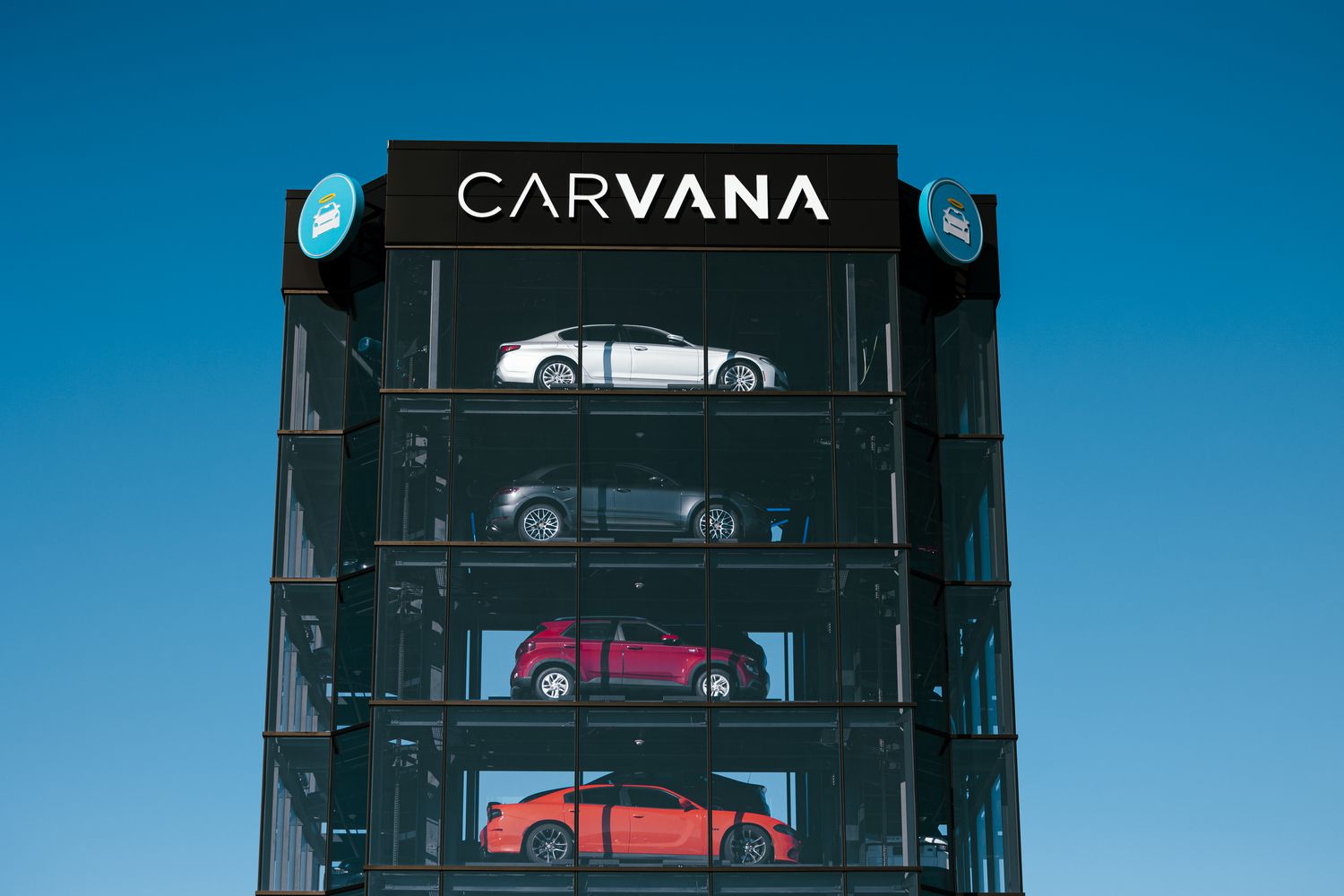
Carvana Enters New Vehicle Market, Disrupting Traditional Dealership Model
- Expansion into New Vehicle Market: Carvana has quietly acquired seven new vehicle franchises since last year, primarily selling Stellantis brands, marking a successful transition from used car retailer to new vehicle market player, which is expected to significantly impact the traditional dealership system.
- Remarkable Sales Performance: Carvana's new dealership in Arizona sold over 700 new vehicles last month, becoming the top-selling store nationally, compared to an average of 30 to 50 monthly sales prior to the acquisition, demonstrating strong market demand and sales capability.
- Disruption Potential: Industry analysts suggest that Carvana's entry into the new vehicle franchise business could be one of the most disruptive forces in the U.S. auto retail market in decades, potentially prompting traditional dealers to adapt to new market conditions to remain competitive.
- Lifecycle Management: By adding new vehicle sales, Carvana not only increases revenue streams but also enhances its ability to acquire used vehicles from new car customers, leveraging exclusive auctions to gain a competitive edge in the secondary market, further solidifying its market position.
See More

Carvana Expands into New Vehicle Franchises, Disrupting Auto Retail
- Market Disruption Potential: Carvana has acquired seven new vehicle franchises since last year, primarily selling Stellantis brands like Chrysler, Dodge, Jeep, and Ram, which is expected to significantly alter the U.S. new vehicle franchised dealer system and may represent one of the most disruptive forces in auto retailing in decades.
- Sales Performance Surge: Carvana's new dealership in Casa Grande, Arizona, sold over 700 new vehicles last month, making it the best-selling store nationally, compared to an average of 30 to 50 monthly sales prior to the acquisition, showcasing its rapid market penetration capabilities.
- Revenue Diversification: By entering the new vehicle market, Carvana not only adds a new revenue stream but also opens up new avenues for purchasing used vehicles through exclusive auctions from new vehicle customers, thereby gaining a competitive edge in the secondary market.
- Increased Industry Adaptability: Despite facing regulatory challenges in new car sales, Carvana's online sales model and robust logistics infrastructure allow it to stand out among traditional dealers, driving digital transformation in the industry and compelling other dealers to adapt to maintain competitiveness.
See More
Evercore ISI Bullish on AutoNation's Prospects
- Positive Market Outlook: Evercore ISI has added AutoNation to its Best SMID ‘Core’ Ideas, with analyst Chris McNally noting that the 80-20 SAAR Rule makes the firm bullish on the U.S. auto dealers group, predicting that new SAAR will drive about 80% of dealer sentiment, despite accounting for only 20% of profits.
- Macroeconomic Support: Evercore is optimistic about SAAR trends, believing that the supportive U.S. macroeconomic backdrop, including a K economy, rate cuts, BBB incentives, and rebate checks, will provide a foundation for multi-year growth for auto dealers.
- Capital Allocation Advantage: The analyst team sees auto dealers benefiting from capital allocation strategies, including buybacks and bolt-on M&A, combined with defensive cyclical EPS power and
See More
Auto Dealer Economics Stabilize; UBS Initiates Buy Ratings

- Market Recovery: The auto dealer sector's per-unit economics have retreated from their 2023 peak but have stabilized above pre-COVID levels, indicating signs of industry recovery and boosting investor confidence.
- UBS Rating Upgrade: UBS analyst Joseph Spak initiates Buy ratings for Lithia Motors (LAD), Sonic Automotive (SAH), and AutoNation (AN), highlighting their significant advantages in cost savings and capital allocation that position them favorably against competitors.
- High-Margin Business Advantage: Spak emphasizes that franchise dealer networks are protected by strong state laws, with their relationships with automakers creating a parts and service (P&S) business with a gross margin of 54%, significantly higher than the 6% margin on new vehicle sales, showcasing their profitability potential.
- Cash Flow and Buyback Strategy: The analyst notes that the free cash flow for auto dealers is solid, with some cash available for consolidation or partnerships with Chinese OEMs, while AutoNation's share repurchase potential is seen as a crucial part of its investment thesis.
See More
Carvana Launches New Vehicle Sales Strategy
- New Sales Model: Carvana aims to extend its online used vehicle sales strategy to the new car market, with its seven Stellantis franchised dealerships primarily serving as service and test-drive centers rather than traditional sales points, fundamentally altering the consumer buying experience.
- Market Share Goals: By investing approximately $171 million in acquiring Stellantis dealerships, Carvana seeks to expand its market share and facilitate used vehicle sales through trade-ins, which could significantly impact the U.S. franchised dealership model if successful.
- Innovative Experience Center: At its Texas dealership, Carvana has created a 'playground' where customers can use smartphones and QR codes to self-navigate vehicle information and test drives, replacing traditional sales methods and enhancing customer experience.
- Inventory Challenges: While Carvana has about 3,000 new vehicles available nationwide, its Texas display area only features 50 vehicles, which may prevent customers from test-driving their desired models, highlighting the complexities of new vehicle sales and inventory management.
See More
Carvana Tests New Vehicle Sales Model in Dallas
- Innovative Vehicle Sales: Carvana's testing center in Dallas employs a non-traditional sales model where consumers purchase new cars through online platforms, marking its expansion from used to new vehicle markets, which is expected to enhance market share and attract more customers.
- Transparent Pricing Strategy: Carvana commits to a transparent, no-haggle pricing approach, aiming to improve customer experience and starkly contrast with traditional dealerships, thereby enhancing brand loyalty and market competitiveness.
- Service and Experience Integration: The testing center not only provides test drive areas but also features a 'playground' for consumers to select vehicles, combining seamless online and offline experiences that could profoundly impact traditional dealership operations.
- Market Potential and Challenges: While Carvana has seen initial success in new vehicle sales, inventory constraints and competition with traditional dealers remain challenges, necessitating future optimization of inventory management to meet customer demands and improve sales efficiency.
See More
Carvana Enters New Vehicle Market, Disrupting Traditional Dealership Model
- Expansion into New Vehicle Market: Carvana has quietly acquired seven new vehicle franchises since last year, primarily selling Stellantis brands, marking a successful transition from used car retailer to new vehicle market player, which is expected to significantly impact the traditional dealership system.
- Remarkable Sales Performance: Carvana's new dealership in Arizona sold over 700 new vehicles last month, becoming the top-selling store nationally, compared to an average of 30 to 50 monthly sales prior to the acquisition, demonstrating strong market demand and sales capability.
- Disruption Potential: Industry analysts suggest that Carvana's entry into the new vehicle franchise business could be one of the most disruptive forces in the U.S. auto retail market in decades, potentially prompting traditional dealers to adapt to new market conditions to remain competitive.
- Lifecycle Management: By adding new vehicle sales, Carvana not only increases revenue streams but also enhances its ability to acquire used vehicles from new car customers, leveraging exclusive auctions to gain a competitive edge in the secondary market, further solidifying its market position.
See More
Carvana Expands into New Vehicle Franchises, Disrupting Auto Retail
- Market Disruption Potential: Carvana has acquired seven new vehicle franchises since last year, primarily selling Stellantis brands like Chrysler, Dodge, Jeep, and Ram, which is expected to significantly alter the U.S. new vehicle franchised dealer system and may represent one of the most disruptive forces in auto retailing in decades.
- Sales Performance Surge: Carvana's new dealership in Casa Grande, Arizona, sold over 700 new vehicles last month, making it the best-selling store nationally, compared to an average of 30 to 50 monthly sales prior to the acquisition, showcasing its rapid market penetration capabilities.
- Revenue Diversification: By entering the new vehicle market, Carvana not only adds a new revenue stream but also opens up new avenues for purchasing used vehicles through exclusive auctions from new vehicle customers, thereby gaining a competitive edge in the secondary market.
- Increased Industry Adaptability: Despite facing regulatory challenges in new car sales, Carvana's online sales model and robust logistics infrastructure allow it to stand out among traditional dealers, driving digital transformation in the industry and compelling other dealers to adapt to maintain competitiveness.
See More
Evercore ISI Bullish on AutoNation's Prospects
- Positive Market Outlook: Evercore ISI has added AutoNation to its Best SMID ‘Core’ Ideas, with analyst Chris McNally noting that the 80-20 SAAR Rule makes the firm bullish on the U.S. auto dealers group, predicting that new SAAR will drive about 80% of dealer sentiment, despite accounting for only 20% of profits.
- Macroeconomic Support: Evercore is optimistic about SAAR trends, believing that the supportive U.S. macroeconomic backdrop, including a K economy, rate cuts, BBB incentives, and rebate checks, will provide a foundation for multi-year growth for auto dealers.
- Capital Allocation Advantage: The analyst team sees auto dealers benefiting from capital allocation strategies, including buybacks and bolt-on M&A, combined with defensive cyclical EPS power and
See More
Auto Dealer Economics Stabilize; UBS Initiates Buy Ratings
- Market Recovery: The auto dealer sector's per-unit economics have retreated from their 2023 peak but have stabilized above pre-COVID levels, indicating signs of industry recovery and boosting investor confidence.
- UBS Rating Upgrade: UBS analyst Joseph Spak initiates Buy ratings for Lithia Motors (LAD), Sonic Automotive (SAH), and AutoNation (AN), highlighting their significant advantages in cost savings and capital allocation that position them favorably against competitors.
- High-Margin Business Advantage: Spak emphasizes that franchise dealer networks are protected by strong state laws, with their relationships with automakers creating a parts and service (P&S) business with a gross margin of 54%, significantly higher than the 6% margin on new vehicle sales, showcasing their profitability potential.
- Cash Flow and Buyback Strategy: The analyst notes that the free cash flow for auto dealers is solid, with some cash available for consolidation or partnerships with Chinese OEMs, while AutoNation's share repurchase potential is seen as a crucial part of its investment thesis.
See More