U.S. Sends Peace Plan to Iran, Oil Prices Drop
Written by Emily J. Thompson, Senior Investment Analyst
Updated: Mar 25 2026
0mins
Source: Yahoo Finance
- Futures Rise: Futures prices increased as the U.S. reportedly sent a peace plan to Iran, reflecting market optimism about geopolitical stability, which could enhance investor confidence and drive stock market gains.
- Oil Prices Fall: Following the news of the peace plan, oil prices dropped, indicating a strengthened market expectation for future supply stability, which may alleviate inflationary pressures and impact energy-related stocks.
- Trump's Statement: President Trump remarked that Tehran is “talking sense,” a statement that could ease market concerns regarding the Middle East situation, thereby influencing investor decisions and market sentiment.
- Geopolitical Implications: The U.S. peace initiative could alter the power dynamics in the Middle East, and if successfully implemented, it would have profound effects on global energy markets and international relations, potentially attracting more foreign investment into related markets.
Trade with 70% Backtested Accuracy
Stop guessing "Should I Buy ASML?" and start using high-conviction signals backed by rigorous historical data.
Sign up today to access powerful investing tools and make smarter, data-driven decisions.
Analyst Views on ASML
Wall Street analysts forecast ASML stock price to fall
12 Analyst Rating
12 Buy
0 Hold
0 Sell
Strong Buy
Current: 1605.770

Low
1385
Averages
1583
High
1911
Current: 1605.770
Low
1385
Averages
1583
High
1911
About ASML
ASML Holding N.V. is a holding company based in the Netherlands. The Company operates through its subsidiaries in the Netherlands, the United States, Italy, France, Germany, the United Kingdom, Ireland, Belgium, South Korea, Taiwan, Singapore, China, Hong Kong, Japan, Malaysia and Israel. The Company operates through one business segment which is engage in development, production, marketing, sales, upgrading and servicing of advanced semiconductor equipment systems, consisting of lithography, metrology and inspection systems. The Company offers TWINSCAN systems, equipped with lithography system with a mercury lamp as light source (i-line), Krypton Fluoride (KrF) and Argon Fluoride (ArF) light sources for processing wafers for manufacturing environments for which imaging at a small resolution is required. TWINSCAN systems also include immersion lithography systems (TWINSCAN immersion systems).
About the author

Emily J. Thompson
Emily J. Thompson, a Chartered Financial Analyst (CFA) with 12 years in investment research, graduated with honors from the Wharton School. Specializing in industrial and technology stocks, she provides in-depth analysis for Intellectia’s earnings and market brief reports.

AMD Needs 24% Increase to Join $1 Trillion Club
- Trillion Dollar Threshold: AMD needs a 24% valuation increase to join the ranks of Micron, Broadcom, TSMC, Microsoft, Apple, and Nvidia in the $1 trillion club, highlighting its competitive pressure and market potential within the tech sector.
- ASML's Market Leadership: With a market cap of $616 billion, ASML's monopoly on extreme ultraviolet (EUV) lithography machines positions it as the next likely tech stock to reach the $1 trillion mark, reflecting its significant influence in the semiconductor equipment market.
- Sales Growth Trend: Although ASML's logic chip sales dropped from 58% to 49% of total sales, the company still achieved a 10.5% year-over-year sales growth, indicating its ability to adapt to market fluctuations driven by AI demand while maintaining overall growth.
- Future Growth Potential: ASML stands to benefit significantly from the AI inferencing boom and physical AI markets, such as robotics and self-driving cars, and if it continues to generate double-digit earnings growth, joining the $1 trillion club is merely a matter of time, underscoring its long-term investment value.
See More

ASML Poised to Become Next Trillion-Dollar Company
- Market Leadership: ASML's market cap has reached $622 billion, making it the most valuable semiconductor equipment company globally, significantly surpassing second-place LVMH, which underscores its strong competitive position and market dominance in the semiconductor industry.
- Technological Monopoly: ASML has virtually monopolized the extreme ultraviolet (EUV) lithography machine market, with high-end EUV machines selling only one or two units per quarter, yet its EUV sales are now roughly double that of non-EUV sales, indicating its critical role in modern chip manufacturing.
- AI-Driven Growth Potential: ASML's sales grew 10.5% year-over-year in Q1 2026, with logic chip sales dropping to 49% and memory chip sales rising to 51%, showcasing its robust growth potential driven by AI demand.
- Financial Resilience: ASML ended Q1 2026 with €7.97 billion in cash, significantly exceeding €2.71 billion in long-term debt, reflecting its strong cash flow and ability to invest in R&D, allowing it to maintain a competitive edge amid cyclical fluctuations in the semiconductor industry.
See More
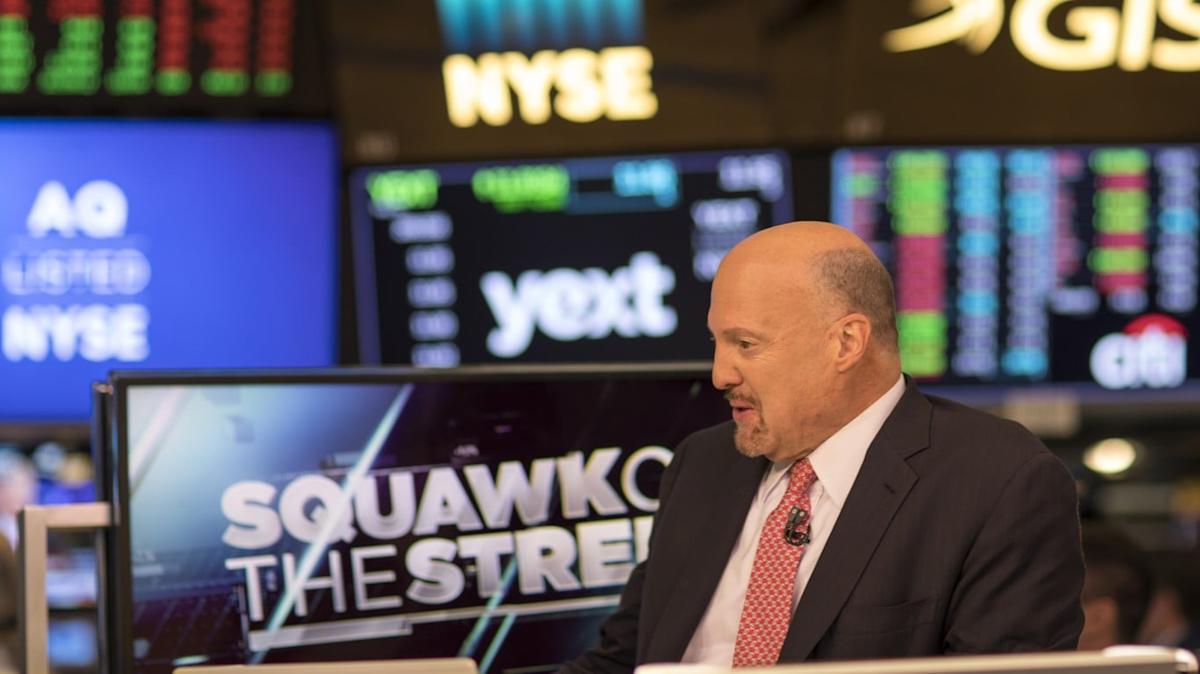
Semiconductor Industry's Greatest Time in History

- Industry Growth Catalyst: Applied Materials (NASDAQ:AMAT) has surged 75% year-to-date, reflecting the equipment shortages triggered by AI data center buildouts, which are expected to drive sustained growth in semiconductor capital equipment spending and further solidify its market leadership.
- Onto Innovation's Potential: Onto Innovation (NYSE:ONTO) achieved a record revenue of $266.87 million in Q4 2025 and signed a volume purchase agreement worth over $240 million with a leading HBM manufacturer, which is anticipated to boost its market share in the semiconductor equipment sector.
- Lam Research's Performance: Lam Research (NASDAQ:LRCX) reported $5.84 billion in revenue for Q1 2023, a 23.76% year-over-year increase, with guidance for the June quarter projecting $6.60 billion, indicating that AI-driven demand is reshaping the semiconductor industry.
- ASML's Market Position: ASML (NASDAQ:ASML) delivered $10.34 billion in revenue in Q1 2026, with management raising the full-year outlook to €36 billion to €40 billion, showcasing strong expectations for chip demand and reinforcing its critical role in the global semiconductor equipment market.
See More

U.S. Stock Indices Reach All-Time Highs Amid Positive Market Sentiment

- Market Optimism: The U.S. stock indices reached all-time highs today, with the S&P 500 up 0.41%, the Dow Jones up 0.43%, and the Nasdaq 100 up 0.66%, driven by improved prospects for a peace deal in the Middle East, reflecting investor confidence in economic recovery.
- Tech Stock Surge: Dell Technologies surged over 30% after providing a sales outlook that exceeded analyst expectations, highlighting relentless demand for AI infrastructure upgrades, which further boosted the entire tech sector's attractiveness to investors.
- Crude Oil Price Decline: Crude oil prices fell more than 1% to a five-week low due to a preliminary agreement between the U.S. and Iran, easing inflation concerns and fostering optimism about a potential recovery in oil supply, which could benefit related industries.
- Strong Corporate Earnings: As of now, 84% of S&P 500 companies have beaten Q1 earnings estimates, with overall earnings projected to rise 12% year-over-year, although excluding the tech sector, growth is only expected at 3%, indicating market reliance on tech for future growth amidst uncertainty.
See More
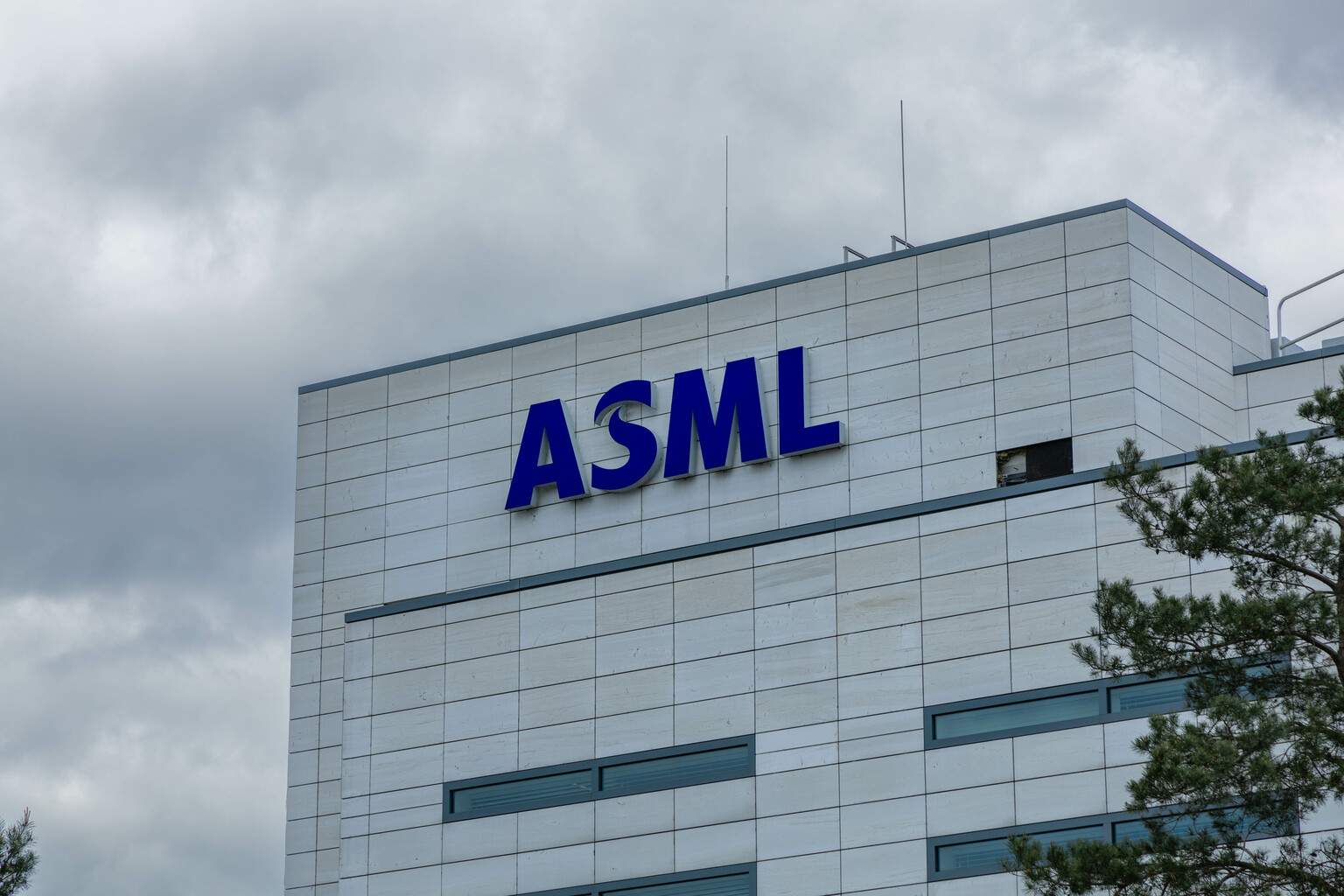
Nikon Plans to Compete with ASML by Lowering Prices
- Pricing Strategy: Nikon's new CEO Yasuhiro Ohmura announced plans to lower prices on semiconductor photolithography equipment to compete with ASML, which is expected to attract more customers and increase market share.
- In-House Production Advantage: Ohmura highlighted that Nikon's ability to produce many components in-house allows the company to lower product prices while maintaining profitability, enhancing its competitive edge in the lithography equipment market.
- Building Market Trust: Although Nikon has relied heavily on Intel as a primary customer, Ohmura acknowledged that the company has not yet earned sufficient trust in its support capabilities, and it aims to strengthen partnerships with multiple U.S. and Asian chipmakers.
- Growth Driver Plan: Nikon has identified its semiconductor equipment business as a key growth driver in its medium-term plan announced in May, and it is nearing purchase orders for its argon fluoride lithography equipment, indicating a proactive approach to market expansion.
See More

US Stocks Rise Slightly, Nasdaq Hits All-Time High

- Market Recovery: The S&P 500 index rose by 0.44% and the Nasdaq 100 climbed by 0.62%, indicating a recovery after early losses, reflecting cautious optimism among investors regarding the economic outlook.
- Economic Data Impact: The April core PCE price index increased by 3.3% year-on-year, meeting expectations and indicating persistent inflationary pressures, while April new home sales fell by 6.2% to 622,000, highlighting weakness in the housing market.
- Fed Policy Expectations: Concerns from Fed officials about inflation are intensifying, potentially leading to future rate hikes, with the market pricing in only a 3% chance of a rate cut at the June FOMC meeting, reflecting investor caution regarding monetary policy.
- Corporate Earnings Performance: So far, 83% of the 479 S&P 500 companies have exceeded earnings expectations, with Q1 earnings projected to rise by 12% year-on-year, demonstrating resilience in corporate profitability despite a slowdown in the tech sector.
See More
AMD Needs 24% Increase to Join $1 Trillion Club
- Trillion Dollar Threshold: AMD needs a 24% valuation increase to join the ranks of Micron, Broadcom, TSMC, Microsoft, Apple, and Nvidia in the $1 trillion club, highlighting its competitive pressure and market potential within the tech sector.
- ASML's Market Leadership: With a market cap of $616 billion, ASML's monopoly on extreme ultraviolet (EUV) lithography machines positions it as the next likely tech stock to reach the $1 trillion mark, reflecting its significant influence in the semiconductor equipment market.
- Sales Growth Trend: Although ASML's logic chip sales dropped from 58% to 49% of total sales, the company still achieved a 10.5% year-over-year sales growth, indicating its ability to adapt to market fluctuations driven by AI demand while maintaining overall growth.
- Future Growth Potential: ASML stands to benefit significantly from the AI inferencing boom and physical AI markets, such as robotics and self-driving cars, and if it continues to generate double-digit earnings growth, joining the $1 trillion club is merely a matter of time, underscoring its long-term investment value.
See More
ASML Poised to Become Next Trillion-Dollar Company
- Market Leadership: ASML's market cap has reached $622 billion, making it the most valuable semiconductor equipment company globally, significantly surpassing second-place LVMH, which underscores its strong competitive position and market dominance in the semiconductor industry.
- Technological Monopoly: ASML has virtually monopolized the extreme ultraviolet (EUV) lithography machine market, with high-end EUV machines selling only one or two units per quarter, yet its EUV sales are now roughly double that of non-EUV sales, indicating its critical role in modern chip manufacturing.
- AI-Driven Growth Potential: ASML's sales grew 10.5% year-over-year in Q1 2026, with logic chip sales dropping to 49% and memory chip sales rising to 51%, showcasing its robust growth potential driven by AI demand.
- Financial Resilience: ASML ended Q1 2026 with €7.97 billion in cash, significantly exceeding €2.71 billion in long-term debt, reflecting its strong cash flow and ability to invest in R&D, allowing it to maintain a competitive edge amid cyclical fluctuations in the semiconductor industry.
See More
Semiconductor Industry's Greatest Time in History
- Industry Growth Catalyst: Applied Materials (NASDAQ:AMAT) has surged 75% year-to-date, reflecting the equipment shortages triggered by AI data center buildouts, which are expected to drive sustained growth in semiconductor capital equipment spending and further solidify its market leadership.
- Onto Innovation's Potential: Onto Innovation (NYSE:ONTO) achieved a record revenue of $266.87 million in Q4 2025 and signed a volume purchase agreement worth over $240 million with a leading HBM manufacturer, which is anticipated to boost its market share in the semiconductor equipment sector.
- Lam Research's Performance: Lam Research (NASDAQ:LRCX) reported $5.84 billion in revenue for Q1 2023, a 23.76% year-over-year increase, with guidance for the June quarter projecting $6.60 billion, indicating that AI-driven demand is reshaping the semiconductor industry.
- ASML's Market Position: ASML (NASDAQ:ASML) delivered $10.34 billion in revenue in Q1 2026, with management raising the full-year outlook to €36 billion to €40 billion, showcasing strong expectations for chip demand and reinforcing its critical role in the global semiconductor equipment market.
See More
U.S. Stock Indices Reach All-Time Highs Amid Positive Market Sentiment
- Market Optimism: The U.S. stock indices reached all-time highs today, with the S&P 500 up 0.41%, the Dow Jones up 0.43%, and the Nasdaq 100 up 0.66%, driven by improved prospects for a peace deal in the Middle East, reflecting investor confidence in economic recovery.
- Tech Stock Surge: Dell Technologies surged over 30% after providing a sales outlook that exceeded analyst expectations, highlighting relentless demand for AI infrastructure upgrades, which further boosted the entire tech sector's attractiveness to investors.
- Crude Oil Price Decline: Crude oil prices fell more than 1% to a five-week low due to a preliminary agreement between the U.S. and Iran, easing inflation concerns and fostering optimism about a potential recovery in oil supply, which could benefit related industries.
- Strong Corporate Earnings: As of now, 84% of S&P 500 companies have beaten Q1 earnings estimates, with overall earnings projected to rise 12% year-over-year, although excluding the tech sector, growth is only expected at 3%, indicating market reliance on tech for future growth amidst uncertainty.
See More
Nikon Plans to Compete with ASML by Lowering Prices
- Pricing Strategy: Nikon's new CEO Yasuhiro Ohmura announced plans to lower prices on semiconductor photolithography equipment to compete with ASML, which is expected to attract more customers and increase market share.
- In-House Production Advantage: Ohmura highlighted that Nikon's ability to produce many components in-house allows the company to lower product prices while maintaining profitability, enhancing its competitive edge in the lithography equipment market.
- Building Market Trust: Although Nikon has relied heavily on Intel as a primary customer, Ohmura acknowledged that the company has not yet earned sufficient trust in its support capabilities, and it aims to strengthen partnerships with multiple U.S. and Asian chipmakers.
- Growth Driver Plan: Nikon has identified its semiconductor equipment business as a key growth driver in its medium-term plan announced in May, and it is nearing purchase orders for its argon fluoride lithography equipment, indicating a proactive approach to market expansion.
See More
US Stocks Rise Slightly, Nasdaq Hits All-Time High
- Market Recovery: The S&P 500 index rose by 0.44% and the Nasdaq 100 climbed by 0.62%, indicating a recovery after early losses, reflecting cautious optimism among investors regarding the economic outlook.
- Economic Data Impact: The April core PCE price index increased by 3.3% year-on-year, meeting expectations and indicating persistent inflationary pressures, while April new home sales fell by 6.2% to 622,000, highlighting weakness in the housing market.
- Fed Policy Expectations: Concerns from Fed officials about inflation are intensifying, potentially leading to future rate hikes, with the market pricing in only a 3% chance of a rate cut at the June FOMC meeting, reflecting investor caution regarding monetary policy.
- Corporate Earnings Performance: So far, 83% of the 479 S&P 500 companies have exceeded earnings expectations, with Q1 earnings projected to rise by 12% year-on-year, demonstrating resilience in corporate profitability despite a slowdown in the tech sector.
See More