U.S. Corporate Borrowing Sees Significant Increase
Written by Emily J. Thompson, Senior Investment Analyst
Updated: Apr 20 2026
0mins


Source: Newsfilter
- Corporate Borrowing Surge: U.S. banks reported a sharp increase in corporate borrowing last week, indicating resilience in parts of the economy despite inflationary pressures and fears of a slowdown, showcasing the ongoing demand for working capital.
- Strong Commercial Loan Growth: Bank of America reported over 12% growth in commercial loans, while Wells Fargo's commercial loans surged by 16.4%, highlighting companies' strategies to secure cheaper financing amid uncertain policy conditions.
- Stable Consumer Borrowing: While some banks reported flat or declining consumer loans, overall consumer borrowing balances grew steadily, reflecting resilience in consumer spending, particularly driven by wealthier households.
- Cautious Economic Outlook: Economists caution that prolonged war and persistent inflation could weigh on borrowing, although current financial health of businesses and consumers remains strong, with upcoming quarterly reports expected to provide clearer insights into consumer spending trends.
Trade with 70% Backtested Accuracy
Stop guessing "Should I Buy BAC?" and start using high-conviction signals backed by rigorous historical data.
Sign up today to access powerful investing tools and make smarter, data-driven decisions.
Analyst Views on BAC
Wall Street analysts forecast BAC stock price to rise
19 Analyst Rating
15 Buy
4 Hold
0 Sell
Strong Buy
Current: 50.770

Low
55.00
Averages
61.64
High
71.00
Current: 50.770
Low
55.00
Averages
61.64
High
71.00
About BAC
Bank of America Corporation is a bank holding company and a financial holding company. Its segments include Consumer Banking, Global Wealth & Investment Management (GWIM), Global Banking and Global Markets. Consumer Banking segment offers a range of credit, banking and investment products and services to consumers and small businesses. The GWIM includes two businesses: Merrill Wealth Management, which provides tailored solutions to meet clients' needs through a full set of investment management, brokerage, banking and retirement products and Bank of America Private Bank, which provides comprehensive wealth management solutions. Global Banking segment provides a range of lending-related products and services, integrated working capital management and treasury solutions, and underwriting and advisory services. Global Markets segment offers sales and trading services and research services to institutional clients across fixed-income, credit, currency, commodity, and equity businesses.
About the author

Emily J. Thompson
Emily J. Thompson, a Chartered Financial Analyst (CFA) with 12 years in investment research, graduated with honors from the Wharton School. Specializing in industrial and technology stocks, she provides in-depth analysis for Intellectia’s earnings and market brief reports.

NuScale Power Rated Among Top Nuclear Stocks by Analysts


- Analyst Coverage Reinstated: On May 22, BofA reinstated coverage of NuScale Power Corporation (NYSE:SMR) with a 'Neutral' rating and a price target of $12, indicating a cautious outlook on its market performance.
- Significant Technical Advantage: NuScale is the only company with U.S. Nuclear Regulatory Commission Standard Design Approval, providing a regulatory edge that enhances its competitive position in the small modular reactor technology sector.
- Revenue Constraints: Despite the significant potential of NuScale's technology, its revenues remain heavily tied to services, with the first reactor not expected to generate power until the early 2030s, limiting its short-term financial performance.
- Funding Risks Present: The deployment of SMR requires substantial upfront capital, and NuScale's slower progress in securing funding agreements compared to peers poses a near-term funding risk that could impact its market standing.
See More

Apple's Potential in Agentic AI Market


- Market Potential Assessment: Analysts believe Apple is well-positioned in the agentic AI sector, with its robust ecosystem providing a competitive edge, potentially generating $15 billion to $30 billion in AI-related revenue by fiscal 2030, which, while modest relative to Apple's overall revenue, indicates significant growth potential.
- Product Innovation Capability: Apple typically adopts a cautious approach when launching new technologies, innovating on existing models to attract users, as evidenced by the success of the iPhone and AirPods, suggesting it could similarly lead in the AI space.
- User Base Advantage: With over 2 billion devices in circulation, Apple can rapidly deploy new AI features, enhancing user retention and leveraging data to boost network effects, thereby strengthening its market competitiveness.
- Long-term Investment Value: Despite facing tariffs and regulatory scrutiny, Apple's strong customer loyalty and expanding high-margin services segment position it as a solid long-term investment, especially as AI technology matures, with future profit potential looking promising.
See More

Apple's Potential in the AI Sector
- Analyst Optimism: As Wall Street recognizes Apple's potential in the AI sector, Bank of America analyst Wamsi Mohan raised the stock's price target from $330 to $380, reflecting expectations of $15 billion to $30 billion in future AI revenue, which, while modest compared to Apple's over $400 billion annual sales, indicates significant growth potential.
- Product Innovation Strategy: Apple is not typically the first to market with new technologies, but rather innovates on existing ones, as seen with the success of AirPods and the iPhone, demonstrating a robust strategy that could similarly apply to AI advancements.
- User Base Advantage: With over 2 billion devices in circulation, Apple's vast user base allows for rapid customer reach upon launching new AI features, while also increasing switching costs and enhancing customer loyalty, laying a solid foundation for future AI developments.
- High-Margin Services Growth: Apple is ramping up its high-margin services segment, which is expected to account for a larger share of revenue in the future, further boosting profitability, alongside an impressive 89.5% increase in dividends over the past decade, highlighting its attractiveness as a quality stock.
See More

Bank of America Supports Cultural Preservation Initiatives in Canada
- Funding Initiatives: Bank of America announced funding for cultural preservation projects in Montreal and Toronto, notably supporting the restoration of Alice Rahon's 1946 sculpture 'Juggler' at the Montreal Museum of Fine Arts, which is one of only 18 historic artworks globally to receive such a grant, highlighting the firm's commitment to cultural heritage.
- International Conference Sponsorship: As the lead sponsor of the American Institute for Conservation's Annual Meeting held in Montreal, Bank of America has participated for the fourth consecutive year, demonstrating its ongoing commitment to cultural preservation and facilitating collaboration among global art conservation professionals.
- Artwork Restoration Plans: The Art Gallery of Ontario in Toronto also received funding to restore three works by modernist pioneer Pegi Nicol MacLeod, ensuring these significant pieces can be displayed to the public again, thereby enhancing recognition of her artistic legacy.
- Community Partnership Project: During the conference, the AIC collaborated with McGill University's Redpath Museum to improve storage conditions for the museum's collections, further showcasing Bank of America's vital role in promoting art preservation and community development.
See More
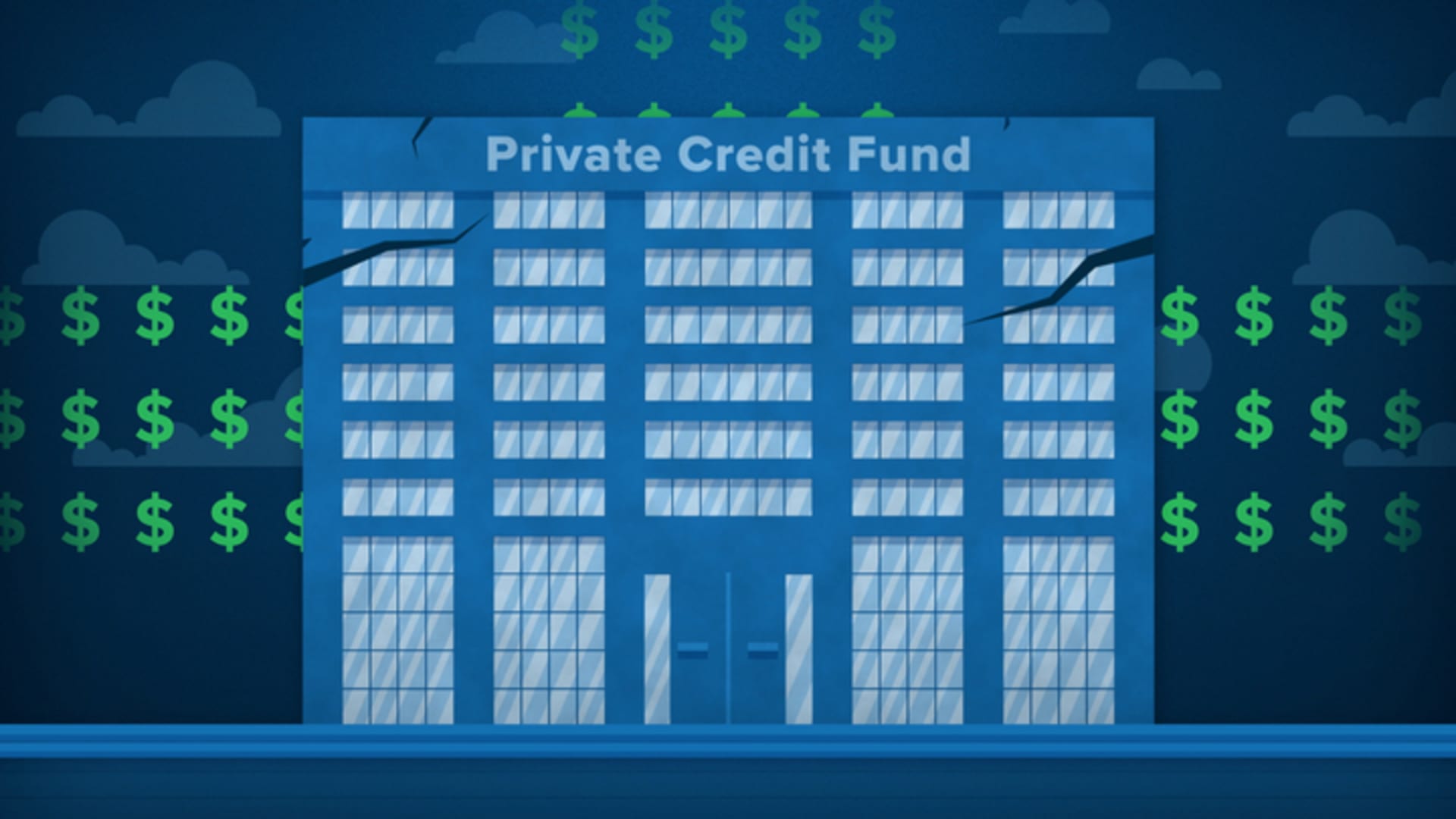
Private Credit Defaults Expected to Rise to Record Levels


- Rising Default Rates: According to S&P, private credit defaults are expected to increase from 4.4% to 9-10%, primarily driven by the implications of the AI cycle, which may exacerbate risks associated with corporate loans and undermine investor confidence.
- Software Sector Pressure: The software industry accounts for 19% of private credit collateralized loan obligations, and as growth slows and margins compress, the repayment capacity of these loans is expected to be negatively impacted, adding to market uncertainty.
- Liquidity Crisis: With constrained liquidity, investors are beginning to attempt to withdraw funds, particularly with significant withdrawal requests anticipated in June, which could exert further pressure on the market and lead to more default events.
- Pension Fund Risks: While some large state pension funds continue to maintain investments in private credit, their significant risk exposure could have spillover effects on the broader financial markets, especially given that banks have loaned approximately $300 billion to private credit, potentially putting retail investors at risk.
See More

Bank of America Preferred Stock Dividend History Analysis
- Dividend Overview: Bank of America (BAC.PRN) recently declared a dividend of $0.3125 per share, reflecting the stability of its 5.000% non-cumulative preferred stock, which enhances investor confidence in the stock.
- ETF Impact Analysis: Bank of America comprises 7.94% of the First Trust Nasdaq Bank ETF (FTXO), which is trading lower by about 0.7% on the day, indicating the bank's significance in the financial market despite the ETF's decline.
- Stock Performance Comparison: In Thursday trading, Bank of America's preferred stock (BAC.PRN) rose about 0.5%, while the common shares (BAC) fell about 0.4%, demonstrating the relative stability of preferred shares amid market fluctuations.
- Investor Focus: Market analysts suggest paying attention to S.A.F.E. dividend stocks with preferred shares, indicating that investor preference for stable income may influence future investment decisions.
See More
NuScale Power Rated Among Top Nuclear Stocks by Analysts
- Analyst Coverage Reinstated: On May 22, BofA reinstated coverage of NuScale Power Corporation (NYSE:SMR) with a 'Neutral' rating and a price target of $12, indicating a cautious outlook on its market performance.
- Significant Technical Advantage: NuScale is the only company with U.S. Nuclear Regulatory Commission Standard Design Approval, providing a regulatory edge that enhances its competitive position in the small modular reactor technology sector.
- Revenue Constraints: Despite the significant potential of NuScale's technology, its revenues remain heavily tied to services, with the first reactor not expected to generate power until the early 2030s, limiting its short-term financial performance.
- Funding Risks Present: The deployment of SMR requires substantial upfront capital, and NuScale's slower progress in securing funding agreements compared to peers poses a near-term funding risk that could impact its market standing.
See More
Apple's Potential in Agentic AI Market
- Market Potential Assessment: Analysts believe Apple is well-positioned in the agentic AI sector, with its robust ecosystem providing a competitive edge, potentially generating $15 billion to $30 billion in AI-related revenue by fiscal 2030, which, while modest relative to Apple's overall revenue, indicates significant growth potential.
- Product Innovation Capability: Apple typically adopts a cautious approach when launching new technologies, innovating on existing models to attract users, as evidenced by the success of the iPhone and AirPods, suggesting it could similarly lead in the AI space.
- User Base Advantage: With over 2 billion devices in circulation, Apple can rapidly deploy new AI features, enhancing user retention and leveraging data to boost network effects, thereby strengthening its market competitiveness.
- Long-term Investment Value: Despite facing tariffs and regulatory scrutiny, Apple's strong customer loyalty and expanding high-margin services segment position it as a solid long-term investment, especially as AI technology matures, with future profit potential looking promising.
See More
Apple's Potential in the AI Sector
- Analyst Optimism: As Wall Street recognizes Apple's potential in the AI sector, Bank of America analyst Wamsi Mohan raised the stock's price target from $330 to $380, reflecting expectations of $15 billion to $30 billion in future AI revenue, which, while modest compared to Apple's over $400 billion annual sales, indicates significant growth potential.
- Product Innovation Strategy: Apple is not typically the first to market with new technologies, but rather innovates on existing ones, as seen with the success of AirPods and the iPhone, demonstrating a robust strategy that could similarly apply to AI advancements.
- User Base Advantage: With over 2 billion devices in circulation, Apple's vast user base allows for rapid customer reach upon launching new AI features, while also increasing switching costs and enhancing customer loyalty, laying a solid foundation for future AI developments.
- High-Margin Services Growth: Apple is ramping up its high-margin services segment, which is expected to account for a larger share of revenue in the future, further boosting profitability, alongside an impressive 89.5% increase in dividends over the past decade, highlighting its attractiveness as a quality stock.
See More
Bank of America Supports Cultural Preservation Initiatives in Canada
- Funding Initiatives: Bank of America announced funding for cultural preservation projects in Montreal and Toronto, notably supporting the restoration of Alice Rahon's 1946 sculpture 'Juggler' at the Montreal Museum of Fine Arts, which is one of only 18 historic artworks globally to receive such a grant, highlighting the firm's commitment to cultural heritage.
- International Conference Sponsorship: As the lead sponsor of the American Institute for Conservation's Annual Meeting held in Montreal, Bank of America has participated for the fourth consecutive year, demonstrating its ongoing commitment to cultural preservation and facilitating collaboration among global art conservation professionals.
- Artwork Restoration Plans: The Art Gallery of Ontario in Toronto also received funding to restore three works by modernist pioneer Pegi Nicol MacLeod, ensuring these significant pieces can be displayed to the public again, thereby enhancing recognition of her artistic legacy.
- Community Partnership Project: During the conference, the AIC collaborated with McGill University's Redpath Museum to improve storage conditions for the museum's collections, further showcasing Bank of America's vital role in promoting art preservation and community development.
See More
Private Credit Defaults Expected to Rise to Record Levels
- Rising Default Rates: According to S&P, private credit defaults are expected to increase from 4.4% to 9-10%, primarily driven by the implications of the AI cycle, which may exacerbate risks associated with corporate loans and undermine investor confidence.
- Software Sector Pressure: The software industry accounts for 19% of private credit collateralized loan obligations, and as growth slows and margins compress, the repayment capacity of these loans is expected to be negatively impacted, adding to market uncertainty.
- Liquidity Crisis: With constrained liquidity, investors are beginning to attempt to withdraw funds, particularly with significant withdrawal requests anticipated in June, which could exert further pressure on the market and lead to more default events.
- Pension Fund Risks: While some large state pension funds continue to maintain investments in private credit, their significant risk exposure could have spillover effects on the broader financial markets, especially given that banks have loaned approximately $300 billion to private credit, potentially putting retail investors at risk.
See More
Bank of America Preferred Stock Dividend History Analysis
- Dividend Overview: Bank of America (BAC.PRN) recently declared a dividend of $0.3125 per share, reflecting the stability of its 5.000% non-cumulative preferred stock, which enhances investor confidence in the stock.
- ETF Impact Analysis: Bank of America comprises 7.94% of the First Trust Nasdaq Bank ETF (FTXO), which is trading lower by about 0.7% on the day, indicating the bank's significance in the financial market despite the ETF's decline.
- Stock Performance Comparison: In Thursday trading, Bank of America's preferred stock (BAC.PRN) rose about 0.5%, while the common shares (BAC) fell about 0.4%, demonstrating the relative stability of preferred shares amid market fluctuations.
- Investor Focus: Market analysts suggest paying attention to S.A.F.E. dividend stocks with preferred shares, indicating that investor preference for stable income may influence future investment decisions.
See More