United Airlines Stock Enters Oversold Territory
Written by Emily J. Thompson, Senior Investment Analyst
Updated: 6 hours ago
0mins
Should l Buy UAL?
Source: NASDAQ.COM
- Oversold Signal: United Airlines (UAL) shares hit an RSI of 29.9 on Monday, indicating oversold conditions as the stock traded as low as $84.70 per share, suggesting that recent heavy selling may be exhausting.
- Market Comparison: Compared to the S&P 500 ETF (SPY) with an RSI of 36.7, UAL's low RSI could attract bullish investors seeking entry points, reflecting a divergence in market sentiment.
- Historical Performance: UAL's 52-week low is $52 per share and the high is $119.21, with the last trade at $87.72, indicating potential opportunities amid price fluctuations.
- Investor Focus: As UAL stock enters oversold territory, investors may look at other oversold stocks for potential investment opportunities, further influencing market dynamics.
Trade with 70% Backtested Accuracy
Stop guessing "Should I Buy UAL?" and start using high-conviction signals backed by rigorous historical data.
Sign up today to access powerful investing tools and make smarter, data-driven decisions.
Analyst Views on UAL
Wall Street analysts forecast UAL stock price to rise
16 Analyst Rating
15 Buy
1 Hold
0 Sell
Strong Buy
Current: 92.070

Low
115.00
Averages
139.07
High
156.00
Current: 92.070
Low
115.00
Averages
139.07
High
156.00
About UAL
United Airlines Holdings, Inc. is a holding company. The Company transports people and cargo throughout North America and to destinations in Asia, Europe, Africa, the Pacific, the Middle East and Latin America. The Company, through United Airlines, Inc., and its regional carriers, operates across six continents, with hubs at Chicago O'Hare International Airport (ORD), Denver International Airport (DEN), George Bush Intercontinental Airport (IAH), Los Angeles International Airport (LAX), Newark Liberty International Airport (EWR), San Francisco International Airport (SFO), Washington Dulles International Airport (IAD) and A.B. Won Pat International Airport (GUM). Its hub and spoke system allow it to transport passengers between a large number of destinations with frequent services. The Company has contractual relationships with various regional carriers to provide regional aircraft service branded as United Express. It provides freight and mail transportation services (Air Cargo).
About the author

Emily J. Thompson
Emily J. Thompson, a Chartered Financial Analyst (CFA) with 12 years in investment research, graduated with honors from the Wharton School. Specializing in industrial and technology stocks, she provides in-depth analysis for Intellectia’s earnings and market brief reports.

U.S. Stocks Close Higher Amid Oil Price Volatility


- Oil Price Impact: Oil prices spiked above $100 per barrel on Monday, causing early declines in stocks, but the market rebounded quickly after President Trump indicated the war might be nearing its end, with the S&P 500 closing up 0.71%, reflecting investor optimism about future developments.
- Economic Concerns: Despite the stock market recovery, last Friday's economic data raised concerns, with U.S. February payrolls falling by 92,000 and January retail sales declining by 0.2% month-over-month, potentially undermining confidence in economic recovery.
- Strong Earnings Performance: Over 95% of S&P 500 companies have reported earnings, with 74% exceeding expectations, and Q4 earnings growth is projected at 8.4%, providing support for the stock market and demonstrating corporate resilience amid economic uncertainties.
- Airline Stocks Rally: Following Trump's comments suggesting the Iran war might end soon, airline stocks such as United Airlines, Delta Air Lines, and American Airlines rose over 2%, indicating market expectations for a recovery in the airline industry.
See More

American Airlines Stock Rebounds as Oil Prices Decline

- Stock Recovery: American Airlines Group closed at $11.44, up 2.33% today, partially offsetting this month's losses, reflecting market optimism in response to declining oil prices.
- Surge in Trading Volume: Today's trading volume reached 152.4 million shares, approximately 156% above the three-month average of 59.4 million shares, indicating heightened investor interest in market developments.
- Industry Impact: The airline's stock has fallen 24% over the past month due to oil prices exceeding $100 per barrel amid Middle Eastern conflicts, but the potential end of the conflict has sparked a rebound in its stock price.
- Future Outlook: American Airlines is set to present at the 2026 J.P. Morgan Industrials Conference later this month, with investors keenly watching for industry developments and their implications for the company's future.
See More

Airlines Struggle with Increasing Jet Fuel Prices and Extended Security Wait Times, Leading to Declining Stock Values.


- Impact of Fuel Costs: Major U.S. airlines are facing increased jet fuel costs due to recent geopolitical tensions.
- Travel Disruptions: The ongoing conflict involving the U.S. and Israel's actions against Iran is causing travel disruptions, affecting airline operations.
- Stock Market Effects: These challenges are negatively impacting the stock performance of major airlines.
- Overall Industry Strain: The combination of higher costs and operational disruptions is creating significant strain on the airline industry.
See More

American Airlines Stock Rebounds as Oil Prices Decline
- Stock Rebound: American Airlines Group (AAL) closed up 2.33% at $11.44 today, partially recovering from monthly losses, primarily driven by declining oil prices, reflecting market optimism about future developments.
- Surge in Trading Volume: Today's trading volume reached 152.4 million shares, exceeding the three-month average of 59.4 million shares by 156%, indicating heightened investor interest in the company's outlook.
- Industry Impact: The airline has seen a 24% drop in stock price over the past month due to rising oil prices above $100 per barrel from Middle Eastern conflicts, highlighting significant risks faced by the industry, particularly regarding fuel costs.
- Market Reaction: President Trump’s comments suggesting the conflict could end sooner than expected spurred a late-session rebound in stock prices, prompting investors to closely monitor further developments and their broader implications for the airline sector.
See More

American Airlines Stock Rises as Oil Prices Fall
- Stock Recovery: American Airlines Group's stock rose by 2.33% to $11.44, partially offsetting this month's losses, reflecting market optimism regarding a potential end to the conflict in Iran.
- Surge in Trading Volume: Today's trading volume reached 152.4 million shares, approximately 156% above the three-month average of 59.4 million shares, indicating a significant increase in investor interest in the stock.
- Industry Pressures: The stock has fallen 24% over the past month, primarily due to the Middle East conflict pushing oil prices above $100 per barrel, threatening transport routes and creating substantial headwinds for the entire industry.
- Future Outlook: Following President Trump's indication that the conflict could end sooner than expected, investors will closely monitor further developments and their broader implications for the airline industry, with executives expected to provide more insights at the upcoming 2026 J.P. Morgan Industrials Conference.
See More
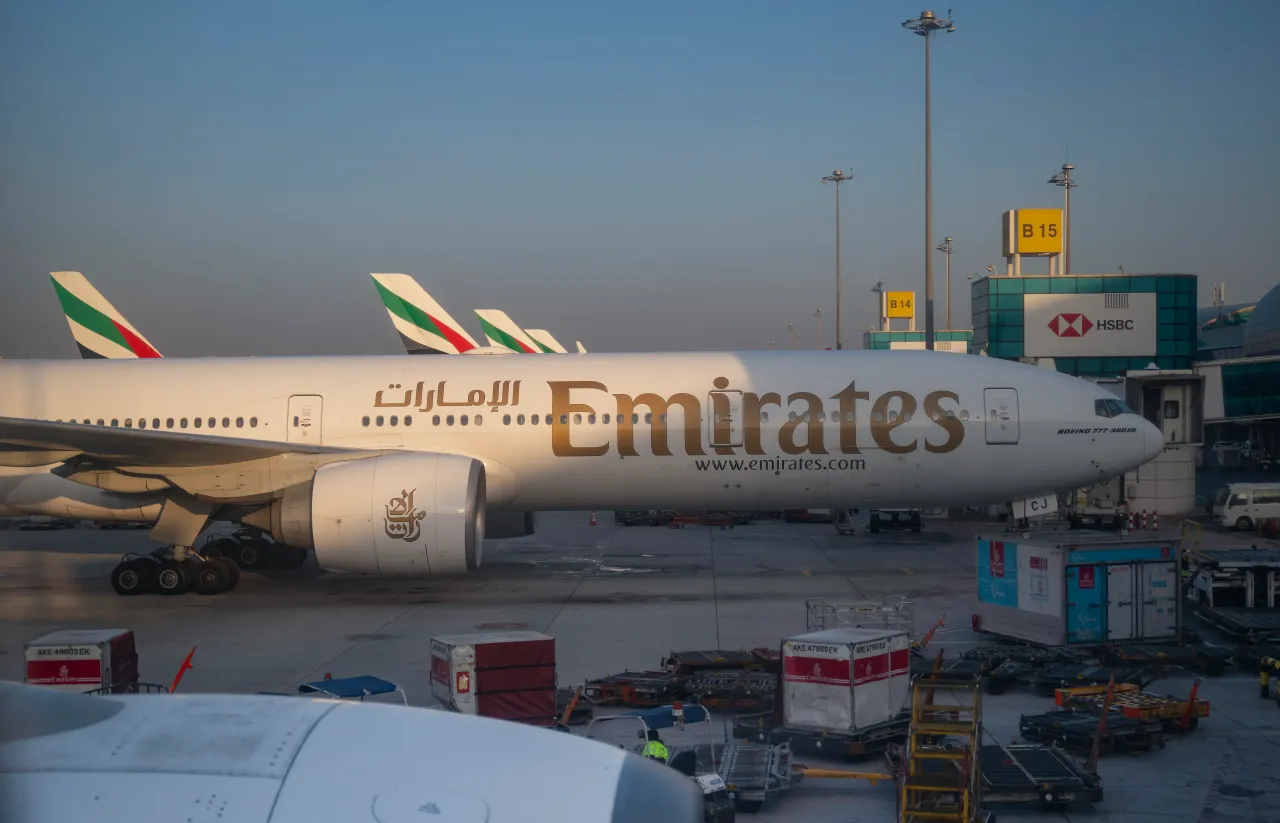
Middle Eastern Airlines Assess Operational Impact Amid War


- Operational Recovery Monitoring: Middle Eastern airlines are closely monitoring the situation to assess the financial impacts of the war and determine when to resume normal operations, a strategy that will directly influence their future flight schedules and market competitiveness.
- Aircraft Purchase Review: Asian carriers, including Lion Air, Garuda Indonesia, and AirAsia, are reassessing timelines for large jet purchases, with some airlines considering pausing deliveries, which could hinder future route expansion plans.
- Boeing Order Dependence: According to Jefferies, 14% of Boeing's backlog comes from Middle Eastern airlines, particularly with its famous 777X widebody aircraft, making Boeing's market performance in the region vulnerable to operational disruptions.
- Rising Oil Price Impact: United Airlines CEO Scott Kirby stated that the spike in fuel prices due to U.S. and Israeli actions against Iran will have a “meaningful” impact on the carrier's financial results this quarter, although travel demand remains strong, high oil prices may suppress future profitability.
See More
U.S. Stocks Close Higher Amid Oil Price Volatility
- Oil Price Impact: Oil prices spiked above $100 per barrel on Monday, causing early declines in stocks, but the market rebounded quickly after President Trump indicated the war might be nearing its end, with the S&P 500 closing up 0.71%, reflecting investor optimism about future developments.
- Economic Concerns: Despite the stock market recovery, last Friday's economic data raised concerns, with U.S. February payrolls falling by 92,000 and January retail sales declining by 0.2% month-over-month, potentially undermining confidence in economic recovery.
- Strong Earnings Performance: Over 95% of S&P 500 companies have reported earnings, with 74% exceeding expectations, and Q4 earnings growth is projected at 8.4%, providing support for the stock market and demonstrating corporate resilience amid economic uncertainties.
- Airline Stocks Rally: Following Trump's comments suggesting the Iran war might end soon, airline stocks such as United Airlines, Delta Air Lines, and American Airlines rose over 2%, indicating market expectations for a recovery in the airline industry.
See More
American Airlines Stock Rebounds as Oil Prices Decline
- Stock Recovery: American Airlines Group closed at $11.44, up 2.33% today, partially offsetting this month's losses, reflecting market optimism in response to declining oil prices.
- Surge in Trading Volume: Today's trading volume reached 152.4 million shares, approximately 156% above the three-month average of 59.4 million shares, indicating heightened investor interest in market developments.
- Industry Impact: The airline's stock has fallen 24% over the past month due to oil prices exceeding $100 per barrel amid Middle Eastern conflicts, but the potential end of the conflict has sparked a rebound in its stock price.
- Future Outlook: American Airlines is set to present at the 2026 J.P. Morgan Industrials Conference later this month, with investors keenly watching for industry developments and their implications for the company's future.
See More
Airlines Struggle with Increasing Jet Fuel Prices and Extended Security Wait Times, Leading to Declining Stock Values.
- Impact of Fuel Costs: Major U.S. airlines are facing increased jet fuel costs due to recent geopolitical tensions.
- Travel Disruptions: The ongoing conflict involving the U.S. and Israel's actions against Iran is causing travel disruptions, affecting airline operations.
- Stock Market Effects: These challenges are negatively impacting the stock performance of major airlines.
- Overall Industry Strain: The combination of higher costs and operational disruptions is creating significant strain on the airline industry.
See More
American Airlines Stock Rebounds as Oil Prices Decline
- Stock Rebound: American Airlines Group (AAL) closed up 2.33% at $11.44 today, partially recovering from monthly losses, primarily driven by declining oil prices, reflecting market optimism about future developments.
- Surge in Trading Volume: Today's trading volume reached 152.4 million shares, exceeding the three-month average of 59.4 million shares by 156%, indicating heightened investor interest in the company's outlook.
- Industry Impact: The airline has seen a 24% drop in stock price over the past month due to rising oil prices above $100 per barrel from Middle Eastern conflicts, highlighting significant risks faced by the industry, particularly regarding fuel costs.
- Market Reaction: President Trump’s comments suggesting the conflict could end sooner than expected spurred a late-session rebound in stock prices, prompting investors to closely monitor further developments and their broader implications for the airline sector.
See More
American Airlines Stock Rises as Oil Prices Fall
- Stock Recovery: American Airlines Group's stock rose by 2.33% to $11.44, partially offsetting this month's losses, reflecting market optimism regarding a potential end to the conflict in Iran.
- Surge in Trading Volume: Today's trading volume reached 152.4 million shares, approximately 156% above the three-month average of 59.4 million shares, indicating a significant increase in investor interest in the stock.
- Industry Pressures: The stock has fallen 24% over the past month, primarily due to the Middle East conflict pushing oil prices above $100 per barrel, threatening transport routes and creating substantial headwinds for the entire industry.
- Future Outlook: Following President Trump's indication that the conflict could end sooner than expected, investors will closely monitor further developments and their broader implications for the airline industry, with executives expected to provide more insights at the upcoming 2026 J.P. Morgan Industrials Conference.
See More
Middle Eastern Airlines Assess Operational Impact Amid War
- Operational Recovery Monitoring: Middle Eastern airlines are closely monitoring the situation to assess the financial impacts of the war and determine when to resume normal operations, a strategy that will directly influence their future flight schedules and market competitiveness.
- Aircraft Purchase Review: Asian carriers, including Lion Air, Garuda Indonesia, and AirAsia, are reassessing timelines for large jet purchases, with some airlines considering pausing deliveries, which could hinder future route expansion plans.
- Boeing Order Dependence: According to Jefferies, 14% of Boeing's backlog comes from Middle Eastern airlines, particularly with its famous 777X widebody aircraft, making Boeing's market performance in the region vulnerable to operational disruptions.
- Rising Oil Price Impact: United Airlines CEO Scott Kirby stated that the spike in fuel prices due to U.S. and Israeli actions against Iran will have a “meaningful” impact on the carrier's financial results this quarter, although travel demand remains strong, high oil prices may suppress future profitability.
See More