United Airlines Lowers Profit Outlook Amid Fuel Price Surge
Written by Emily J. Thompson, Senior Investment Analyst
Updated: 3 days ago
0mins
Should l Buy UAL?
Source: seekingalpha
- Profit Outlook Downgrade: United Airlines (UAL) lowered its profit outlook in postmarket trading due to a surge in jet fuel prices, causing a 1.5% drop in stock price as investors reassess future profitability.
- Diverse Revenue Performance: Despite challenges, UAL's diverse revenue streams showed resilience in Q1, with premium revenue up 14%, loyalty revenue up 13%, and basic economy revenue up 7%, indicating strong performance across various segments.
- Record Revenue Quarter: The first quarter marked UAL's highest-ever Q1 revenue, with total revenue per available seat mile (PRASM) increasing by 6.9% to $0.1880, reflecting robust growth across all regions and enhancing the company's financial stability.
- Cautious Future Outlook: Looking ahead, UAL projects Q2 EPS between $1.00 and $2.00 (midpoint $1.50), below the consensus of $2.08, and full-year EPS between $7.00 and $11.00 (midpoint $9.00), also below the consensus of $9.33, highlighting market concerns over rising fuel costs.
Trade with 70% Backtested Accuracy
Stop guessing "Should I Buy UAL?" and start using high-conviction signals backed by rigorous historical data.
Sign up today to access powerful investing tools and make smarter, data-driven decisions.
Analyst Views on UAL
Wall Street analysts forecast UAL stock price to rise
16 Analyst Rating
15 Buy
1 Hold
0 Sell
Strong Buy
Current: 91.250

Low
115.00
Averages
139.07
High
156.00
Current: 91.250
Low
115.00
Averages
139.07
High
156.00
About UAL
United Airlines Holdings, Inc. is a holding company. The Company transports people and cargo throughout North America and to destinations in Asia, Europe, Africa, the Pacific, the Middle East and Latin America. The Company, through United Airlines, Inc., and its regional carriers, operates across over six continents, with hubs at Chicago O'Hare International Airport (ORD), Denver International Airport (DEN), George Bush Intercontinental Airport (IAH), Los Angeles International Airport (LAX), Newark Liberty International Airport (EWR), San Francisco International Airport (SFO), Washington Dulles International Airport (IAD) and A.B. Won Pat International Airport (GUM). Its hub and spoke system allow it to transport passengers between a large number of destinations with frequent services. The Company has contractual relationships with various regional carriers to provide regional aircraft service branded as United Express. It provides freight and mail transportation services (Air Cargo).
About the author

Emily J. Thompson
Emily J. Thompson, a Chartered Financial Analyst (CFA) with 12 years in investment research, graduated with honors from the Wharton School. Specializing in industrial and technology stocks, she provides in-depth analysis for Intellectia’s earnings and market brief reports.
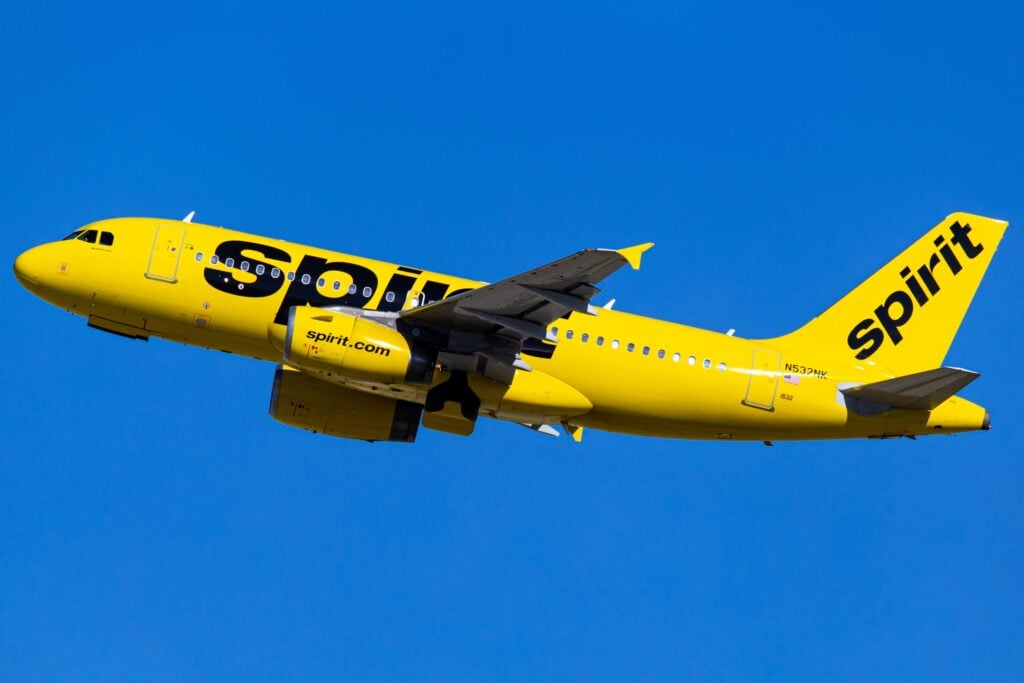
Trump Proposes Federal Aid for Spirit Airlines Amid Crisis


- Trump's Aid Proposal: In a CNBC interview, Trump floated the idea of federal aid for struggling Spirit Airlines, emphasizing the importance of protecting 14,000 jobs, which highlights government concern for the aviation sector's stability.
- Opposition to Mergers: Trump expressed disapproval of the proposed merger between United Airlines and American Airlines, arguing that consolidation in the aerospace industry reduces competition and leads to corporate complacency, despite both companies currently performing well, indicating a concern for industry health.
- Spirit Airlines Crisis: Spirit Airlines is reportedly on the brink of halting operations due to rising fuel costs and financial difficulties, having previously filed for bankruptcy post-COVID-19, which could leave ticket holders stranded within days, underscoring the fragility of the industry.
- Skepticism on Government Funds: Transportation Secretary raised doubts about using government funds to bail out Spirit Airlines, warning against “putting good money after bad” and questioning the airline's profitability and recovery prospects, reflecting a divide over aviation bailout policies.
See More
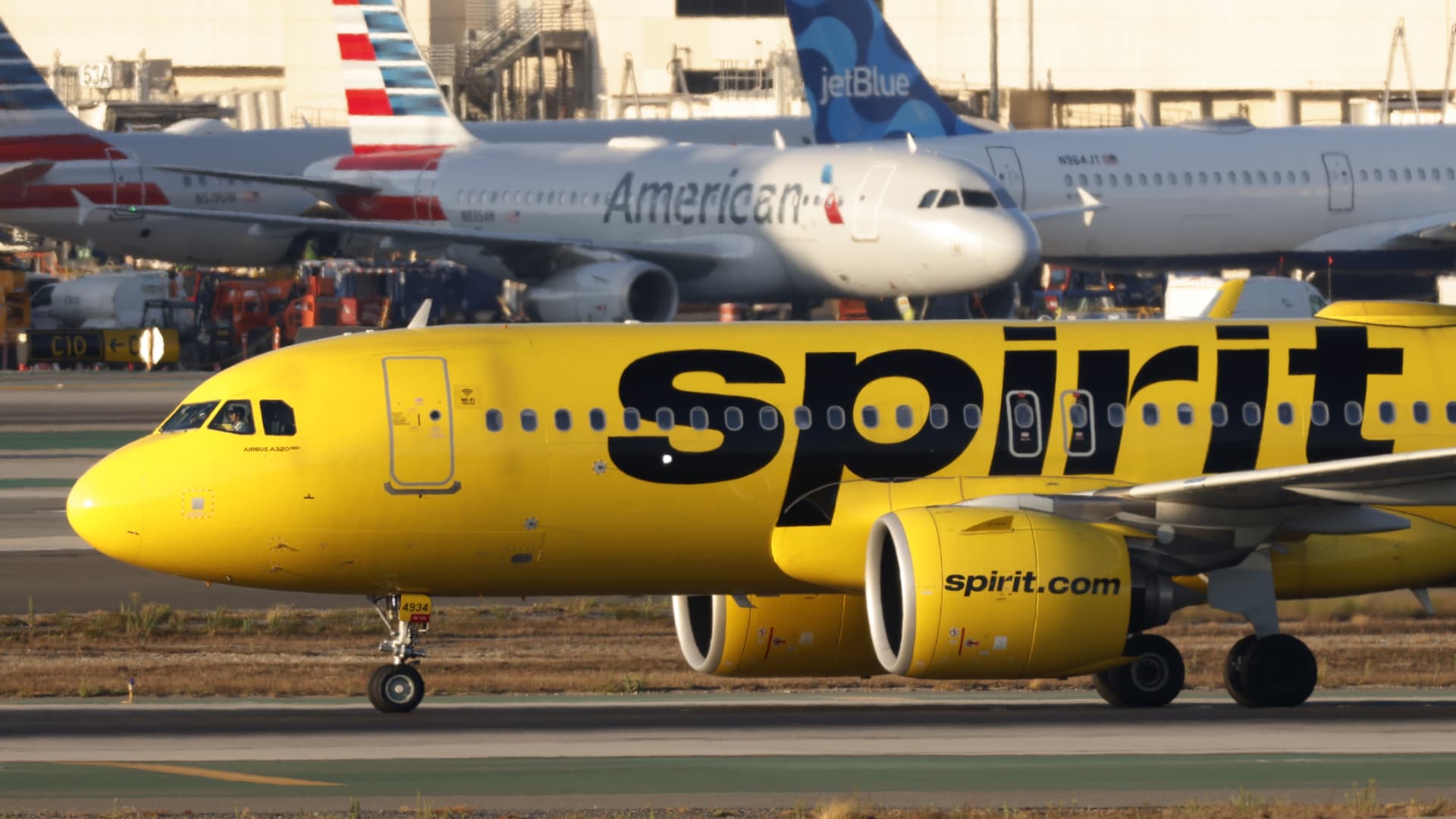
Trump Considers Bailout for Spirit Airlines Amid Financial Struggles

- Government Bailout Possibility: Trump indicated that the government might bail out Spirit Airlines by providing a $500 million loan in exchange for a 90% equity stake, aiming to protect jobs in the airline industry and enhance competition.
- Increased Operating Losses: Spirit reported an operating loss of $28.3 million in February, and with recent surges in fuel prices, its financial situation is expected to worsen, forcing the company to cut flights and shrink its fleet to survive.
- Merger Challenges: The Trump administration criticized the Biden administration for blocking JetBlue's acquisition of Spirit, arguing that this decision has further weakened Spirit's financial standing and could impact future industry consolidation.
- Industry Reactions: Low-cost carriers met with the Transportation Secretary to discuss the impact of soaring fuel costs, and analysts suggest that Spirit's potential bailout could set a precedent for other airlines seeking government assistance, reflecting the overall fragility of the industry.
See More

Trump Considers Bailout for Spirit Airlines Amid Fuel Crisis
- Government Bailout Possibility: Trump indicated that the government might bail out Spirit Airlines or buy it outright, with plans to sell it for profit when oil prices drop, highlighting the importance of maintaining competition in the airline industry amid rising fuel costs.
- Bondholder Support: Major bondholders confirmed in court that they received a term sheet for potential government assistance, indicating advanced negotiations; if successful, the government could acquire up to a 90% stake, which may influence Spirit's future financing capabilities.
- Industry Impact: Should Spirit receive a bailout, other low-cost carriers might seek similar support, reflecting the vulnerability of the airline industry in the face of soaring fuel prices, potentially leading to further structural changes within the sector.
- Union Advocacy: Spirit's labor unions are advocating for government assistance, arguing against liquidation to prevent greater harm to workers and passengers, underscoring the critical role of such support in preserving jobs and economic stability.
See More
Best Buy CEO Departure Triggers Stock Decline

- CEO Departure Impact: Best Buy's CEO Corie Barry announced her resignation, leading to a 4.8% drop in stock price on Wednesday, reflecting market unease over leadership changes that could affect the company's strategic direction and investor confidence.
- Fuel Cell Technology Surge: FuelCell Energy's stock rose by 21.1% as investor enthusiasm for its potential to power AI data centers continues to build, not only enhancing the company's market valuation but also potentially attracting more investments and partnerships.
- Airline Profit Warning: United Airlines cut its full-year profit forecast, resulting in a 7.1% decline in stock price, a move that may raise investor concerns about the airline industry's recovery capabilities and impact the company's financing and operational strategies.
- Homebuilder Earnings Beat: Taylor Morrison Home reported first-quarter 2026 earnings that exceeded Wall Street expectations, leading to a 5.5% stock increase, a performance that not only boosts market confidence in its competitiveness in a challenging housing market but may also drive future sales growth and market share expansion.
See More
US Israel-Lebanon Ceasefire Extended Amid Tensions


- Ceasefire Extension: President Trump announced that Israel and Lebanon agreed to extend their ceasefire by three weeks, aiming to buy more time for diplomatic negotiations, although the ongoing tensions may impact investor confidence.
- Energy Security Threat: IEA head Fatih Birol warned that the current conflict has resulted in a loss of 13 million barrels of oil per day, marking the biggest energy security threat in history, which could trigger global market volatility.
- Market Reaction: U.S. stocks pulled back as investors grew wary of the ceasefire's prospects, while Asian markets opened mixed, reflecting a cautious sentiment regarding future developments.
- Corporate Layoffs: Meta plans to lay off 10% of its workforce, approximately 8,000 employees, while Nike will cut 1,400 jobs, indicating structural adjustments in the tech sector amid accelerated AI investments.
See More
American Airlines CEO Rejects Merger with United Airlines
- Merger Proposal Rejected: American Airlines CEO Robert Isom flatly rejected a merger proposal with United Airlines, labeling it anti-competitive while emphasizing American's commitment to defending its Chicago hub to maintain market competitiveness.
- Flight Schedule Rebuilding: Isom stated that federal actions to alleviate congestion at Chicago O'Hare Airport could allow American to restore its daily departures to around 500, enhancing operational efficiency and meeting customer demand.
- Partnership with Alaska Airlines: American is in early-stage talks with Alaska Airlines to deepen their partnership, potentially integrating Alaska into American's transatlantic and transpacific joint business arrangements, thereby expanding market reach.
- Union Warning: The pilot union at American Airlines expressed concerns over the deepening partnership with Alaska, asserting that it would vigorously defend contract protections related to code-sharing to ensure American's global competitiveness is not compromised.
See More
Trump Proposes Federal Aid for Spirit Airlines Amid Crisis
- Trump's Aid Proposal: In a CNBC interview, Trump floated the idea of federal aid for struggling Spirit Airlines, emphasizing the importance of protecting 14,000 jobs, which highlights government concern for the aviation sector's stability.
- Opposition to Mergers: Trump expressed disapproval of the proposed merger between United Airlines and American Airlines, arguing that consolidation in the aerospace industry reduces competition and leads to corporate complacency, despite both companies currently performing well, indicating a concern for industry health.
- Spirit Airlines Crisis: Spirit Airlines is reportedly on the brink of halting operations due to rising fuel costs and financial difficulties, having previously filed for bankruptcy post-COVID-19, which could leave ticket holders stranded within days, underscoring the fragility of the industry.
- Skepticism on Government Funds: Transportation Secretary raised doubts about using government funds to bail out Spirit Airlines, warning against “putting good money after bad” and questioning the airline's profitability and recovery prospects, reflecting a divide over aviation bailout policies.
See More
Trump Considers Bailout for Spirit Airlines Amid Financial Struggles
- Government Bailout Possibility: Trump indicated that the government might bail out Spirit Airlines by providing a $500 million loan in exchange for a 90% equity stake, aiming to protect jobs in the airline industry and enhance competition.
- Increased Operating Losses: Spirit reported an operating loss of $28.3 million in February, and with recent surges in fuel prices, its financial situation is expected to worsen, forcing the company to cut flights and shrink its fleet to survive.
- Merger Challenges: The Trump administration criticized the Biden administration for blocking JetBlue's acquisition of Spirit, arguing that this decision has further weakened Spirit's financial standing and could impact future industry consolidation.
- Industry Reactions: Low-cost carriers met with the Transportation Secretary to discuss the impact of soaring fuel costs, and analysts suggest that Spirit's potential bailout could set a precedent for other airlines seeking government assistance, reflecting the overall fragility of the industry.
See More
Trump Considers Bailout for Spirit Airlines Amid Fuel Crisis
- Government Bailout Possibility: Trump indicated that the government might bail out Spirit Airlines or buy it outright, with plans to sell it for profit when oil prices drop, highlighting the importance of maintaining competition in the airline industry amid rising fuel costs.
- Bondholder Support: Major bondholders confirmed in court that they received a term sheet for potential government assistance, indicating advanced negotiations; if successful, the government could acquire up to a 90% stake, which may influence Spirit's future financing capabilities.
- Industry Impact: Should Spirit receive a bailout, other low-cost carriers might seek similar support, reflecting the vulnerability of the airline industry in the face of soaring fuel prices, potentially leading to further structural changes within the sector.
- Union Advocacy: Spirit's labor unions are advocating for government assistance, arguing against liquidation to prevent greater harm to workers and passengers, underscoring the critical role of such support in preserving jobs and economic stability.
See More
Best Buy CEO Departure Triggers Stock Decline
- CEO Departure Impact: Best Buy's CEO Corie Barry announced her resignation, leading to a 4.8% drop in stock price on Wednesday, reflecting market unease over leadership changes that could affect the company's strategic direction and investor confidence.
- Fuel Cell Technology Surge: FuelCell Energy's stock rose by 21.1% as investor enthusiasm for its potential to power AI data centers continues to build, not only enhancing the company's market valuation but also potentially attracting more investments and partnerships.
- Airline Profit Warning: United Airlines cut its full-year profit forecast, resulting in a 7.1% decline in stock price, a move that may raise investor concerns about the airline industry's recovery capabilities and impact the company's financing and operational strategies.
- Homebuilder Earnings Beat: Taylor Morrison Home reported first-quarter 2026 earnings that exceeded Wall Street expectations, leading to a 5.5% stock increase, a performance that not only boosts market confidence in its competitiveness in a challenging housing market but may also drive future sales growth and market share expansion.
See More
US Israel-Lebanon Ceasefire Extended Amid Tensions
- Ceasefire Extension: President Trump announced that Israel and Lebanon agreed to extend their ceasefire by three weeks, aiming to buy more time for diplomatic negotiations, although the ongoing tensions may impact investor confidence.
- Energy Security Threat: IEA head Fatih Birol warned that the current conflict has resulted in a loss of 13 million barrels of oil per day, marking the biggest energy security threat in history, which could trigger global market volatility.
- Market Reaction: U.S. stocks pulled back as investors grew wary of the ceasefire's prospects, while Asian markets opened mixed, reflecting a cautious sentiment regarding future developments.
- Corporate Layoffs: Meta plans to lay off 10% of its workforce, approximately 8,000 employees, while Nike will cut 1,400 jobs, indicating structural adjustments in the tech sector amid accelerated AI investments.
See More
American Airlines CEO Rejects Merger with United Airlines
- Merger Proposal Rejected: American Airlines CEO Robert Isom flatly rejected a merger proposal with United Airlines, labeling it anti-competitive while emphasizing American's commitment to defending its Chicago hub to maintain market competitiveness.
- Flight Schedule Rebuilding: Isom stated that federal actions to alleviate congestion at Chicago O'Hare Airport could allow American to restore its daily departures to around 500, enhancing operational efficiency and meeting customer demand.
- Partnership with Alaska Airlines: American is in early-stage talks with Alaska Airlines to deepen their partnership, potentially integrating Alaska into American's transatlantic and transpacific joint business arrangements, thereby expanding market reach.
- Union Warning: The pilot union at American Airlines expressed concerns over the deepening partnership with Alaska, asserting that it would vigorously defend contract protections related to code-sharing to ensure American's global competitiveness is not compromised.
See More