United Airlines Lowers 2026 Earnings Forecast Amid Fuel Cost Concerns
Written by Emily J. Thompson, Senior Investment Analyst
Updated: Apr 22 2026
0mins
Source: stocktwits
- Earnings Forecast Cut: United Airlines now expects second quarter earnings of $1-$2 per share and full year earnings of $7-$11, a significant reduction from the previous forecast of $12-$14, reflecting increased pressure from fuel costs.
- Fuel Cost Pressure: The company reported a $340 million increase in fuel expenses compared to the same quarter in 2025, and anticipates recovering 40-50% of these costs by the second quarter of 2026; however, if oil prices escalate, earnings could fall to the lower end of the guidance range.
- Flight Schedule Adjustments: To manage rising fuel costs, United plans to fly about 5% less in 2026, resulting in flat total capacity in the third and fourth quarters compared to last year, with potential for further flight cuts or additions based on customer demand.
- Market Opportunities: Despite uncertainties, CEO Scott Kirby expressed optimism that changes in the airline industry could create opportunities for United, reiterating the company's commitment to future growth.
Trade with 70% Backtested Accuracy
Stop guessing "Should I Buy UAL?" and start using high-conviction signals backed by rigorous historical data.
Sign up today to access powerful investing tools and make smarter, data-driven decisions.
Analyst Views on UAL
Wall Street analysts forecast UAL stock price to rise
16 Analyst Rating
15 Buy
1 Hold
0 Sell
Strong Buy
Current: 105.730

Low
115.00
Averages
139.07
High
156.00
Current: 105.730
Low
115.00
Averages
139.07
High
156.00
About UAL
United Airlines Holdings, Inc. is a holding company. The Company transports people and cargo throughout North America and to destinations in Asia, Europe, Africa, the Pacific, the Middle East and Latin America. The Company, through United Airlines, Inc., and its regional carriers, operates across over six continents, with hubs at Chicago O'Hare International Airport (ORD), Denver International Airport (DEN), George Bush Intercontinental Airport (IAH), Los Angeles International Airport (LAX), Newark Liberty International Airport (EWR), San Francisco International Airport (SFO), Washington Dulles International Airport (IAD) and A.B. Won Pat International Airport (GUM). Its hub and spoke system allow it to transport passengers between a large number of destinations with frequent services. The Company has contractual relationships with various regional carriers to provide regional aircraft service branded as United Express. It provides freight and mail transportation services (Air Cargo).
About the author

Emily J. Thompson
Emily J. Thompson, a Chartered Financial Analyst (CFA) with 12 years in investment research, graduated with honors from the Wharton School. Specializing in industrial and technology stocks, she provides in-depth analysis for Intellectia’s earnings and market brief reports.

United Airlines Abandons Major Merger Pursuit

- Merger Intentions Diminished: United Airlines CEO Scott Kirby stated at the IATA annual meeting that the airline is unlikely to pursue major mergers, although it remains open to acquiring airport slots and other assets, indicating a cautious approach in the M&A market.
- Defense of American Airlines Bid: Kirby defended the failed bid for American Airlines, asserting that the deal would have benefited consumers, yet the opposition from American's management rendered the transaction impractical, highlighting the complexities of competition and collaboration within the industry.
- Position on JetBlue Airways: When asked about the potential acquisition of JetBlue if it enters Chapter 11, Kirby expressed that it is unlikely due to JetBlue's cash flow and unencumbered assets, reflecting United's stringent criteria for potential acquisition targets.
- Impact of Fuel Prices: Kirby noted that despite the pressures from soaring fuel prices, United expects to recover losses through fare increases, indicating the company's strategic adjustments in response to rising operational costs.
See More

US Stocks Show Mixed Performance as Tech Stocks Rebound


- Market Performance: The S&P 500 rose by 0.3% and the Nasdaq 100 jumped 1.6%, while the Dow Jones fell by 0.2%, indicating a positive impact from the rebound in tech stocks despite ongoing geopolitical risks in the Middle East.
- Chip Industry Update: Intel secured an order for over 3 million specialized AI chips from Google, significantly boosting its stock price on Monday, highlighting the continued investment and demand for AI technology from major tech players, which may enhance Intel's market share.
- Airline Cost Pressures: Rising jet fuel prices driven by geopolitical tensions pushed U.S. passenger airlines' fuel expenses up 78% year-over-year in April to nearly $6.5 billion, indicating significant cost challenges that could impact future profitability in the industry.
- Investor Sentiment: Despite Apple's introduction of Siri AI at WWDC 2026, the lack of a clear launch timeline led to a nearly 2% drop in its stock price, reflecting cautious market sentiment towards new technology releases while indicating ongoing investor focus on tech stocks.
See More
U.S. Airlines Fuel Spending Soars 78% Amid Geopolitical Tensions
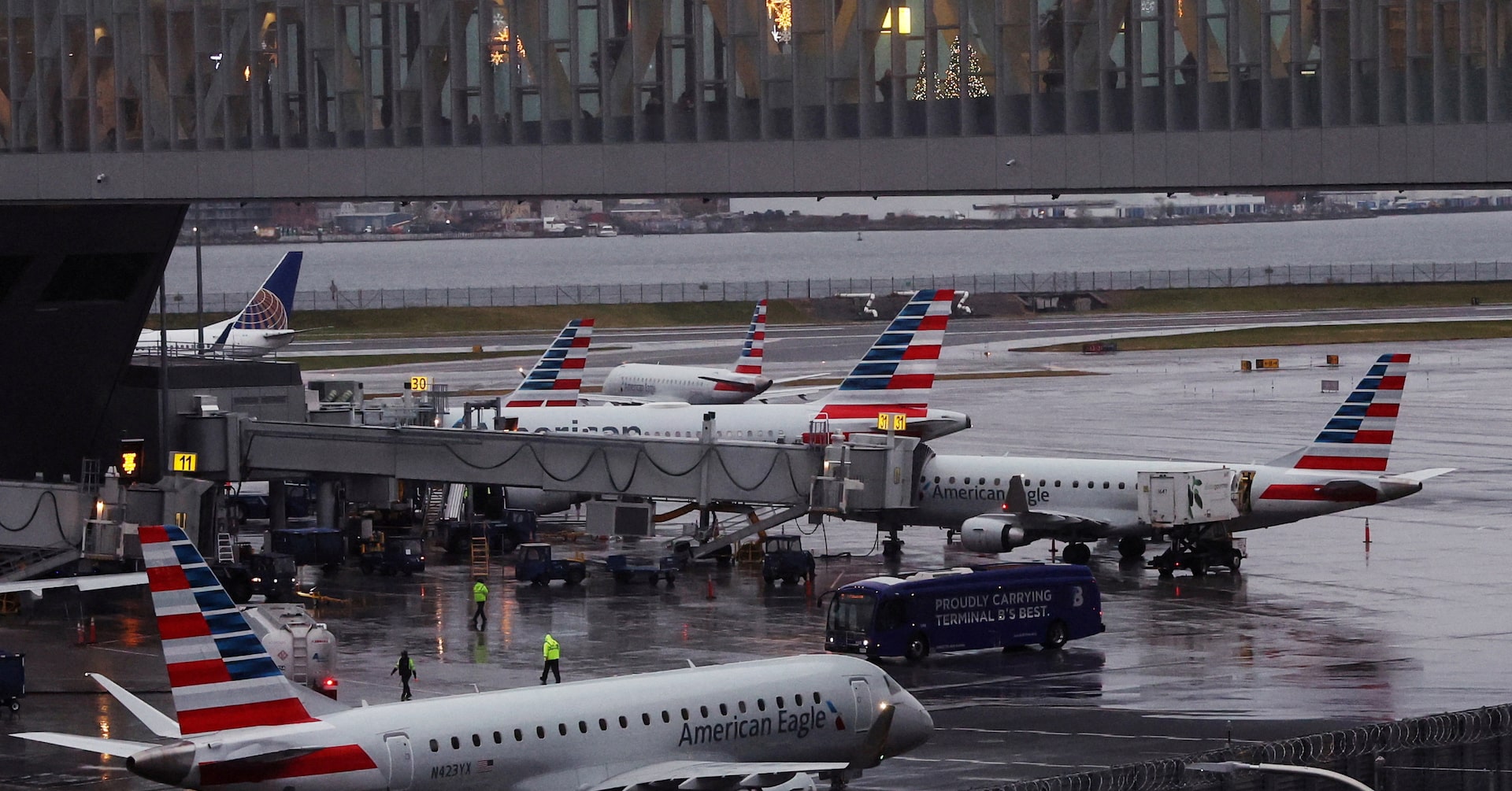
- Surging Fuel Expenses: U.S. scheduled airlines' fuel spending skyrocketed 78% year-over-year to $6.47 billion in April, primarily driven by geopolitical tensions in the Middle East, indicating increasing financial pressure on the aviation industry.
- Jet Fuel Price Surge: The average cost of jet fuel reached $4.11 per gallon in April, a 29.6% increase from March and a staggering 78.2% jump from $2.31 in April 2025, which will further strain airlines' operational costs.
- Slight Consumption Decline: Despite soaring fuel expenses, U.S. carriers consumed 1.573 billion gallons of fuel in April, reflecting a 2.6% decrease from the previous month and a 0.2% drop from a year ago, indicating operational adjustments in a high-cost environment.
- Bleak Industry Outlook: The International Air Transport Association (IATA) sharply downgraded its 2026 global airline net profit forecast to $23 billion, significantly lower than the previous $41 billion estimate, highlighting the profound impact of high fuel costs and operational challenges on the industry.
See More
Airline CEOs Highlight Engine Reliability Issues Impacting Costs

- Engine Reliability Issues: Airline CEOs at the industry gathering in Rio de Janeiro reported that new fuel-efficient engines have not met expected reliability standards, forcing carriers to conduct maintenance sooner than anticipated, which undermines the cost savings initially projected.
- Rising Maintenance Costs: The higher-than-expected failure rates of new engines have led airlines to face more frequent unscheduled maintenance, eroding the anticipated 15% fuel savings and negatively impacting overall profitability.
- Market Supply-Demand Imbalance: Despite improvements in new engine production capabilities, ongoing delays in aircraft production have driven up the market value of older engines, with prices for the CFM56 engine increasing by 17% since 2019, exacerbating financial pressures on airlines.
- Manufacturers' Insufficient Investment: While manufacturers like GE Aerospace claim to be increasing output and improving product quality, industry leaders express disappointment over the profitability of manufacturers, urging them to stop high pricing strategies and focus on producing more reliable engines to meet airline demands.
See More

Airline Engine Shortages Impact Industry Profits
- Engine Reliability Issues: Airline CEOs report that the new engines' reliability has not met expectations, forcing airlines into unscheduled maintenance earlier than planned, which increases operational costs and undermines the anticipated fuel savings.
- Rising Maintenance Costs: The high frequency of failures in new engines has led to significantly increased maintenance costs for airlines, which is expected to impact overall profitability, especially against the backdrop of rising fuel prices that are suppressing profit prospects.
- Strong Market Demand: Despite rising fares, travel demand remains robust, and the revenue lost from grounded aircraft adds financial pressure on the industry, particularly with an anticipated $100 billion increase in fuel expenses this year.
- Manufacturers' Insufficient Investment: Although engine manufacturers have heavily invested in expanding maintenance capabilities, production delays have kept older engine values high, leading to a shortage of engines that affects future production plans and overall industry stability.
See More

Airlines Pressure Engine Makers Amid Ongoing Issues

- Airline Challenges: During the International Air Transport Association's annual meeting, airline CEOs warned that grounded aircraft and higher repair costs could persist for years, with LATAM Brasil's CEO noting 12 single-aisle planes grounded due to engine issues, highlighting significant constraints facing the industry.
- Tight Engine Supply: Despite RTX's Pratt & Whitney and GE Aerospace ramping up investments to enhance repair and production capacity, hundreds of A320neo planes are grounded globally due to long wait times for engine inspections and repairs, indicating that supply pressures are expected to continue for at least another couple of years.
- Rising Maintenance Costs: WestJet's CEO pointed out that modern engines are generating significantly higher maintenance costs than anticipated, with many unscheduled maintenance events increasing ownership costs, thereby impacting airline profitability.
- Profit Discrepancy: IATA's CEO highlighted a disconnect between the financial performance of engine makers, which have seen double-digit margin increases, and airlines facing approximately $11 billion in additional costs due to supply chain disruptions, illustrating the disparity in interests between airlines and engine manufacturers.
See More
United Airlines Abandons Major Merger Pursuit
- Merger Intentions Diminished: United Airlines CEO Scott Kirby stated at the IATA annual meeting that the airline is unlikely to pursue major mergers, although it remains open to acquiring airport slots and other assets, indicating a cautious approach in the M&A market.
- Defense of American Airlines Bid: Kirby defended the failed bid for American Airlines, asserting that the deal would have benefited consumers, yet the opposition from American's management rendered the transaction impractical, highlighting the complexities of competition and collaboration within the industry.
- Position on JetBlue Airways: When asked about the potential acquisition of JetBlue if it enters Chapter 11, Kirby expressed that it is unlikely due to JetBlue's cash flow and unencumbered assets, reflecting United's stringent criteria for potential acquisition targets.
- Impact of Fuel Prices: Kirby noted that despite the pressures from soaring fuel prices, United expects to recover losses through fare increases, indicating the company's strategic adjustments in response to rising operational costs.
See More
US Stocks Show Mixed Performance as Tech Stocks Rebound
- Market Performance: The S&P 500 rose by 0.3% and the Nasdaq 100 jumped 1.6%, while the Dow Jones fell by 0.2%, indicating a positive impact from the rebound in tech stocks despite ongoing geopolitical risks in the Middle East.
- Chip Industry Update: Intel secured an order for over 3 million specialized AI chips from Google, significantly boosting its stock price on Monday, highlighting the continued investment and demand for AI technology from major tech players, which may enhance Intel's market share.
- Airline Cost Pressures: Rising jet fuel prices driven by geopolitical tensions pushed U.S. passenger airlines' fuel expenses up 78% year-over-year in April to nearly $6.5 billion, indicating significant cost challenges that could impact future profitability in the industry.
- Investor Sentiment: Despite Apple's introduction of Siri AI at WWDC 2026, the lack of a clear launch timeline led to a nearly 2% drop in its stock price, reflecting cautious market sentiment towards new technology releases while indicating ongoing investor focus on tech stocks.
See More
U.S. Airlines Fuel Spending Soars 78% Amid Geopolitical Tensions
- Surging Fuel Expenses: U.S. scheduled airlines' fuel spending skyrocketed 78% year-over-year to $6.47 billion in April, primarily driven by geopolitical tensions in the Middle East, indicating increasing financial pressure on the aviation industry.
- Jet Fuel Price Surge: The average cost of jet fuel reached $4.11 per gallon in April, a 29.6% increase from March and a staggering 78.2% jump from $2.31 in April 2025, which will further strain airlines' operational costs.
- Slight Consumption Decline: Despite soaring fuel expenses, U.S. carriers consumed 1.573 billion gallons of fuel in April, reflecting a 2.6% decrease from the previous month and a 0.2% drop from a year ago, indicating operational adjustments in a high-cost environment.
- Bleak Industry Outlook: The International Air Transport Association (IATA) sharply downgraded its 2026 global airline net profit forecast to $23 billion, significantly lower than the previous $41 billion estimate, highlighting the profound impact of high fuel costs and operational challenges on the industry.
See More
Airline CEOs Highlight Engine Reliability Issues Impacting Costs
- Engine Reliability Issues: Airline CEOs at the industry gathering in Rio de Janeiro reported that new fuel-efficient engines have not met expected reliability standards, forcing carriers to conduct maintenance sooner than anticipated, which undermines the cost savings initially projected.
- Rising Maintenance Costs: The higher-than-expected failure rates of new engines have led airlines to face more frequent unscheduled maintenance, eroding the anticipated 15% fuel savings and negatively impacting overall profitability.
- Market Supply-Demand Imbalance: Despite improvements in new engine production capabilities, ongoing delays in aircraft production have driven up the market value of older engines, with prices for the CFM56 engine increasing by 17% since 2019, exacerbating financial pressures on airlines.
- Manufacturers' Insufficient Investment: While manufacturers like GE Aerospace claim to be increasing output and improving product quality, industry leaders express disappointment over the profitability of manufacturers, urging them to stop high pricing strategies and focus on producing more reliable engines to meet airline demands.
See More
Airline Engine Shortages Impact Industry Profits
- Engine Reliability Issues: Airline CEOs report that the new engines' reliability has not met expectations, forcing airlines into unscheduled maintenance earlier than planned, which increases operational costs and undermines the anticipated fuel savings.
- Rising Maintenance Costs: The high frequency of failures in new engines has led to significantly increased maintenance costs for airlines, which is expected to impact overall profitability, especially against the backdrop of rising fuel prices that are suppressing profit prospects.
- Strong Market Demand: Despite rising fares, travel demand remains robust, and the revenue lost from grounded aircraft adds financial pressure on the industry, particularly with an anticipated $100 billion increase in fuel expenses this year.
- Manufacturers' Insufficient Investment: Although engine manufacturers have heavily invested in expanding maintenance capabilities, production delays have kept older engine values high, leading to a shortage of engines that affects future production plans and overall industry stability.
See More
Airlines Pressure Engine Makers Amid Ongoing Issues
- Airline Challenges: During the International Air Transport Association's annual meeting, airline CEOs warned that grounded aircraft and higher repair costs could persist for years, with LATAM Brasil's CEO noting 12 single-aisle planes grounded due to engine issues, highlighting significant constraints facing the industry.
- Tight Engine Supply: Despite RTX's Pratt & Whitney and GE Aerospace ramping up investments to enhance repair and production capacity, hundreds of A320neo planes are grounded globally due to long wait times for engine inspections and repairs, indicating that supply pressures are expected to continue for at least another couple of years.
- Rising Maintenance Costs: WestJet's CEO pointed out that modern engines are generating significantly higher maintenance costs than anticipated, with many unscheduled maintenance events increasing ownership costs, thereby impacting airline profitability.
- Profit Discrepancy: IATA's CEO highlighted a disconnect between the financial performance of engine makers, which have seen double-digit margin increases, and airlines facing approximately $11 billion in additional costs due to supply chain disruptions, illustrating the disparity in interests between airlines and engine manufacturers.
See More