United Airlines CEO Downplays Merger Speculation with American Airlines
Written by Emily J. Thompson, Senior Investment Analyst
Updated: Apr 22 2026
0mins
Source: Newsfilter
- Merger Speculation Clarified: United Airlines CEO Scott Kirby downplayed merger rumors with American Airlines during the earnings call, emphasizing that his comments reflect long-held views rather than responses to recent merger reports, demonstrating the company's cautious stance towards market speculation.
- Government Meeting Context: Kirby mentioned the idea of a combination with American during a meeting with President Trump, originally scheduled to discuss the future of Washington's Dulles Airport, reflecting industry leaders' concerns about mergers, although American has shown no interest in pursuing a deal.
- Global Competition Perspective: Kirby pointed out that U.S. airlines face structural disadvantages in global competition, particularly against large carriers in the Middle East and Asia, emphasizing that United's growth has stemmed from customer diversification rather than reliance on mergers.
- Investment and Partnership Strategy: He noted that United has improved performance through investments in onboard products and technology despite rising fuel costs, and highlighted the role of the Star Alliance network in enhancing global service capabilities, indicating the company's strategic positioning in the market.
Trade with 70% Backtested Accuracy
Stop guessing "Should I Buy UAL?" and start using high-conviction signals backed by rigorous historical data.
Sign up today to access powerful investing tools and make smarter, data-driven decisions.
Analyst Views on UAL
Wall Street analysts forecast UAL stock price to rise
16 Analyst Rating
15 Buy
1 Hold
0 Sell
Strong Buy
Current: 96.020

Low
115.00
Averages
139.07
High
156.00
Current: 96.020
Low
115.00
Averages
139.07
High
156.00
About UAL
United Airlines Holdings, Inc. is a holding company. The Company transports people and cargo throughout North America and to destinations in Asia, Europe, Africa, the Pacific, the Middle East and Latin America. The Company, through United Airlines, Inc., and its regional carriers, operates across over six continents, with hubs at Chicago O'Hare International Airport (ORD), Denver International Airport (DEN), George Bush Intercontinental Airport (IAH), Los Angeles International Airport (LAX), Newark Liberty International Airport (EWR), San Francisco International Airport (SFO), Washington Dulles International Airport (IAD) and A.B. Won Pat International Airport (GUM). Its hub and spoke system allow it to transport passengers between a large number of destinations with frequent services. The Company has contractual relationships with various regional carriers to provide regional aircraft service branded as United Express. It provides freight and mail transportation services (Air Cargo).
About the author

Emily J. Thompson
Emily J. Thompson, a Chartered Financial Analyst (CFA) with 12 years in investment research, graduated with honors from the Wharton School. Specializing in industrial and technology stocks, she provides in-depth analysis for Intellectia’s earnings and market brief reports.

Buffett Reinvests in Delta Airlines After Six Years


- Buffett's Return to Airlines: Under new CEO Greg Abel, Berkshire Hathaway's first 13F filing reveals a $2.65 billion investment in Delta Airlines, making it the 14th largest holding with a 6.1% stake, indicating a renewed confidence in the airline sector.
- Delta's Revenue Growth: In Q1 2026, Delta's adjusted operating revenue reached a record $14.2 billion, up 9.4% year-over-year, with high-margin premium products and loyalty revenue growing by 14% and 13% respectively, showcasing the company's successful transformation into a brand with significant value.
- Fuel Cost Challenges: Despite facing a doubling of fuel prices due to Middle East conflicts, leading to over $2 billion in additional costs expected in Q2, Delta is responding by trimming capacity and raising fares to recover 40% to 50% of the increased costs.
- Long-Term Growth Potential: Delta's management projects adjusted earnings per share for 2026 to be between $6.50 and $7.50, implying about 20% growth at the midpoint, with the current stock price around $72 trading at approximately 10 times earnings, presenting a favorable investment opportunity.
See More
Berkshire Hathaway's Major Portfolio Overhaul Under Greg Abel


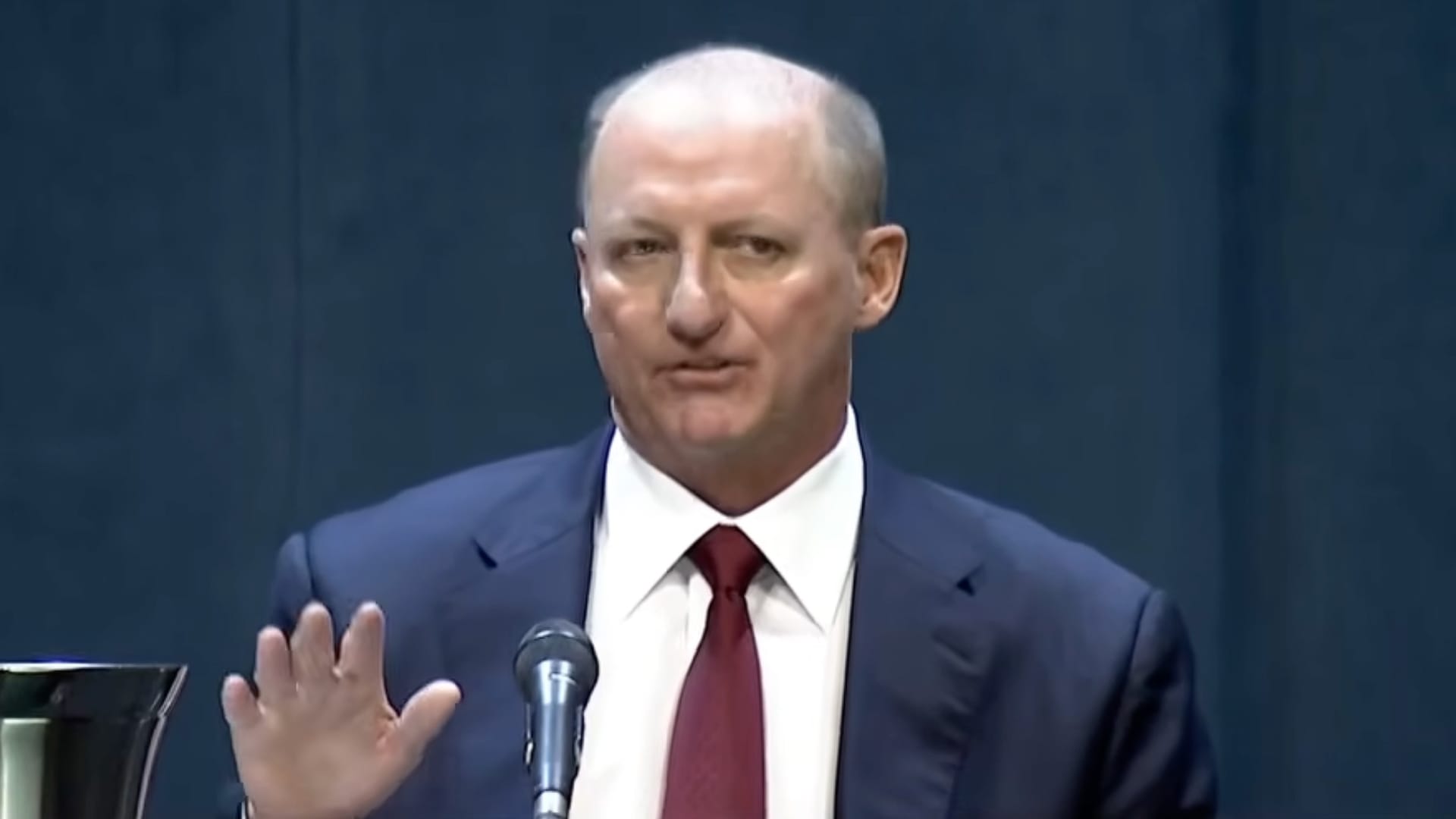
- Portfolio Restructuring: Under Greg Abel's leadership, Berkshire Hathaway's equity portfolio underwent significant changes in the first three months, adding Delta Air Lines and Macy's, indicating a renewed focus on the airline and retail sectors.
- Massive Alphabet Stake Increase: Berkshire increased its stake in Google's parent company Alphabet by 224% in Q1, making it the company's seventh-largest holding with a market value of $16.6 billion, and the stock has rallied 38% since, showcasing the success of this decision.
- Reduction in Holdings: Abel dramatically cut the number of companies in the portfolio, selling off major stakes including Amazon and Visa, with Amazon's shares reduced from 10 million to 2.3 million, reflecting a significant strategic shift in investment focus.
- Return to Delta Airlines: Berkshire purchased 39.8 million shares of Delta Air Lines in Q1, currently valued at $2.8 billion, marking the company's first return to airline stocks since 2020, demonstrating confidence in the recovery of the airline industry.
See More

Berkshire Hathaway Reenters Airline Sector with Delta Stake

- Delta Stake Acquisition: Berkshire Hathaway has acquired a stake in Delta Air Lines worth over $2.6 billion, making it the company's 14th largest holding, marking a return to the airline sector after exiting during the pandemic, indicating confidence in the industry's recovery.
- Portfolio Rebalancing: In the first quarter, Berkshire trimmed its stake in Chevron while significantly increasing its investment in Alphabet, now the seventh largest holding, reflecting a strategic shift towards technology stocks.
- Stock Sales: The conglomerate sold several stocks last quarter, including Mastercard and Visa, likely to unwind positions tied to departed investment manager Todd Combs, showcasing a strategic adjustment following management changes.
- Increased Cash Reserves: Buffett acknowledged the current investment environment is not ideal, with Berkshire's cash reserves nearing $400 billion, indicating challenges in finding suitable investment opportunities.
See More
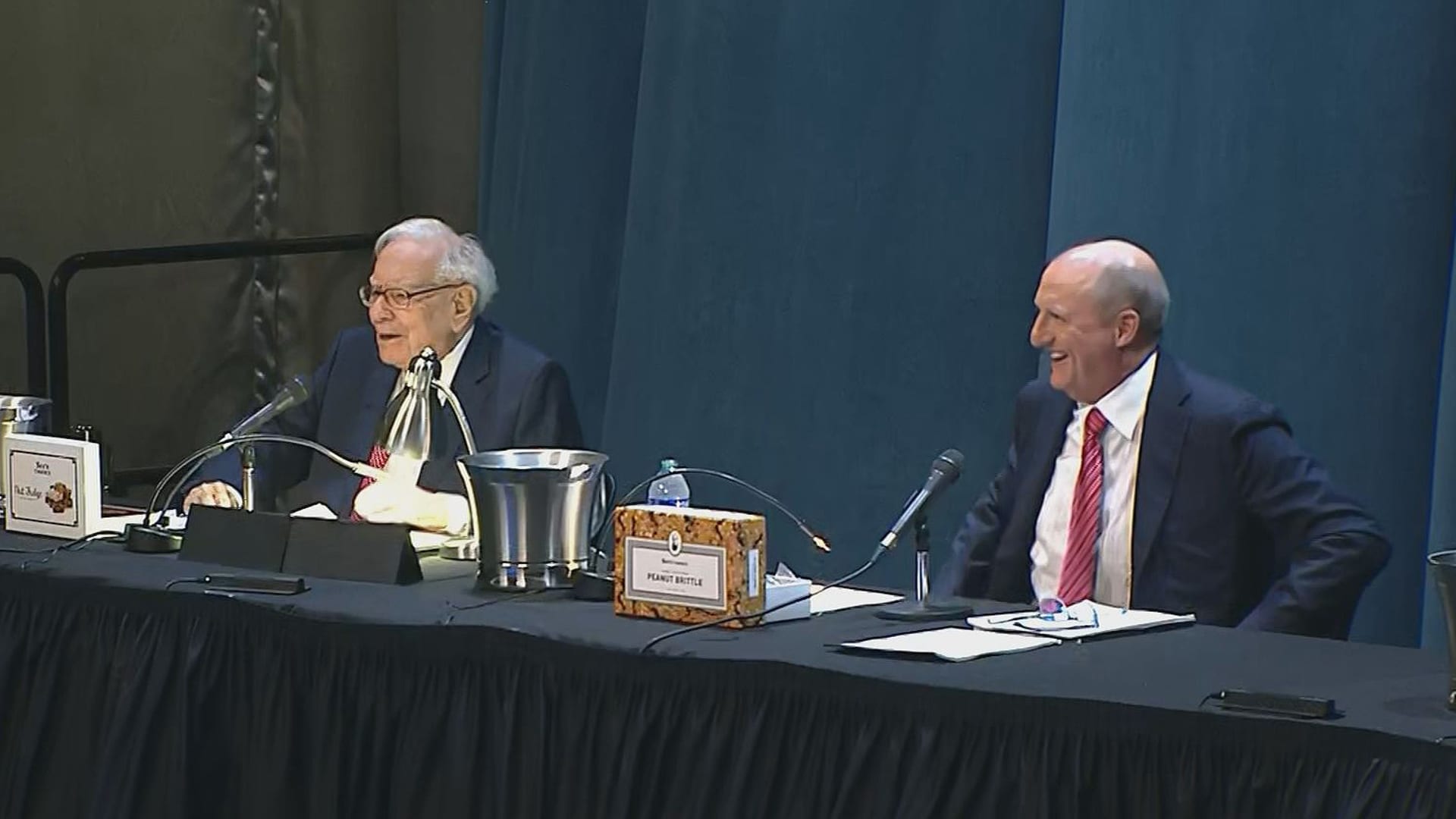
Berkshire Hathaway Reenters Airline Sector with Delta Stake
- Return to Airlines: Berkshire Hathaway has acquired a stake worth over $2.6 billion in Delta Air Lines, marking its return to the airline industry after exiting entirely during the pandemic in 2020, which reflects confidence in the recovery of the aviation market.
- Portfolio Adjustments: In the first quarter, Berkshire trimmed its stake in Chevron while significantly increasing its investment in Alphabet, now its seventh-largest holding, indicating a strategic shift towards technology stocks.
- Impact of Executive Changes: Following the departure of investment manager Todd Combs, Berkshire sold several stocks last quarter, including a complete exit from Amazon, highlighting the necessity of adjusting investment strategies in response to leadership changes.
- Cash Reserve Challenges: Buffett acknowledged the current investment environment is not ideal, with Berkshire's cash reserves nearing $400 billion; nevertheless, the company resumed stock buybacks in the first quarter, signaling a search for suitable investment opportunities.
See More

Nasdaq and S&P 500 Futures Plunge Over 1%


- Inflation Concerns Rise: The yield on 10-year U.S. Treasury notes surged to 4.54%, the highest since June 2025, driven by inflation expectations stemming from the Middle East conflict, which could hinder economic growth as investors brace for faster interest rate hikes.
- Increased Rate Hike Odds: The probability of a 25 basis point rate hike by the Federal Reserve in December has more than doubled to about 40% over the past week, according to CME Group's Fedwatch tool, indicating heightened market anxiety regarding monetary policy that may negatively impact stock prices.
- Rising Energy Prices: Brent crude prices rose nearly 3% to $109 per barrel as the closure of the Strait of Hormuz heightened concerns over global energy supplies, potentially fueling inflation expectations and increasing borrowing costs, which could dampen investor sentiment in tech stocks.
- Market Pullback Signs: Following record-setting sessions, Nasdaq and S&P 500 futures fell by 1.56% and 1.07%, respectively, reflecting market concerns over persistent inflation and rising interest rates, despite previous optimism driven by enthusiasm around artificial intelligence.
See More

Delta Airlines' Strategy Amid Industry Pressures
- Industry Pressure Intensifies: The airline sector is grappling with rising fuel costs, delivery delays, and geopolitical disruptions, particularly affecting carriers reliant on low-priced tickets, while Delta Airlines has partially mitigated these pressures through diversified revenue streams.
- Revenue Growth Strategy: Delta has successfully transformed premium seating, loyalty programs, and cargo operations into significant components of its total revenue, thereby enhancing its competitive position in the market.
- Musk's Criticism: Elon Musk criticized Delta on social media for opting for Amazon's Leo satellite network over SpaceX's Starlink, arguing that this choice complicates customer experience and could lead to passenger loss, highlighting strategic risks in the airline's technology decisions.
- Strong Stock Performance: Despite external pressures, Delta's stock has gained over 42% in the past 12 months, making it the only major airline with a year-to-date increase exceeding 3%, demonstrating its relative resilience amid industry turmoil.
See More
Buffett Reinvests in Delta Airlines After Six Years
- Buffett's Return to Airlines: Under new CEO Greg Abel, Berkshire Hathaway's first 13F filing reveals a $2.65 billion investment in Delta Airlines, making it the 14th largest holding with a 6.1% stake, indicating a renewed confidence in the airline sector.
- Delta's Revenue Growth: In Q1 2026, Delta's adjusted operating revenue reached a record $14.2 billion, up 9.4% year-over-year, with high-margin premium products and loyalty revenue growing by 14% and 13% respectively, showcasing the company's successful transformation into a brand with significant value.
- Fuel Cost Challenges: Despite facing a doubling of fuel prices due to Middle East conflicts, leading to over $2 billion in additional costs expected in Q2, Delta is responding by trimming capacity and raising fares to recover 40% to 50% of the increased costs.
- Long-Term Growth Potential: Delta's management projects adjusted earnings per share for 2026 to be between $6.50 and $7.50, implying about 20% growth at the midpoint, with the current stock price around $72 trading at approximately 10 times earnings, presenting a favorable investment opportunity.
See More
Berkshire Hathaway's Major Portfolio Overhaul Under Greg Abel
- Portfolio Restructuring: Under Greg Abel's leadership, Berkshire Hathaway's equity portfolio underwent significant changes in the first three months, adding Delta Air Lines and Macy's, indicating a renewed focus on the airline and retail sectors.
- Massive Alphabet Stake Increase: Berkshire increased its stake in Google's parent company Alphabet by 224% in Q1, making it the company's seventh-largest holding with a market value of $16.6 billion, and the stock has rallied 38% since, showcasing the success of this decision.
- Reduction in Holdings: Abel dramatically cut the number of companies in the portfolio, selling off major stakes including Amazon and Visa, with Amazon's shares reduced from 10 million to 2.3 million, reflecting a significant strategic shift in investment focus.
- Return to Delta Airlines: Berkshire purchased 39.8 million shares of Delta Air Lines in Q1, currently valued at $2.8 billion, marking the company's first return to airline stocks since 2020, demonstrating confidence in the recovery of the airline industry.
See More
Berkshire Hathaway Reenters Airline Sector with Delta Stake
- Delta Stake Acquisition: Berkshire Hathaway has acquired a stake in Delta Air Lines worth over $2.6 billion, making it the company's 14th largest holding, marking a return to the airline sector after exiting during the pandemic, indicating confidence in the industry's recovery.
- Portfolio Rebalancing: In the first quarter, Berkshire trimmed its stake in Chevron while significantly increasing its investment in Alphabet, now the seventh largest holding, reflecting a strategic shift towards technology stocks.
- Stock Sales: The conglomerate sold several stocks last quarter, including Mastercard and Visa, likely to unwind positions tied to departed investment manager Todd Combs, showcasing a strategic adjustment following management changes.
- Increased Cash Reserves: Buffett acknowledged the current investment environment is not ideal, with Berkshire's cash reserves nearing $400 billion, indicating challenges in finding suitable investment opportunities.
See More
Berkshire Hathaway Reenters Airline Sector with Delta Stake
- Return to Airlines: Berkshire Hathaway has acquired a stake worth over $2.6 billion in Delta Air Lines, marking its return to the airline industry after exiting entirely during the pandemic in 2020, which reflects confidence in the recovery of the aviation market.
- Portfolio Adjustments: In the first quarter, Berkshire trimmed its stake in Chevron while significantly increasing its investment in Alphabet, now its seventh-largest holding, indicating a strategic shift towards technology stocks.
- Impact of Executive Changes: Following the departure of investment manager Todd Combs, Berkshire sold several stocks last quarter, including a complete exit from Amazon, highlighting the necessity of adjusting investment strategies in response to leadership changes.
- Cash Reserve Challenges: Buffett acknowledged the current investment environment is not ideal, with Berkshire's cash reserves nearing $400 billion; nevertheless, the company resumed stock buybacks in the first quarter, signaling a search for suitable investment opportunities.
See More
Nasdaq and S&P 500 Futures Plunge Over 1%
- Inflation Concerns Rise: The yield on 10-year U.S. Treasury notes surged to 4.54%, the highest since June 2025, driven by inflation expectations stemming from the Middle East conflict, which could hinder economic growth as investors brace for faster interest rate hikes.
- Increased Rate Hike Odds: The probability of a 25 basis point rate hike by the Federal Reserve in December has more than doubled to about 40% over the past week, according to CME Group's Fedwatch tool, indicating heightened market anxiety regarding monetary policy that may negatively impact stock prices.
- Rising Energy Prices: Brent crude prices rose nearly 3% to $109 per barrel as the closure of the Strait of Hormuz heightened concerns over global energy supplies, potentially fueling inflation expectations and increasing borrowing costs, which could dampen investor sentiment in tech stocks.
- Market Pullback Signs: Following record-setting sessions, Nasdaq and S&P 500 futures fell by 1.56% and 1.07%, respectively, reflecting market concerns over persistent inflation and rising interest rates, despite previous optimism driven by enthusiasm around artificial intelligence.
See More
Delta Airlines' Strategy Amid Industry Pressures
- Industry Pressure Intensifies: The airline sector is grappling with rising fuel costs, delivery delays, and geopolitical disruptions, particularly affecting carriers reliant on low-priced tickets, while Delta Airlines has partially mitigated these pressures through diversified revenue streams.
- Revenue Growth Strategy: Delta has successfully transformed premium seating, loyalty programs, and cargo operations into significant components of its total revenue, thereby enhancing its competitive position in the market.
- Musk's Criticism: Elon Musk criticized Delta on social media for opting for Amazon's Leo satellite network over SpaceX's Starlink, arguing that this choice complicates customer experience and could lead to passenger loss, highlighting strategic risks in the airline's technology decisions.
- Strong Stock Performance: Despite external pressures, Delta's stock has gained over 42% in the past 12 months, making it the only major airline with a year-to-date increase exceeding 3%, demonstrating its relative resilience amid industry turmoil.
See More