Oppenheimer Increases Blue Owl Capital Price Target to $25 from $24
Price Target Adjustment: Oppenheimer raised the price target for Blue Owl Capital from $24 to $25 while maintaining an Outperform rating on the shares.
Earnings Call Insights: The firm's analysis of the company's Q3 earnings call provides support for both optimistic and cautious perspectives regarding market behavior, referencing Warren Buffett's investment philosophy.
Market Sentiment: Oppenheimer aligns with a more aggressive investment stance, indicating a preference for being "greedy" in the current market climate.
Investment Strategy: The commentary reflects a broader strategy of capitalizing on market opportunities, suggesting confidence in Blue Owl Capital's performance.
Trade with 70% Backtested Accuracy
Analyst Views on OWL

About OWL
About the author

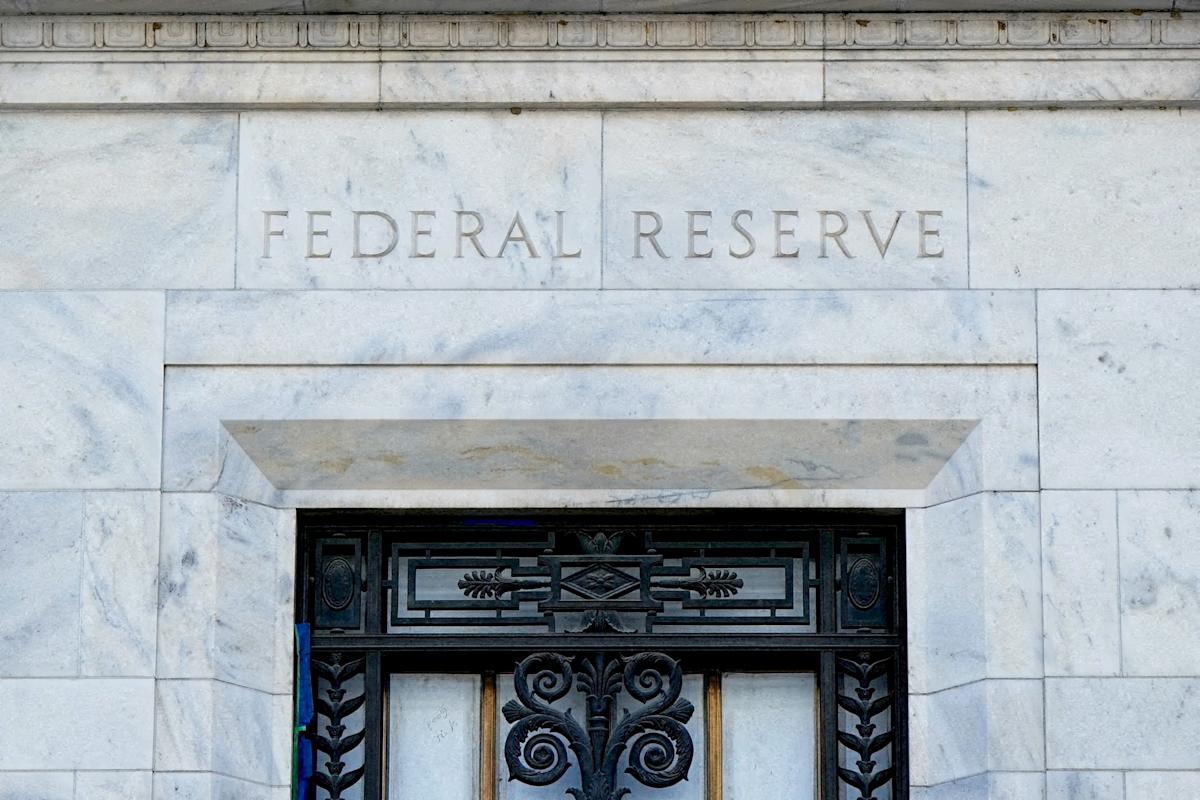
Federal Reserve: Private Credit Risks Manageable

- Financial System Risk Assessment: The Federal Reserve's latest report indicates that risks from private credit to the financial system are 'limited and manageable,' although credit availability for higher-risk borrowers may decrease due to redemptions and negative sentiment, impacting their financing costs and accessibility.
- Redemption Wave Impact: Following the cancellation of a merger by private credit lender Blue Owl Capital, investors have rushed to redeem their investments, heightening market concerns, particularly regarding the potential disruption of traditional software business models, which could lead to a surge in defaults among previously safe companies.
- Liquidity Risk Warning: The report highlights that some open-end bond and loan mutual funds face 'liquidity transformation risks' that could trigger asset fire sales during market downturns, even as overall loan default rates remain relatively low, demonstrating market resilience.
- Insurance Company Investment Trends: Over the past decade, life insurers have steadily increased their investments in risky and illiquid assets, contributing to the expansion of private credit, although the Fed notes that banks continue to increase loan commitments and outstanding amounts to private credit funds, reflecting normal risk management practices.

Blue Owl Reduces Software Investment Exposure Amid AI Uncertainty

- Decline in Software Assets: Blue Owl's CEO Craig Packer reported that the share of software assets in the portfolio decreased from 19% to 16% in Q1, primarily due to borrower repayments, indicating a cautious stance towards the software sector amid AI uncertainties.
- Dividend Cut: OBDC reduced its dividend from 36 cents to 31 cents per share, reflecting a conservative financial strategy in light of a 2.7% decline in overall asset value to $14.41 per share, as the company navigates market volatility.
- Weak Market Performance: Although Blue Owl's stock has begun to recover from lows in March and April, it remains down 30% year-to-date, highlighting investor concerns regarding the private credit sector, particularly in the context of high valuations.
- Stock Buybacks: OBDC and Blue Owl Technology Finance Corp repurchased a combined $85 million in stock during Q1, demonstrating the company's commitment to enhancing shareholder value, despite a 7.1% decline in its stock price this year.
Blue Owl's Private Credit Fund OBDC to Remain "Very Cautious" in Software Investments, According to Fund President
- Cautious Approach: The private credit fund OBDC will continue to exercise caution in the software sector.
- Leadership Insight: The fund president emphasizes the importance of being "very cautious" in their investment strategies.
BLUE OWL CAPITAL STOCK FALLS 3.2% IN PREMARKET TRADING FOLLOWING DIVIDEND CUT (UPDATED WITH CORRECT RIC AND EXPLANATION)
- Market Reaction: Blue Owl Capital shares fell by 3.2% in pre-market trading following the announcement of a dividend cut.
- Dividend Adjustment: The company clarified the reasons behind the decision to reduce the dividend, indicating a strategic financial move.
BLUE OWL CAPITAL STOCK FALLS 3.2% IN PREMARKET TRADING FOLLOWING DIVIDEND CUTS BY TWO PRIVATE CREDIT FUNDS
Market Performance: Blue Owl Capital shares have decreased by 3.2% in pre-market trading.
Dividend Cuts: The decline follows the company's decision to cut dividends for two of its private credit funds.
Blue Owl Capital Cuts Dividend Amid Rising Borrowing Costs
- Dividend Cut: Blue Owl Capital announced a reduction in its dividend from 0.36 cents to 0.31 cents per share, reflecting a decrease in net asset value per share in the first quarter, indicating financial pressure on the company.
- Decline in Asset Value: The company reported a decrease in net asset value per share in its first-quarter filing, primarily attributed to rising borrowing costs in debt markets, which could impact its future investment capacity and returns.
- Market Environment Impact: As borrowing costs rise, Blue Owl Capital may need to adjust its investment strategy to navigate the changing market landscape, ensuring long-term financial stability.
- Investor Confidence Challenge: The dividend cut may negatively affect investor confidence, particularly among those seeking stable income, potentially leading to stock price volatility and capital outflows.
Federal Reserve: Private Credit Risks Manageable
- Financial System Risk Assessment: The Federal Reserve's latest report indicates that risks from private credit to the financial system are 'limited and manageable,' although credit availability for higher-risk borrowers may decrease due to redemptions and negative sentiment, impacting their financing costs and accessibility.
- Redemption Wave Impact: Following the cancellation of a merger by private credit lender Blue Owl Capital, investors have rushed to redeem their investments, heightening market concerns, particularly regarding the potential disruption of traditional software business models, which could lead to a surge in defaults among previously safe companies.
- Liquidity Risk Warning: The report highlights that some open-end bond and loan mutual funds face 'liquidity transformation risks' that could trigger asset fire sales during market downturns, even as overall loan default rates remain relatively low, demonstrating market resilience.
- Insurance Company Investment Trends: Over the past decade, life insurers have steadily increased their investments in risky and illiquid assets, contributing to the expansion of private credit, although the Fed notes that banks continue to increase loan commitments and outstanding amounts to private credit funds, reflecting normal risk management practices.
Blue Owl Reduces Software Investment Exposure Amid AI Uncertainty
- Decline in Software Assets: Blue Owl's CEO Craig Packer reported that the share of software assets in the portfolio decreased from 19% to 16% in Q1, primarily due to borrower repayments, indicating a cautious stance towards the software sector amid AI uncertainties.
- Dividend Cut: OBDC reduced its dividend from 36 cents to 31 cents per share, reflecting a conservative financial strategy in light of a 2.7% decline in overall asset value to $14.41 per share, as the company navigates market volatility.
- Weak Market Performance: Although Blue Owl's stock has begun to recover from lows in March and April, it remains down 30% year-to-date, highlighting investor concerns regarding the private credit sector, particularly in the context of high valuations.
- Stock Buybacks: OBDC and Blue Owl Technology Finance Corp repurchased a combined $85 million in stock during Q1, demonstrating the company's commitment to enhancing shareholder value, despite a 7.1% decline in its stock price this year.
Blue Owl's Private Credit Fund OBDC to Remain "Very Cautious" in Software Investments, According to Fund President
- Cautious Approach: The private credit fund OBDC will continue to exercise caution in the software sector.
- Leadership Insight: The fund president emphasizes the importance of being "very cautious" in their investment strategies.
BLUE OWL CAPITAL STOCK FALLS 3.2% IN PREMARKET TRADING FOLLOWING DIVIDEND CUT (UPDATED WITH CORRECT RIC AND EXPLANATION)
- Market Reaction: Blue Owl Capital shares fell by 3.2% in pre-market trading following the announcement of a dividend cut.
- Dividend Adjustment: The company clarified the reasons behind the decision to reduce the dividend, indicating a strategic financial move.
BLUE OWL CAPITAL STOCK FALLS 3.2% IN PREMARKET TRADING FOLLOWING DIVIDEND CUTS BY TWO PRIVATE CREDIT FUNDS
Market Performance: Blue Owl Capital shares have decreased by 3.2% in pre-market trading.
Dividend Cuts: The decline follows the company's decision to cut dividends for two of its private credit funds.
Blue Owl Capital Cuts Dividend Amid Rising Borrowing Costs
- Dividend Cut: Blue Owl Capital announced a reduction in its dividend from 0.36 cents to 0.31 cents per share, reflecting a decrease in net asset value per share in the first quarter, indicating financial pressure on the company.
- Decline in Asset Value: The company reported a decrease in net asset value per share in its first-quarter filing, primarily attributed to rising borrowing costs in debt markets, which could impact its future investment capacity and returns.
- Market Environment Impact: As borrowing costs rise, Blue Owl Capital may need to adjust its investment strategy to navigate the changing market landscape, ensuring long-term financial stability.
- Investor Confidence Challenge: The dividend cut may negatively affect investor confidence, particularly among those seeking stable income, potentially leading to stock price volatility and capital outflows.