Uber Expands Strategic Partnership with Life360

Uber (UBER) and Life360 (LIF) announced the expansion of their strategic partnership to "help families navigate everyday transportation with greater ease, visibility, and confidence." According to the companies, "The first-of-its-kind integration will allow users across Life360 and Uber to link their accounts - including Uber teen accounts, making it easier for parents and teens to coordinate rides, stay informed in real time, and move through their day with added peace of mind. Building on a successful collaboration that already helps families navigate everyday moments, such as timely Uber ride reminders when members land at airports, the next phase brings Uber more deeply into the Life360 experience. Over the coming months, the companies will deliver an integrated experience with real-time trip tracking, ride booking, membership benefits, and more to Life360 and Uber users. The collaboration aims to serve the evolving trust, coordination, and mobility needs of modern families and their teens." The new integration will be available later this year as part of the companies' renewed partnership and will evolve over time as Uber and Life360 collaborate to meet the changing needs of today's families.
Trade with 70% Backtested Accuracy
Analyst Views on UBER

About UBER
About the author


UBER SET TO PURCHASE WORLDWIDE CHAUFFEUR SERVICE FRONT-RUNNER BLACKLANE

Acquisition Announcement: Uber has announced its acquisition of Global Chauffeurs Service Leader Blacklane, enhancing its service offerings in the premium transportation sector.
Strategic Expansion: This acquisition is part of Uber's strategy to expand its presence in the luxury travel market and improve its competitive edge against other ride-hailing services.
Service Integration: The integration of Blacklane's services is expected to provide Uber users with more options for high-end transportation, catering to business and leisure travelers.
Market Impact: The move is anticipated to strengthen Uber's position in the global market, potentially attracting a new customer base looking for premium chauffeur services.

UBER SET TO PURCHASE CHAUFFEUR SERVICE BLACKLANE
Uber's Acquisition: Uber has acquired the chauffeur service Blacklane to enhance its offerings in the premium transportation market.
Expansion of Services: This acquisition allows Uber to expand its service range, providing customers with more luxurious and professional transportation options.
Market Strategy: The move is part of Uber's strategy to compete more effectively in the high-end travel segment against other luxury transport services.
Impact on Drivers: The integration of Blacklane's services may also affect the existing driver partnerships and operational dynamics within Uber's platform.

Aurora Leads the Charge in Autonomous Trucking

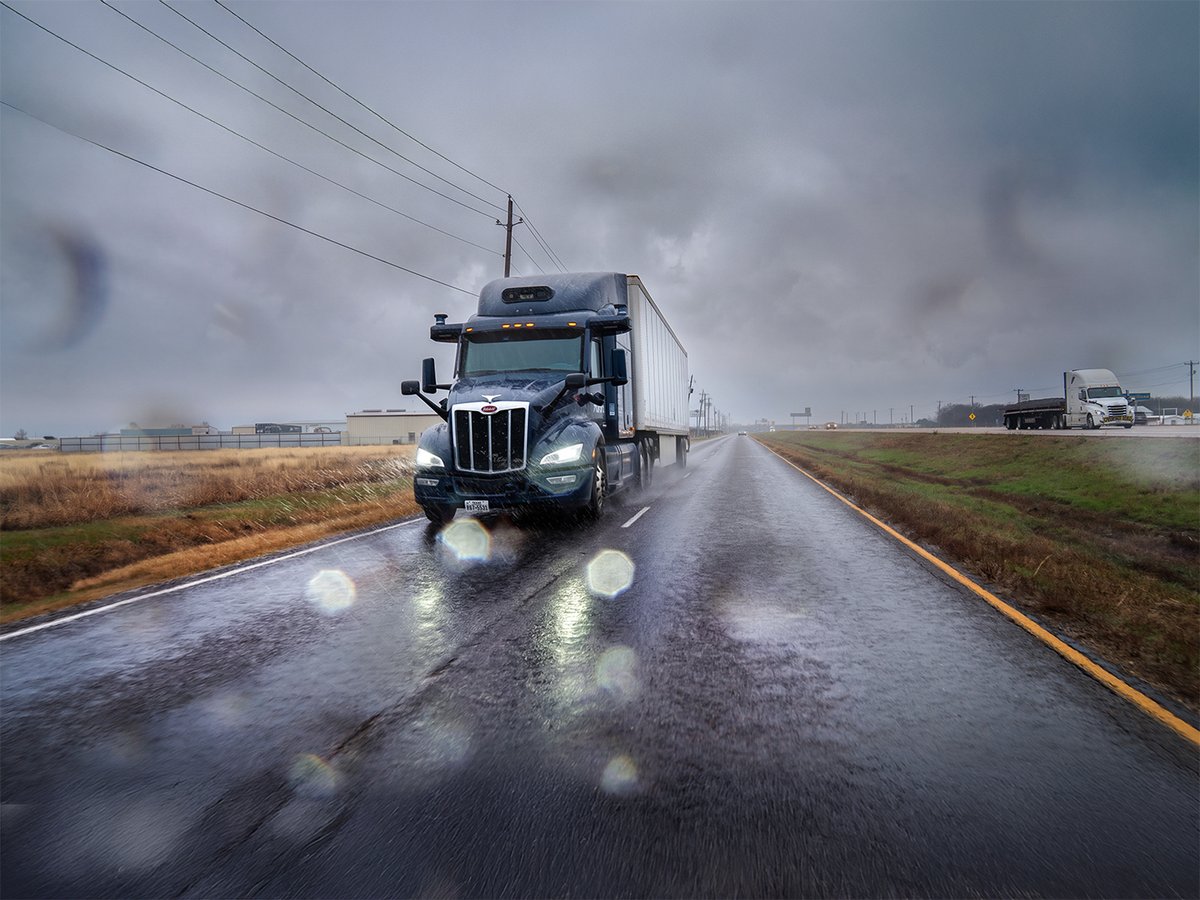
- Industry Pioneer: Aurora Innovation has successfully validated driverless operations between Dallas and Houston since deploying its first autonomous trucks in April last year, marking its leadership in the autonomous trucking sector and is expected to drive significant business growth.
- Business Expansion: By validating autonomous freight movement on the 1,000-mile route from Fort Worth to Phoenix, Aurora has surpassed 'hours of service' limitations and anticipates operating over 200 driverless trucks by year-end, projecting annual revenue to reach $80 million.
- Technological Innovation: QuantumScape has accelerated its manufacturing speed by 25 times through its Cobra process and launched a new automated pilot line, aiming to commercialize solid-state batteries, which could play a crucial role in the convergence of electric and driverless vehicles.
- Market Opportunity: Uber Technologies has established partnerships with over 20 autonomous vehicle tech companies, leveraging its strong market share and user base to mitigate development risks, and is expected to enhance profitability of its existing business through the utilization of driverless vehicles.
Rapid Growth in the Driverless Vehicle Industry
- Pioneering Autonomous Trucks: Aurora Innovation has validated driverless operations between Dallas and Houston since its first deployment in April last year, and it expects a 400% revenue increase to a forecasted $14 million to $16 million by 2026, showcasing strong growth potential in the autonomous freight market.
- Outstanding Safety Record: As of January 2026, Aurora has logged over 250,000 driverless miles with zero collisions attributed to the Aurora Driver, establishing a solid foundation for future business expansion and enhancing investor confidence.
- Uber's Capital-Light Strategy: Uber Technologies leverages its dominant position in rideshare and delivery, partnering with autonomous tech firms like Aurora and Waymo to mitigate development risks while aiming to enhance profitability through driverless vehicles, making it an attractive option for risk-averse investors.
- Quantum Battery Technology Breakthrough: QuantumScape is developing solid-state battery technology that could significantly improve EV battery density and safety; despite facing fierce competition, its partnership with Volkswagen Group and accelerated production capabilities position it uniquely in the autonomous EV market.
Archer Aviation's Ambitious eVTOL Vision Faces Challenges


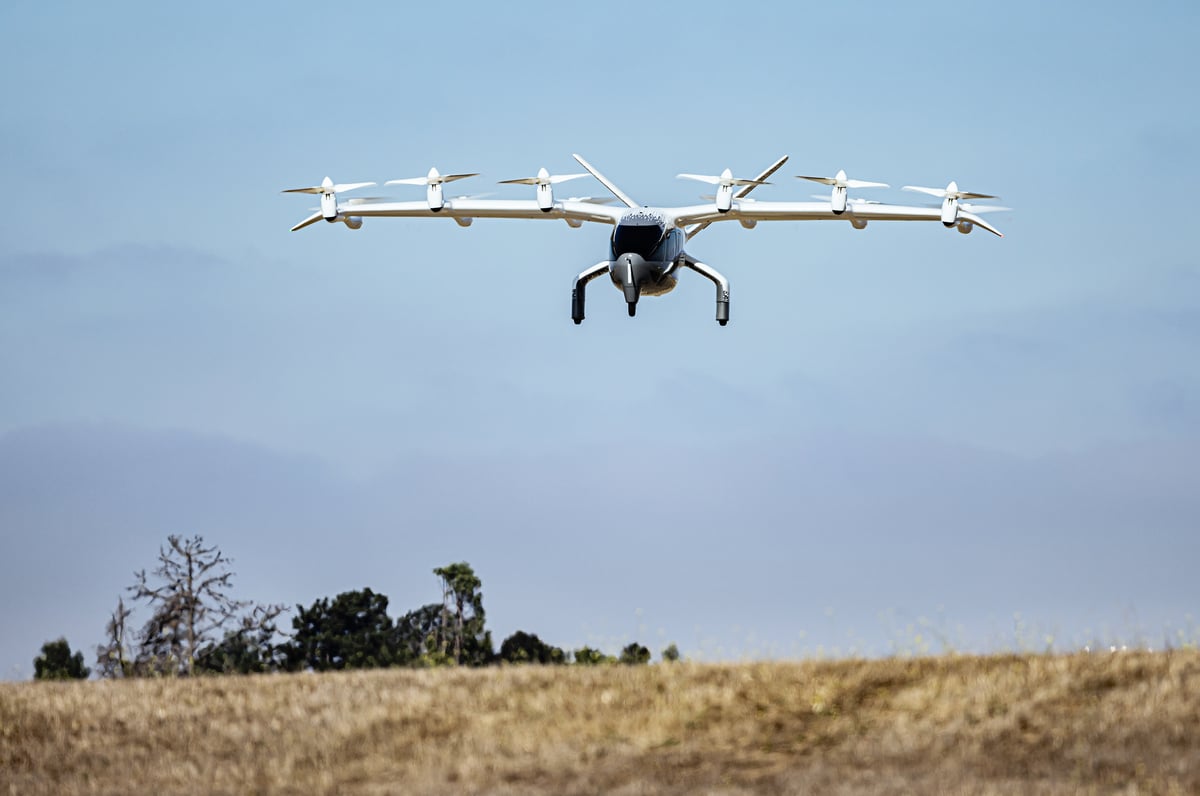
- Market Potential: Archer Aviation's electric vertical takeoff and landing (eVTOL) aircraft could evolve into a fleet of thousands of flying taxis, with Morgan Stanley estimating the urban air mobility market could reach $9 trillion by 2050, highlighting its commercial potential.
- Regulatory Approval Pending: Although Archer has been selected for the White House's eVTOL Integration Pilot Program in Texas, Florida, and New York to aid in obtaining regulatory approval for commercial flights, it still lacks the necessary permissions, limiting its market entry.
- Financial Challenges: With a market cap of approximately $3.7 billion and a claimed backlog of $6 billion, Archer faces significant financial strain due to ongoing net losses and high cash burn from infrastructure development, raising concerns about its sustainability.
- Competitive Pressure: To dominate the global eVTOL market, Archer must surpass competitors like Joby Aviation; while the market potential is vast, the likelihood of achieving a 100-fold growth seems low, with more realistic projections suggesting a 10 to 20-fold increase over the next decade.

Micron Technology Reports Blowout Earnings, Stock Reaction Muted


- Impressive Earnings: Micron Technology's latest earnings report revealed quarterly revenue nearing $24 billion, nearly tripling year-over-year and exceeding market expectations by nearly $4 billion; however, the stock fell about 2.8%, indicating market caution regarding future growth.
- Doubling Gross Margin: The company's gross margin doubled year-over-year to approximately 74%, an extraordinary feat for a mature company, reflecting significant pricing power amid surging demand for AI infrastructure.
- Strong Guidance: Micron's revenue guidance for the current quarter is set at $33.5 billion, well above analysts' expectations of $24.3 billion, suggesting a nearly 50% gross margin and indicating continued benefits from the AI investment surge.
- Strategic Customer Agreements: Micron is entering into long-term strategic agreements with customers, marking its first five-year contracts, which will provide greater business predictability and could alter the cyclical nature of the memory chip industry.
UBER SET TO PURCHASE WORLDWIDE CHAUFFEUR SERVICE FRONT-RUNNER BLACKLANE
Acquisition Announcement: Uber has announced its acquisition of Global Chauffeurs Service Leader Blacklane, enhancing its service offerings in the premium transportation sector.
Strategic Expansion: This acquisition is part of Uber's strategy to expand its presence in the luxury travel market and improve its competitive edge against other ride-hailing services.
Service Integration: The integration of Blacklane's services is expected to provide Uber users with more options for high-end transportation, catering to business and leisure travelers.
Market Impact: The move is anticipated to strengthen Uber's position in the global market, potentially attracting a new customer base looking for premium chauffeur services.
UBER SET TO PURCHASE CHAUFFEUR SERVICE BLACKLANE
Uber's Acquisition: Uber has acquired the chauffeur service Blacklane to enhance its offerings in the premium transportation market.
Expansion of Services: This acquisition allows Uber to expand its service range, providing customers with more luxurious and professional transportation options.
Market Strategy: The move is part of Uber's strategy to compete more effectively in the high-end travel segment against other luxury transport services.
Impact on Drivers: The integration of Blacklane's services may also affect the existing driver partnerships and operational dynamics within Uber's platform.
Aurora Leads the Charge in Autonomous Trucking
- Industry Pioneer: Aurora Innovation has successfully validated driverless operations between Dallas and Houston since deploying its first autonomous trucks in April last year, marking its leadership in the autonomous trucking sector and is expected to drive significant business growth.
- Business Expansion: By validating autonomous freight movement on the 1,000-mile route from Fort Worth to Phoenix, Aurora has surpassed 'hours of service' limitations and anticipates operating over 200 driverless trucks by year-end, projecting annual revenue to reach $80 million.
- Technological Innovation: QuantumScape has accelerated its manufacturing speed by 25 times through its Cobra process and launched a new automated pilot line, aiming to commercialize solid-state batteries, which could play a crucial role in the convergence of electric and driverless vehicles.
- Market Opportunity: Uber Technologies has established partnerships with over 20 autonomous vehicle tech companies, leveraging its strong market share and user base to mitigate development risks, and is expected to enhance profitability of its existing business through the utilization of driverless vehicles.
Rapid Growth in the Driverless Vehicle Industry
- Pioneering Autonomous Trucks: Aurora Innovation has validated driverless operations between Dallas and Houston since its first deployment in April last year, and it expects a 400% revenue increase to a forecasted $14 million to $16 million by 2026, showcasing strong growth potential in the autonomous freight market.
- Outstanding Safety Record: As of January 2026, Aurora has logged over 250,000 driverless miles with zero collisions attributed to the Aurora Driver, establishing a solid foundation for future business expansion and enhancing investor confidence.
- Uber's Capital-Light Strategy: Uber Technologies leverages its dominant position in rideshare and delivery, partnering with autonomous tech firms like Aurora and Waymo to mitigate development risks while aiming to enhance profitability through driverless vehicles, making it an attractive option for risk-averse investors.
- Quantum Battery Technology Breakthrough: QuantumScape is developing solid-state battery technology that could significantly improve EV battery density and safety; despite facing fierce competition, its partnership with Volkswagen Group and accelerated production capabilities position it uniquely in the autonomous EV market.
Archer Aviation's Ambitious eVTOL Vision Faces Challenges
- Market Potential: Archer Aviation's electric vertical takeoff and landing (eVTOL) aircraft could evolve into a fleet of thousands of flying taxis, with Morgan Stanley estimating the urban air mobility market could reach $9 trillion by 2050, highlighting its commercial potential.
- Regulatory Approval Pending: Although Archer has been selected for the White House's eVTOL Integration Pilot Program in Texas, Florida, and New York to aid in obtaining regulatory approval for commercial flights, it still lacks the necessary permissions, limiting its market entry.
- Financial Challenges: With a market cap of approximately $3.7 billion and a claimed backlog of $6 billion, Archer faces significant financial strain due to ongoing net losses and high cash burn from infrastructure development, raising concerns about its sustainability.
- Competitive Pressure: To dominate the global eVTOL market, Archer must surpass competitors like Joby Aviation; while the market potential is vast, the likelihood of achieving a 100-fold growth seems low, with more realistic projections suggesting a 10 to 20-fold increase over the next decade.
Micron Technology Reports Blowout Earnings, Stock Reaction Muted
- Impressive Earnings: Micron Technology's latest earnings report revealed quarterly revenue nearing $24 billion, nearly tripling year-over-year and exceeding market expectations by nearly $4 billion; however, the stock fell about 2.8%, indicating market caution regarding future growth.
- Doubling Gross Margin: The company's gross margin doubled year-over-year to approximately 74%, an extraordinary feat for a mature company, reflecting significant pricing power amid surging demand for AI infrastructure.
- Strong Guidance: Micron's revenue guidance for the current quarter is set at $33.5 billion, well above analysts' expectations of $24.3 billion, suggesting a nearly 50% gross margin and indicating continued benefits from the AI investment surge.
- Strategic Customer Agreements: Micron is entering into long-term strategic agreements with customers, marking its first five-year contracts, which will provide greater business predictability and could alter the cyclical nature of the memory chip industry.