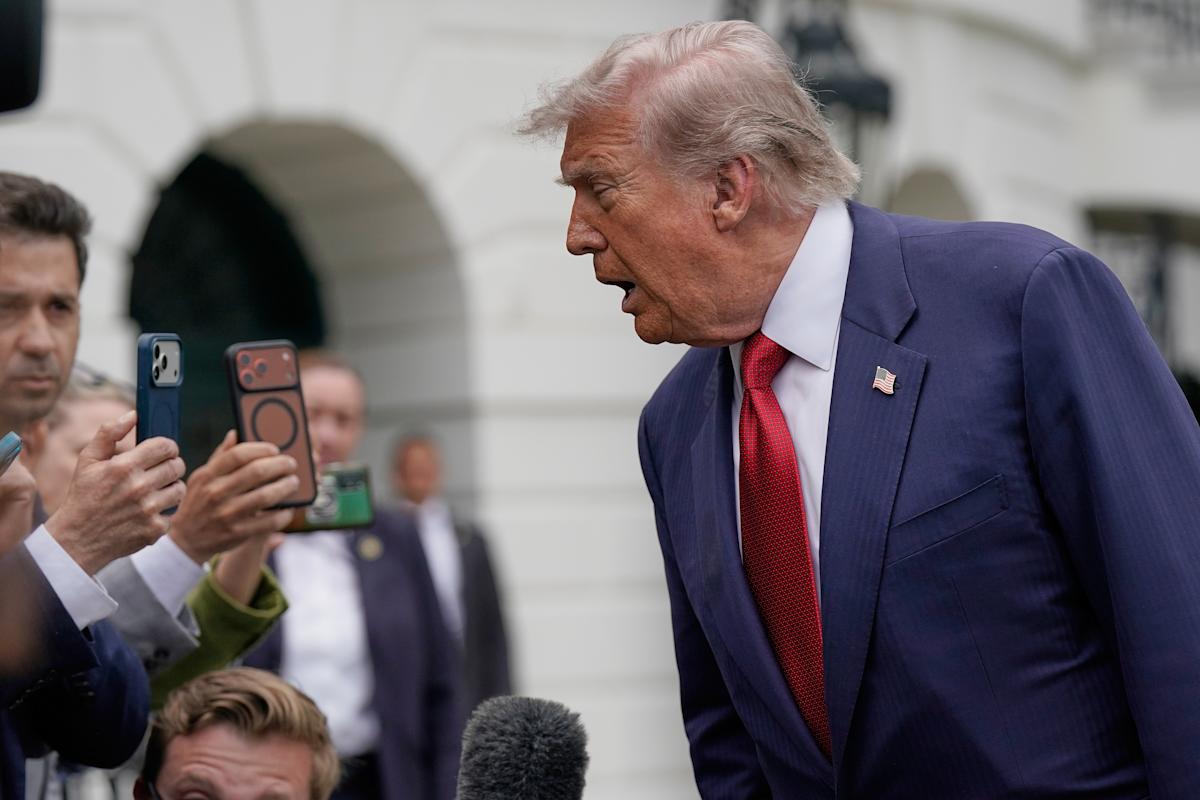
Trump's Meeting with Xi Jinping Faces Diminished Expectations
Written by Emily J. Thompson, Senior Investment Analyst
Updated: 1 day ago
0mins

Should l Buy BA?
Source: Newsfilter
- Narrowed Trade Goals: Trump's upcoming meeting with Xi Jinping on May 14-15 focuses on limited deals concerning soybeans, beef, and Boeing jets, indicating that his aggressive trade stance has not yielded substantial results, which may negatively impact his support ahead of the midterm elections.
- Increased Economic Pressure: Since their last meeting, China has intensified economic pressure on the U.S., while Trump is preoccupied with court rulings against his tariffs, revealing his passive position in negotiations and potentially diminishing U.S. influence in the global economy.
- Grand Meeting Format: The summit will take place at the Great Hall of the People, with Trump accompanied by business leaders including Tesla's Elon Musk and Apple's Tim Cook, although the smaller delegation compared to 2017 reflects a decline in Trump's international clout.
- Uncertain Future Relations: Trump aims to leverage this meeting to seek cooperation with China on the Iran issue, but analysts suggest the likely outcome may be a
Trade with 70% Backtested Accuracy
Stop guessing "Should I Buy BA?" and start using high-conviction signals backed by rigorous historical data.
Sign up today to access powerful investing tools and make smarter, data-driven decisions.
Analyst Views on BA
Wall Street analysts forecast BA stock price to rise
16 Analyst Rating
14 Buy
1 Hold
1 Sell
Strong Buy
Current: 236.870

Low
150.00
Averages
269.14
High
298.00
Current: 236.870
Low
150.00
Averages
269.14
High
298.00
About BA
The Boeing Company is an aerospace company. Its segments include Commercial Airplanes (BCA), Defense, Space & Security (BDS), and Global Services (BGS). Its BCA segment develops, produces and markets commercial jet aircraft principally for the commercial airline industry worldwide. Its family of commercial jet aircraft in production includes the 737 narrow-body model and the 767, 777 and 787 wide-body models. Its BDS segment is engaged in the research, development, production and modification of manned and unmanned military aircraft and weapons systems for strike, surveillance and mobility. Its BGS segment provides services to its commercial and defense customers worldwide. It sustains aerospace platforms and systems with a range of products and services, including supply chain and logistics management, engineering, maintenance and modifications, upgrades and conversions, spare parts, pilot and maintenance training systems and services, technical and maintenance documents, and others.
About the author

Emily J. Thompson
Emily J. Thompson, a Chartered Financial Analyst (CFA) with 12 years in investment research, graduated with honors from the Wharton School. Specializing in industrial and technology stocks, she provides in-depth analysis for Intellectia’s earnings and market brief reports.

SES Reports Strong Q1 Results with Positive Outlook

- Significant Revenue Growth: SES reported Q1 revenue of €847 million ($996 million), reflecting an 80% year-on-year increase, indicating strong momentum in its aviation and European infrastructure sectors, which is expected to drive overall annual performance.
- New Contract Signings: The company secured €306 million in new business and contract renewals over the quarter, further solidifying its market position and laying the groundwork for future growth.
- Aviation Business Highlights: SES's aviation segment excelled, with CEO Adel Al-Saleh noting commitments for over 40 long-haul aircraft from Japan Airlines, showcasing robust demand in the aviation market.
- Infrastructure Agreement Extension: SES extended its EGNOS GEO-1 satellite service agreement with the European Union Space Programme Agency through 2030, ensuring high-precision navigation services for aviation and other critical users across Europe, reflecting the company's commitment to the EU's vision for sovereign space-based connectivity infrastructure.
See More
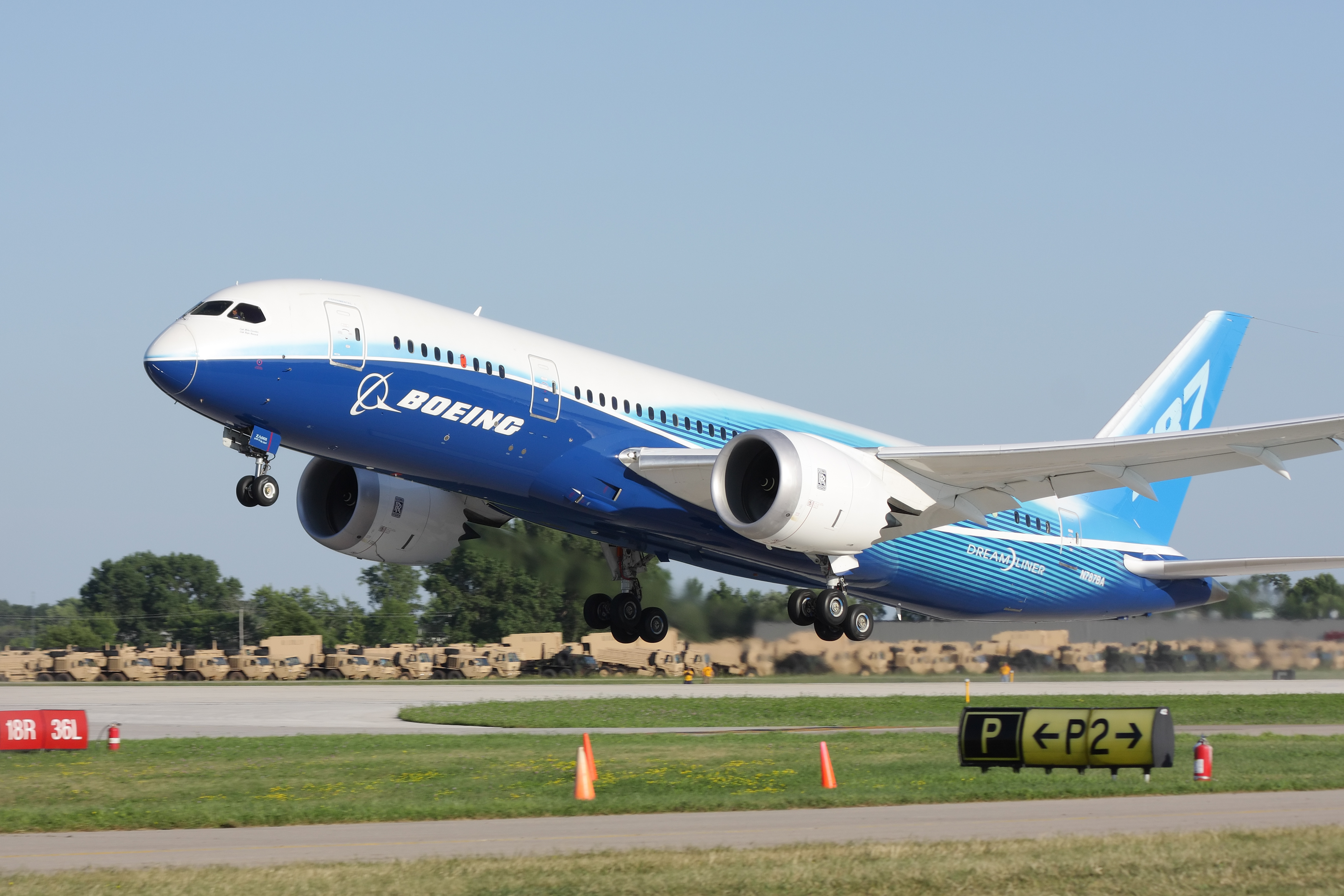
Boeing Achieves Best First Four-Month Sales Since 2014
- Significant Order Growth: Boeing secured 135 net new orders in April, bringing total orders for January through April to 284, marking the company's best first four-month sales performance since 2014, indicating a strong rebound in market demand.
- Increased Delivery Numbers: Boeing delivered 47 aircraft in April, one more than in March and slightly above the 45 aircraft delivered in April 2025, demonstrating improvements in the company's production and delivery capabilities.
- Diverse Product Portfolio: The April orders included 57 737 MAX jets, 51 787 jets, and 28 777X jets, with most customer identities undisclosed, but this diverse product mix helps Boeing maintain its competitive edge in the market.
- Competition with Airbus: Despite Boeing's strong order performance, it still trails rival Airbus, which has booked 405 orders year-to-date through April 30, highlighting the pressure Boeing faces in the market share battle.
See More
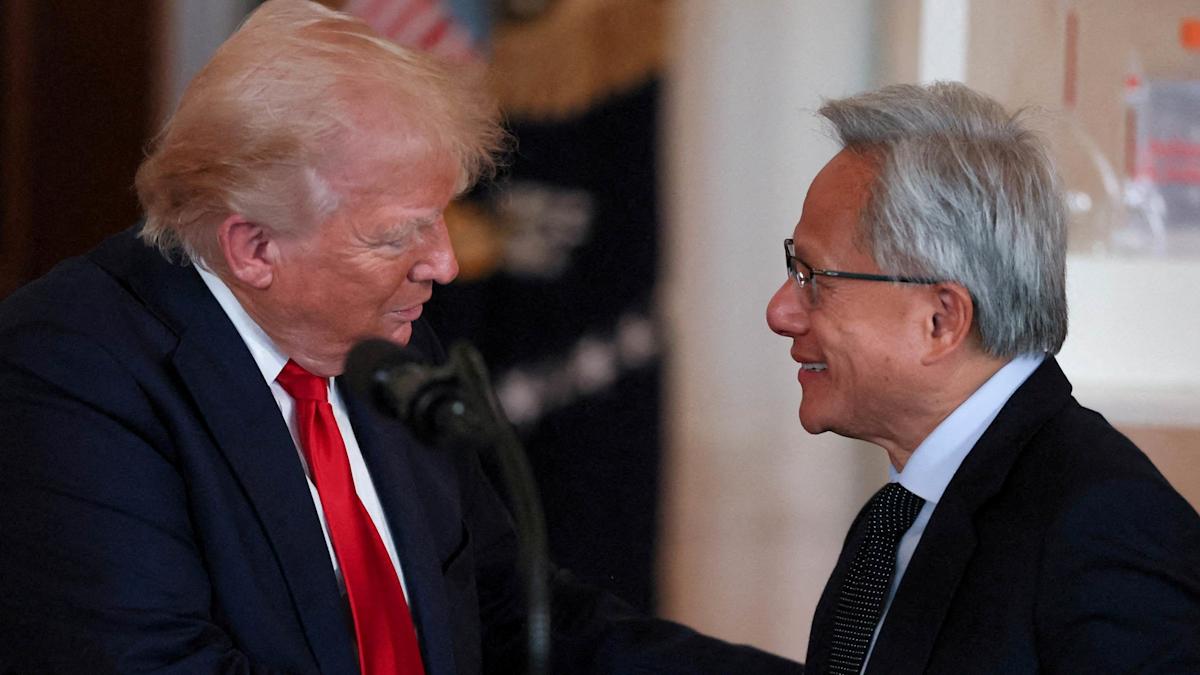
Nvidia CEO Jensen Huang Joins Trump on China Visit

- Executive Visit: Nvidia CEO Jensen Huang accompanies President Trump to Beijing for talks with Chinese President Xi Jinping, highlighting his close ties with both Trump and the Chinese market, which could positively influence Nvidia's future business in China.
- Market Relationship Maintenance: Huang emphasizes the importance of keeping the Chinese market open for Nvidia, arguing that technology flow benefits both sides, a stance that may affect U.S. government attitudes towards China’s tech policies and subsequently Nvidia's market strategy.
- Upcoming Earnings Report: Nvidia is set to report its first-quarter earnings on May 20, with the market closely watching its performance in China and future outlook, which could impact investor confidence in the company's stock.
- Historical Context Comparison: Reflecting on Trump's 2017 visit, which promised $250 billion in investments that largely failed to materialize, expectations for current talks are low, prompting investors to remain cautious about potential outcomes.
See More
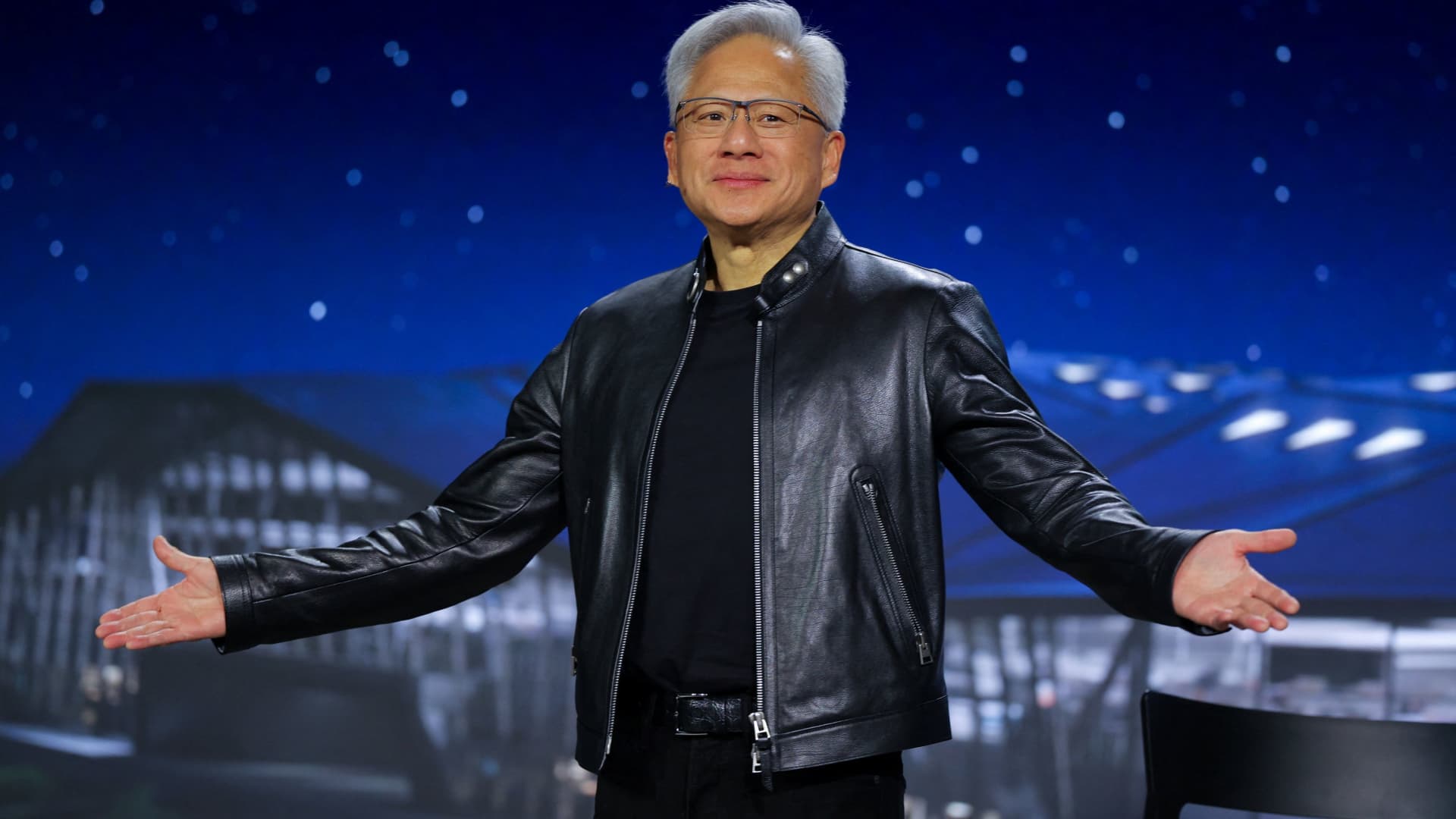
Nvidia's Jensen Huang Joins Trump's China Trip

- Executive Participation: Nvidia CEO Jensen Huang's last-minute inclusion in President Trump's China trip underscores the U.S. government's recognition of tech leaders, potentially fostering U.S.-China tech collaboration.
- U.S.-China Meeting: Trump's scheduled meeting with Chinese President Xi Jinping aims to ease tensions between the two nations, particularly in trade and technology, which could influence future policy directions.
- Middle East Impact: The ongoing war in Iran is pressuring Chinese exporters and affecting global demand, posing greater challenges for U.S.-China trade negotiations, especially regarding energy and commodity prices.
- Market Reactions: Rising inflation and Middle Eastern conflicts have heightened volatility in global markets, leading investors to adopt a more cautious outlook on future economic conditions, which may impact stock performance for companies like Nvidia.
See More
China and U.S. Consider Extending Rare Earth Export Truce
- Export Controls: Chinese customs data reveals that since the implementation of rare earth export controls in April 2025, exports of heavy rare earths like terbium and dysprosium have plummeted by approximately 50%, resulting in global shortages and price increases that threaten supply chain stability in defense and manufacturing sectors.
- International Market Impact: Prices for dysprosium and terbium have surged four to five times outside China since April 2025, while yttrium prices have skyrocketed by 140 times, indicating that major consumers like Japan and Germany are facing even more severe impacts than the U.S., exacerbating global rare earth supply tensions.
- U.S. Corporate Struggles: A large U.S. firm has reportedly lost hundreds of millions monthly due to export license issues, prompting White House intervention to ensure the flow of rare earths, highlighting the significant financial strain these export controls impose on American businesses.
- Diversification Investments: Countries like Germany and Japan are investing in diversification projects to reduce reliance on Chinese rare earths, although full replacement of Chinese supply chains is still years away, and the situation is likely to worsen before it improves.
See More
Boeing's Delivery Surge Signals Positive Turnaround
- Delivery Growth: Boeing delivered 47 jets in April, one more than March, despite some deliveries being pushed to May due to customer requirements, indicating a positive signal for the company's turnaround and expected improvement in free cash flow.
- Cash Flow Expectations: Boeing anticipates generating between $1 billion and $3 billion in free cash flow by 2026; although it burned cash in Q1, the CFO indicated that cash flow should improve in Q2 and turn positive in the second half of the year, reflecting an improving financial health.
- Order Recovery: In April, Boeing secured 135 net new orders, nearly matching the total for the first three months of 2026, bringing the adjusted total for the year to 284, the highest in 12 years for this four-month period, signaling a recovery in market demand.
- Chinese Market Opportunity: CEO Ortberg's visit to China alongside President Trump this week may signal a potential end to Boeing's order drought since 2017; while the exact size of potential orders remains unclear, there is significant market anticipation for Boeing's future opportunities in China.
See More
SES Reports Strong Q1 Results with Positive Outlook
- Significant Revenue Growth: SES reported Q1 revenue of €847 million ($996 million), reflecting an 80% year-on-year increase, indicating strong momentum in its aviation and European infrastructure sectors, which is expected to drive overall annual performance.
- New Contract Signings: The company secured €306 million in new business and contract renewals over the quarter, further solidifying its market position and laying the groundwork for future growth.
- Aviation Business Highlights: SES's aviation segment excelled, with CEO Adel Al-Saleh noting commitments for over 40 long-haul aircraft from Japan Airlines, showcasing robust demand in the aviation market.
- Infrastructure Agreement Extension: SES extended its EGNOS GEO-1 satellite service agreement with the European Union Space Programme Agency through 2030, ensuring high-precision navigation services for aviation and other critical users across Europe, reflecting the company's commitment to the EU's vision for sovereign space-based connectivity infrastructure.
See More
Boeing Achieves Best First Four-Month Sales Since 2014
- Significant Order Growth: Boeing secured 135 net new orders in April, bringing total orders for January through April to 284, marking the company's best first four-month sales performance since 2014, indicating a strong rebound in market demand.
- Increased Delivery Numbers: Boeing delivered 47 aircraft in April, one more than in March and slightly above the 45 aircraft delivered in April 2025, demonstrating improvements in the company's production and delivery capabilities.
- Diverse Product Portfolio: The April orders included 57 737 MAX jets, 51 787 jets, and 28 777X jets, with most customer identities undisclosed, but this diverse product mix helps Boeing maintain its competitive edge in the market.
- Competition with Airbus: Despite Boeing's strong order performance, it still trails rival Airbus, which has booked 405 orders year-to-date through April 30, highlighting the pressure Boeing faces in the market share battle.
See More
Nvidia CEO Jensen Huang Joins Trump on China Visit
- Executive Visit: Nvidia CEO Jensen Huang accompanies President Trump to Beijing for talks with Chinese President Xi Jinping, highlighting his close ties with both Trump and the Chinese market, which could positively influence Nvidia's future business in China.
- Market Relationship Maintenance: Huang emphasizes the importance of keeping the Chinese market open for Nvidia, arguing that technology flow benefits both sides, a stance that may affect U.S. government attitudes towards China’s tech policies and subsequently Nvidia's market strategy.
- Upcoming Earnings Report: Nvidia is set to report its first-quarter earnings on May 20, with the market closely watching its performance in China and future outlook, which could impact investor confidence in the company's stock.
- Historical Context Comparison: Reflecting on Trump's 2017 visit, which promised $250 billion in investments that largely failed to materialize, expectations for current talks are low, prompting investors to remain cautious about potential outcomes.
See More
Nvidia's Jensen Huang Joins Trump's China Trip
- Executive Participation: Nvidia CEO Jensen Huang's last-minute inclusion in President Trump's China trip underscores the U.S. government's recognition of tech leaders, potentially fostering U.S.-China tech collaboration.
- U.S.-China Meeting: Trump's scheduled meeting with Chinese President Xi Jinping aims to ease tensions between the two nations, particularly in trade and technology, which could influence future policy directions.
- Middle East Impact: The ongoing war in Iran is pressuring Chinese exporters and affecting global demand, posing greater challenges for U.S.-China trade negotiations, especially regarding energy and commodity prices.
- Market Reactions: Rising inflation and Middle Eastern conflicts have heightened volatility in global markets, leading investors to adopt a more cautious outlook on future economic conditions, which may impact stock performance for companies like Nvidia.
See More
China and U.S. Consider Extending Rare Earth Export Truce
- Export Controls: Chinese customs data reveals that since the implementation of rare earth export controls in April 2025, exports of heavy rare earths like terbium and dysprosium have plummeted by approximately 50%, resulting in global shortages and price increases that threaten supply chain stability in defense and manufacturing sectors.
- International Market Impact: Prices for dysprosium and terbium have surged four to five times outside China since April 2025, while yttrium prices have skyrocketed by 140 times, indicating that major consumers like Japan and Germany are facing even more severe impacts than the U.S., exacerbating global rare earth supply tensions.
- U.S. Corporate Struggles: A large U.S. firm has reportedly lost hundreds of millions monthly due to export license issues, prompting White House intervention to ensure the flow of rare earths, highlighting the significant financial strain these export controls impose on American businesses.
- Diversification Investments: Countries like Germany and Japan are investing in diversification projects to reduce reliance on Chinese rare earths, although full replacement of Chinese supply chains is still years away, and the situation is likely to worsen before it improves.
See More
Boeing's Delivery Surge Signals Positive Turnaround
- Delivery Growth: Boeing delivered 47 jets in April, one more than March, despite some deliveries being pushed to May due to customer requirements, indicating a positive signal for the company's turnaround and expected improvement in free cash flow.
- Cash Flow Expectations: Boeing anticipates generating between $1 billion and $3 billion in free cash flow by 2026; although it burned cash in Q1, the CFO indicated that cash flow should improve in Q2 and turn positive in the second half of the year, reflecting an improving financial health.
- Order Recovery: In April, Boeing secured 135 net new orders, nearly matching the total for the first three months of 2026, bringing the adjusted total for the year to 284, the highest in 12 years for this four-month period, signaling a recovery in market demand.
- Chinese Market Opportunity: CEO Ortberg's visit to China alongside President Trump this week may signal a potential end to Boeing's order drought since 2017; while the exact size of potential orders remains unclear, there is significant market anticipation for Boeing's future opportunities in China.
See More