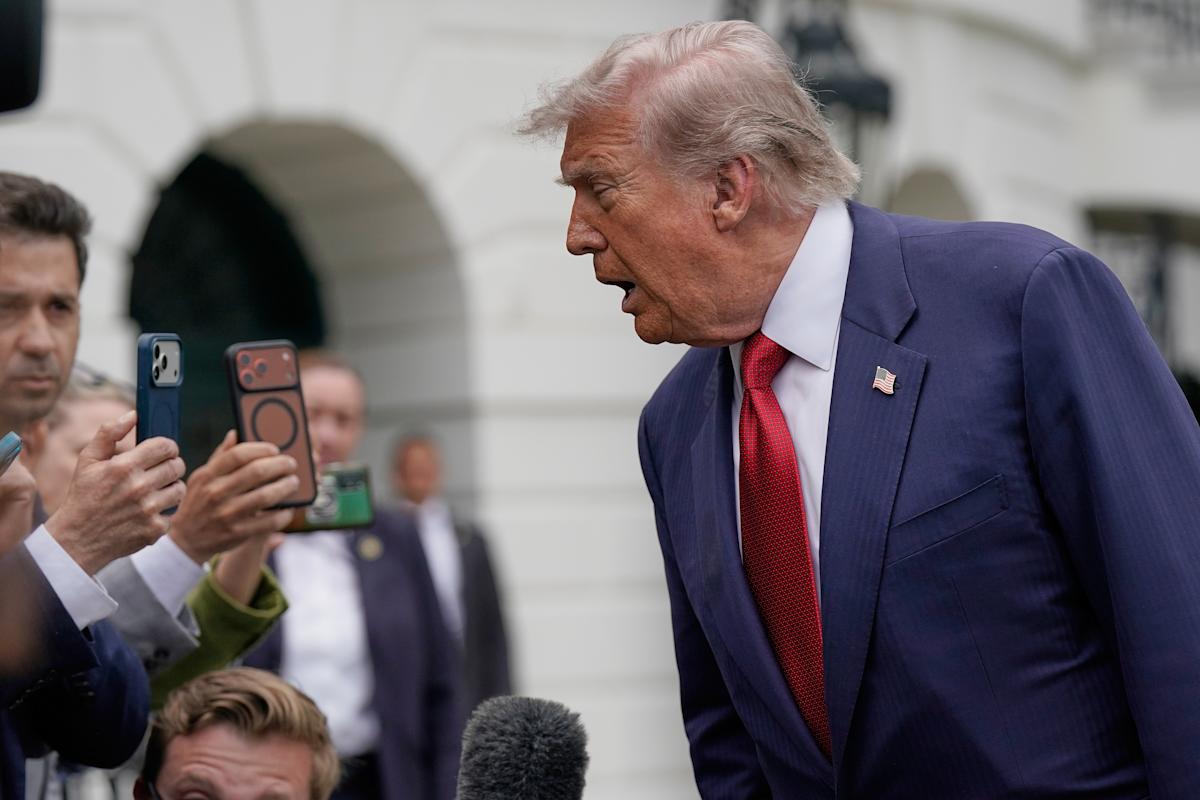
Trump Upgrades Golden Dome Missile Defense Initiative
Written by Emily J. Thompson, Senior Investment Analyst
Updated: 2 days ago
0mins

Source: Fool
- Golden Dome Initiative Launched: President Trump’s Executive Order 14186, published on January 27, 2025, inaugurated the Golden Dome program aimed at constructing a next-generation missile defense system to deter any foreign aerial attacks, reflecting the U.S. strategic commitment to national defense.
- Massive Contract Value: The U.S. Space Force announced awarding $3.2 billion in defense contracts to 12 companies to develop space-based interceptors, which are expected to significantly enhance the country's missile defense capabilities by filling existing gaps in the system.
- Diverse Participation: The contract includes well-known defense firms like Lockheed Martin and Northrop Grumman, alongside emerging space technology companies such as Gitai and True Anomaly, showcasing the Space Force's strategy to attract both traditional and non-traditional vendors for this initiative.
- Investment Opportunities Arise: Lockheed Martin stands out with a price-to-earnings ratio of 15.8 and a projected earnings growth rate of 18.5%, making it a focal point for investors looking to capitalize on the Golden Dome initiative, as it is expected to benefit from future contracts and solidify its leadership in the defense market.
Trade with 70% Backtested Accuracy
Stop guessing "Should I Buy LMT?" and start using high-conviction signals backed by rigorous historical data.
Sign up today to access powerful investing tools and make smarter, data-driven decisions.
Analyst Views on LMT
Wall Street analysts forecast LMT stock price to rise
12 Analyst Rating
4 Buy
7 Hold
1 Sell
Hold
Current: 519.940

Low
430.00
Averages
535.50
High
605.00
Current: 519.940
Low
430.00
Averages
535.50
High
605.00
About LMT
Lockheed Martin Corporation is a global aerospace and defense company. The Company is engaged in the research, design, development, manufacture, integration and sustainment of advanced technology systems, products and services. Its segments include Aeronautics, Missiles and Fire Control (MFC), Rotary and Mission Systems (RMS) and Space. Aeronautics segment is engaged in the research, design, development, manufacture, integration, sustainment, support and upgrade of advanced military aircraft. MFC segment provides air and missile defense systems, manned and unmanned ground vehicles, energy management solutions, and others. RMS segment designs, manufactures, services and supports various military and commercial helicopters, surface ships, sea and land-based missile defense systems, and others. Its Space segment is engaged in the research and design, development, engineering and production of satellites, space transportation systems, and strategic, advanced strike, and defensive systems.
About the author

Emily J. Thompson
Emily J. Thompson, a Chartered Financial Analyst (CFA) with 12 years in investment research, graduated with honors from the Wharton School. Specializing in industrial and technology stocks, she provides in-depth analysis for Intellectia’s earnings and market brief reports.
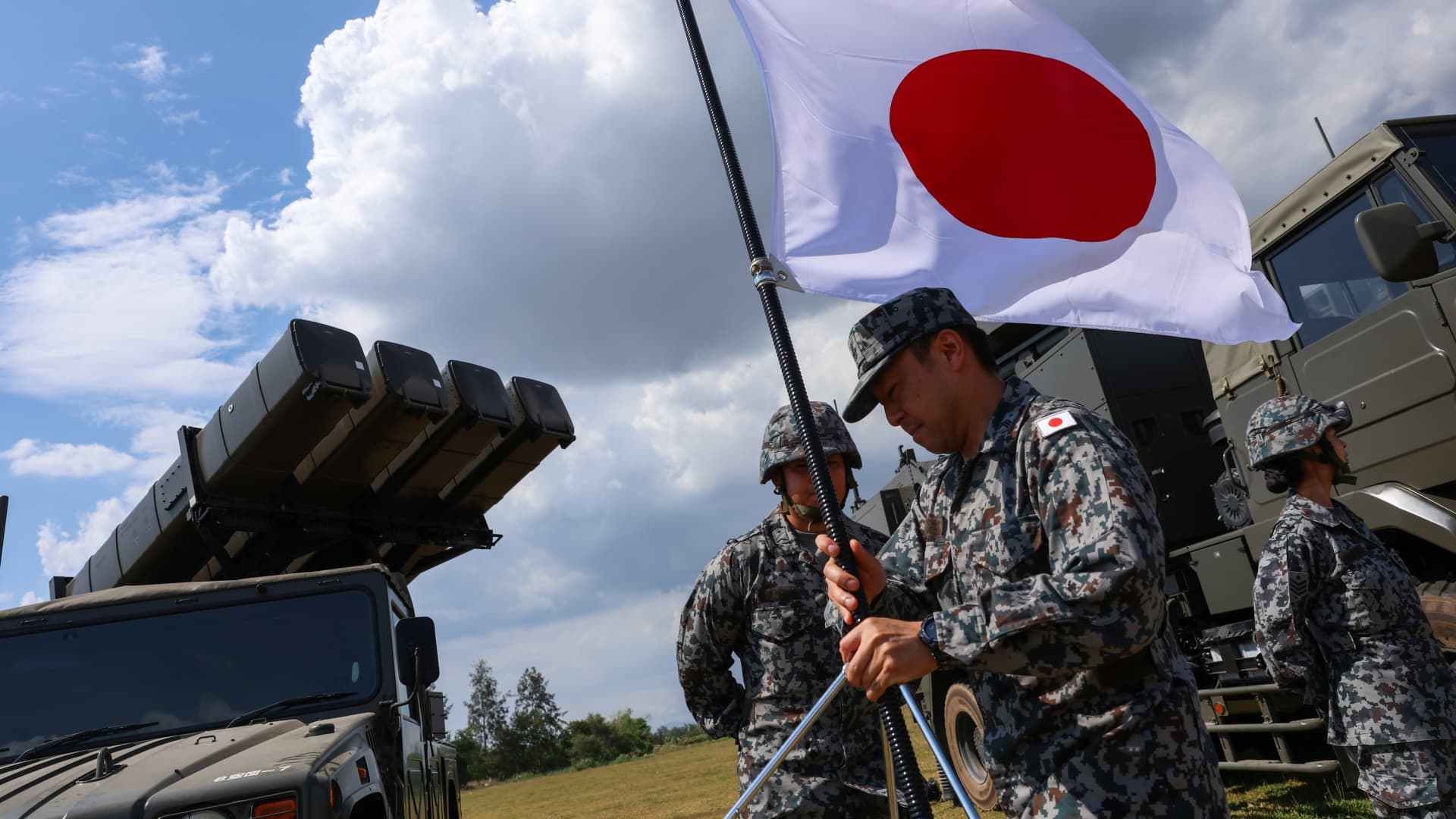
Japan's Easing of Arms Export Ban Opens New Opportunities

- Global Military Spending Surge: According to SIPRI, global military spending reached $2.89 trillion in 2025, marking the 11th consecutive year of growth, indicating a desperate demand for weapons that presents a significant opportunity for Japan's defense industry to expand its market share.
- Technological Advantages: Japan's clear technological strengths in maritime domain awareness and air defense are expected to focus on developing advanced radar systems, patrol vessels, and co-produced interceptor missiles, catering to the international market's demand for high-tech weaponry.
- International Cooperation Opportunities: Australia's contract with Mitsubishi Heavy Industries to build general-purpose frigates based on the upgraded Japanese Mogami-class design highlights the increasing foreign interest in Japanese defense products, further facilitating Japan's participation in the global defense market.
- Production Capacity Enhancement: The lifting of the arms export ban is set to incentivize Japanese companies to produce weapons at scale during peacetime, thereby improving wartime readiness, although challenges such as lack of international marketing experience and cost competitiveness remain.
See More
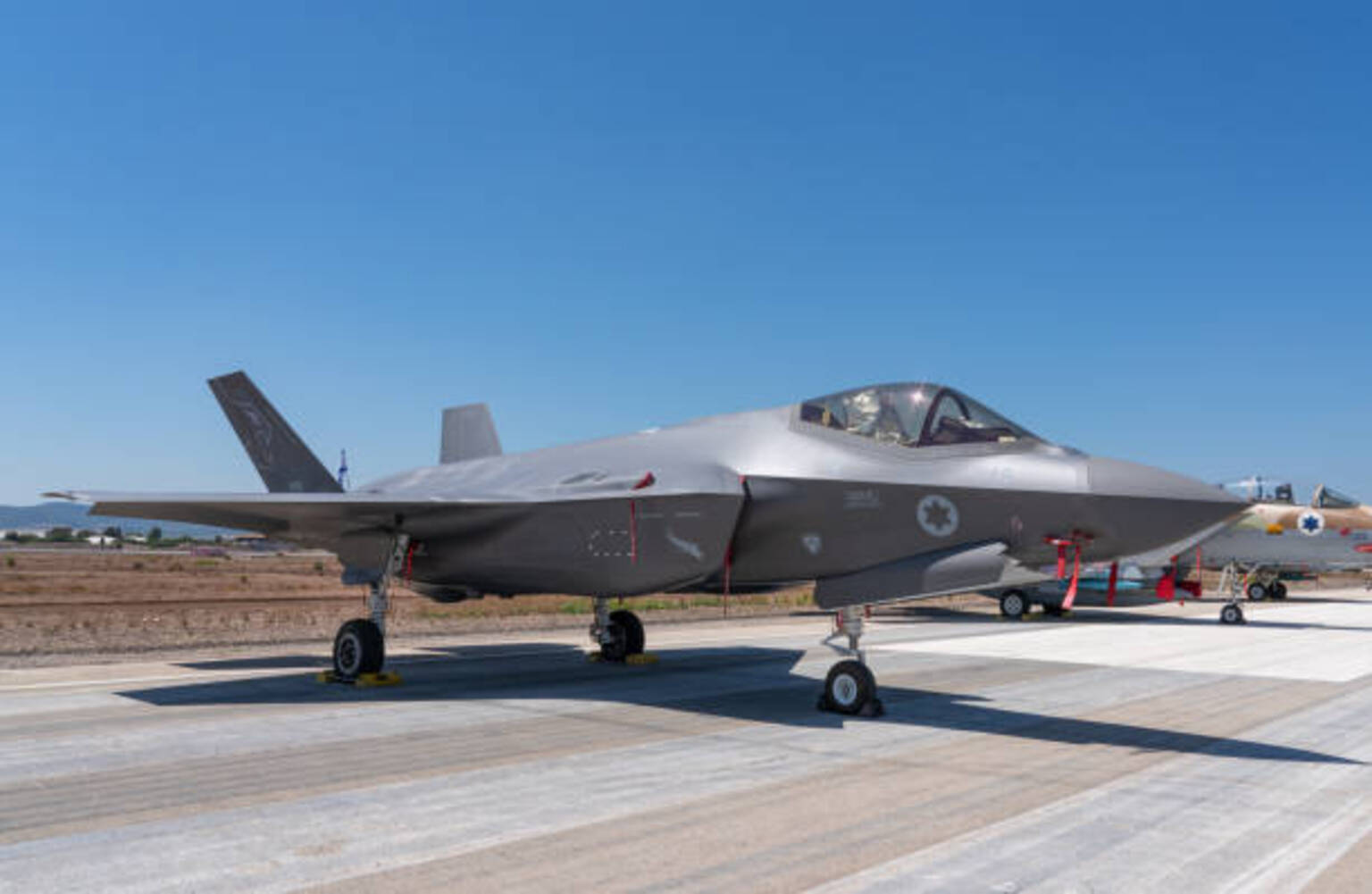
Israel Defense Ministry Awards Elbit Systems $34 Million Contract

- Contract Value: The Israel Defense Ministry has awarded Elbit Systems a $34 million contract aimed at developing external fuel tanks to extend the operational range and flight duration of F-35 fighter jets, significantly enhancing the Israeli Air Force's operational capabilities.
- Technological Innovation: The new external fuel tanks will enable F-35s to have longer endurance during missions, thereby increasing their flexibility and survivability in complex battlefield environments, which will improve overall combat efficiency.
- Industry Impact: The signing of this contract not only demonstrates Israel's trust in Elbit Systems but also reflects the ongoing investment in defense budgets to enhance air force capabilities, which may influence future defense procurement decisions.
- Strategic Significance: By enhancing the operational capabilities of the F-35, Israel can further solidify its military advantage in the increasingly complex regional security landscape, ensuring national security.
See More
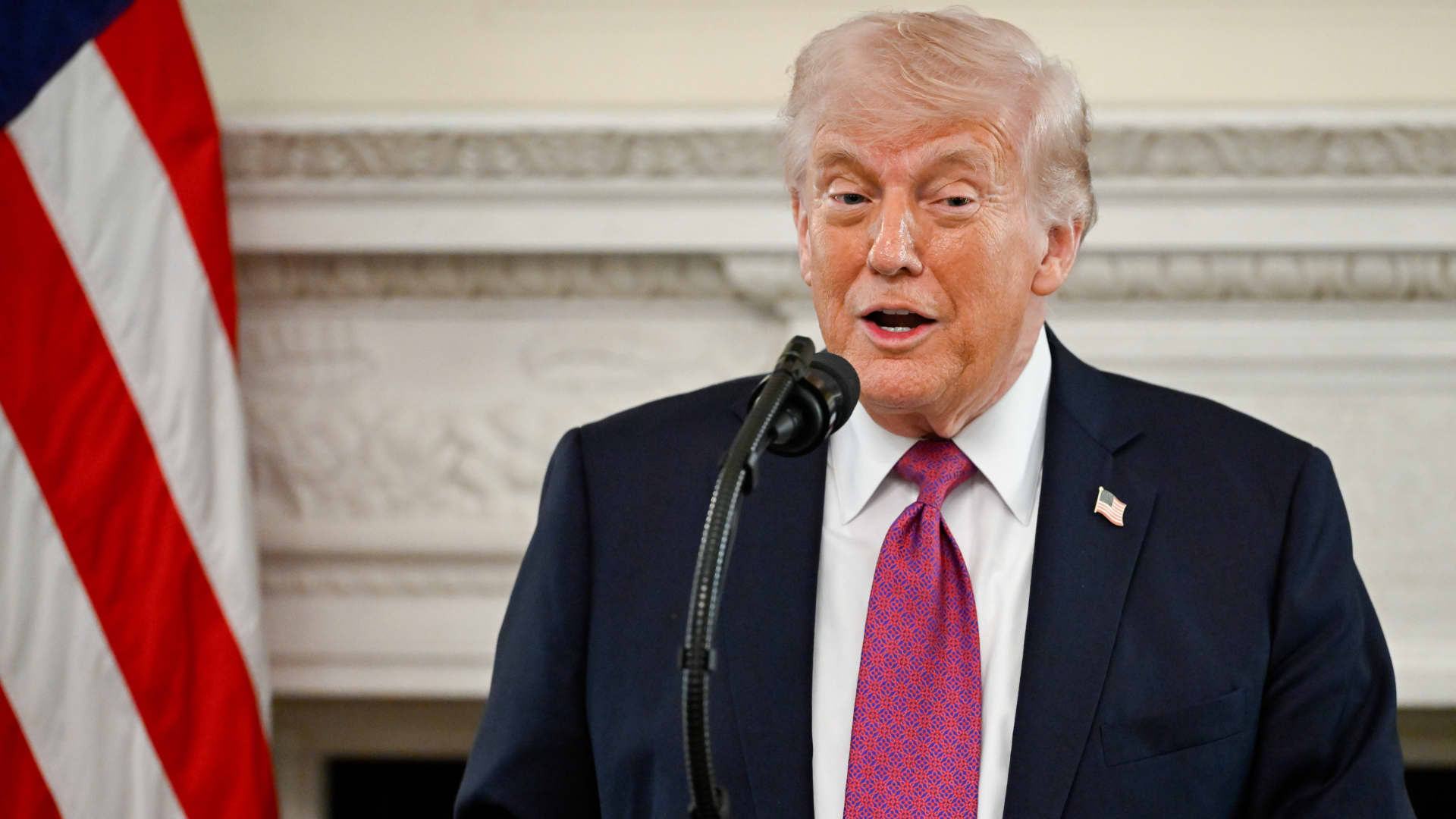
Trump's Visit to China Sparks Market Attention


- High-Level Meeting Context: President Trump arrived in Beijing on May 13, 2026, accompanied by top executives including Tesla's Elon Musk and Nvidia's Jensen Huang, aiming to engage in crucial discussions with President Xi Jinping on trade, technology, and regional security issues.
- Market Reaction: Asian markets showed mixed performance ahead of Trump's visit, while U.S. futures remained relatively unchanged; notably, the S&P 500 reached an all-time high on Wall Street, reflecting traders' enthusiasm for technology stocks despite pressures from the latest inflation report.
- Inflation Data Impact: U.S. wholesale inflation surged to 6% year-over-year in April, marking the highest increase since 2022, which intensifies pressure on Federal Reserve policy and complicates the economic backdrop for Trump's high-level diplomacy.
- Global Oil Flow Constraints: The closure of the Strait of Hormuz due to the Iran war has severely impacted global oil flows, with OPEC reporting a 30% reduction in supply since the conflict began, posing significant risks to demand growth this year.
See More
Anduril Raises $5 Billion, Valuation Doubles to $61 Billion

- Massive Funding Round: Anduril raised $5 billion in a funding round led by Thrive Capital and Andreessen Horowitz, doubling its valuation from $30.5 billion to $61 billion, reflecting strong investor confidence in the defense tech sector.
- Aggressive Investment Strategy: CEO Brian Schimpf stated that the company will 'aggressively' invest in manufacturing, research, and infrastructure to scale U.S. defense systems, aiming to address rising geopolitical risks.
- Clear Market Positioning: Anduril is positioning itself as a key beneficiary in the U.S. government's military reindustrialization efforts under President Trump, particularly in projects related to the ambitious $185 billion missile defense system known as the Golden Dome.
- Long-term Contract Security: This year, Anduril secured a 10-year U.S. Army enterprise contract with a ceiling of $20 billion and acquired a space missile and satellite tracking company, further solidifying its position in the defense contractor market.
See More

Cost of Proposed 'Golden Dome' Missile Defense System Soars to $1.2 Trillion
- Cost Estimate Surge: The Congressional Budget Office's new estimate indicates that the cost of building and maintaining the proposed 'Golden Dome' missile defense system could reach approximately $1.2 trillion, significantly exceeding the Pentagon's previously cited figure of $185 billion, imposing a substantial financial burden on taxpayers.
- Space Interceptor Investment: The program's procurement costs are expected to surpass $1 trillion, with around 70% allocated to a space-based interceptor system involving the deployment of approximately 7,800 satellites, aimed at providing nationwide coverage against threats from regional adversaries like North Korea.
- Congressional Opposition: Critics on Capitol Hill have raised concerns, with Senator Jeff Merkley arguing that the initiative primarily benefits defense contractors at a significant expense to taxpayers, reflecting skepticism about the rising defense expenditures.
- Competitive Contract Opportunities: The U.S. Space Force has begun laying the groundwork for the program's orbital defenses, awarding contracts worth up to $3.2 billion to twelve companies, with future production contracts estimated between $1.8 billion and $3.4 billion annually, although early-stage development costs could reach up to $2 billion.
See More
Lockheed Martin Secures $212.74M Contract Modification for PATRIOT Support
- Contract Value Increase: Lockheed Martin's contract modification worth $212.74 million raises the total contract value to $875.63 million, indicating sustained demand and market confidence in the defense sector.
- Comprehensive Services: The modification includes logistics support, missile repair, and launcher repair/return services, showcasing the company's capability in providing integrated solutions and further solidifying its position in the defense market.
- Project Completion Timeline: All work is expected to be completed by February 24, 2027, providing the company with a clear project management and resource allocation plan within the specified timeframe.
- Strengthened Military Collaboration: Awarded by the Army Contracting Command, this contract reflects Lockheed Martin's close partnership with the U.S. military, enhancing the company's prospects for securing similar contracts in the future.
See More
Japan's Easing of Arms Export Ban Opens New Opportunities
- Global Military Spending Surge: According to SIPRI, global military spending reached $2.89 trillion in 2025, marking the 11th consecutive year of growth, indicating a desperate demand for weapons that presents a significant opportunity for Japan's defense industry to expand its market share.
- Technological Advantages: Japan's clear technological strengths in maritime domain awareness and air defense are expected to focus on developing advanced radar systems, patrol vessels, and co-produced interceptor missiles, catering to the international market's demand for high-tech weaponry.
- International Cooperation Opportunities: Australia's contract with Mitsubishi Heavy Industries to build general-purpose frigates based on the upgraded Japanese Mogami-class design highlights the increasing foreign interest in Japanese defense products, further facilitating Japan's participation in the global defense market.
- Production Capacity Enhancement: The lifting of the arms export ban is set to incentivize Japanese companies to produce weapons at scale during peacetime, thereby improving wartime readiness, although challenges such as lack of international marketing experience and cost competitiveness remain.
See More
Israel Defense Ministry Awards Elbit Systems $34 Million Contract
- Contract Value: The Israel Defense Ministry has awarded Elbit Systems a $34 million contract aimed at developing external fuel tanks to extend the operational range and flight duration of F-35 fighter jets, significantly enhancing the Israeli Air Force's operational capabilities.
- Technological Innovation: The new external fuel tanks will enable F-35s to have longer endurance during missions, thereby increasing their flexibility and survivability in complex battlefield environments, which will improve overall combat efficiency.
- Industry Impact: The signing of this contract not only demonstrates Israel's trust in Elbit Systems but also reflects the ongoing investment in defense budgets to enhance air force capabilities, which may influence future defense procurement decisions.
- Strategic Significance: By enhancing the operational capabilities of the F-35, Israel can further solidify its military advantage in the increasingly complex regional security landscape, ensuring national security.
See More
Trump's Visit to China Sparks Market Attention
- High-Level Meeting Context: President Trump arrived in Beijing on May 13, 2026, accompanied by top executives including Tesla's Elon Musk and Nvidia's Jensen Huang, aiming to engage in crucial discussions with President Xi Jinping on trade, technology, and regional security issues.
- Market Reaction: Asian markets showed mixed performance ahead of Trump's visit, while U.S. futures remained relatively unchanged; notably, the S&P 500 reached an all-time high on Wall Street, reflecting traders' enthusiasm for technology stocks despite pressures from the latest inflation report.
- Inflation Data Impact: U.S. wholesale inflation surged to 6% year-over-year in April, marking the highest increase since 2022, which intensifies pressure on Federal Reserve policy and complicates the economic backdrop for Trump's high-level diplomacy.
- Global Oil Flow Constraints: The closure of the Strait of Hormuz due to the Iran war has severely impacted global oil flows, with OPEC reporting a 30% reduction in supply since the conflict began, posing significant risks to demand growth this year.
See More
Anduril Raises $5 Billion, Valuation Doubles to $61 Billion
- Massive Funding Round: Anduril raised $5 billion in a funding round led by Thrive Capital and Andreessen Horowitz, doubling its valuation from $30.5 billion to $61 billion, reflecting strong investor confidence in the defense tech sector.
- Aggressive Investment Strategy: CEO Brian Schimpf stated that the company will 'aggressively' invest in manufacturing, research, and infrastructure to scale U.S. defense systems, aiming to address rising geopolitical risks.
- Clear Market Positioning: Anduril is positioning itself as a key beneficiary in the U.S. government's military reindustrialization efforts under President Trump, particularly in projects related to the ambitious $185 billion missile defense system known as the Golden Dome.
- Long-term Contract Security: This year, Anduril secured a 10-year U.S. Army enterprise contract with a ceiling of $20 billion and acquired a space missile and satellite tracking company, further solidifying its position in the defense contractor market.
See More
Cost of Proposed 'Golden Dome' Missile Defense System Soars to $1.2 Trillion
- Cost Estimate Surge: The Congressional Budget Office's new estimate indicates that the cost of building and maintaining the proposed 'Golden Dome' missile defense system could reach approximately $1.2 trillion, significantly exceeding the Pentagon's previously cited figure of $185 billion, imposing a substantial financial burden on taxpayers.
- Space Interceptor Investment: The program's procurement costs are expected to surpass $1 trillion, with around 70% allocated to a space-based interceptor system involving the deployment of approximately 7,800 satellites, aimed at providing nationwide coverage against threats from regional adversaries like North Korea.
- Congressional Opposition: Critics on Capitol Hill have raised concerns, with Senator Jeff Merkley arguing that the initiative primarily benefits defense contractors at a significant expense to taxpayers, reflecting skepticism about the rising defense expenditures.
- Competitive Contract Opportunities: The U.S. Space Force has begun laying the groundwork for the program's orbital defenses, awarding contracts worth up to $3.2 billion to twelve companies, with future production contracts estimated between $1.8 billion and $3.4 billion annually, although early-stage development costs could reach up to $2 billion.
See More
Lockheed Martin Secures $212.74M Contract Modification for PATRIOT Support
- Contract Value Increase: Lockheed Martin's contract modification worth $212.74 million raises the total contract value to $875.63 million, indicating sustained demand and market confidence in the defense sector.
- Comprehensive Services: The modification includes logistics support, missile repair, and launcher repair/return services, showcasing the company's capability in providing integrated solutions and further solidifying its position in the defense market.
- Project Completion Timeline: All work is expected to be completed by February 24, 2027, providing the company with a clear project management and resource allocation plan within the specified timeframe.
- Strengthened Military Collaboration: Awarded by the Army Contracting Command, this contract reflects Lockheed Martin's close partnership with the U.S. military, enhancing the company's prospects for securing similar contracts in the future.
See More