Trump and Xi Meeting: High Stakes and Potential Rewards
Written by Emily J. Thompson, Senior Investment Analyst
Updated: 2 days ago
0mins

Should l Buy BA?
Source: CNBC
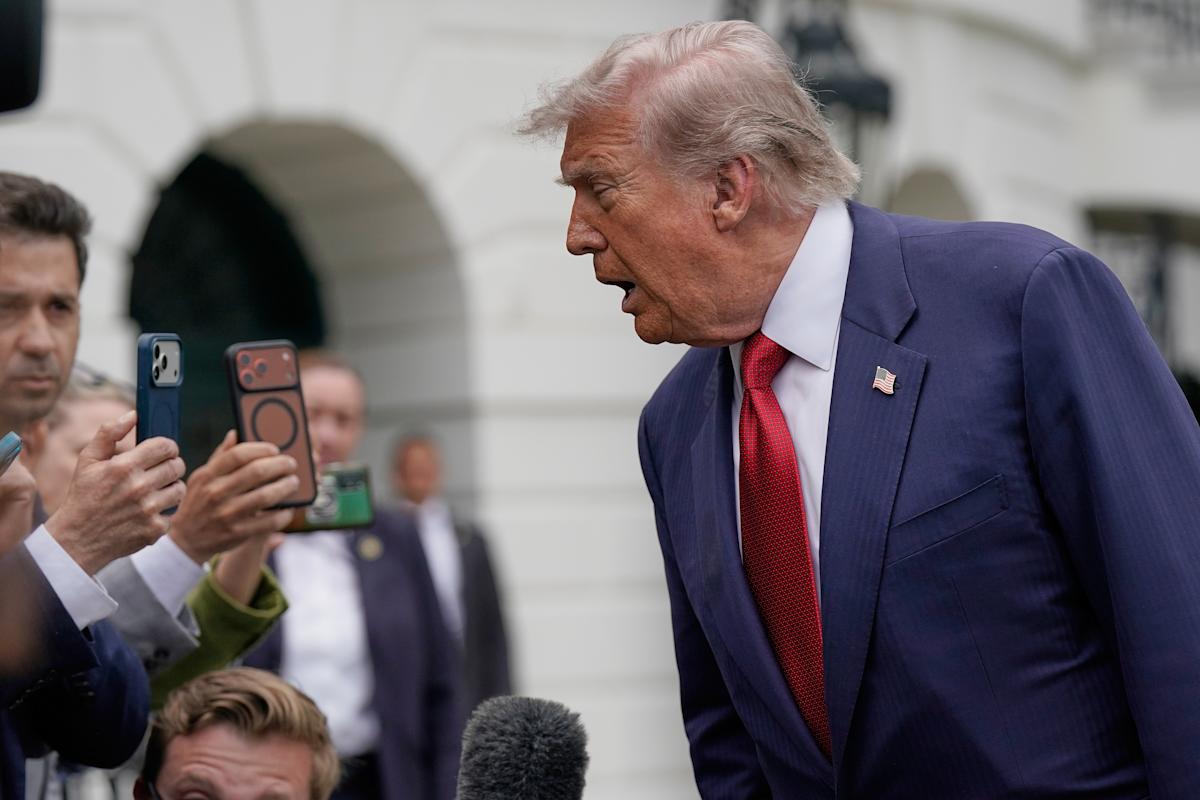
- High-Stakes Meeting: Trump's meeting with Xi on October 30 is set against a backdrop of economic and political conflicts, aiming to rebuild the fragile U.S.-China relationship, which could mark a pivotal moment for both superpowers.
- Impact of Iran War: The ongoing Iran conflict has provided China with leverage in negotiations with the U.S., particularly as rising energy prices challenge Trump's political standing amid growing public discontent over the war.
- Taiwan Issue Focus: Trump must navigate the Taiwan issue carefully during discussions to avoid any perceived concessions to China, which could escalate tensions across the Taiwan Strait.
- Trade Agreement Prospects: The summit is expected to focus on trade and investment, with Trump aiming to secure new agricultural and rare earth agreements with China to restore U.S. economic independence and improve trade relations.
Trade with 70% Backtested Accuracy
Stop guessing "Should I Buy BA?" and start using high-conviction signals backed by rigorous historical data.
Sign up today to access powerful investing tools and make smarter, data-driven decisions.
Analyst Views on BA
Wall Street analysts forecast BA stock price to rise
16 Analyst Rating
14 Buy
1 Hold
1 Sell
Strong Buy
Current: 240.600

Low
150.00
Averages
269.14
High
298.00
Current: 240.600
Low
150.00
Averages
269.14
High
298.00
About BA
The Boeing Company is an aerospace company. Its segments include Commercial Airplanes (BCA), Defense, Space & Security (BDS), and Global Services (BGS). Its BCA segment develops, produces and markets commercial jet aircraft principally for the commercial airline industry worldwide. Its family of commercial jet aircraft in production includes the 737 narrow-body model and the 767, 777 and 787 wide-body models. Its BDS segment is engaged in the research, development, production and modification of manned and unmanned military aircraft and weapons systems for strike, surveillance and mobility. Its BGS segment provides services to its commercial and defense customers worldwide. It sustains aerospace platforms and systems with a range of products and services, including supply chain and logistics management, engineering, maintenance and modifications, upgrades and conversions, spare parts, pilot and maintenance training systems and services, technical and maintenance documents, and others.
About the author

Emily J. Thompson
Emily J. Thompson, a Chartered Financial Analyst (CFA) with 12 years in investment research, graduated with honors from the Wharton School. Specializing in industrial and technology stocks, she provides in-depth analysis for Intellectia’s earnings and market brief reports.
Trump Meets Xi Jinping to Secure Economic Wins Amid Trade Truce

- Economic Negotiation Context: Trump's meetings with Xi aim to maintain a fragile trade truce while addressing thorny issues like the Iran war and arms sales to Taiwan, indicating a strategic shift in the U.S. position in global economics.
- CEO Participation: The inclusion of CEOs like Elon Musk and Jensen Huang in Trump's delegation underscores the willingness of U.S. businesses to engage in the Chinese market, potentially paving the way for future commercial collaborations.
- Trade Relationship Dynamics: Despite Trump's intentions to reduce the trade deficit through sales of Boeing aircraft and agricultural products, his negotiating power is constrained by U.S. court limitations on imposing tariffs, reflecting a weakened U.S. stance in U.S.-China relations.
- Taiwan Issue Priority: Xi's strong opposition to U.S. arms sales to Taiwan, particularly the unclear status of a $14 billion package awaiting Trump's approval, highlights the significance and complexity of the Taiwan issue in U.S.-China relations.
See More
U.S. Treasury Secretary Anticipates Large Chinese Orders for Boeing
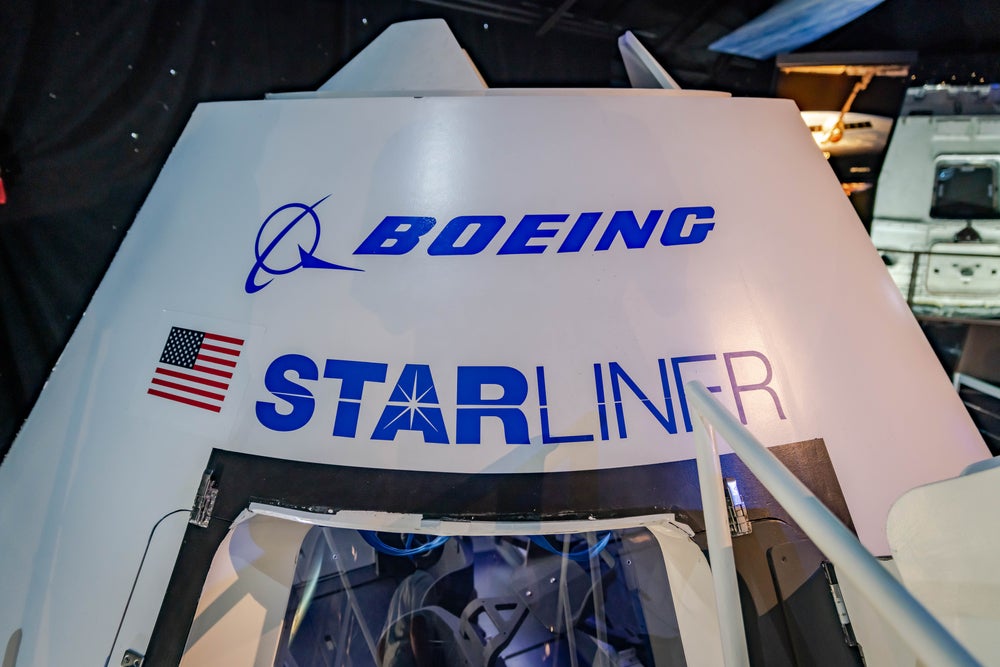
- U.S.-China Trade Expansion: Treasury Secretary Scott Bessent indicated that a large order from China, particularly for Boeing aircraft, is expected to be announced during President Trump's visit to Beijing, highlighting the U.S. commitment to expanding exports to China.
- Investment and Procurement Discussions: Bessent mentioned that discussions would include other purchases such as energy and agricultural goods, emphasizing investments in non-strategic and non-sensitive areas, which reflects the U.S. desire to enhance economic cooperation through diversified trade.
- Trade and Investment Boards: The formation of a 'Board of Trade' and a 'Board of Investment' was discussed to govern bilateral trade and ensure that Chinese investments do not fall under the jurisdiction of the Committee on Foreign Investment in the U.S., thereby mitigating potential security risks.
- Trade Balance Goals: Bessent noted that Trump aims to achieve trade balance by either reducing imports from China or increasing exports to China, indicating a strategic adjustment in U.S. global trade policy and a focus on improving U.S.-China relations.
See More
Germany's Defense Budget Surge Benefits Rheinmetall
- Defense Budget Surge: President Trump's proposal for a $1.5 trillion defense budget in 2027, nearly double last year's $892.6 billion, if approved by Congress, would mark the largest annual increase since World War II, reflecting the U.S. commitment to strengthening military capabilities amid global turmoil.
- Germany's Military Spending Boom: Germany plans to raise its defense budget to €114 billion in 2026, a 24% increase from 2025, positioning itself as the fourth-largest defense spender globally, with Rheinmetall set to supply much of the necessary hardware as it aims to build the largest army in Europe by 2030.
- Technological Innovation and Product Diversification: Rheinmetall produces not only artillery and ammunition but also vehicles, drones, and anti-aircraft weapons, and its partnership with Boeing to integrate the MQ-28 Ghost Bat drone underscores its leadership in defense technology.
- Financial Recovery: Despite missing earnings estimates in the latter half of 2025, Rheinmetall reported an 8% year-over-year sales increase and a 17% rise in operating profit in Q1 2026, with a 31% increase in backlog to €72.9 billion, indicating strong market demand and profitability.
See More

Nvidia's Jensen Huang Invited by Trump to China Summit


- Summit Participation: Nvidia CEO Jensen Huang was invited by Trump to join what is described as 'one of the most important summits in human history' in China, highlighting his significant role in U.S.-China relations.
- Building High-Level Relationships: Huang emphasized the strong relationship between Trump and Xi, viewing it as an incredible opportunity to establish a better partnership, which could facilitate Nvidia's further development in the Chinese market.
- Media Attention and Clarification: Following media reports of Huang's absence from the delegation, Trump personally called to invite him, leading Huang to fly to Alaska to board Air Force One, underscoring his importance at the summit.
- Trade Agenda Priority: Trump stated that opening up the Chinese market to U.S. businesses would be his primary request during discussions with Xi, potentially creating new business opportunities for companies like Nvidia.
See More
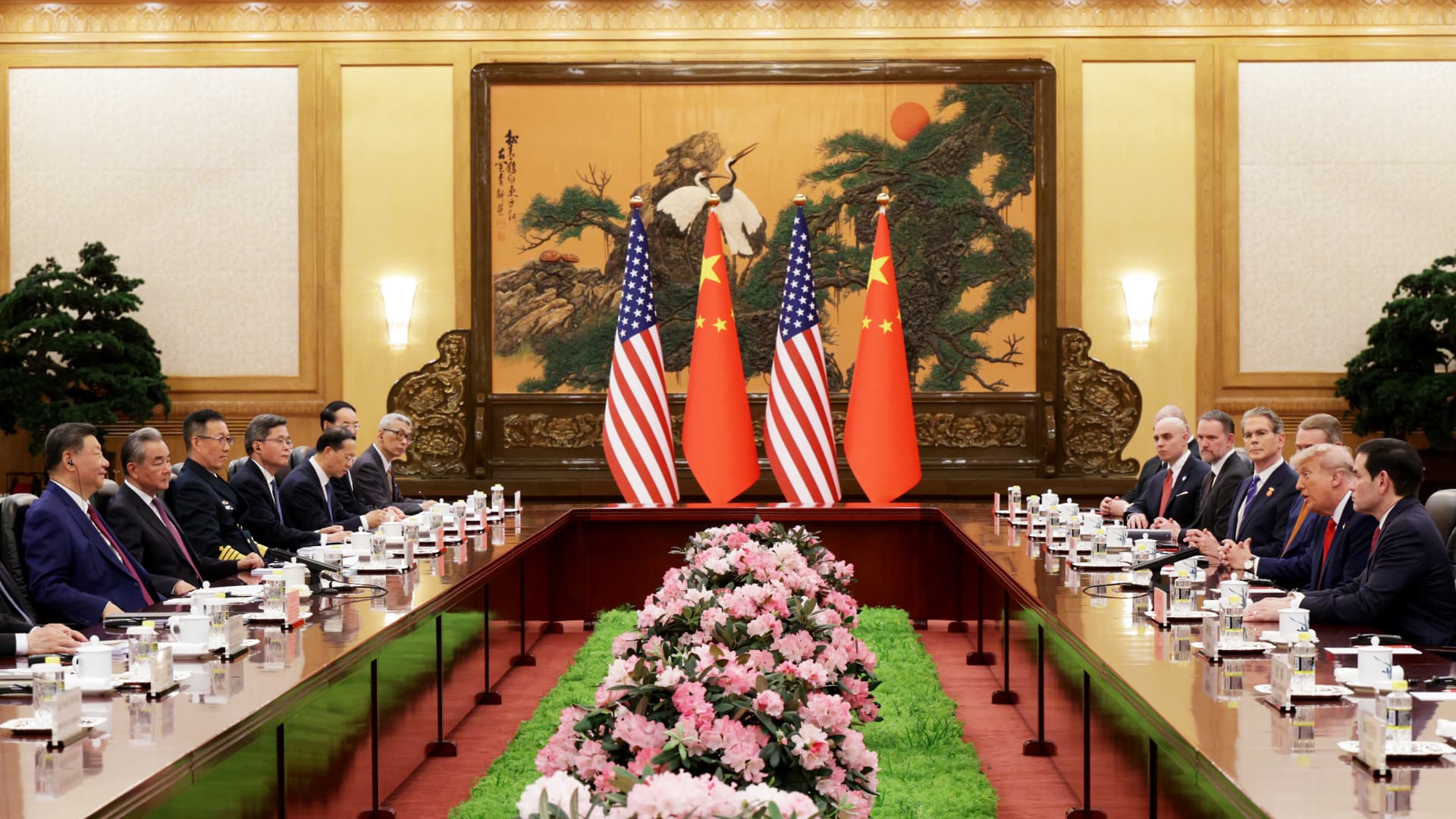
Trump and Xi's Historic Summit: A Potential Reset
- Resetting Relations: The summit between Trump and Xi could signify a reset in U.S.-China relations, with discussions on thorny issues such as agricultural and industrial goods purchases, tariffs, Taiwan, and rare earths, potentially leading to significant global economic implications.
- Trade Agreement Outlook: The Trump administration aims to push for increased Chinese purchases of American soybeans and Boeing aircraft, with analysts suggesting this could culminate in a formal trade agreement, thereby stabilizing economic relations between the two nations.
- Trend Towards Multipolarity: Taking place against a backdrop of global trade tensions and conflicts, analysts indicate that improved U.S.-China relations could facilitate a shift towards a multipolar world, diminishing the influence of unipolar hegemony.
- Executive Team Involvement: Trump's entourage includes executives from major companies like Tesla and Apple, raising expectations for a more favorable business environment, potentially leading to a large-scale agreement for American goods purchases, further strengthening economic ties between the two countries.
See More
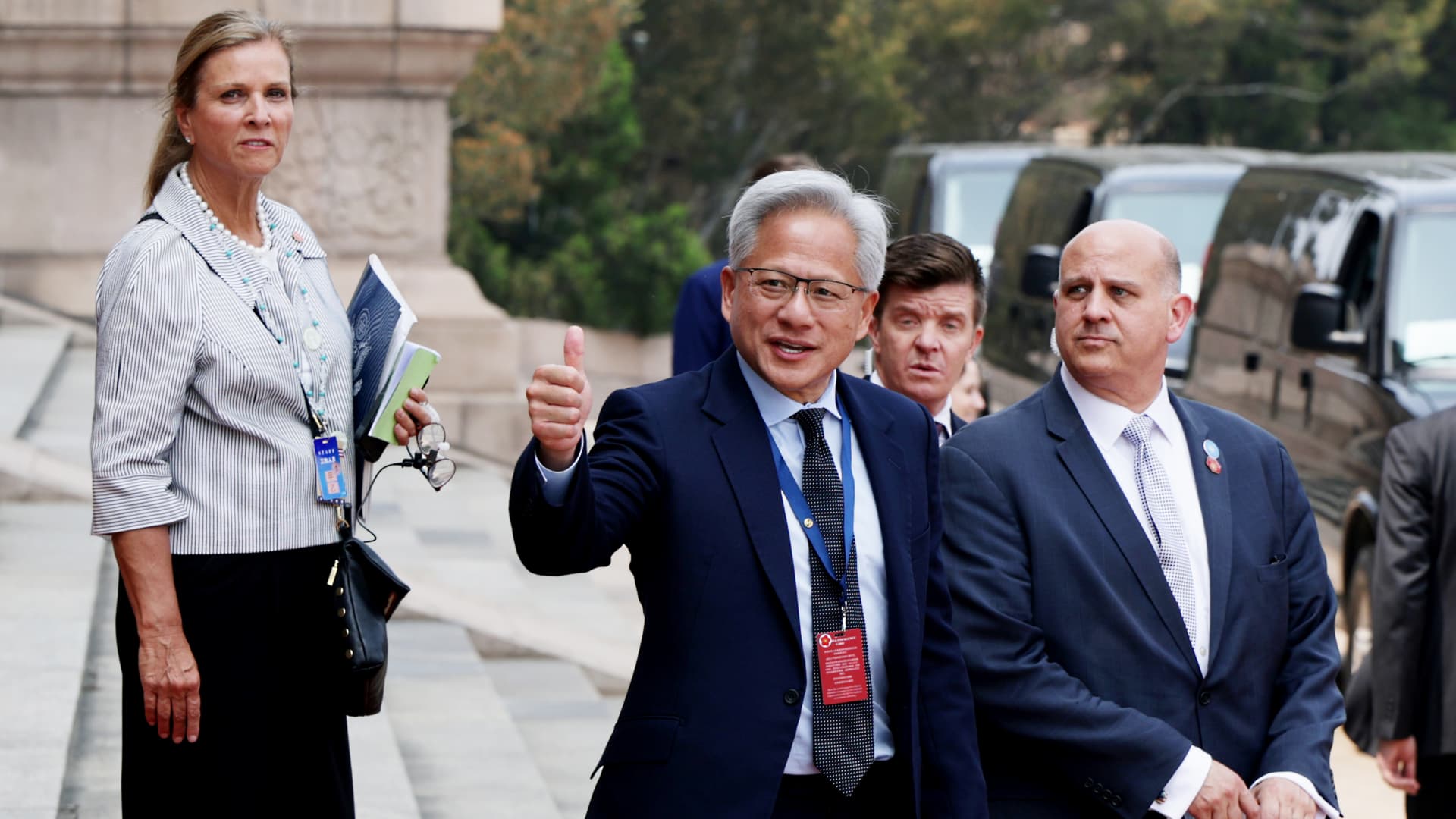
Nvidia's Jensen Huang Invited by Trump to Attend China Summit
- Summit Significance: Nvidia CEO Jensen Huang was invited by Trump to join the China summit, emphasizing the importance of representing the U.S. and highlighting his pivotal role in international business relations.
- U.S.-China Relations: Huang noted the strong relationship between Trump and Xi, suggesting that this provides an opportunity to build a stronger partnership, reflecting the influence of tech leaders in diplomacy.
- Trump's Commitment: At the summit, Trump stated he would ask Xi to 'open up' the Chinese market, underscoring his focus on enhancing U.S.-China economic cooperation.
- Delegation Composition: The delegation includes prominent leaders such as Tesla's Elon Musk and Apple's Tim Cook, indicating the high level of interest and expectations from the U.S. business community regarding the Chinese market.
See More
Trump Meets Xi Jinping to Secure Economic Wins Amid Trade Truce
- Economic Negotiation Context: Trump's meetings with Xi aim to maintain a fragile trade truce while addressing thorny issues like the Iran war and arms sales to Taiwan, indicating a strategic shift in the U.S. position in global economics.
- CEO Participation: The inclusion of CEOs like Elon Musk and Jensen Huang in Trump's delegation underscores the willingness of U.S. businesses to engage in the Chinese market, potentially paving the way for future commercial collaborations.
- Trade Relationship Dynamics: Despite Trump's intentions to reduce the trade deficit through sales of Boeing aircraft and agricultural products, his negotiating power is constrained by U.S. court limitations on imposing tariffs, reflecting a weakened U.S. stance in U.S.-China relations.
- Taiwan Issue Priority: Xi's strong opposition to U.S. arms sales to Taiwan, particularly the unclear status of a $14 billion package awaiting Trump's approval, highlights the significance and complexity of the Taiwan issue in U.S.-China relations.
See More
U.S. Treasury Secretary Anticipates Large Chinese Orders for Boeing
- U.S.-China Trade Expansion: Treasury Secretary Scott Bessent indicated that a large order from China, particularly for Boeing aircraft, is expected to be announced during President Trump's visit to Beijing, highlighting the U.S. commitment to expanding exports to China.
- Investment and Procurement Discussions: Bessent mentioned that discussions would include other purchases such as energy and agricultural goods, emphasizing investments in non-strategic and non-sensitive areas, which reflects the U.S. desire to enhance economic cooperation through diversified trade.
- Trade and Investment Boards: The formation of a 'Board of Trade' and a 'Board of Investment' was discussed to govern bilateral trade and ensure that Chinese investments do not fall under the jurisdiction of the Committee on Foreign Investment in the U.S., thereby mitigating potential security risks.
- Trade Balance Goals: Bessent noted that Trump aims to achieve trade balance by either reducing imports from China or increasing exports to China, indicating a strategic adjustment in U.S. global trade policy and a focus on improving U.S.-China relations.
See More
Germany's Defense Budget Surge Benefits Rheinmetall
- Defense Budget Surge: President Trump's proposal for a $1.5 trillion defense budget in 2027, nearly double last year's $892.6 billion, if approved by Congress, would mark the largest annual increase since World War II, reflecting the U.S. commitment to strengthening military capabilities amid global turmoil.
- Germany's Military Spending Boom: Germany plans to raise its defense budget to €114 billion in 2026, a 24% increase from 2025, positioning itself as the fourth-largest defense spender globally, with Rheinmetall set to supply much of the necessary hardware as it aims to build the largest army in Europe by 2030.
- Technological Innovation and Product Diversification: Rheinmetall produces not only artillery and ammunition but also vehicles, drones, and anti-aircraft weapons, and its partnership with Boeing to integrate the MQ-28 Ghost Bat drone underscores its leadership in defense technology.
- Financial Recovery: Despite missing earnings estimates in the latter half of 2025, Rheinmetall reported an 8% year-over-year sales increase and a 17% rise in operating profit in Q1 2026, with a 31% increase in backlog to €72.9 billion, indicating strong market demand and profitability.
See More
Nvidia's Jensen Huang Invited by Trump to China Summit
- Summit Participation: Nvidia CEO Jensen Huang was invited by Trump to join what is described as 'one of the most important summits in human history' in China, highlighting his significant role in U.S.-China relations.
- Building High-Level Relationships: Huang emphasized the strong relationship between Trump and Xi, viewing it as an incredible opportunity to establish a better partnership, which could facilitate Nvidia's further development in the Chinese market.
- Media Attention and Clarification: Following media reports of Huang's absence from the delegation, Trump personally called to invite him, leading Huang to fly to Alaska to board Air Force One, underscoring his importance at the summit.
- Trade Agenda Priority: Trump stated that opening up the Chinese market to U.S. businesses would be his primary request during discussions with Xi, potentially creating new business opportunities for companies like Nvidia.
See More
Trump and Xi's Historic Summit: A Potential Reset
- Resetting Relations: The summit between Trump and Xi could signify a reset in U.S.-China relations, with discussions on thorny issues such as agricultural and industrial goods purchases, tariffs, Taiwan, and rare earths, potentially leading to significant global economic implications.
- Trade Agreement Outlook: The Trump administration aims to push for increased Chinese purchases of American soybeans and Boeing aircraft, with analysts suggesting this could culminate in a formal trade agreement, thereby stabilizing economic relations between the two nations.
- Trend Towards Multipolarity: Taking place against a backdrop of global trade tensions and conflicts, analysts indicate that improved U.S.-China relations could facilitate a shift towards a multipolar world, diminishing the influence of unipolar hegemony.
- Executive Team Involvement: Trump's entourage includes executives from major companies like Tesla and Apple, raising expectations for a more favorable business environment, potentially leading to a large-scale agreement for American goods purchases, further strengthening economic ties between the two countries.
See More
Nvidia's Jensen Huang Invited by Trump to Attend China Summit
- Summit Significance: Nvidia CEO Jensen Huang was invited by Trump to join the China summit, emphasizing the importance of representing the U.S. and highlighting his pivotal role in international business relations.
- U.S.-China Relations: Huang noted the strong relationship between Trump and Xi, suggesting that this provides an opportunity to build a stronger partnership, reflecting the influence of tech leaders in diplomacy.
- Trump's Commitment: At the summit, Trump stated he would ask Xi to 'open up' the Chinese market, underscoring his focus on enhancing U.S.-China economic cooperation.
- Delegation Composition: The delegation includes prominent leaders such as Tesla's Elon Musk and Apple's Tim Cook, indicating the high level of interest and expectations from the U.S. business community regarding the Chinese market.
See More